DrSharpe Health
Uzbekistan Medical Protective Consumables Market Analysis
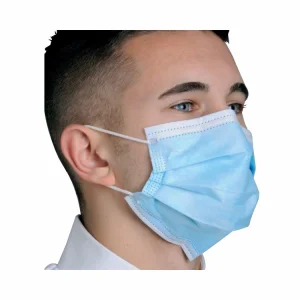
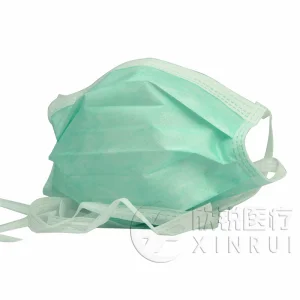
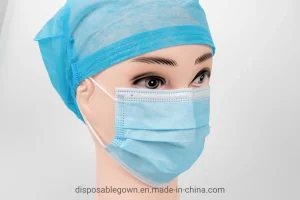
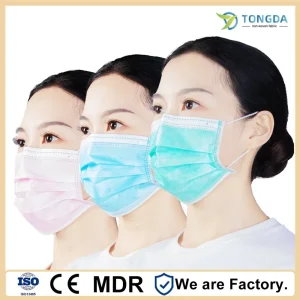
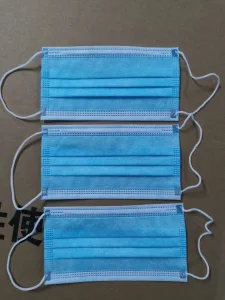
Over the last few years, Uzbekistan has undergone deep reforms to modernize its healthcare infrastructure under the national health development framework. Major metropolitan hubs such as Tashkent, Samarkand, Bukhara, and Namangan are experiencing a structural surge in demand for professional personal protective equipment (PPE). With the establishment of state-of-the-art multi-specialty clinical complexes and private diagnostic centers, the standard requirements for medical consumables have shifted significantly from basic hygiene options toward certified medical-grade surgical face masks.
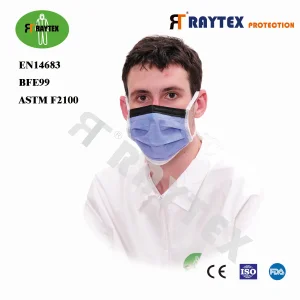
Historically, the Uzbekistan market relied heavily on imports of lower-filtration civil protective masks. However, with the integration of international sterile practices and strict healthcare safety guidelines, local ministries and private medical groups now actively mandate products compliant with the European Union Standard EN 14683 Type IIR and US FDA protocols. Surgical face masks are not merely dust barriers; they serve as critical liquid-barrier tools, preventing droplets and fluid splashes during high-risk surgical operations.
“The strategic transition towards certified surgical face masks in Uzbekistan highlights a growing prioritization of patient safety and infection control within Central Asia's medical landscape.”
Technical Challenges Faced by Local Manufacturers in Uzbekistan
While regional industrialization efforts in Central Asia have encouraged local assembly of non-woven products, Uzbekistan's domestic manufacturing ecosystem struggles to stabilize the supply chain for key technical materials. High-barrier surgical masks require highly specialized meltblown non-woven fabric treated with electrostatic charging. This layer is crucial to ensuring a Bacterial Filtration Efficiency (BFE) exceeding 98% and a Particle Filtration Efficiency (PFE) exceeding 99% while maintaining a low breathing resistance (differential pressure).
Because the local petrochemical refining facilities in the region are primarily geared toward building materials and structural textiles, the advanced grade of polypropylene raw materials needed for medical filtration is rarely produced locally. This discrepancy leads to severe quality fluctuations in locally manufactured masks. For complex medical environments, public and private sector procurement departments turn to trusted international manufacturers that can guarantee consistent production standards and uninterrupted volume deliveries.
China Factory Advantage: Zhejiang DrSharpe Health Co., Ltd.
As a leading name in global healthcare manufacturing, Zhejiang DrSharpe Health Co., Ltd. serves as a crucial partner for procurement agents in Uzbekistan. We offer direct access to advanced medical-grade manufacturing technology and raw material sourcing stability that local producers cannot match.
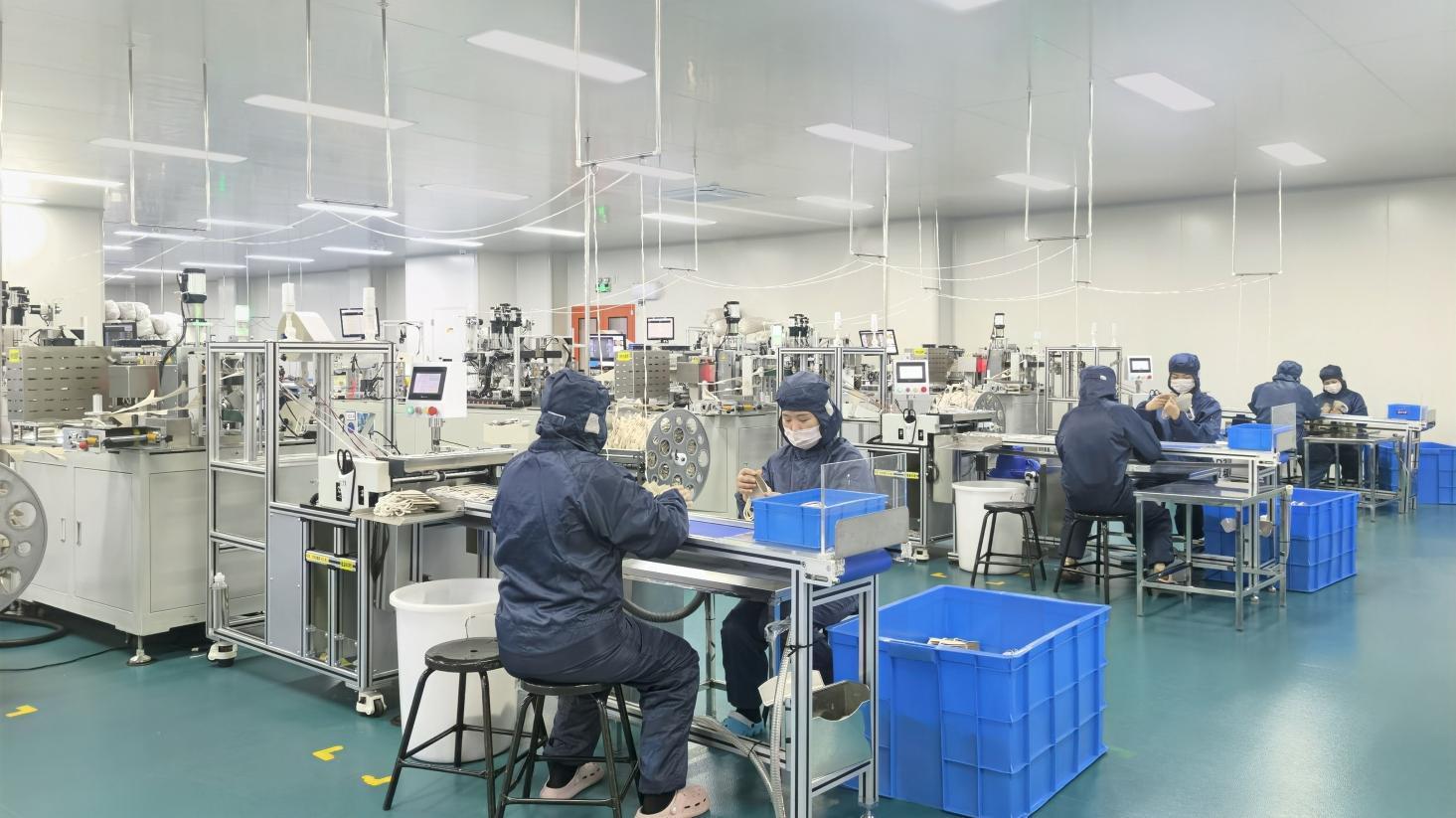
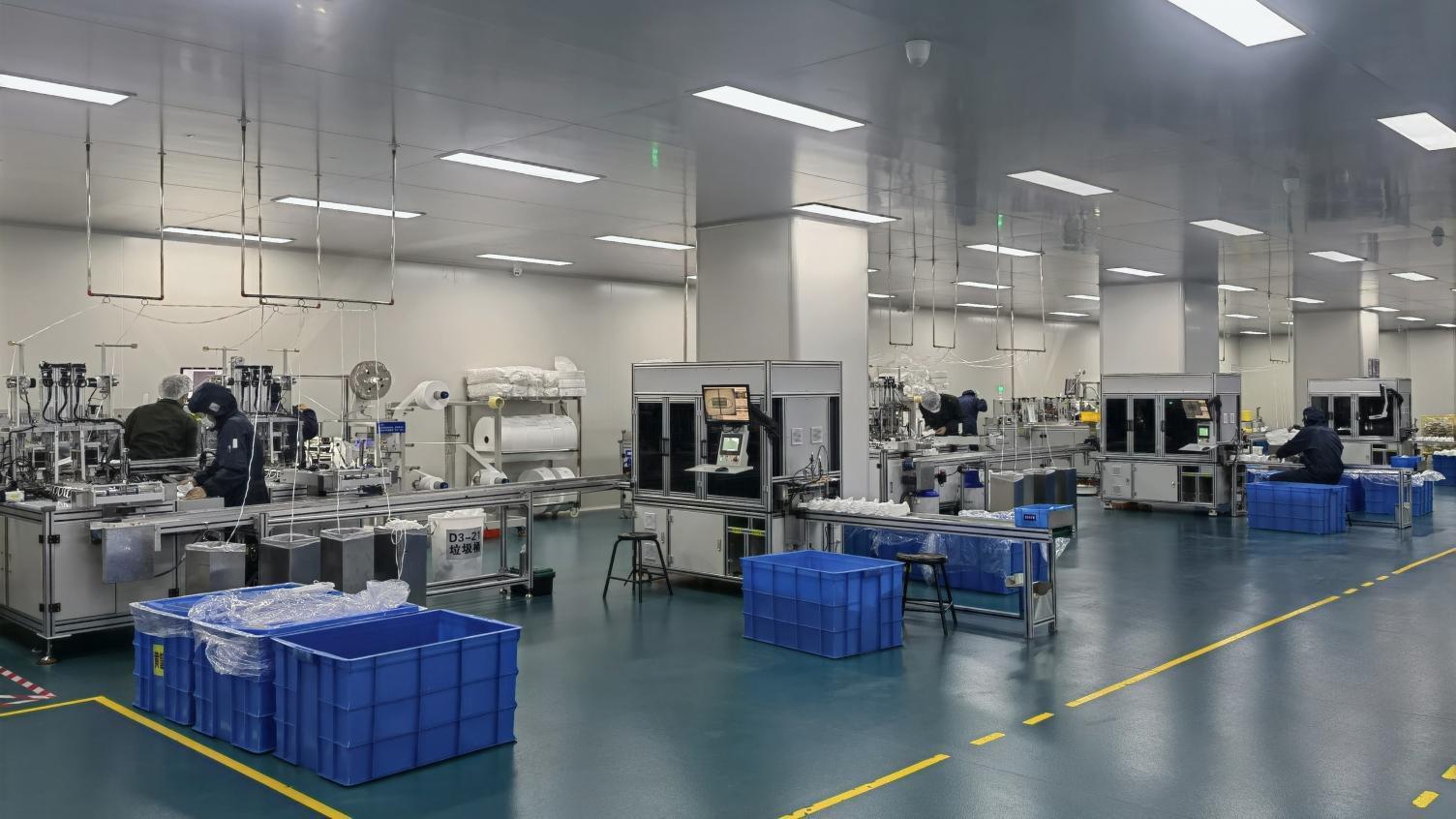
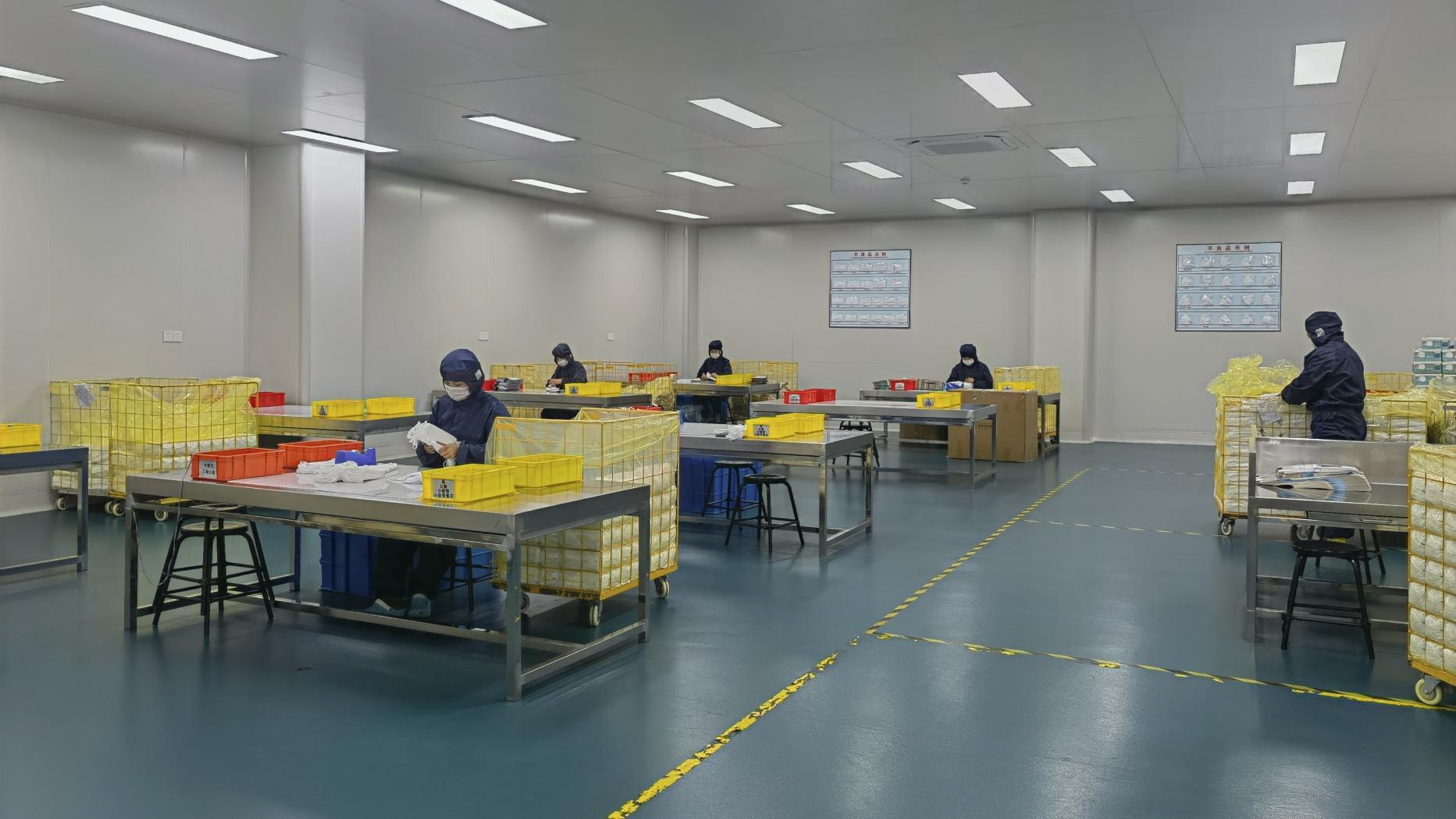
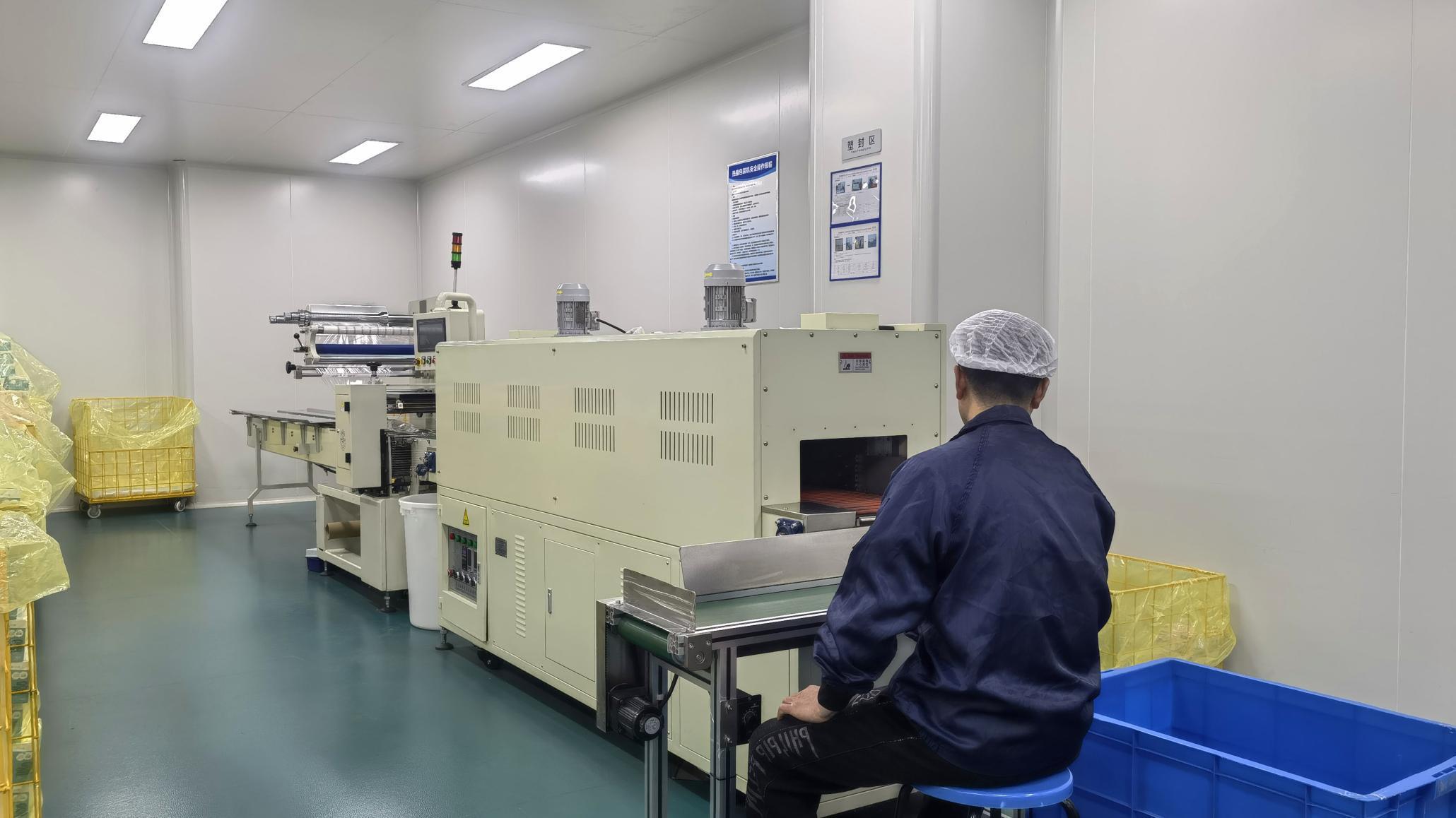
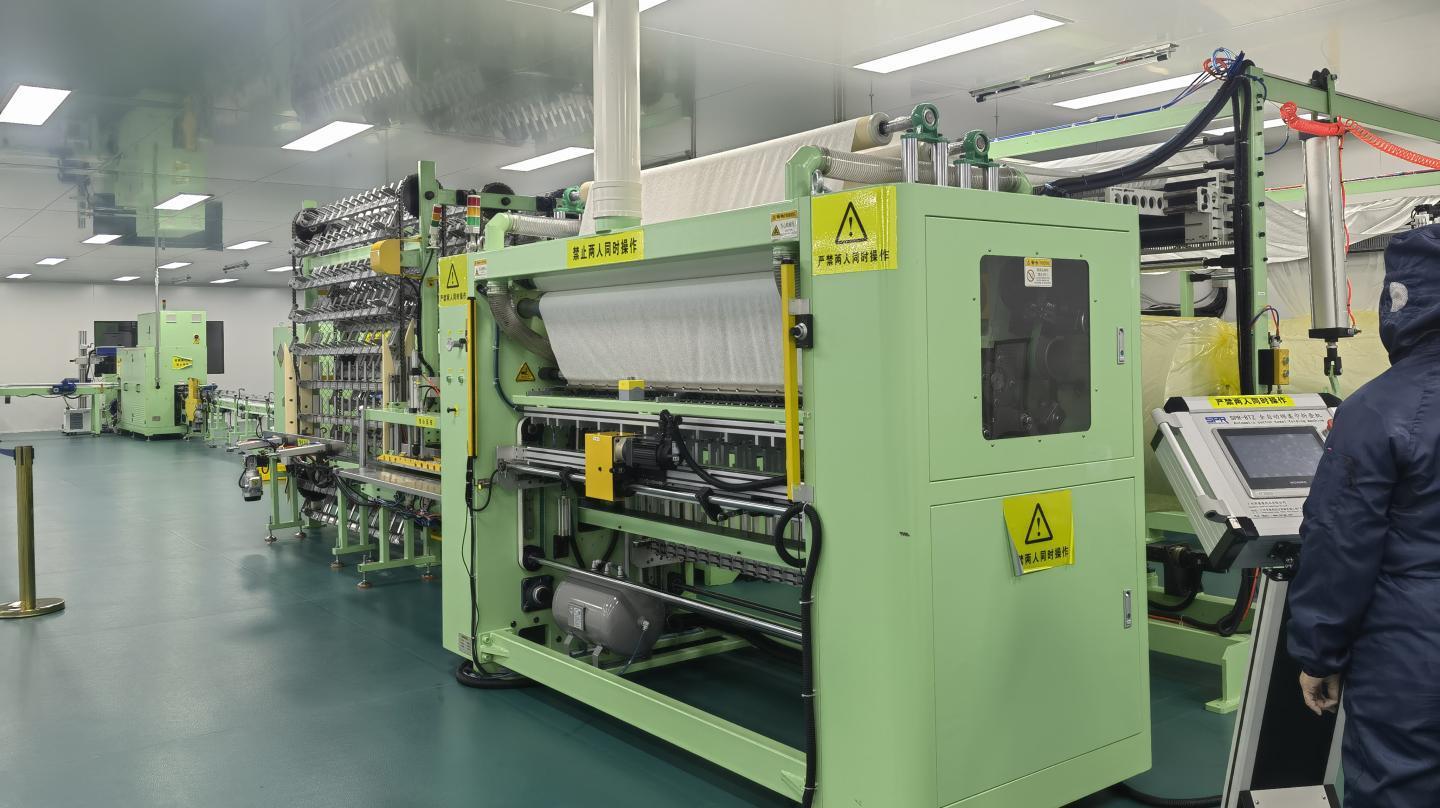
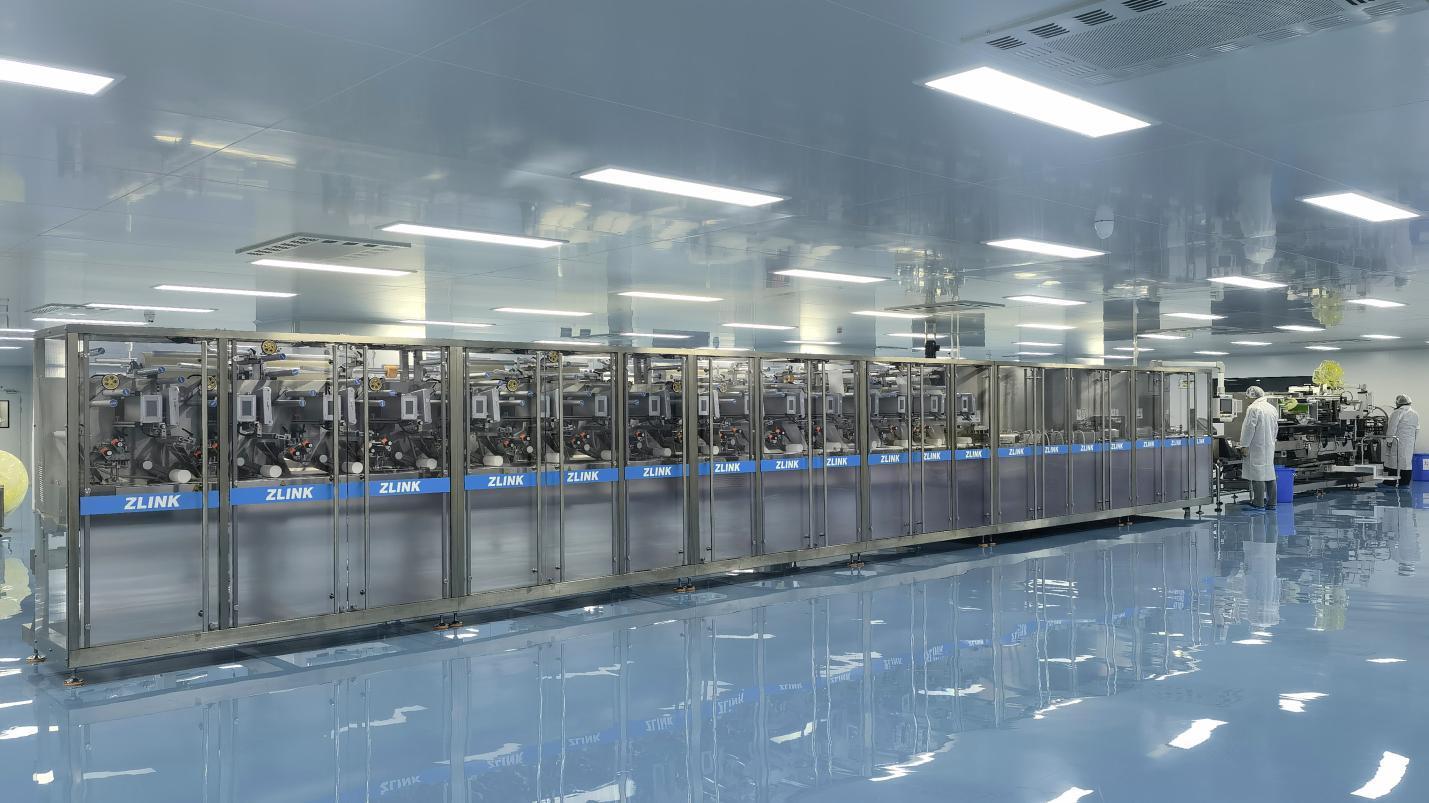
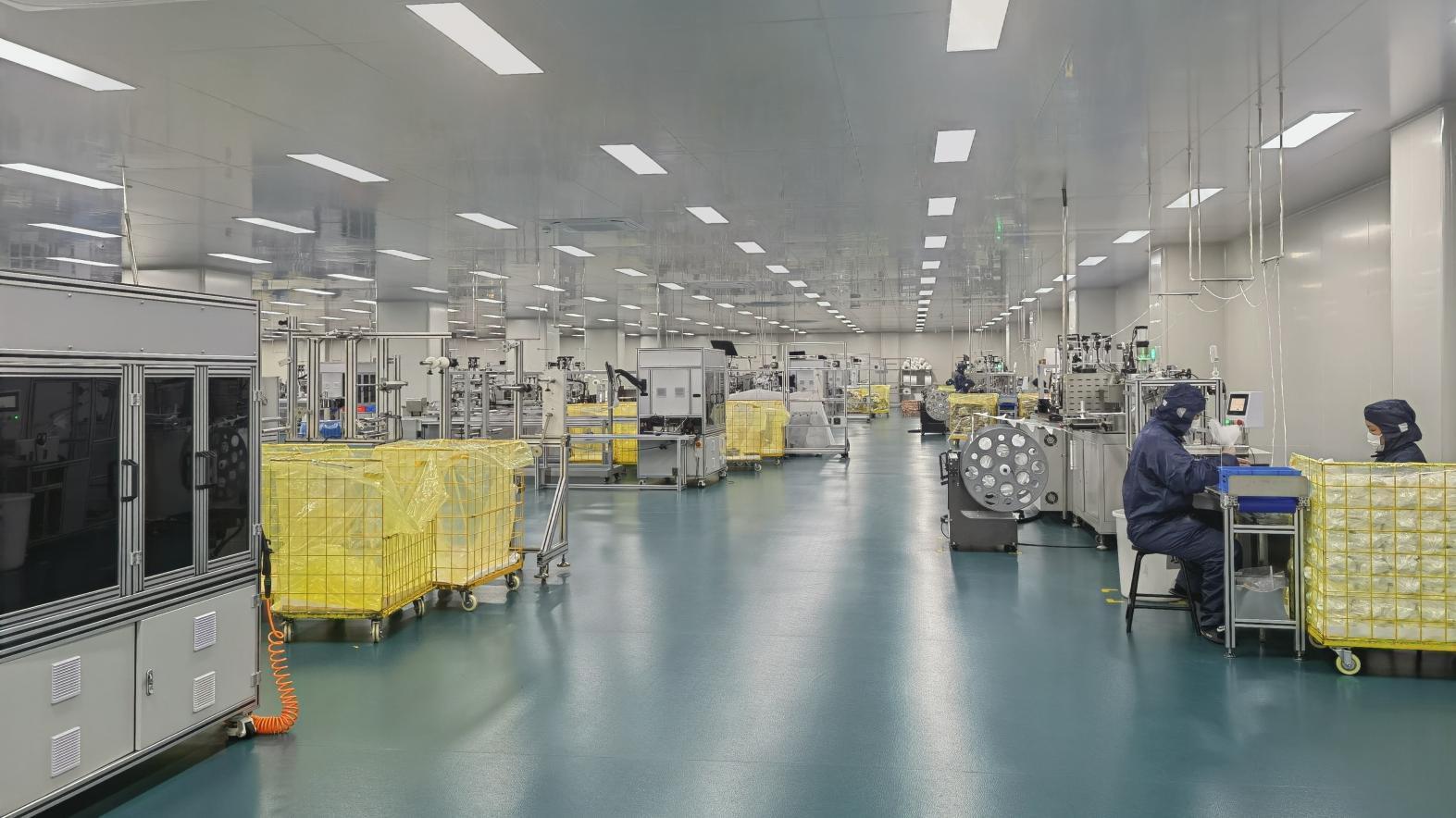
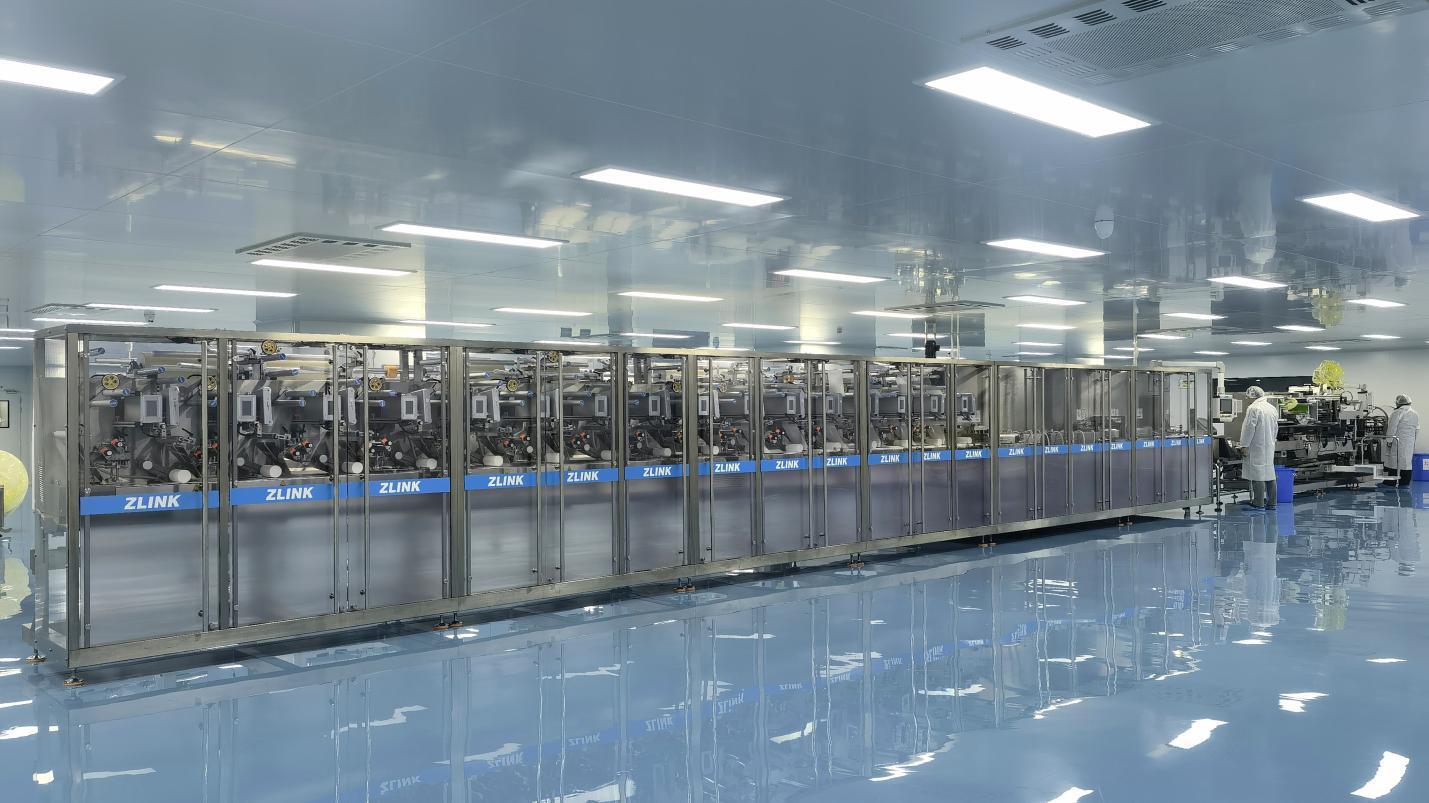
- Advanced Infrastructure: Our production center runs 5 fully automatic high-speed mask manufacturing lines alongside 12 semi-automatic lines, facilitating high daily outputs to accommodate sudden spikes in volume.
- Uncompromising Quality Standards: We utilize top-grade electrostatic meltblown fabrics to guarantee BFE ≥ 99% and PFE ≥ 99% filtration. Our materials prevent microfiber shedding, ensuring wearer comfort and skin safety.
- Globally Recognized Certifications: DrSharpe products strictly comply with international standards, holding CE, US FDA, and US EUA approvals. They conform to EU EN 14683 standard classifications, offering reliable liquid barrier resistance.
- Efficient Silk Road Logistics: With optimized freight shipping lanes via the Belt and Road networks (Chongqing-Xinjiang-Europe rail or direct truck routes through the Khorgos and Irkeshtam passes), we deliver to Tashkent within 12–15 days, minimizing storage overheads and supply interruptions.