DrSharpe Health
DrSharpe Health
DrSharpe Health
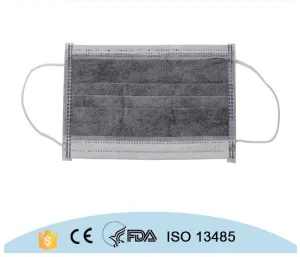
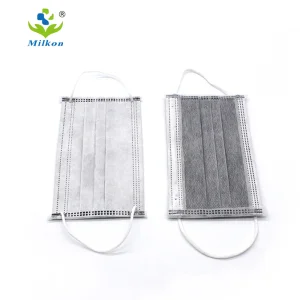
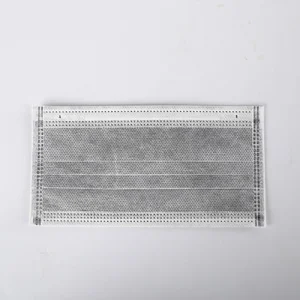
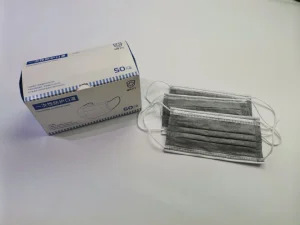
Explore our leading selection of high-grade activated carbon filtration masks, designed for chemical resistance, particulate protection, and comfortable everyday wear.
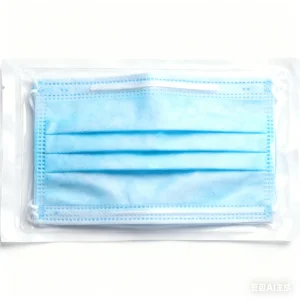
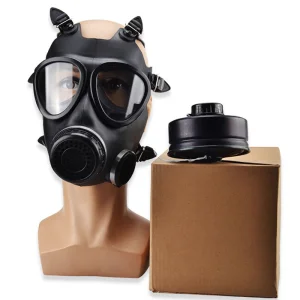
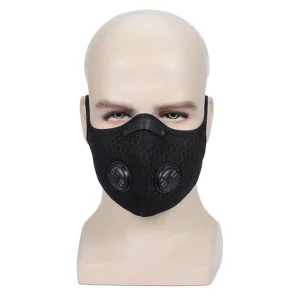
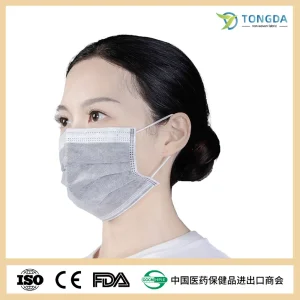
Why specialized molecular adsorption is critical for high-hazard environments.
In modern industrial safety, personal protective equipment (PPE) has evolved far beyond simple physical barrier filtration. Standard particulate masks block dust and liquid droplets, but they remain completely porous to organic vapors, toxic gases, volatile organic compounds (VOCs), and persistent offensive odors. This is where Activated Carbon Filtration Technology becomes indispensable. By incorporating a highly porous carbon layer processed to possess an incredibly high specific surface area, these respirators work via the principle of chemical adsorption.
Activated carbon is typically produced through physical or chemical activation of carbonaceous materials, such as coconut shells, coal, or wood. For respiratory applications, coconut shell-based carbon is highly preferred due to its dense network of micropores (diameters less than 2 nanometers), which matches the molecular sizes of typical volatile chemical vapors. During adsorption, target gas molecules are drawn into these microscopic pores and held there by London dispersion forces (a type of Van der Waals force). This ensures that while clean air molecules pass through, hazardous compounds like formaldehyde, benzene, sulfur dioxide, chlorine, and ozone are securely locked within the carbon matrix.
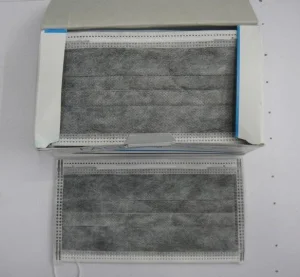
As a leading supplier and exporter, Zhejiang DrSharpe Health Co., Ltd. designs and manufactures carbon masks that integrate multi-layered defense systems. Our masks combine high-efficiency electrostatic melt-blown fabrics with active carbon media, achieving up to 99% Particle Filtration Efficiency (PFE) and 99% Bacterial Filtration Efficiency (BFE). By structuring the carbon layer so it does not restrict breathability, we solve the historical trade-off between user comfort and chemical protection.
We source carbon with high iodine values (typically exceeding 900 mg/g). This metric correlates directly with the density of micropores, ensuring a significantly longer service life and higher capacity to trap hazardous gas molecules before saturation occurs.
Coupled with our activated carbon layer is a highly charged electrostatic melt-blown fiber layer. This matrix captures sub-micron particulates down to 0.3 microns, providing combined protection against both airborne particles and organic vapors.
Traditional manufacturing often relies on chemical adhesives to bind carbon powder to non-woven fabric, resulting in an industrial odor. We use advanced thermo-bonding processes to lock carbon granules in place without chemical binders, ensuring clean inhalation.
Why sourcing directly from our advanced production facilities in Zhejiang, China offers unparalleled supply chain, quality, and cost advantages.
Zhejiang DrSharpe Health Co., Ltd. stands as a premier manufacturer and global exporter of protective face masks, tissue products, and safety solutions. Located in China's industrial manufacturing heartland, we optimize our structural supply chain to pass significant value, consistency, and technological superiority down to our global B2B clients.
China is home to the world's most complete textile and chemical raw material supply chain. Our manufacturing facilities benefit from immediate physical proximity to suppliers of high-grade non-woven fabrics, coconut-shell activated carbon, ultra-soft elastic earloops, and high-performance nose bridge materials. This local ecosystem minimizes internal logistics costs, eliminates delays in raw material procurement, and guarantees that we maintain stable pricing even during periods of high global demand. Furthermore, our proximity to major international shipping hubs like Ningbo and Shanghai enables swift, direct cargo booking, customs clearances, and outbound transit times.
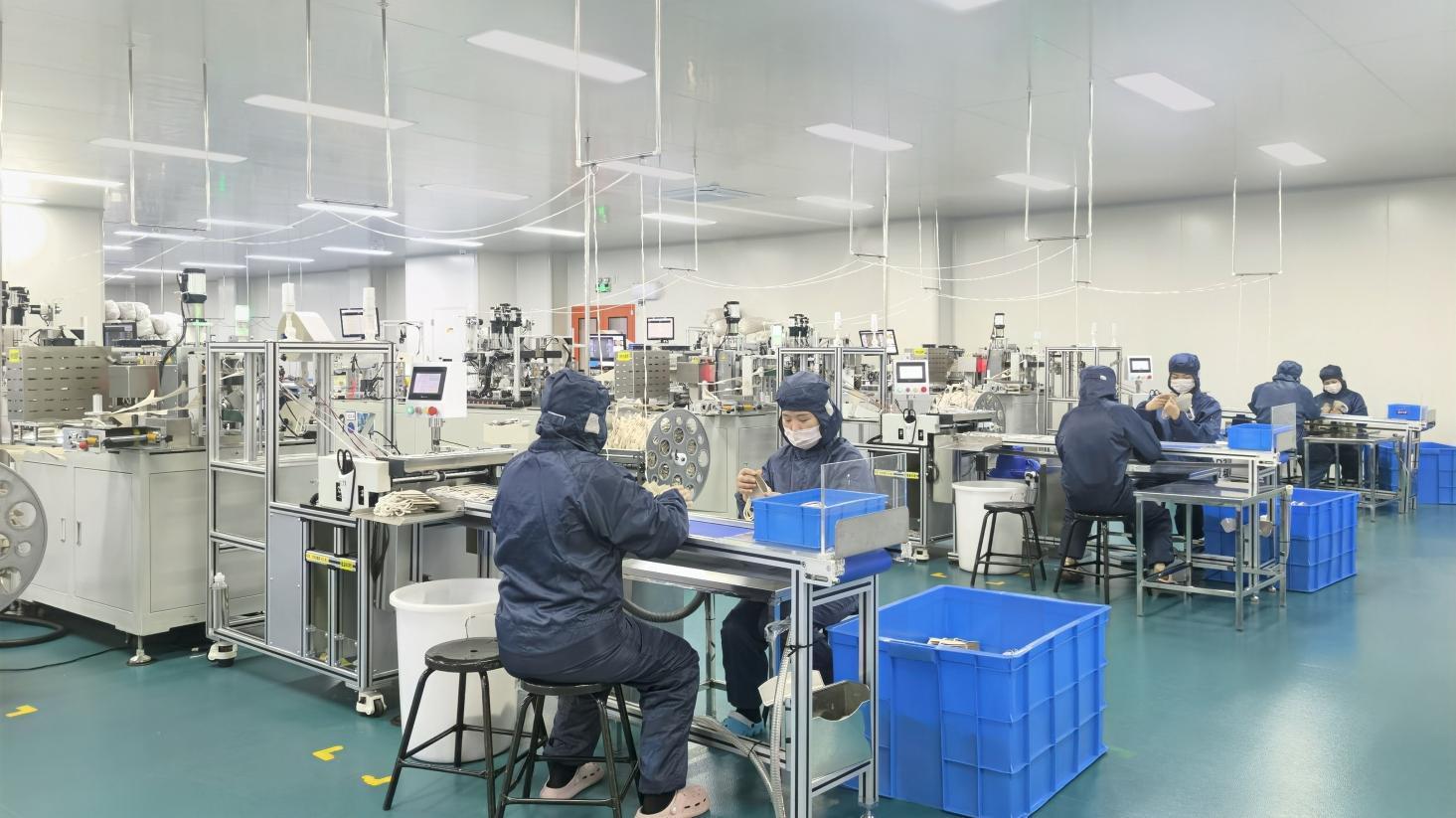
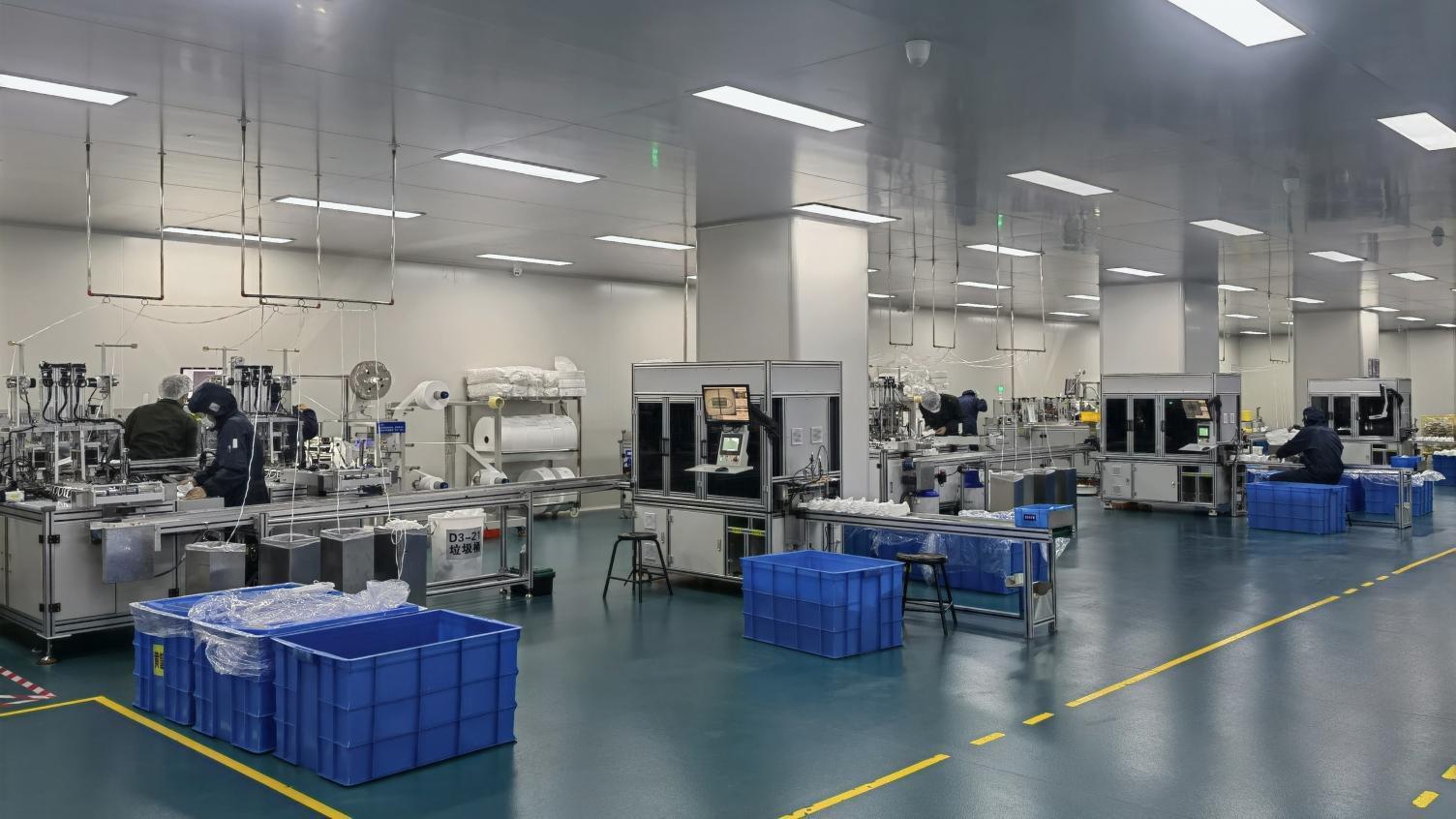
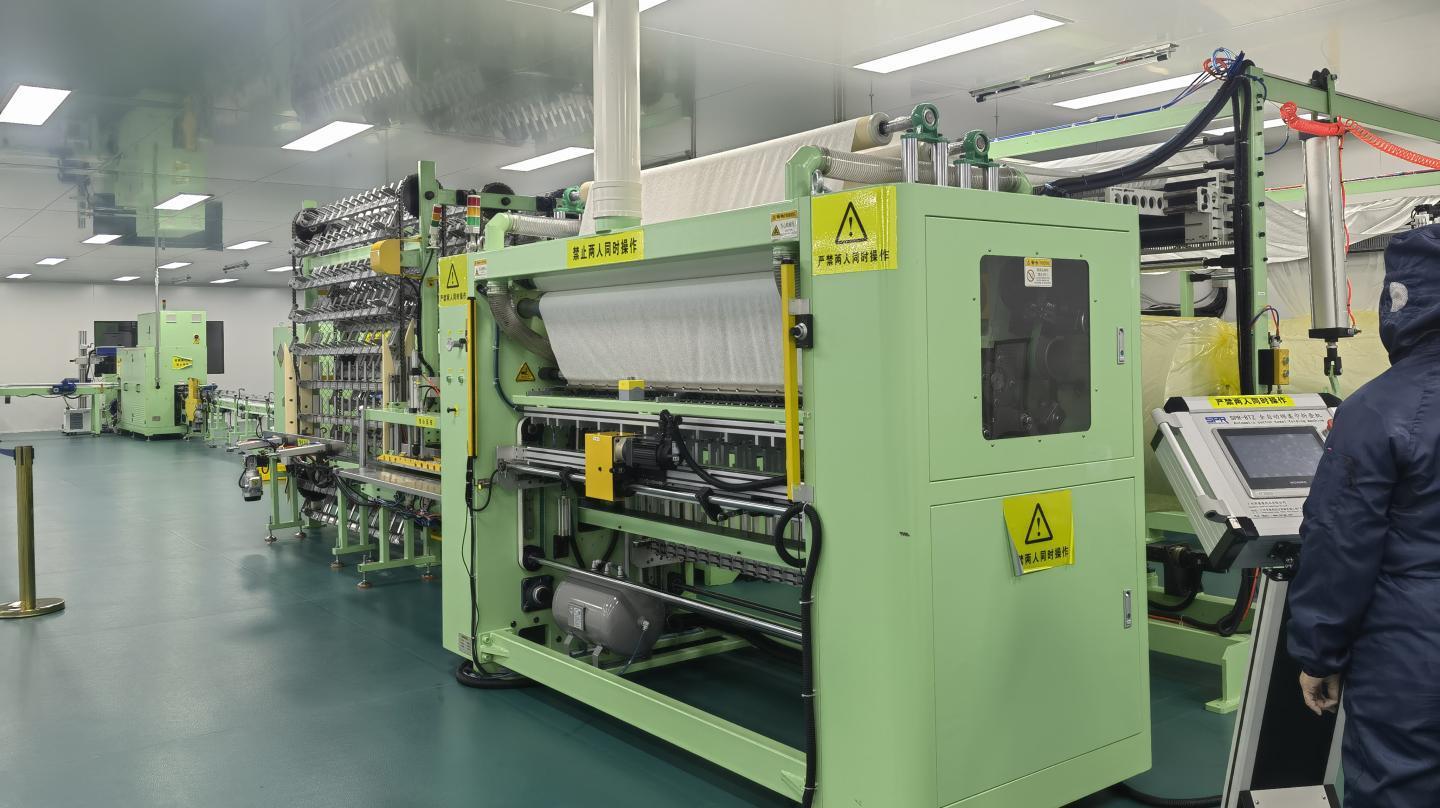
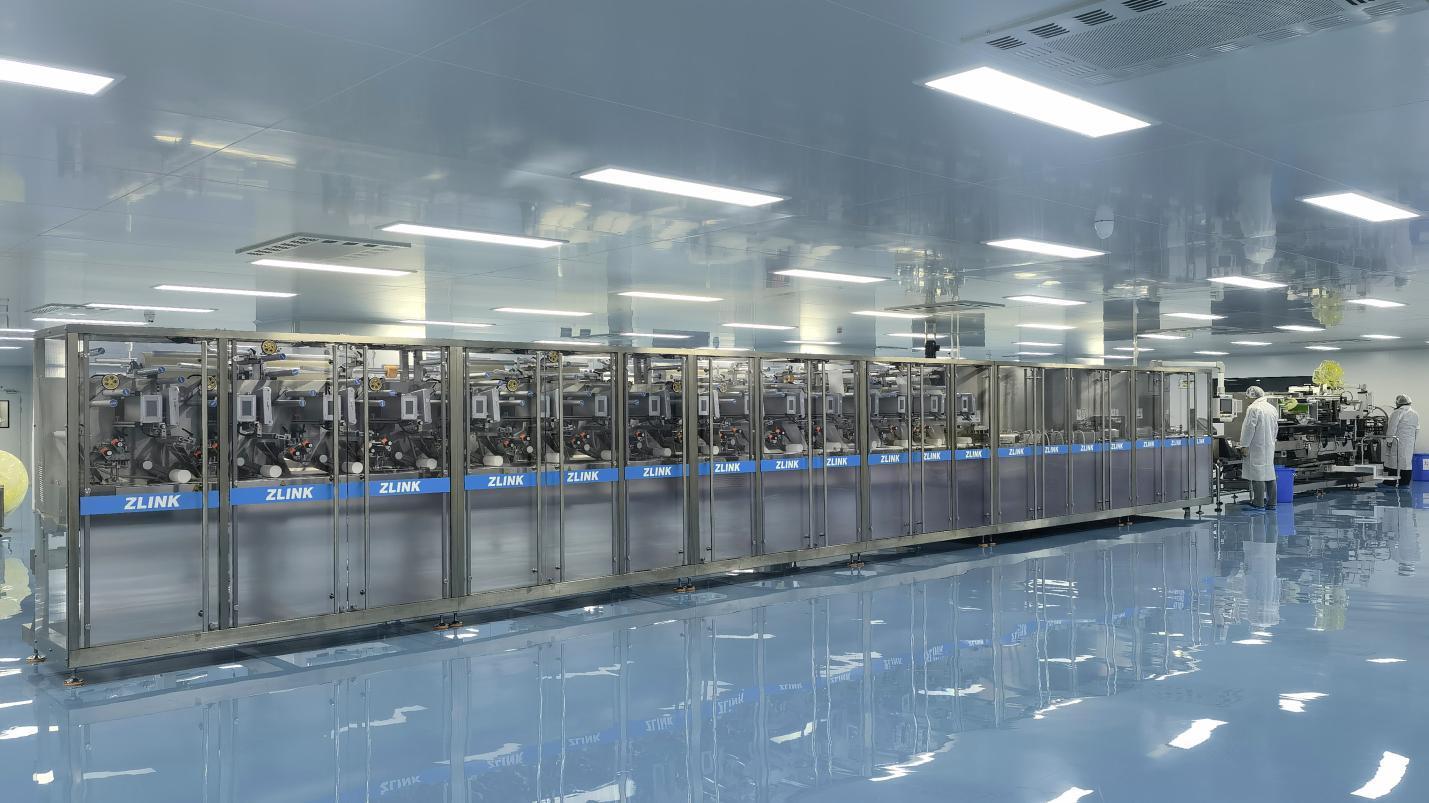
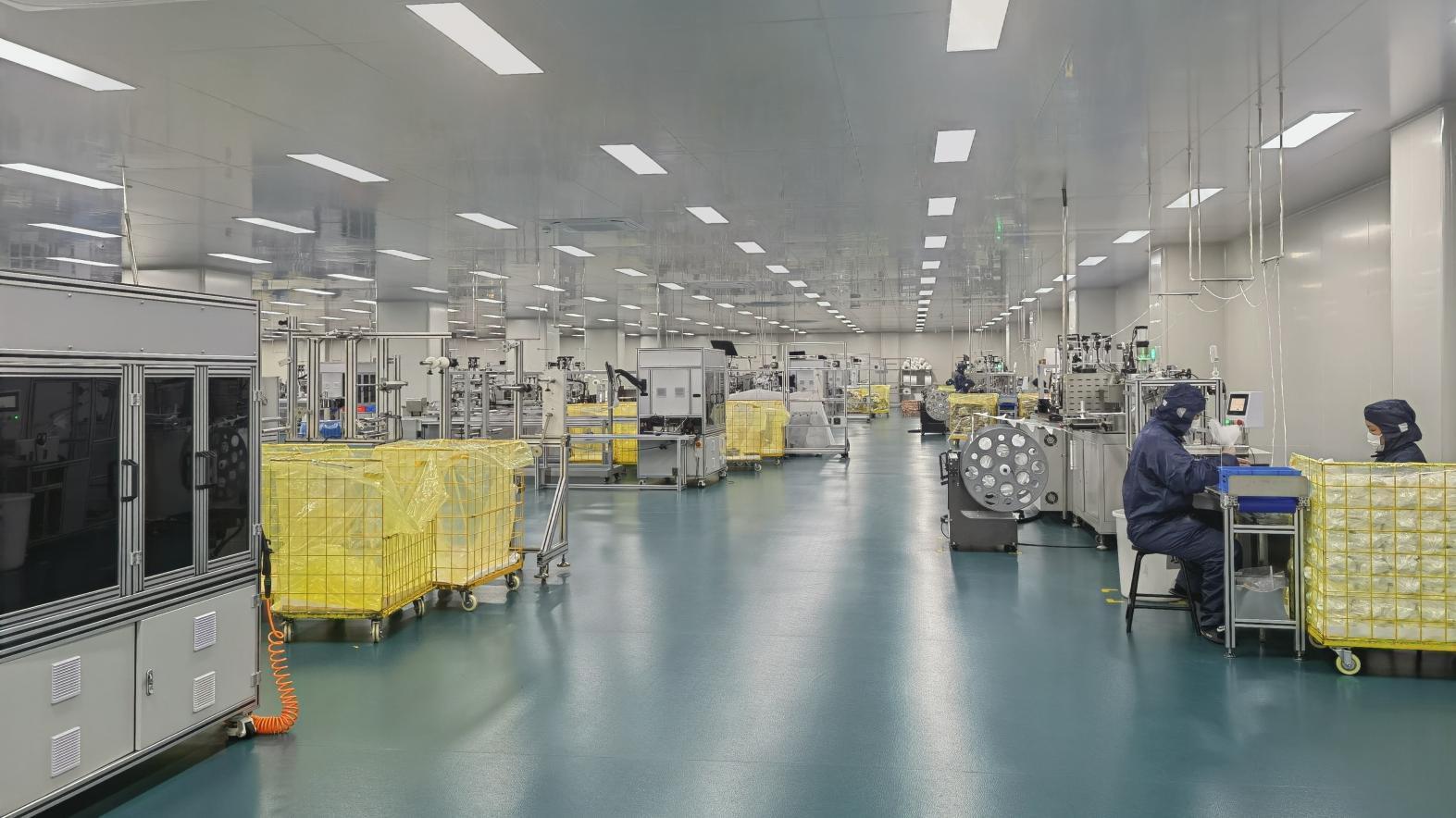
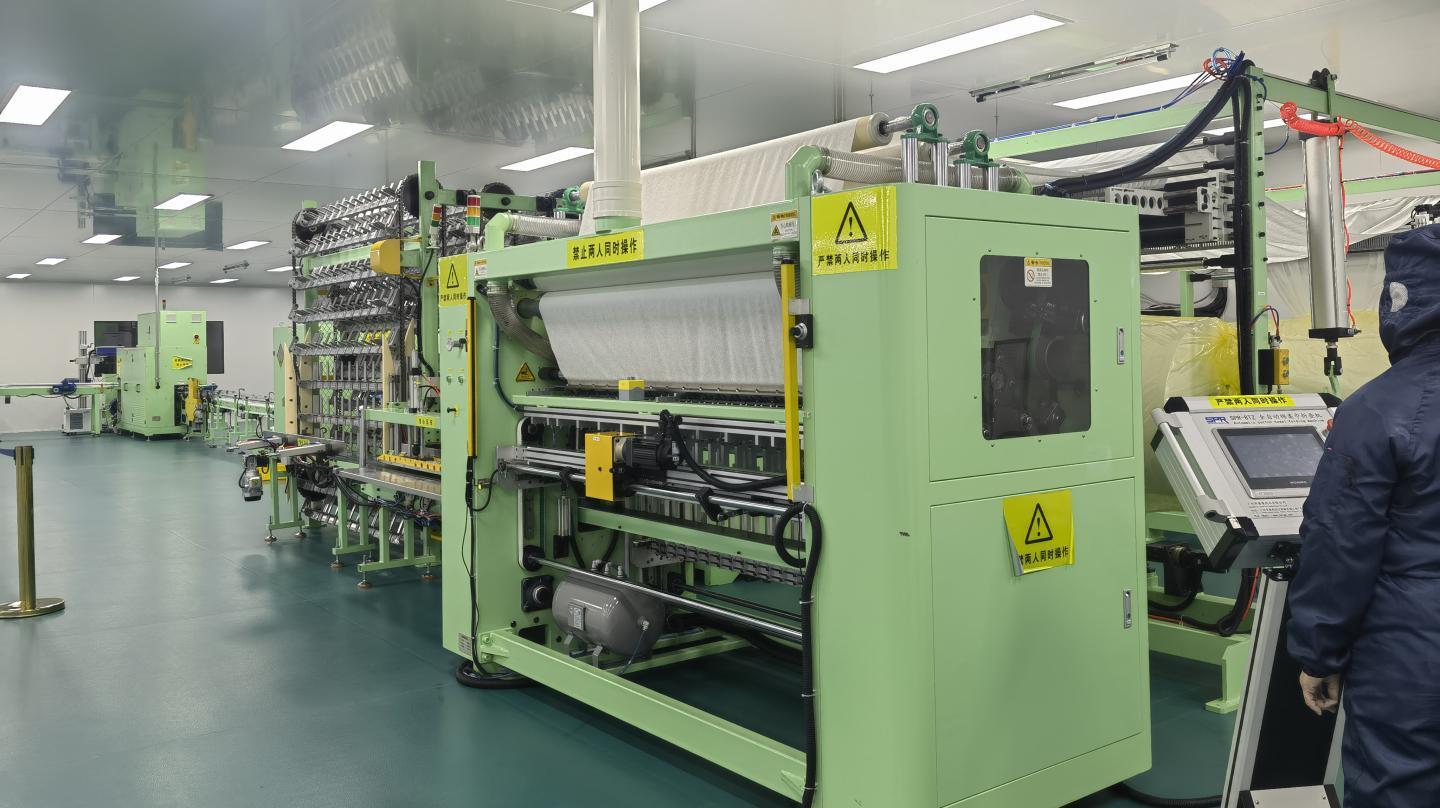
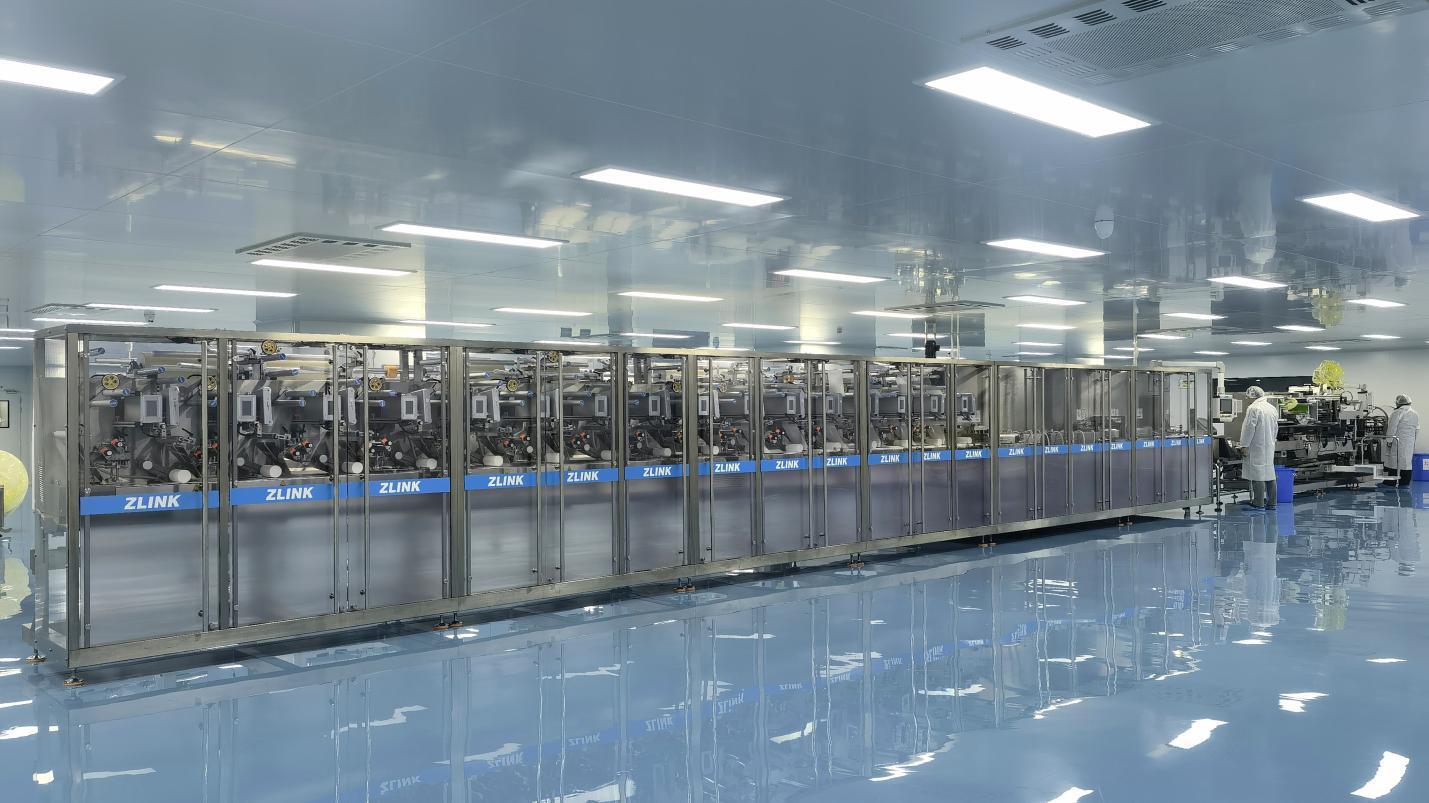
With an operational fleet of 5 fully automatic mask production machines and 12 semi-automatic mask production machines, DrSharpe offers highly scaleable manufacturing capacity. Automation minimizes manual handling, lowering the risk of post-production contamination and standardizing the physical geometry of each mask. Automated ultrasonic welding systems secure earloops and headbands with optimal pull strength, preventing failures in high-intensity field environments. This massive throughput capability allows us to fulfill large-scale OEM/ODM contract manufacturing runs comfortably, meeting the strict delivery schedules of multinational distributors, hospital groups, and national civil defense organizations.
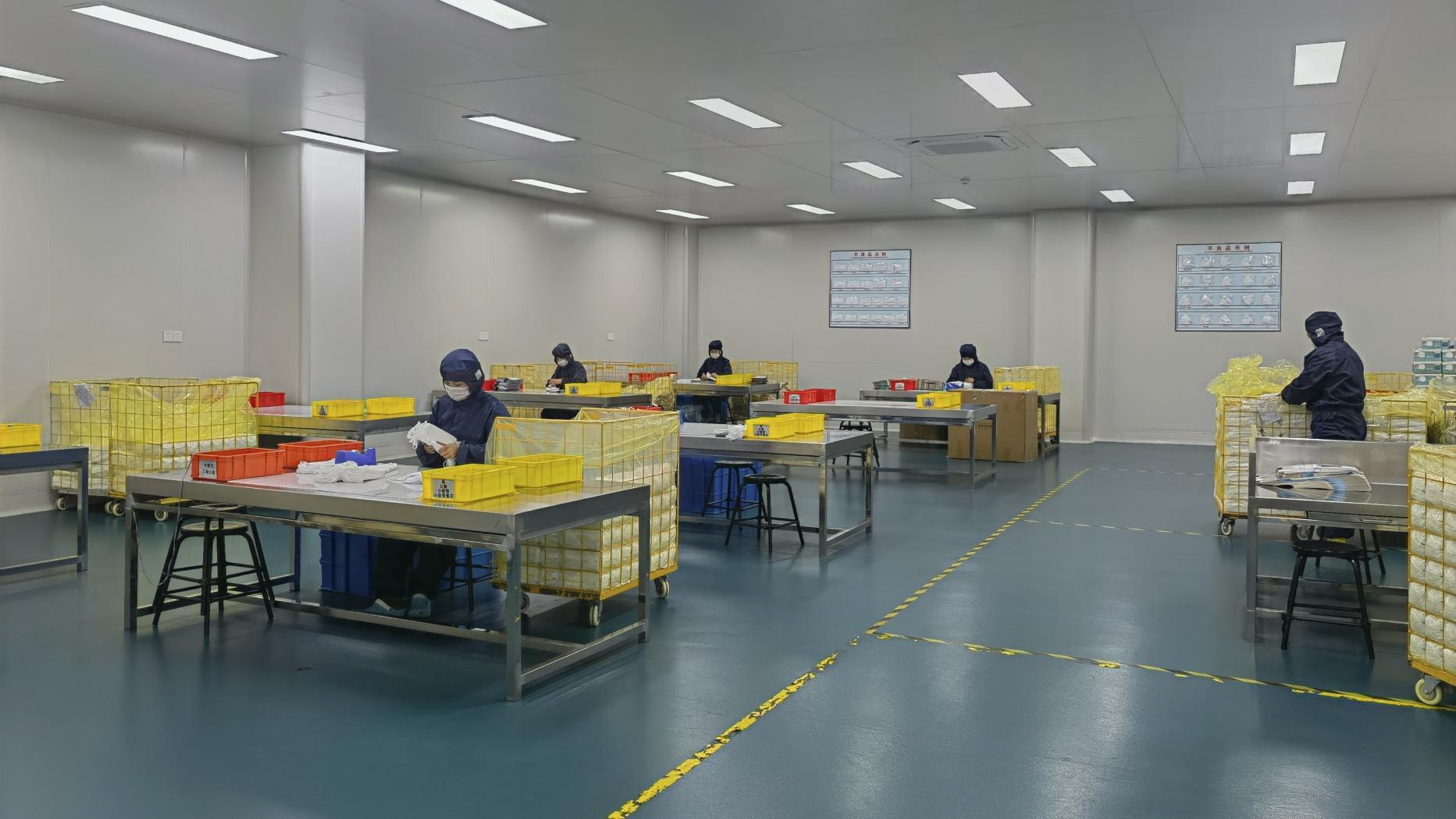
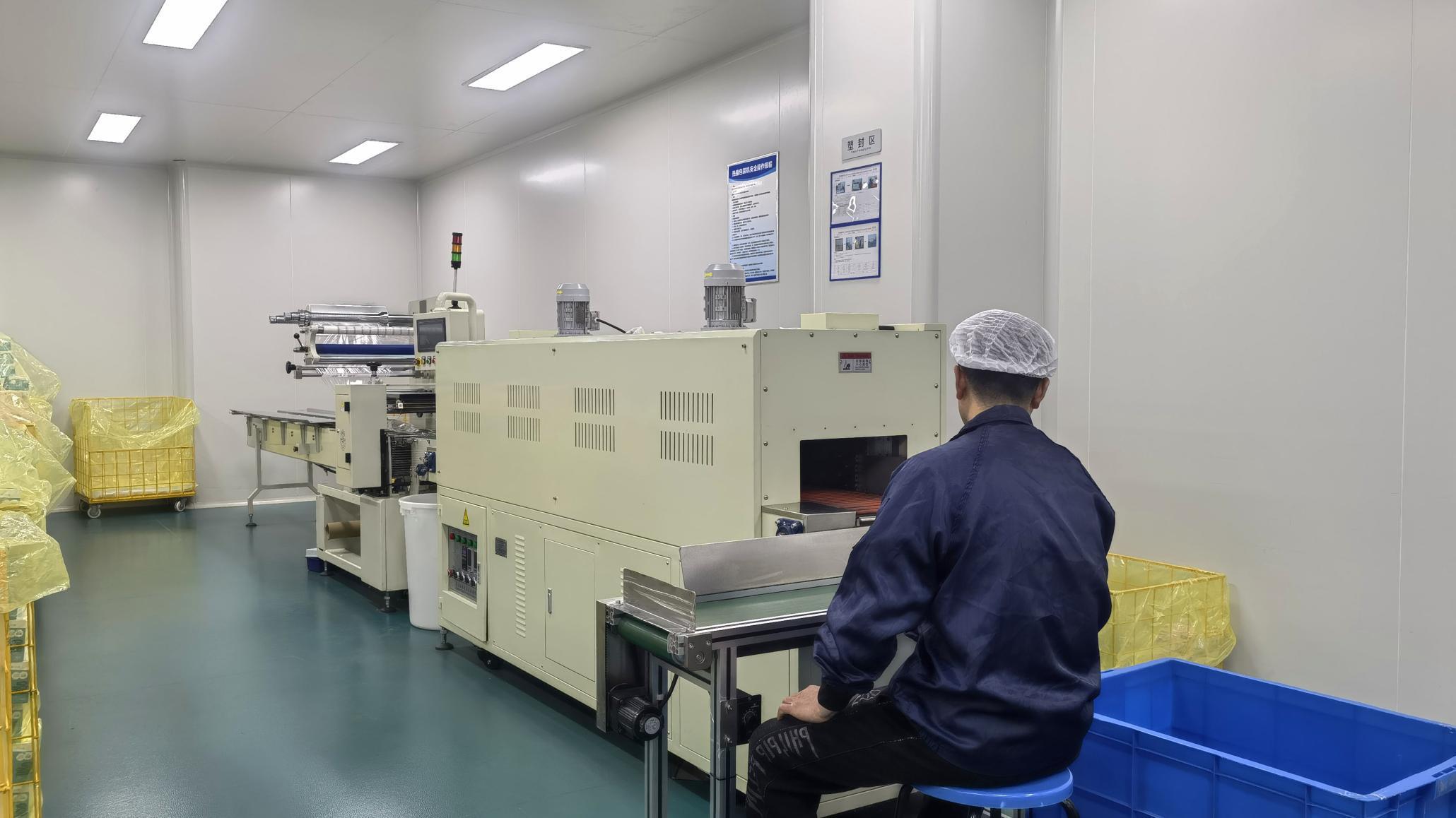
From the moment raw materials enter our warehouse to the final sealed palletization, every stage is audited. We perform rigorous particulate filtration tests, differential pressure tests (to assess breathability), and physical stress-tests on earloops. Our commitment to quality is validated by international regulatory compliance, having secured CE, US FDA, and US EUA registrations. This enables our commercial clients to import, distribute, and utilize our activated carbon masks in highly regulated markets including the United States, Europe, Germany, Japan, Mexico, and the United Kingdom.
Providing engineered respiratory barriers customized for vertical industry hazards around the world.
Protects laboratory staff and industrial workers from low-level fumes of formaldehyde, benzene, organic solvents, and acid gases during chemical synthesis, painting, and cleaning operations.
Designed for heavy industries. Carbon filters absorb ozone, nitrogen dioxide, and metal vapors emitted during welding and casting, preventing lung exposure to toxic gases.
Shields farmers and pest control experts against particulate mists, organic solvent carriers, and vapor odors during herbicide, pesticide, and fertilizer application cycles.
Protects cyclists, runners, and daily commuters from PM2.5 particulates, heavy exhaust gases (nitrogen oxides, carbon monoxide residues), and urban dust conditions.
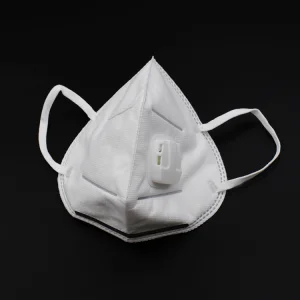
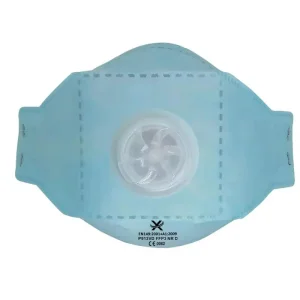
Across these diverse scenarios, the requirements for carbon masks change. For example, in dry, high-heat environments like metallurgy, masks featuring built-in exhalation valves are critical to prevent heat build-up and reduce moisture accumulation inside the mask cavity. Conversely, for close-quarter clinical or cleanroom chemical applications, non-valved disposable multi-layer activated carbon masks are preferred to protect both the wearer and the surrounding sterile workspace. Zhejiang DrSharpe Health Co., Ltd. tailors the thickness, carbon density, and hardware configurations of our masks to address these specific localized demands.
The future of molecular filtration technology and global regulatory trends.
As occupational health standards grow more stringent globally, the activated carbon mask market is undergoing a major technological shift. Driven by user demand, material science, and carbon-reduction initiatives, manufacturers must continuously innovate. Below are the key trends shaping the future of this sector:
Historically, increasing the density of the carbon layer meant increasing inhalation resistance, leading to user fatigue. The industry is transitioning towards using electrospun nano-fibers and ultra-thin, highly active carbon fabrics. These materials achieve exceptional molecular and particulate capture rates with a fraction of the weight, maintaining a low pressure drop and improving compliance among workforce teams who must wear masks for extended shifts.
With global ESG (Environmental, Social, and Governance) targets in focus, international enterprises are prioritizing carbon masks made from renewable sources. Plant-derived precursors (such as coconut husks and agricultural waste) are replacing coal-based carbon sources. In addition, research is ongoing to develop biodegradable non-woven outer backings, reducing the ecological footprint of disposable PPE.
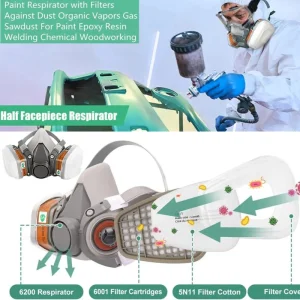
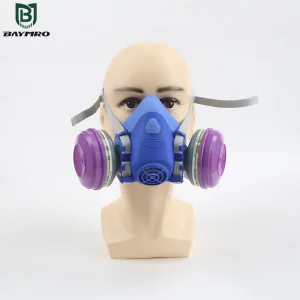
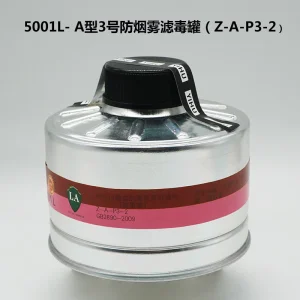
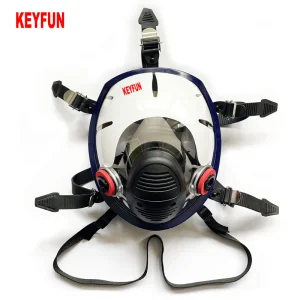
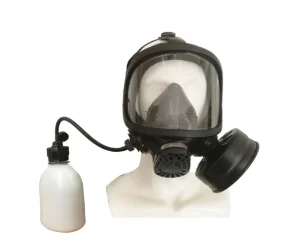
The distinction between disposable civilian face coverings and heavy-duty gas masks is narrowing. We are observing growing demand for hybrid masks: lightweight, semi-disposable active carbon respirators equipped with replaceable filter cartridges. These designs provide the heavy-duty protection of elastomeric half-masks but with the comfort, lightweight profile, and lower price point of disposable options.
Key criteria for procurement managers and supply chain directors importing activated carbon masks.
Ensure your supplier's testing reports are validated by accredited third-party laboratories. For Europe, look for EN 149 (FFP1/FFP2/FFP3) or EN 14387 certifications. For the Americas, ensure the facility holds FDA registrations and appropriate ASTM testing data to guarantee custom clearance runs smoothly.
For large-scale distributors, custom branding, optimized retail packaging, and customized mask profiles (such as boat-shaped, cup-shaped, or folding designs) are key to market positioning. Partner with manufacturers who maintain in-house design, tooling, and private label services.
Ask potential suppliers for their raw material testing protocols. Consistent iodine value, stable carbon distribution density, and uniform air-flow resistance are essential. A supplier with fully automated production lines is much more likely to deliver this consistency.
Answers to common technical, manufacturing, and procurement questions regarding activated carbon face masks.
Take a virtual tour of the Zhejiang DrSharpe Health manufacturing facility and see our production lines in action.
High-performance full-face masks, multi-layer carbon shields, and replaceable canisters for environments with chemical hazards.