DrSharpe Health
DrSharpe Health
DrSharpe Health
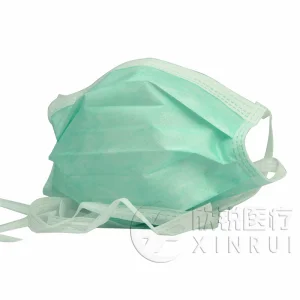
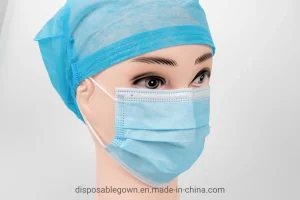
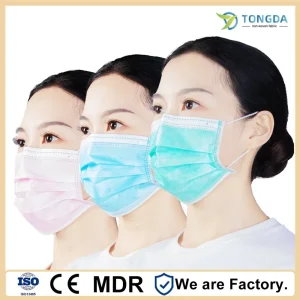
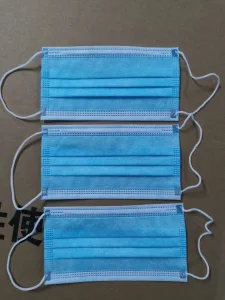
High-filtration solutions specifically configured for Bolivia's public clinical networks and private health departments.
Bolivia's medical consumables market is undergoing rapid modernization. Guided by the Sistema Único de Salud (SUS) initiative, access to primary and specialized healthcare is expanding across both metropolitan centers (La Paz, Santa Cruz de la Sierra, Cochabamba) and remote provinces. Because domestic production of specialized medical-grade meltblown and non-woven fabric remains limited, Bolivia heavily relies on international manufacturers that can guarantee both quality compliance and logistical continuity.
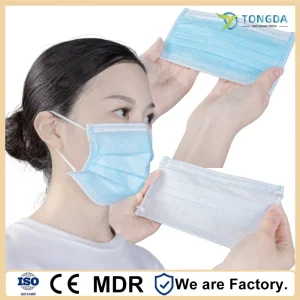
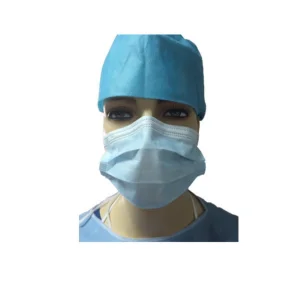
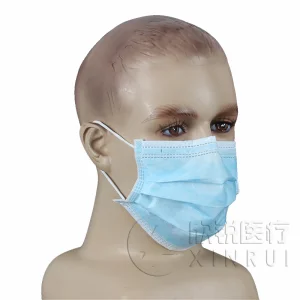
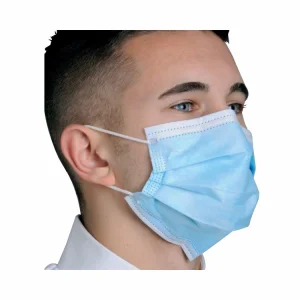
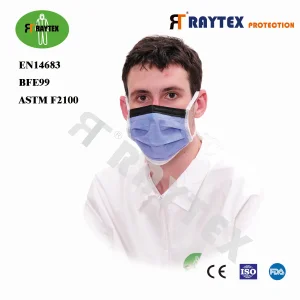
Regulatory compliance governed by the State Agency for Medicines and Health Technologies (AGEMED) dictates strict adherence to global safety protocols. The demand for surgical face masks has evolved from basic physical covers to high-efficiency barrier technologies (EN14683 Type IIR and ASTM F2100 Level 3). As a trusted global exporter, Zhejiang DrSharpe Health Co., Ltd. fills this gap by streamlining custom clearances and meeting strict AGEMED registration prerequisites.
Logistical Advantage: Despite Bolivia's landlocked geography, we offer seamless sea-to-land transit paths utilizing the port of Arica (Chile) and transit channels straight to La Paz and Santa Cruz customs depots.
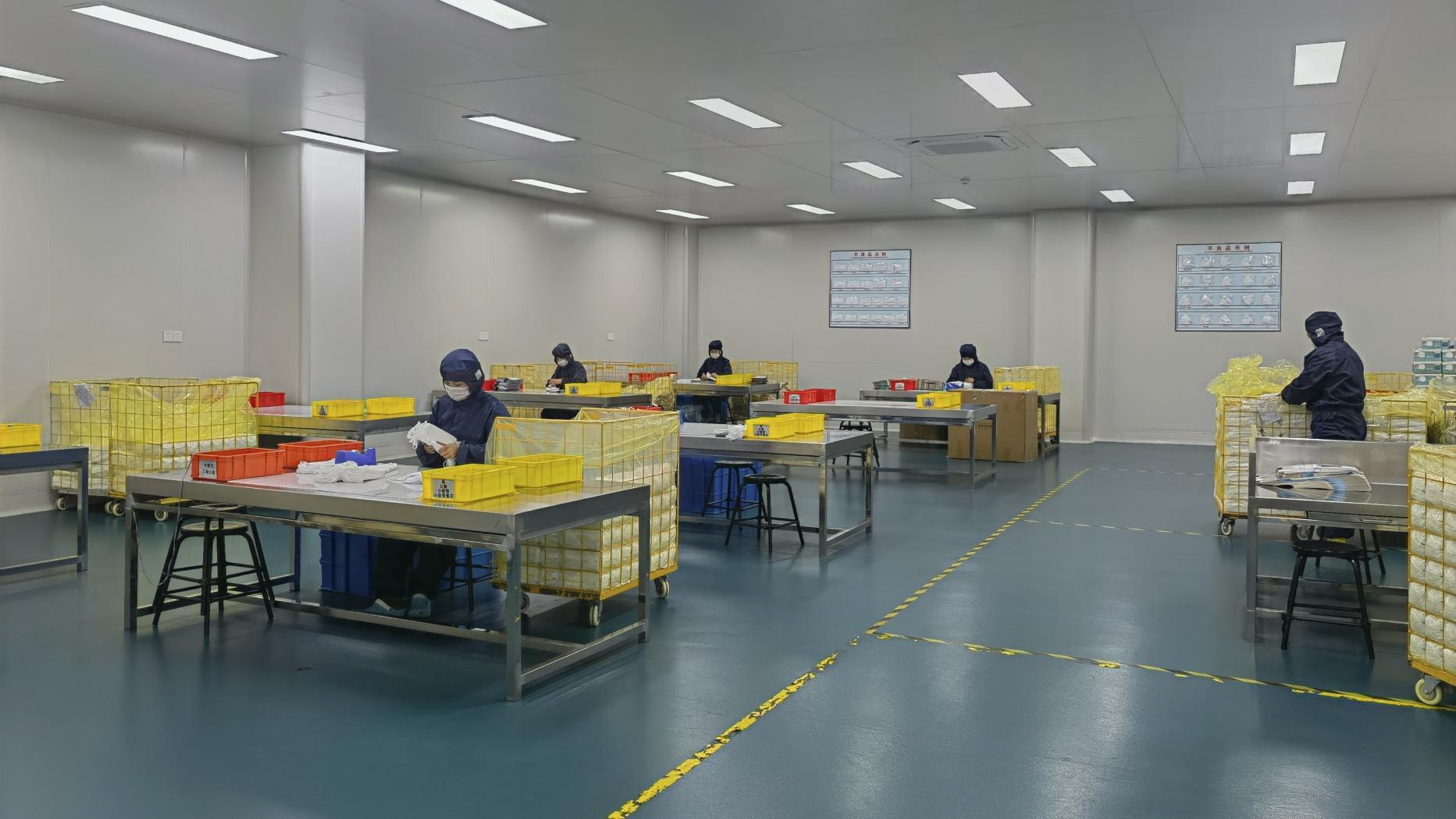
Zhejiang DrSharpe Health Co., Ltd. manufactures in cleanroom environments operating under ISO 13485 quality systems. Each batch of surgical face masks is tested for Bacterial Filtration Efficiency (BFE ≥ 99%), Differential Pressure (breathability), and Fluid Resistance to ensure reliable barrier defense for frontline workers.
Standard masks often fail under regional extremes. We optimize our face mask specifications for three specific Bolivian operational environments.
In cities like La Paz (3,640 meters) and El Alto (4,150 meters), atmospheric pressure is low, meaning reduced oxygen partial pressure. Standard surgical masks with high airflow resistance can make breathing difficult for staff during long shifts. DrSharpe masks utilize an advanced meltblown layer that achieves BFE ≥ 99% with a low differential pressure (Delta P < 40 Pa/cm²), enhancing breathability without compromising protection.
Bolivia’s industrial heartlands in Potosí, Oruro, and parts of La Paz demand protective wear for support crews operating near mining worksites. While industrial respirators handle heavy dust, support staff, administrative blocks, and clinical units require disposable masks that resist particulate contamination. Our 3-ply structures are utilized as a baseline hygienic barrier for non-hazardous support zones.
In low-altitude, high-humidity regions such as Santa Cruz de la Sierra and Beni, humidity causes standard masks to saturate quickly, degrading their electrostatic filtration charge. Our EN14683 Type IIR masks feature a splash-resistant outer layer (120 mmHg fluid resistance) that prevents environmental moisture absorption, keeping the electrostatic filter layer dry and functional.
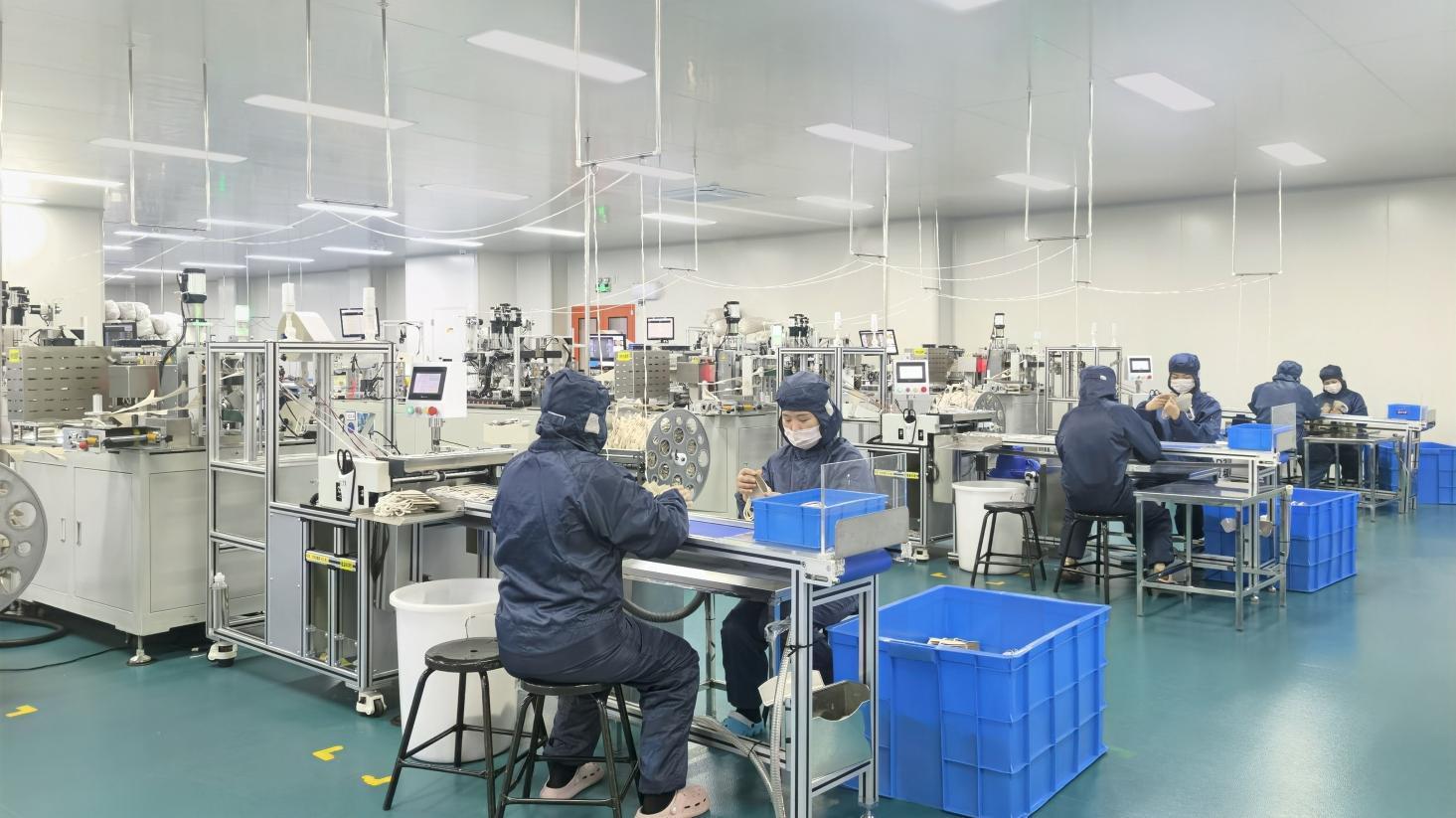
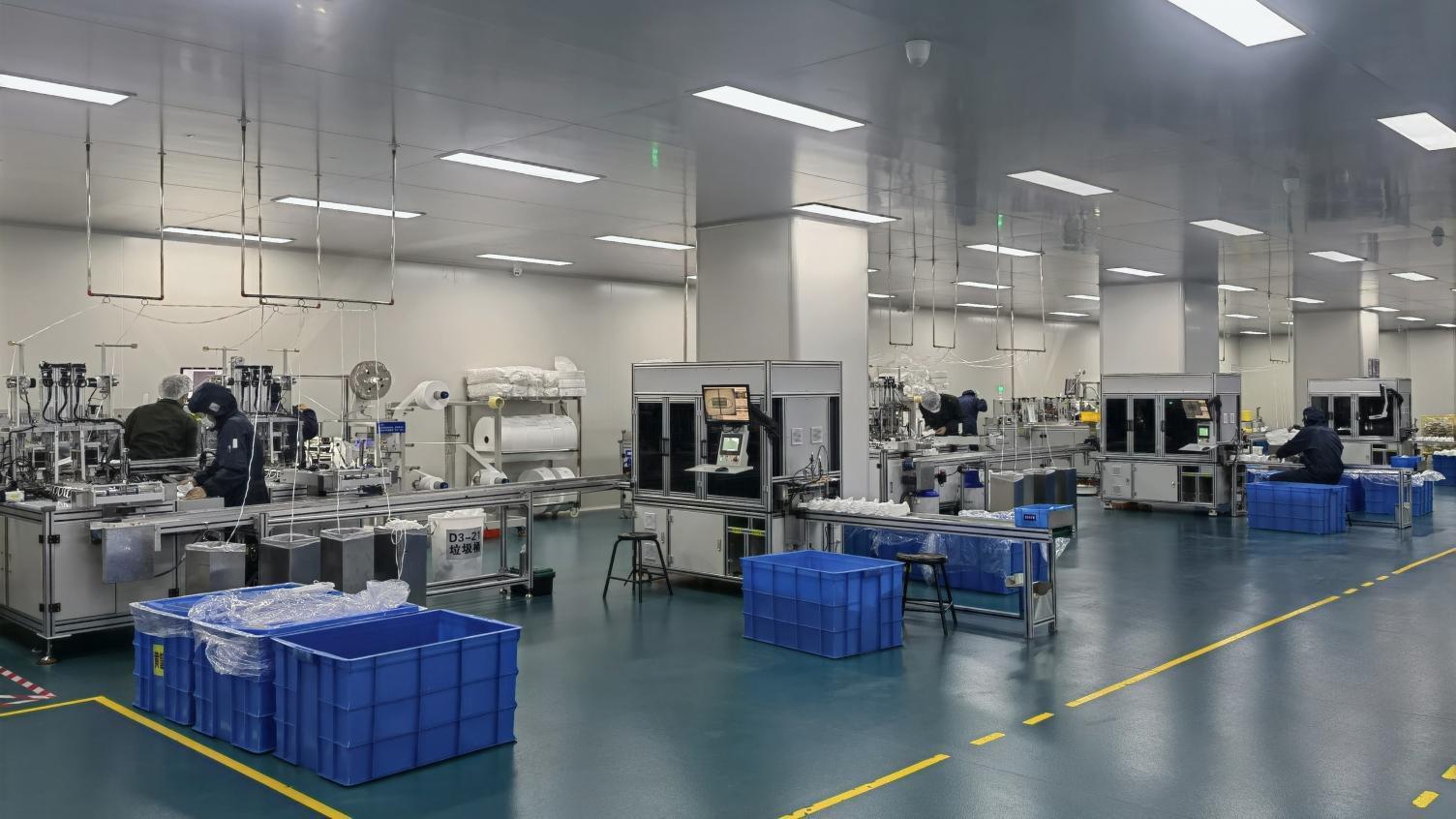
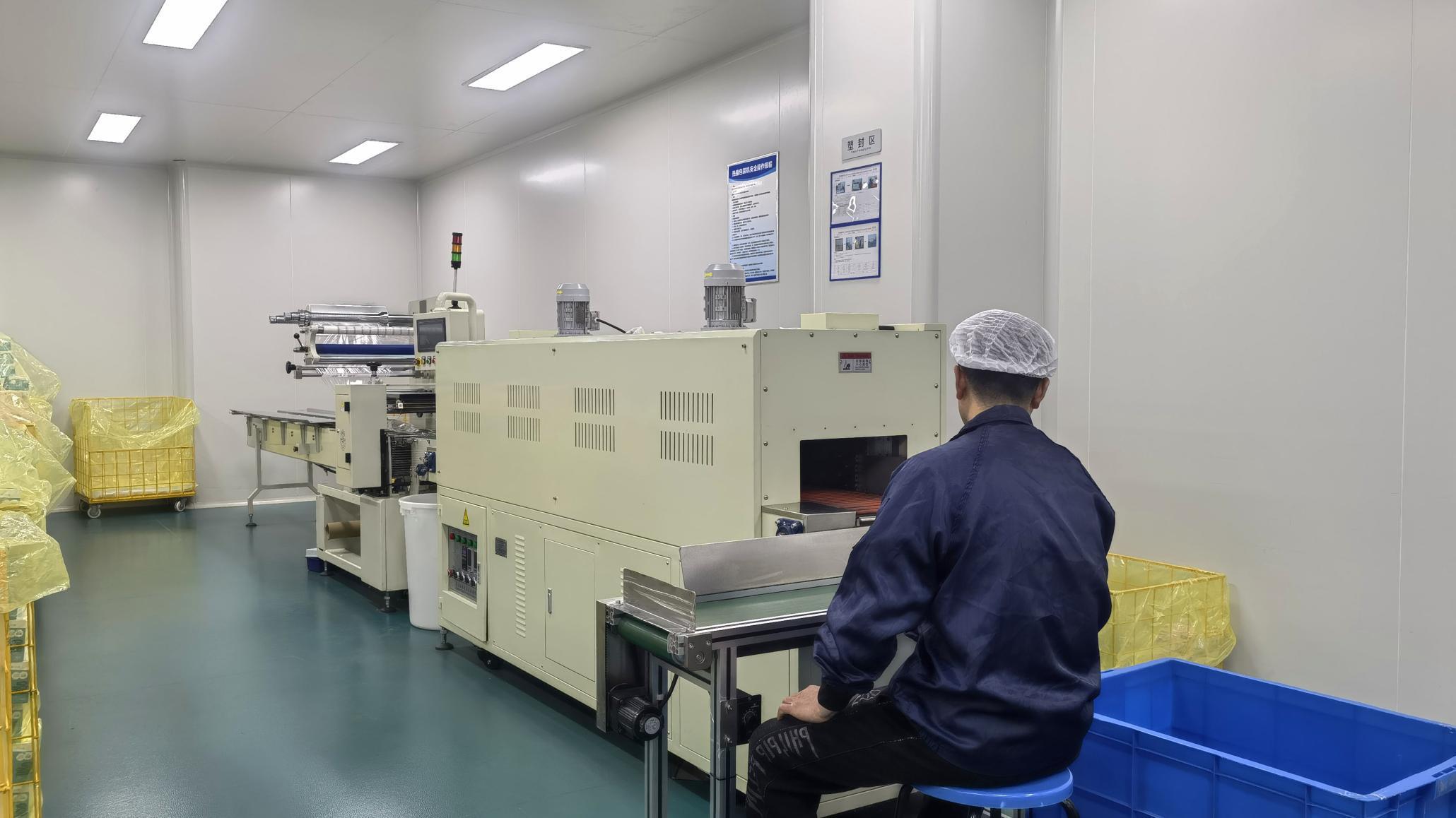
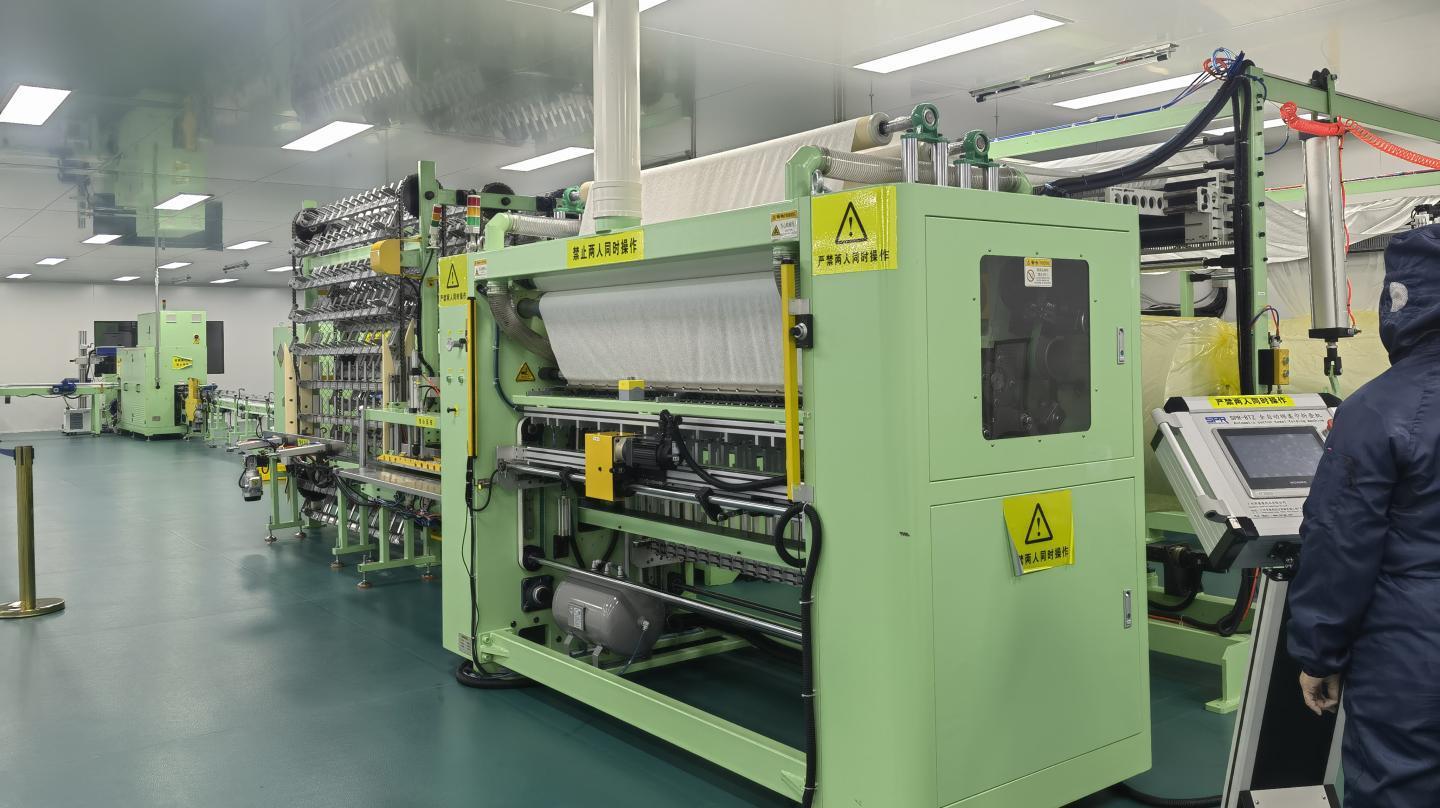
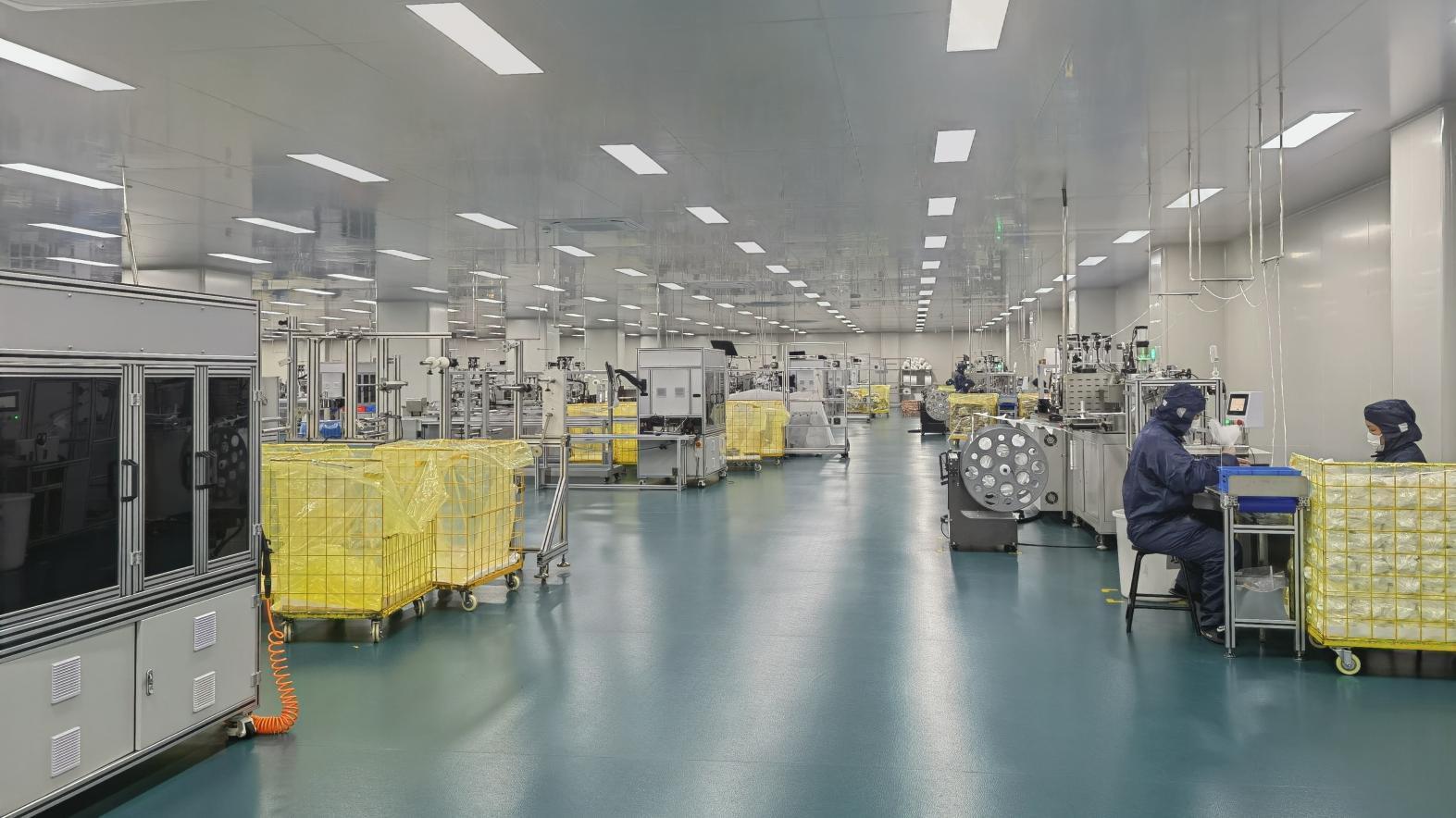
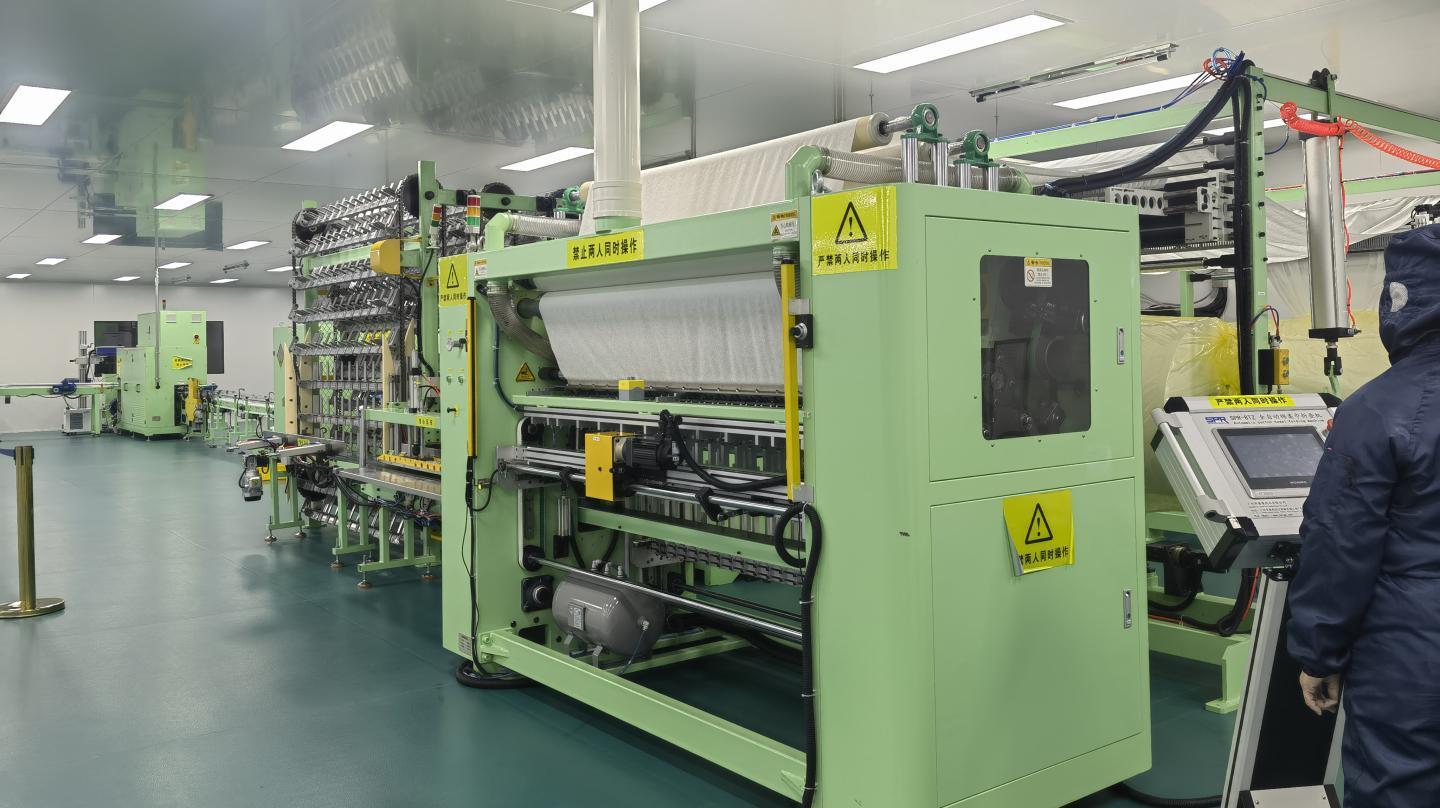
Zhejiang DrSharpe Health Co., Ltd. operates state-of-the-art cleanrooms and automated systems designed for scale, quality, and supply continuity.
Operating 5 fully automatic mask production machines and 12 semi-automatic mask production machines, our manufacturing plant achieves an output that guarantees stable delivery times for high-volume orders. Unlike smaller converting operations, we execute rigorous quality checks on incoming raw materials, including verifying meltblown polymer density and inspecting spunbond non-woven tensile strength.
By consolidating our production in Zhejiang’s advanced logistics hub, we maintain rapid turnaround times for ocean freight. This allows us to dispatch container-load orders to ports in South America efficiently, helping clients minimize lead times during high-demand cycles.


How medical protective textiles are adapting to environmental and health concerns in South America.
Standard meltblown filters rely on an electrostatic charge to catch fine particulates. Over time, moisture from exhalation degrades this charge, reducing filtration efficiency. DrSharpe's technical roadmap includes developing electrospun nanofiber web structures. These layers filter particulates mechanically rather than electrostatically, maintaining stable filtration rates even during extended use in high-humidity zones.
Single-use plastic waste is a growing environmental challenge in sensitive ecological regions, such as Bolivia's Altiplano and the Salar de Uyuni basin. Our R&D department is actively testing polylactic acid (PLA) and other bio-based non-woven alternatives. The goal is to produce surgical masks that break down in industrial composting systems while maintaining medical-grade protection.
We are refining our composite materials to lower airflow resistance to under 25 Pa/cm² while preserving BFE standards. This advancement is aimed at high-altitude regions in the Andes, helping to reduce user fatigue for healthcare professionals.
Explore our complete range of certified medical protective solutions. All original URLs and product links are preserved.
Registering imported medical consumables with the State Agency of Medicines and Health Technologies (AGEMED) in Bolivia requires detailed product documentation. Zhejiang DrSharpe Health Co., Ltd. provides comprehensive compliance dossiers, including:
Transporting high-volume medical products to Bolivia requires reliable logistics routing. Because Bolivia is landlocked, imports typically enter through regional hubs. We manage the following transport pathways:
The Pacific Route (via Chile): Shipments exit Ningbo or Shanghai port, cross the Pacific to the Port of Arica or Port of Iquique in Chile, and are then trucked overland across the border to La Paz, Oruro, or Cochabamba. This route is typically the fastest and most cost-effective path.
The Atlantic Route (via Brazil): For destinations in eastern Bolivia, such as Santa Cruz de la Sierra, we coordinate shipping to Brazilian ports like Santos or Paranaguá, followed by rail or road transit to Santa Cruz.
Find answers to common questions about purchasing and importing our surgical masks into the Bolivian market.
Yes. Our surgical masks comply with EU standard EN 14683 (Type II and Type IIR) and US standard ASTM F2100 (Level 2/3). We provide the necessary documentation, including ISO 13485 and CE certificates, to assist with AGEMED registration in Bolivia.
Our standard MOQ for direct factory export is 100,000 units. For customized packaging (Spanish labeling), the MOQ is typically one 20ft container (approx. 800,000 to 1,000,000 masks, depending on packaging specifications).
We use low-resistance, high-density meltblown polypropylene. Our masks maintain a differential pressure (ΔP) below 40 Pa/cm², providing comfortable breathing even in thin-air environments while maintaining a filtration efficiency of ≥99%.
For shipments to Santa Cruz, we recommend routing through the Port of Arica (Chile) and then utilizing overland transport directly to the Santa Cruz customs terminal. This route offers a balance of transit time and shipping cost.
Yes. We offer complete OEM services. You can customize the box design, carton packaging, and printing with your brand, logo, and Spanish instructions to satisfy local market demands and AGEMED regulations.
Zhejiang DrSharpe Health Co., Ltd. delivers certified, high-filtration protective products to support Bolivia's healthcare and industrial sectors. Contact our export sales team for a custom quote or to request product samples.