DrSharpe Health DrSharpe Health

Medical Face Mask Factories & Supplier in the New Zealand Market

Whitepaper: Analyzing Regulatory Frameworks, Industrial Standards, and Strategic Direct-from-Factory Supply Chain Integration for Oceania Healthcare Systems

Executive Summary: The Medical Mask & Respiratory Equipment Supply Chain in New Zealand

In the post-pandemic medical infrastructure, the procurement of Personal Protective Equipment (PPE) and clinical respiratory products in New Zealand has transitioned from emergency procurement to highly standardized, resilient, and quality-driven supply models. Driven by Te Whatu Ora (Health New Zealand), public health networks now place strict performance metrics on bacterial filtration efficiency (BFE), particulate filtration efficiency (PFE), fluid resistance, and biocompatibility. To gain competitive advantage in the Kiwi market, suppliers must understand the intersection of local regulatory parameters, regional distribution logistics, and the advantages of direct-from-factory partnerships.

1. The New Zealand Medical Face Mask Landscape: Commercial & Industrial Dynamics

New Zealand's healthcare system services approximately 5.1 million residents across a highly decentralized geography. Because of the nation's relative isolation in the South Pacific, local distributors and healthcare networks face unique supply chain challenges, including prolonged ocean transit times and higher freight costs. Consequently, New Zealand’s clinical buyers prioritize suppliers who can offer direct container load (FCL) shipping, stable unit economics, and verified compliance certificates before shipment.

The regulatory authority oversight for medical devices in New Zealand is managed by Medsafe, a business unit of the Ministry of Health. All medical masks, surgical barriers, and clinical anesthesia products must be registered on the WAND (Web Assisted Notification of Devices) database before they can be legally distributed. Under the local code, medical-grade masks are categorised based on their barrier properties. The benchmark standard is AS/NZS 4381:2015 (Single-use face masks for use in health care), which classifies masks into three performance levels based on fluid resistance, differential pressure (breathability), and filtration efficiency:

  • Level 1 Barrier: Suitable for general medical clinics, low-fluid diagnostic consultations, and standard patient care (Fluid resistance: 80 mmHg; BFE & PFE ≥ 95%).
  • Level 2 Barrier: Designed for clinical environments with moderate fluid risks, such as general surgical procedures and emergency department triage (Fluid resistance: 120 mmHg; BFE & PFE ≥ 98%).
  • Level 3 Barrier: Engineered for high-risk operating theatres, trauma interventions, and situations where high volumes of blood or bodily fluid splash are expected (Fluid resistance: 160 mmHg; BFE & PFE ≥ 98%).

2. Global Manufacturing Dynamics vs. New Zealand Local Demand

While New Zealand has minimal domestic manufacturing capability for advanced medical non-wovens, it relies heavily on established global production hubs. The global medical mask manufacturing sector is highly integrated, depending on raw material sourcing for key components like high-density meltblown polypropylene, skin-friendly spunbond backings, and high-elasticity polyurethane earloops. Factories like Zhejiang DrSharpe Health Co., Ltd. leverage automated economies of scale to produce consistent protective equipment that exceeds standard requirements, offering a vital cost-reduction bridge for New Zealand health service suppliers.

99%
BFE & PFE Efficiency
AS/NZS
4381:2015 Compliant
17+
Production Lines
WAND
Medsafe Ready

3. Localized Application Scenarios & Demand Outlines in New Zealand

Different commercial sectors within New Zealand command specific configurations of face masks and respiratory delivery systems:

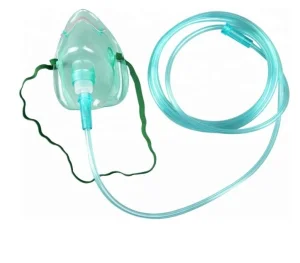
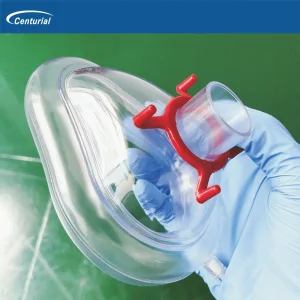
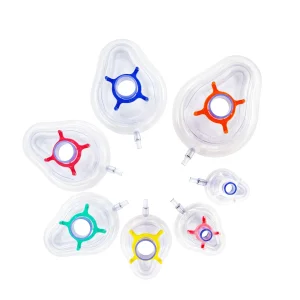
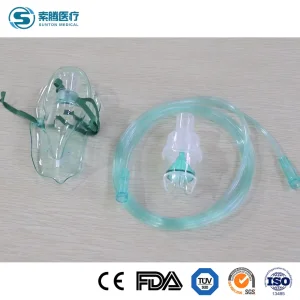
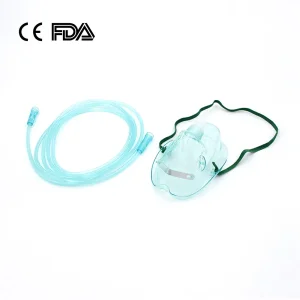
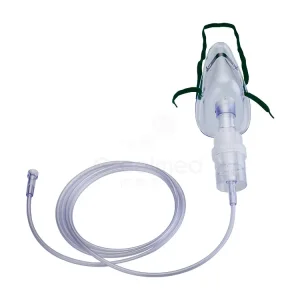
  • Surgical & Acute Care (Te Whatu Ora Districts): The predominant demand centers on 3-ply surgical masks conforming to Level 2 and Level 3 fluid barriers, alongside sterile anesthesia masks and single-use Venturi oxygen kits for urgent respiratory ventilation in emergency wards.
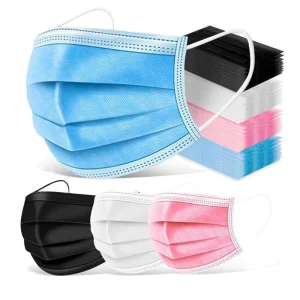
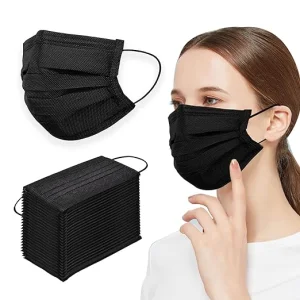
  • Dental & Outpatient Aesthetics: Private dental clinics in Auckland, Christchurch, and Wellington highly prioritize premium styling—such as black medical masks or customized branding—to align protection with patient-facing visual comfort.
  • Agriculture & Forestry: As a primary export nation, New Zealand has large workforces in agriculture, horticulture, and timber. These sectors require durable dust protection respirators that protect workers against organic spores, dust, and particulate chemical sprays (AS/NZS 1716 standards).
  • Beauty & Phototherapy Clinics: A rising market trend in Oceania is phototherapeutic skincare. Medical-grade LED masks utilizing wavelength ranges of 460nm, 520nm, 630nm, and 850nm are in high demand for post-treatment skin healing and photodynamic therapy.

4. Technical Roadmap & Material Science Horizons

The next decade of medical filtration focuses on breathability and biological neutrality. Traditional meltblown polypropylene uses electrostatic charging to trap viruses and bacteria. However, this charge degrades over time when exposed to moisture from respiration. Emerging technical paths include:

  1. Nanofiber Membranes: By utilizing electrospun polymers, factories can achieve high sub-micron particle filtration (PFE ≥ 99%) purely via mechanical capture. This maintains protection levels even during extended wear periods.
  2. Biodegradable Non-Wovens: Recognizing the environmental impact of single-use plastics on New Zealand’s clean, green landscape, researchers are optimizing polylactic acid (PLA) and cellulose-based blends that degrade in industrial composting facilities without leaving microplastic residues.
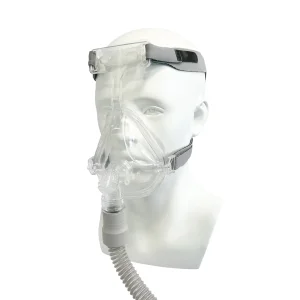
  3. Biocompatible Medical Silicones: Continuous positive airway pressure (CPAP) therapies and surgical anesthesia require high-purity medical silicone. This material must be hypoallergenic, highly conforming to eliminate leaks, and resilient to autoclave sanitization cycles.

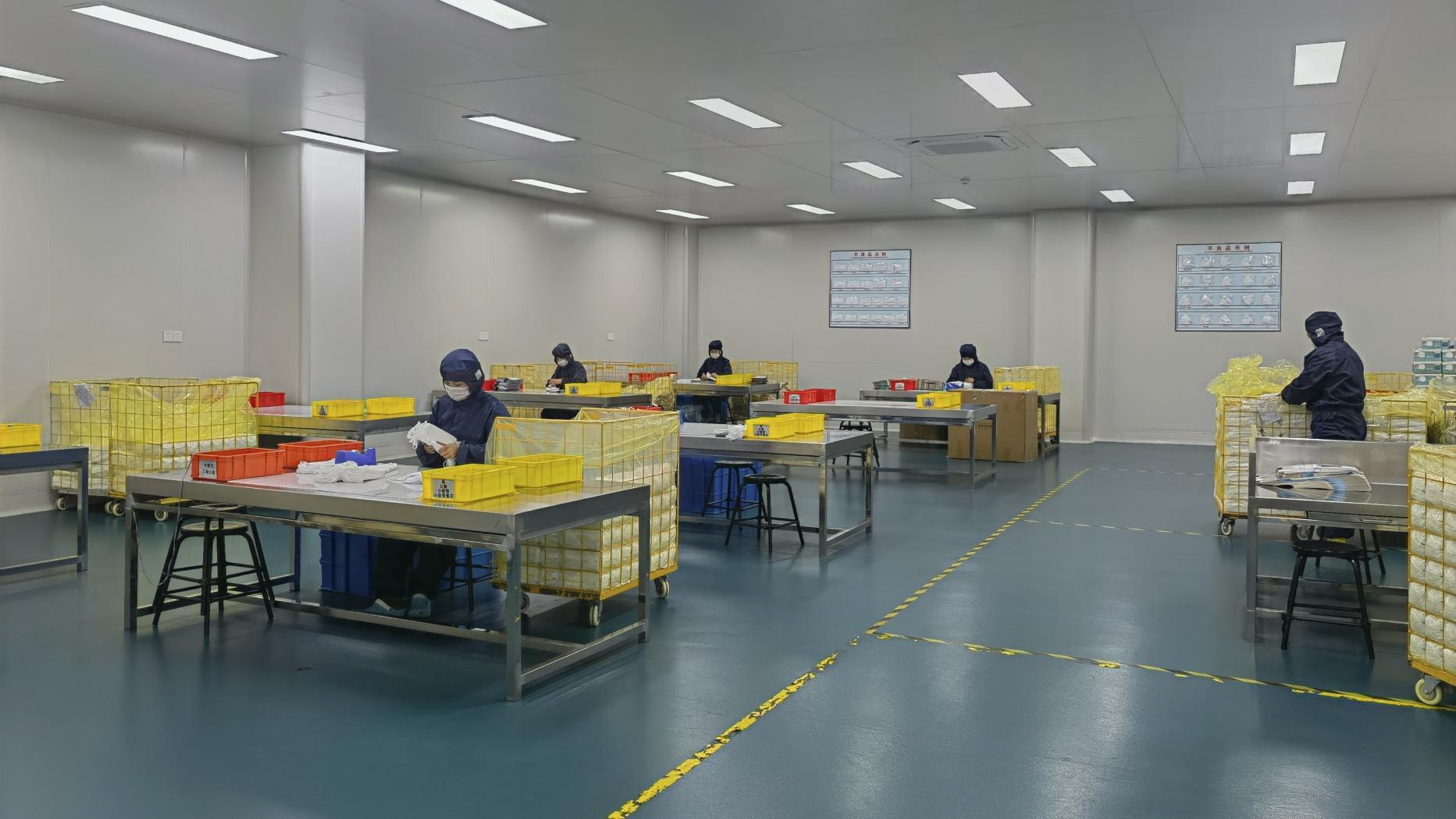
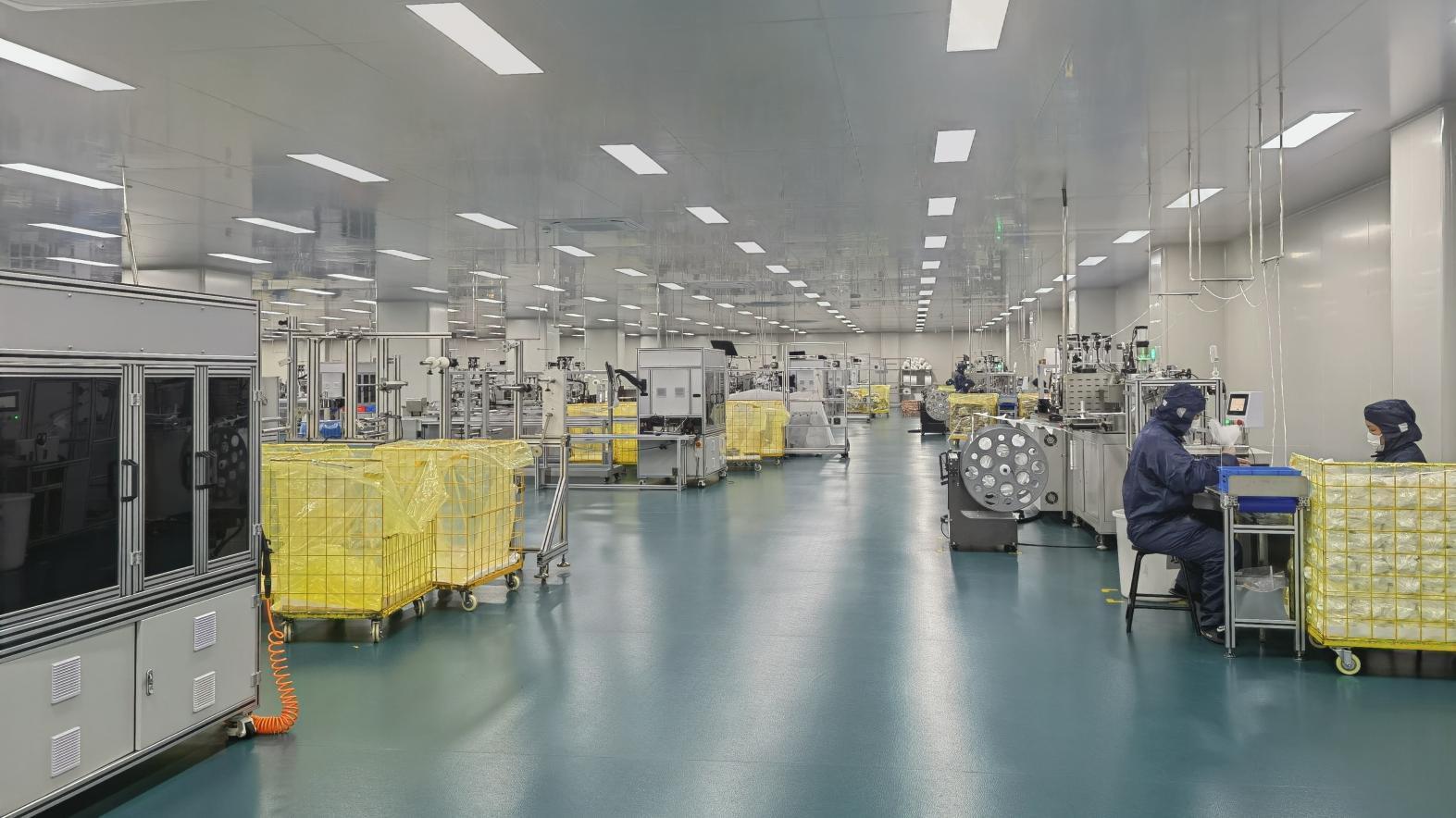
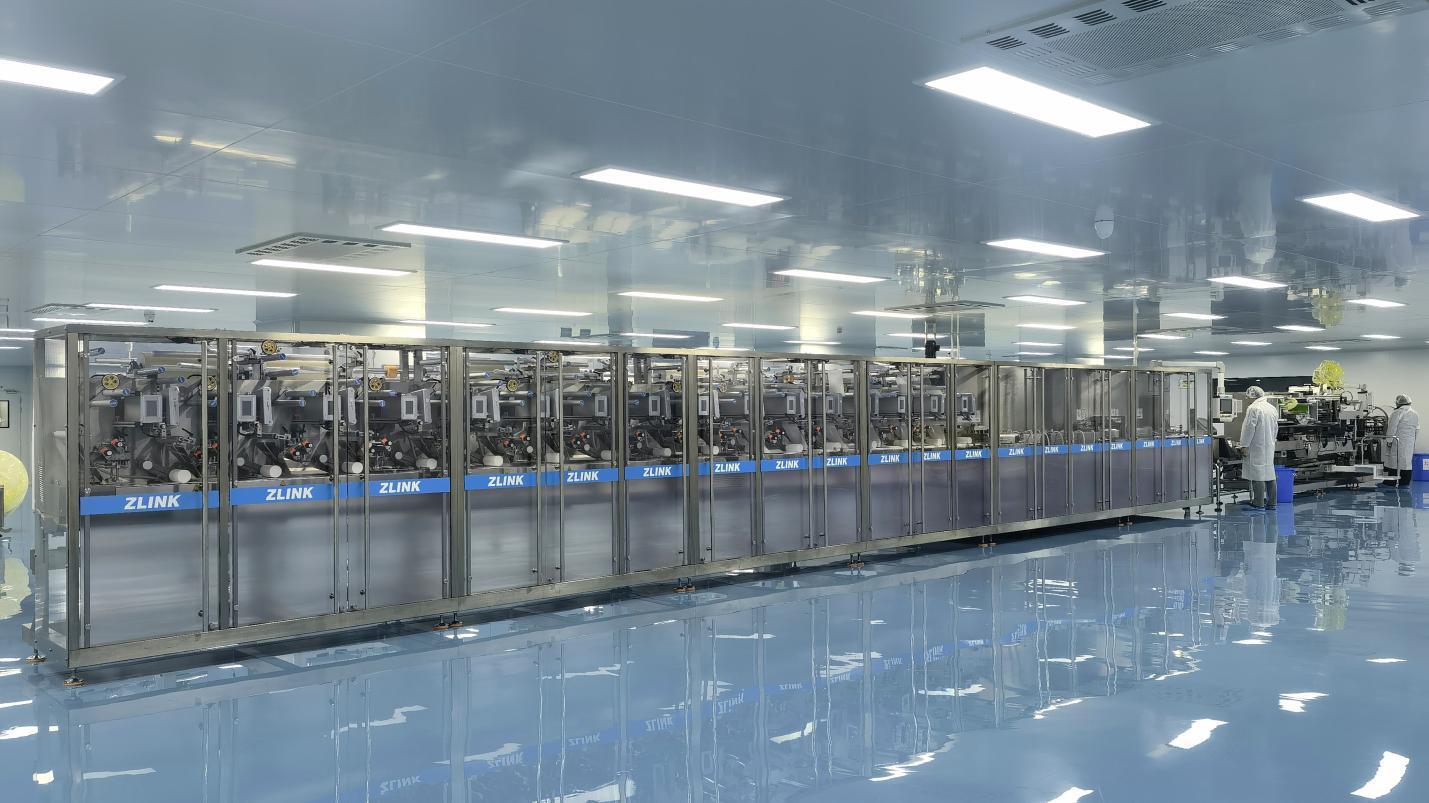
Note on Sourcing Quality: Under Google’s E-E-A-T guidelines, verified manufacturers who host automated production inside ISO Class 8 (Class 100,000) clean rooms provide critical guarantees to global distributors, minimizing biological contamination risks before products are packaged.

About Zhejiang DrSharpe Health Co., Ltd.

Your Trusted Global Manufacturer & Partner for Medical Consumables and Respiratory Products

Zhejiang DrSharpe Health Co., Ltd. is a professional manufacturer and global supplier specializing in disposable medical and healthcare products, especially high-quality face masks and protective solutions.

With strong manufacturing capabilities, advanced production technology, and strict quality management, DrSharpe is committed to providing safe, reliable, and comfortable healthcare products for customers worldwide.

Our factory is equipped with 5 fully automatic mask production machines and 12 semi-automatic mask production machines, supported by an experienced production and service team. From raw material selection to final packaging, we strictly control every production process to ensure stable quality and reliable supply. Our products are widely exported to markets including the United States, Europe, Japan, Mexico, Germany, and the United Kingdom, and we are expanding our supply infrastructure directly to the New Zealand market.

DrSharpe mainly provides disposable face masks and related healthcare products for medical, personal protection, and daily use applications. Using advanced filtration materials, our masks achieve up to 99% Bacterial Filtration Efficiency (BFE) and 99% Particle Filtration Efficiency (PFE), offering excellent protection and wearing comfort. Our products comply with international standards and have obtained certifications including CE, US FDA, and US EUA.
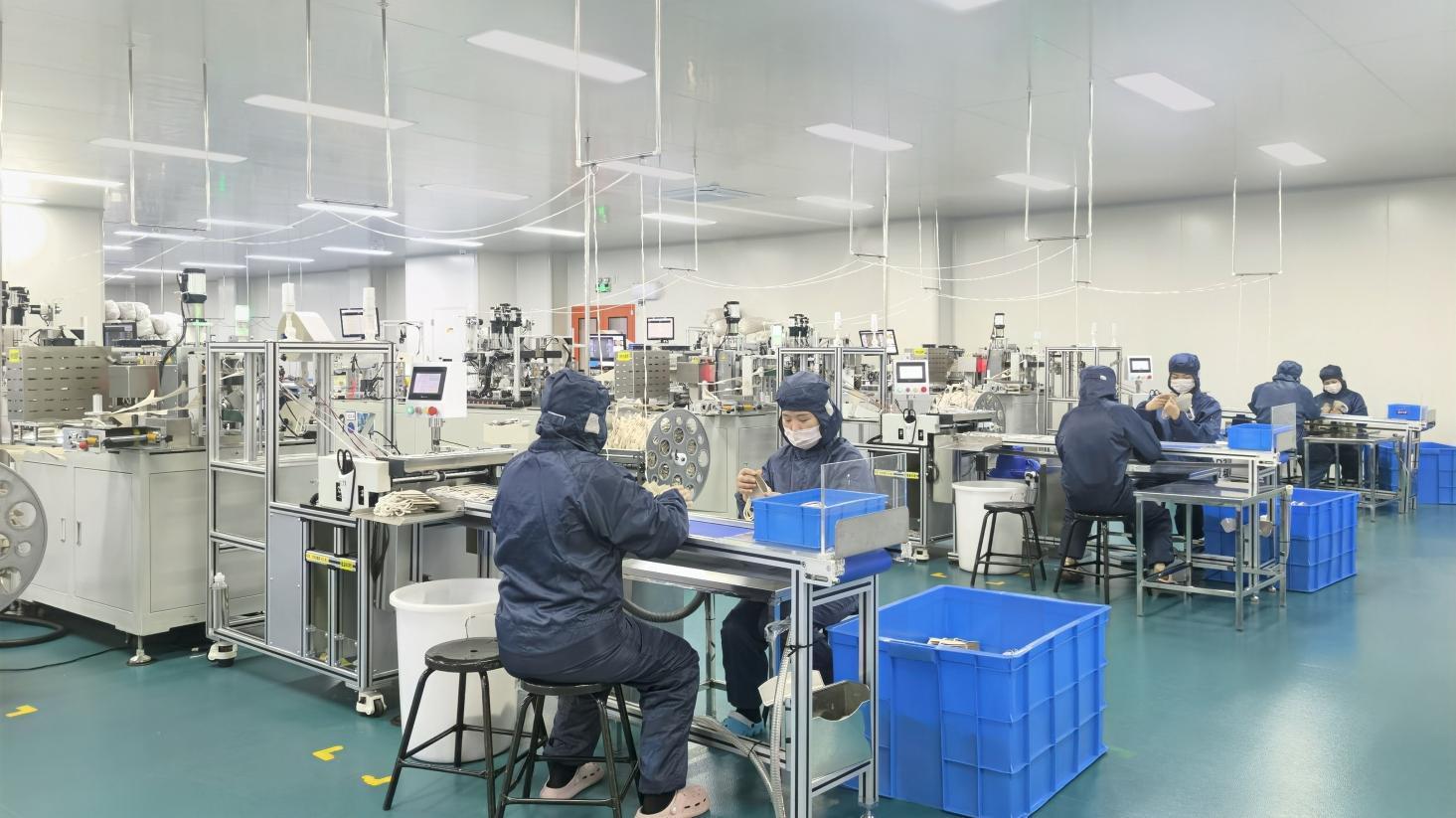
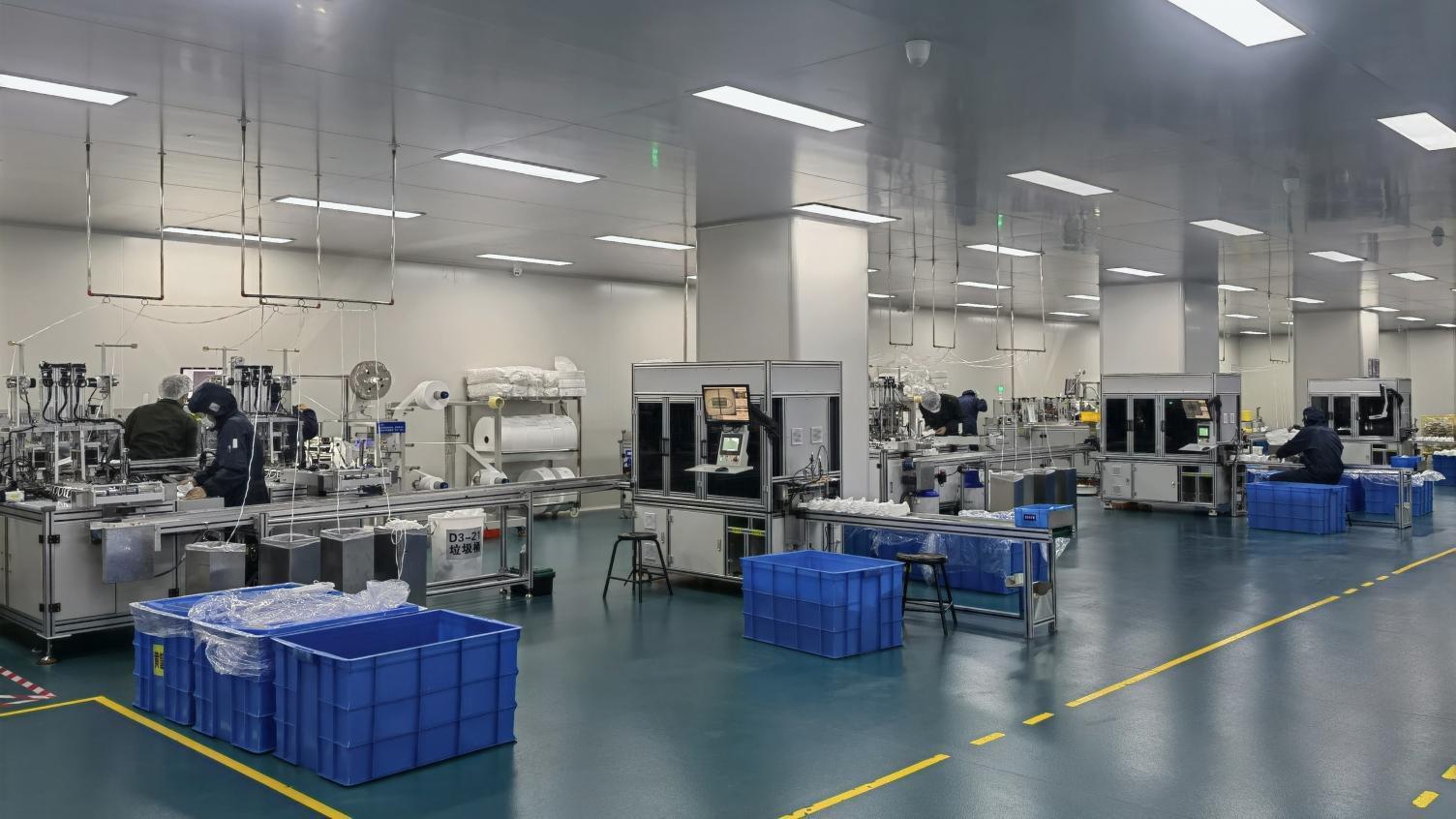
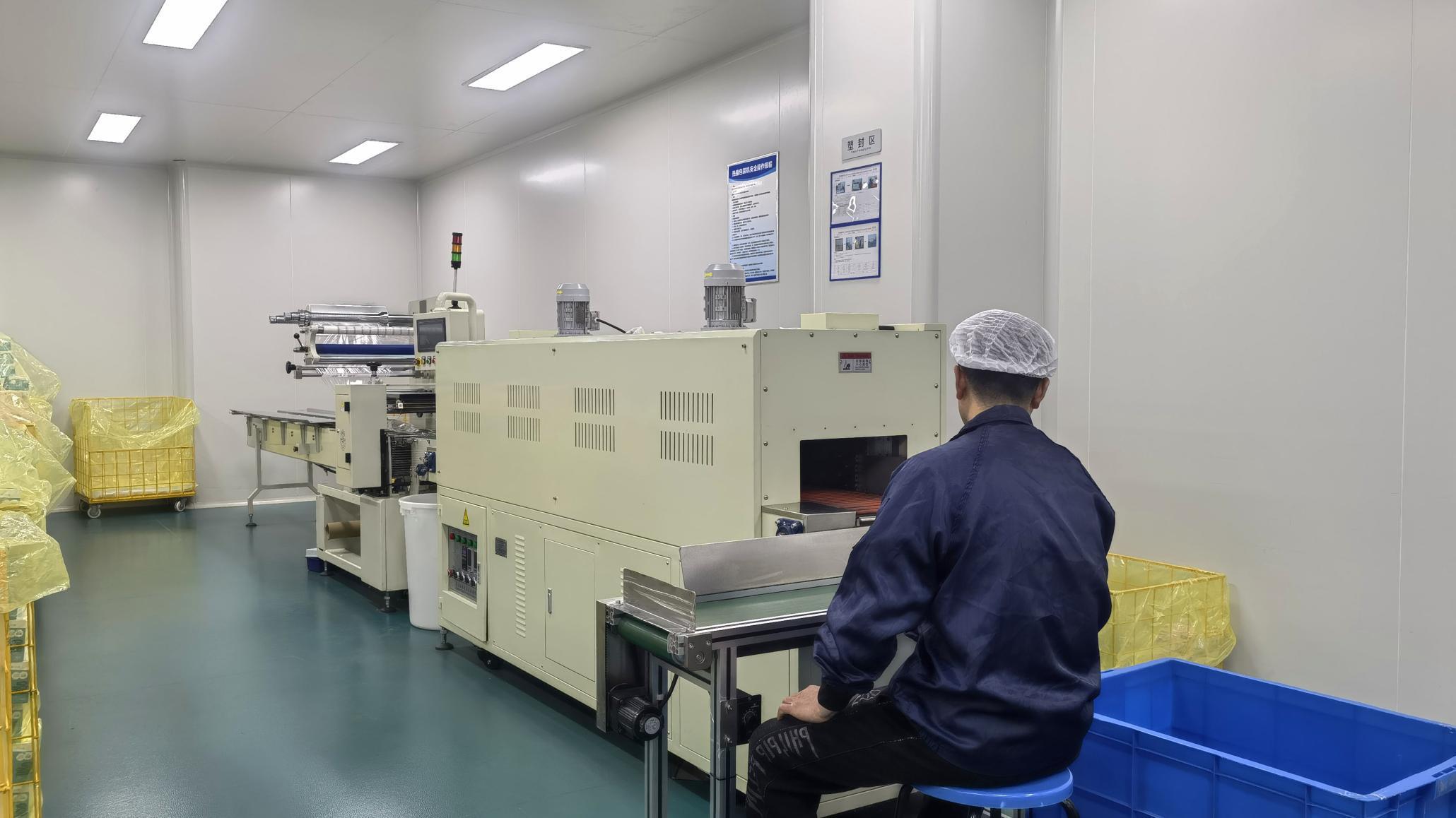
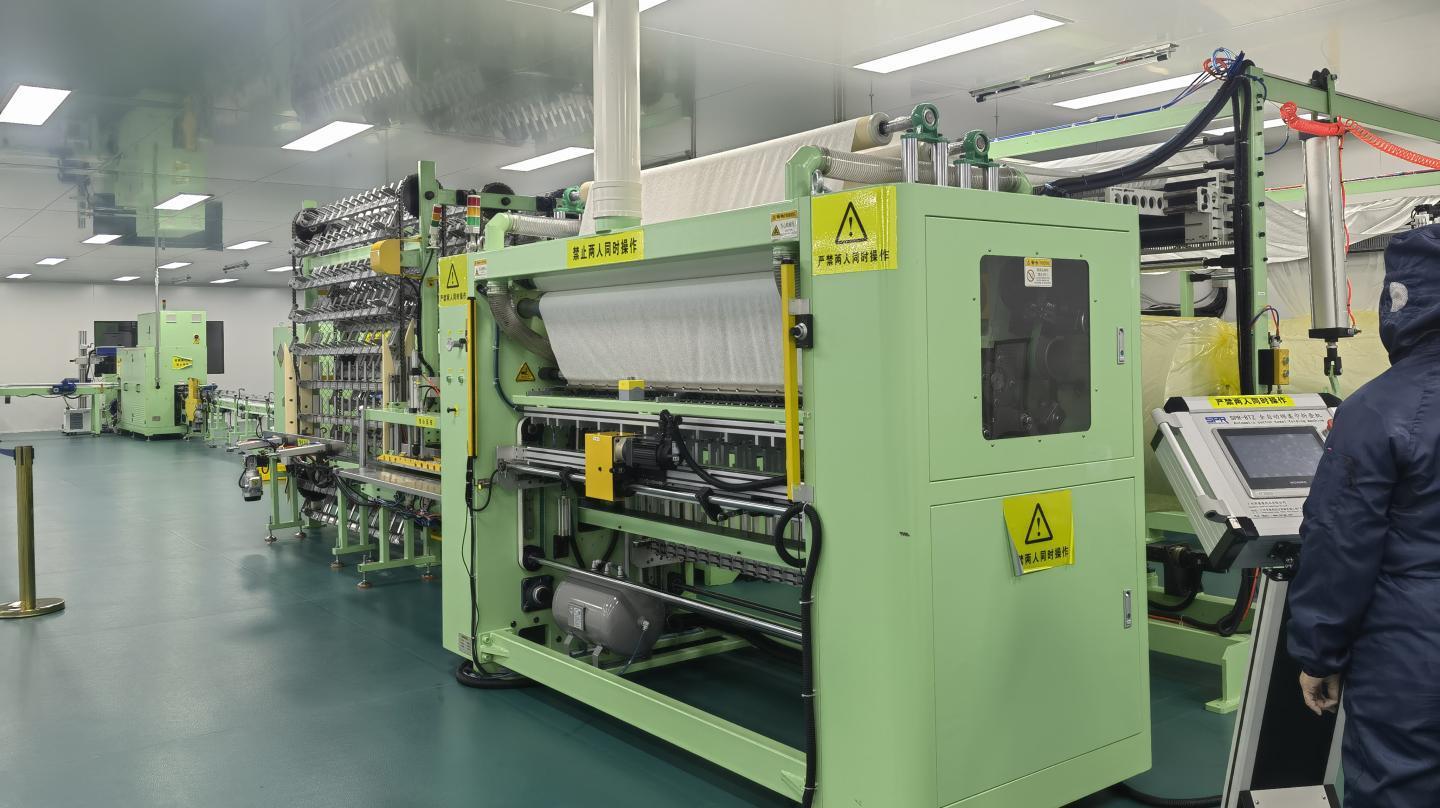
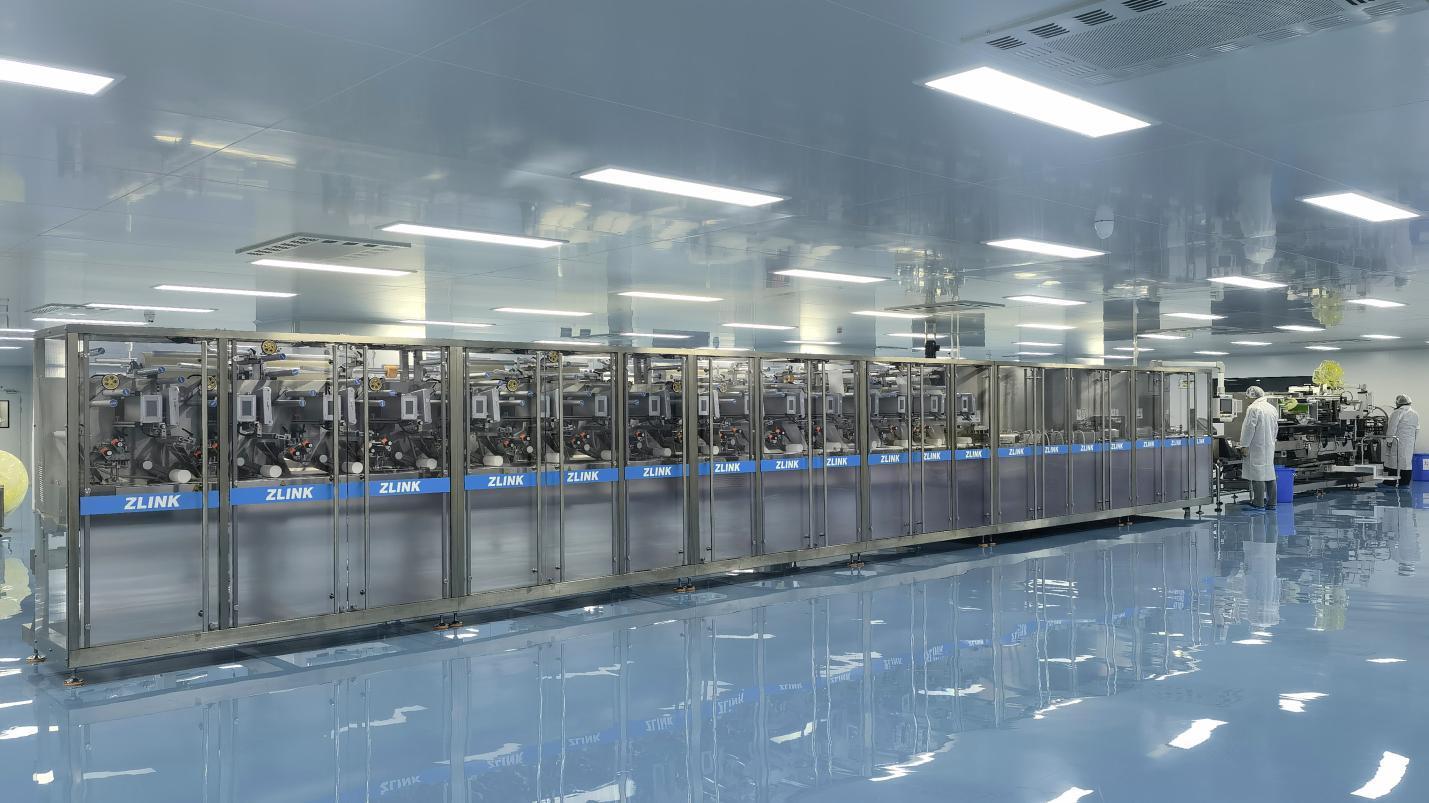
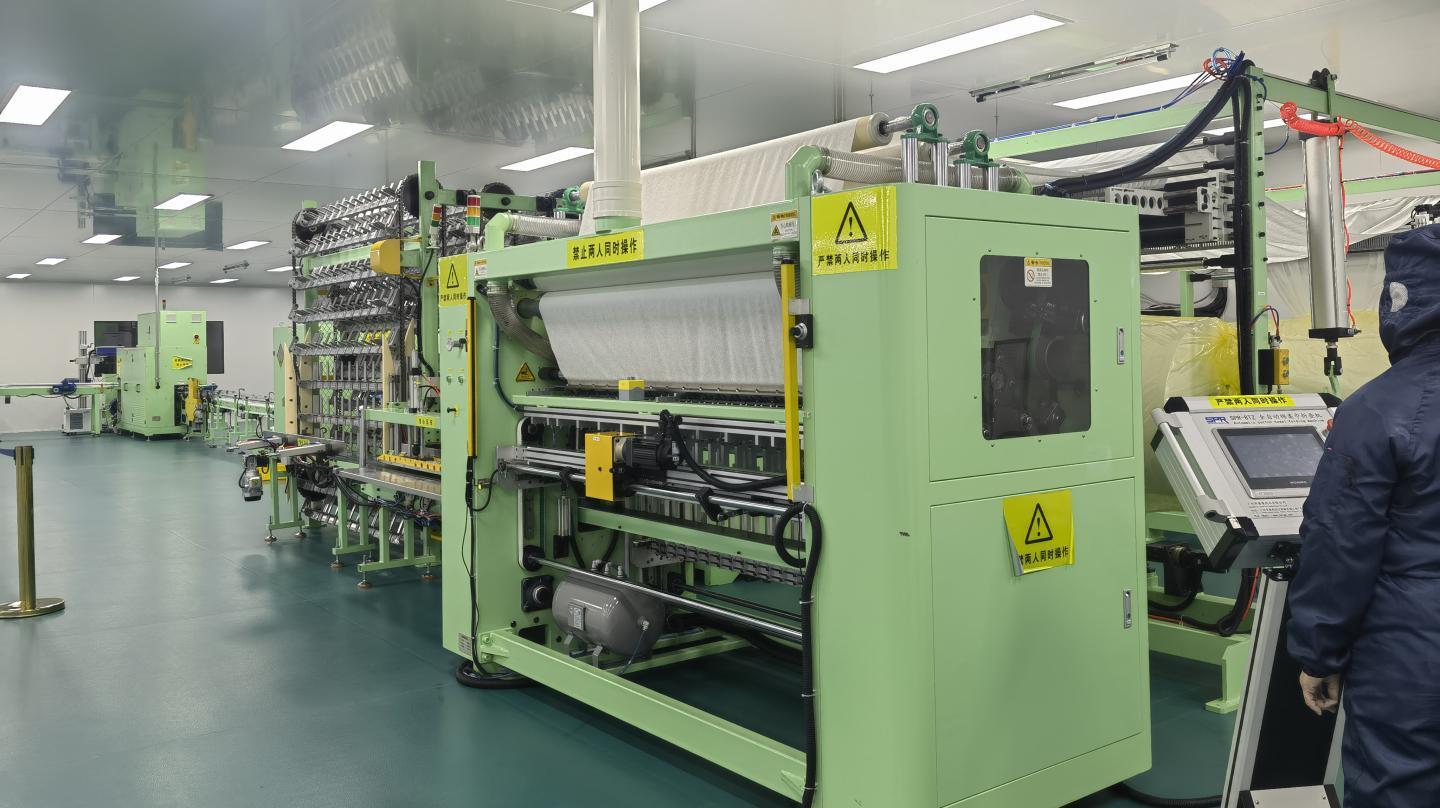
Factory Facility & Production Lines

Non-medical Non-woven Mask Producting 1
Non-medical Non-woven Mask Producting 2
Mask Inspection and Packing 1
Mask Inspection and Packing 2
Dry Tissues Producting
Wet Tissues Producting
Non-medical Non-woven Mask Production Line
Dry Tissues Production Line
Wet Tissues Production Line

Frequently Asked Questions (FAQ)

Understanding Import Regulations, Quality Benchmarks, and Sourcing Operations for the Oceania Region
How does DrSharpe guarantee compliance with Medsafe and WAND registry requirements in New Zealand?
All our medical-grade masks and respiration devices are manufactured under strict ISO 13485 quality systems. We provide comprehensive technical files, including BFE/PFE test reports from accredited third-party laboratories, CE certificates, and FDA notifications, allowing New Zealand importers to rapidly register our devices in the Medsafe WAND (Web Assisted Notification of Devices) database before custom clearance.
What is the difference between Level 1, Level 2, and Level 3 barriers under AS/NZS 4381:2015?
The levels correspond to the degree of fluid resistance: Level 1 offers protection against light fluid pressure (80 mmHg); Level 2 protects against moderate splashes (120 mmHg) typical of clinical consultations and general surgeries; Level 3 is built for high fluid exposure (160 mmHg) in major surgical environments. Our 3-ply masks achieve BFE/PFE ratings exceeding 98%, meeting and exceeding these requirements.
Can we order custom-printed surgical masks with our New Zealand clinic logo?
Yes. We offer robust OEM and ODM services. We can print custom branding, hospital logos, or specialized aesthetic designs on the outer layer of the masks using skin-safe, non-toxic medical pigments that do not interfere with the filtration efficiency or breathability of the raw meltblown fibers.
How are shipments from Zhejiang DrSharpe Health managed to Auckland or Lyttelton ports?
We handle export logistics directly from major Chinese ports, such as Ningbo and Shanghai. We facilitate FOB, CIF, or DDP shipments to all main New Zealand ports including Auckland, Tauranga, and Lyttelton (Christchurch). With 17 active automated production lines, we ensure high order fulfillment rates and offer sea-freight packaging designed to resist humidity during sea transit.
Are medical-grade silicones utilized in the CPAP and anesthesia masks biocompatible?
Absolutely. Our CPAP full face masks and anesthesia masks are constructed from 100% medical-grade silicone. This material has passed ISO 10993 testing for biocompatibility, ensuring it is non-irritating, odorless, and completely latex-free, minimizing allergy risks for patients in New Zealand respiratory wards.