 DrSharpe Health
DrSharpe Health
DrSharpe Health
As Kenya undergoes rapid industrialization across major hubs like Nairobi, Mombasa, and Kisumu, occupational safety guidelines set by the Kenya Occupational Safety and Health Act (OSHA 2007) are becoming more stringent. Industries ranging from agricultural chemical handling, geothermal power extraction in Olkaria, to cement processing and urban mining require reliable particulate filtration. General surgical masks do not suffice when gaseous pollutants, organic vapors, and toxic dust are present.
Zhejiang DrSharpe Health Co., Ltd., as a global leader in high-performance personal protective equipment (PPE), bridges this protection gap. We supply high-efficiency activated carbon masks designed to neutralize both micro-particles and chemical fumes. Our integration of premium charcoal media with advanced electrostatic melt-blown filtration provides unmatched safety to the Kenyan workforce.
Engineered for high filtration efficiency and low breathing resistance, these primary configurations are selected for immediate industrial application.
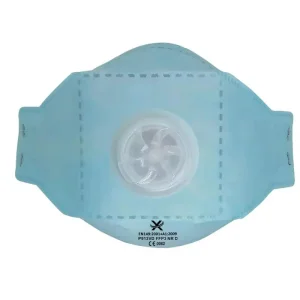
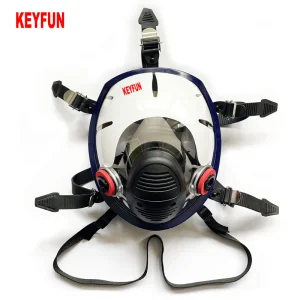
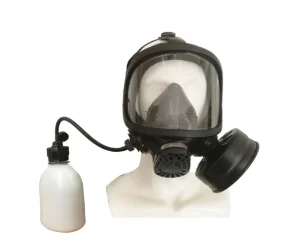
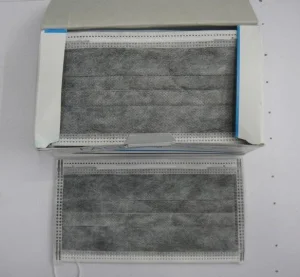
Kenya is currently recognized as the financial and logistical gateway to East Africa. The execution of massive infrastructure development projects, combined with rapid growth in manufacturing output, has highlighted the critical importance of worker health and safety. According to the Directorate of Occupational Safety and Health Services (DOSHS) in Kenya, chemical exposures and airborne mineral dust are leading causes of chronic occupational illnesses.
Specifically, the expanding agricultural sub-sector, including the flower farms surrounding Lake Naivasha, uses heavy pest-control spraying. In these environments, workers require protection against both organic aerosols and pesticide vapors. Similarly, the dry quarrying and construction zones in Athi River generate high levels of silica dust. Standard particulate respirators fail to filter out chemical odors, making activated carbon masks with combined chemical gas filters the optimal choice for these conditions.
Activated carbon is not a simple barrier; it is an active purification system. By heating carbonaceous source materials (such as coconut shells or high-grade coal) to high temperatures in a controlled environment, we create millions of microscopic pores. This process drastically increases the material's surface area. In fact, just 1 gram of high-quality activated carbon has an internal surface area exceeding 1,000 square meters.
The outer spunbond non-woven layers capture larger dust, ash, and particulate matter, preventing premature clogging of the internal high-efficiency filters.
The melt-blown electrostatic micro-fiber layers attract and trap tiny sub-micron pathogens, achieving a particle filtration efficiency (PFE) rating of over 99%.
The active charcoal layer acts like a molecular sponge, capturing volatile organic compounds (VOCs), sour odors, formaldehyde, and toxic gases within its pore structure.
For Kenyan enterprises managing high-risk environments, choosing DrSharpe masks ensures comprehensive protection against both airborne particulate hazards and harmful vapor exposures. This reduces downtime, lowers healthcare liability, and boosts workforce productivity.
A professional manufacturer and global supplier specializing in high-performance health, medical, and industrial respiratory solutions.
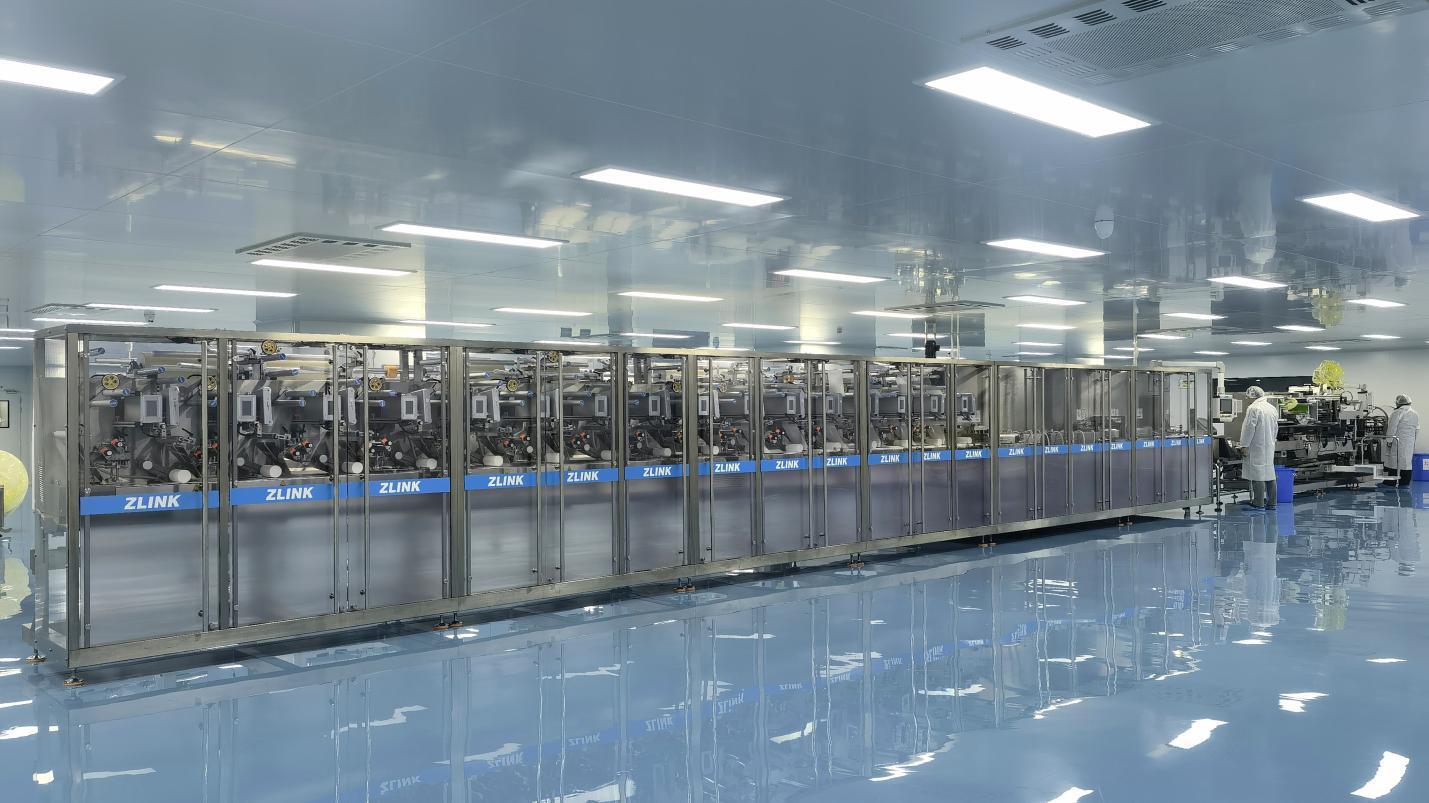
Equipped with 5 fully automatic mask production machines and 12 semi-automatic production systems, DrSharpe operates a highly integrated factory layout. This advanced manufacturing environment allows us to scale production rapidly to fulfill large bulk orders from Kenya and other global markets, including the USA, Europe, Japan, and Mexico.
By enforcing strict quality control protocols from raw material procurement to final sealing and packaging, we ensure every batch meets international standards. Our masks achieve up to 99% Bacterial Filtration Efficiency (BFE) and 99% Particle Filtration Efficiency (PFE). They also comply with strict global safety benchmarks, including CE, US FDA, and US EUA registrations.
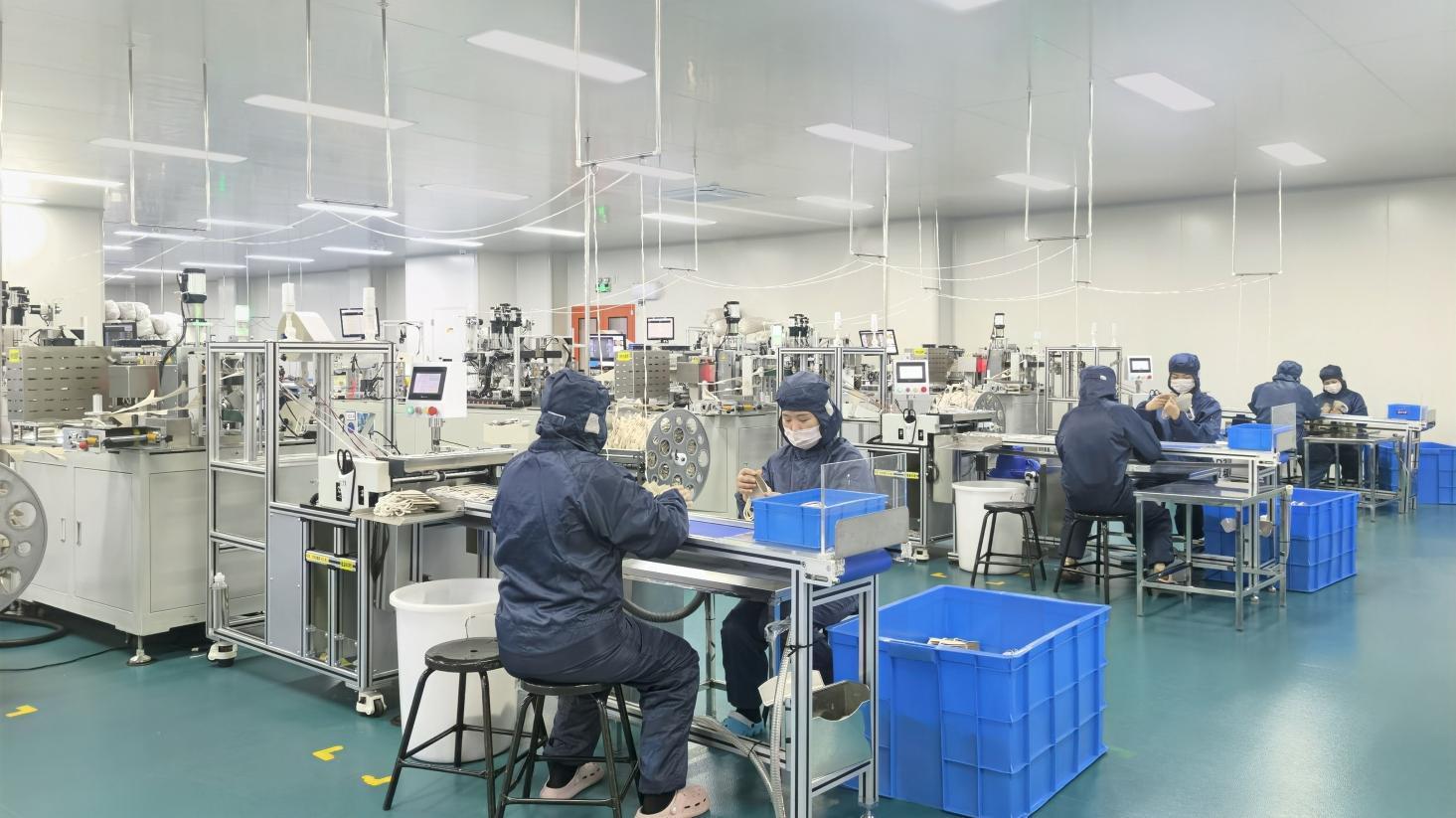
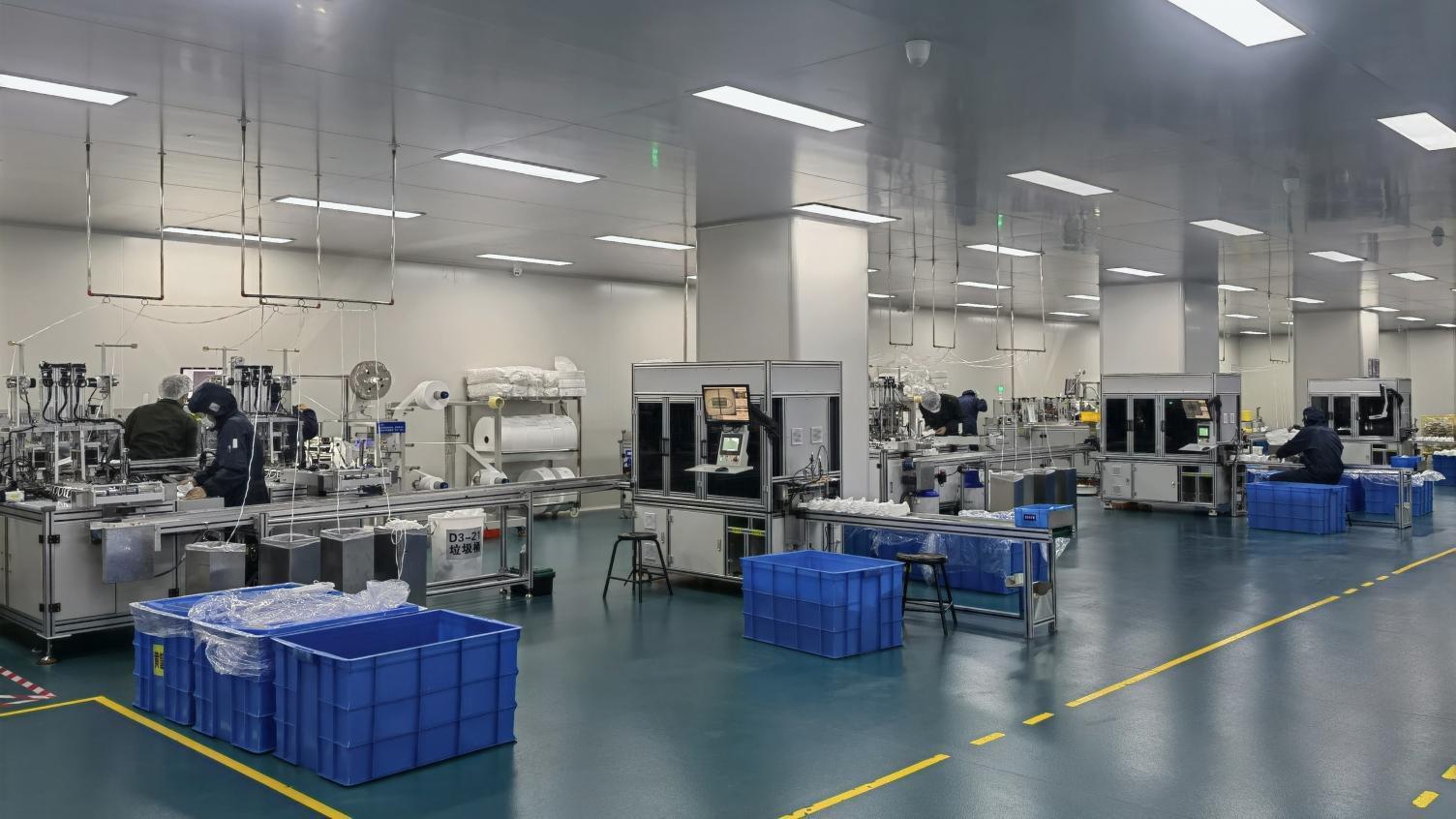
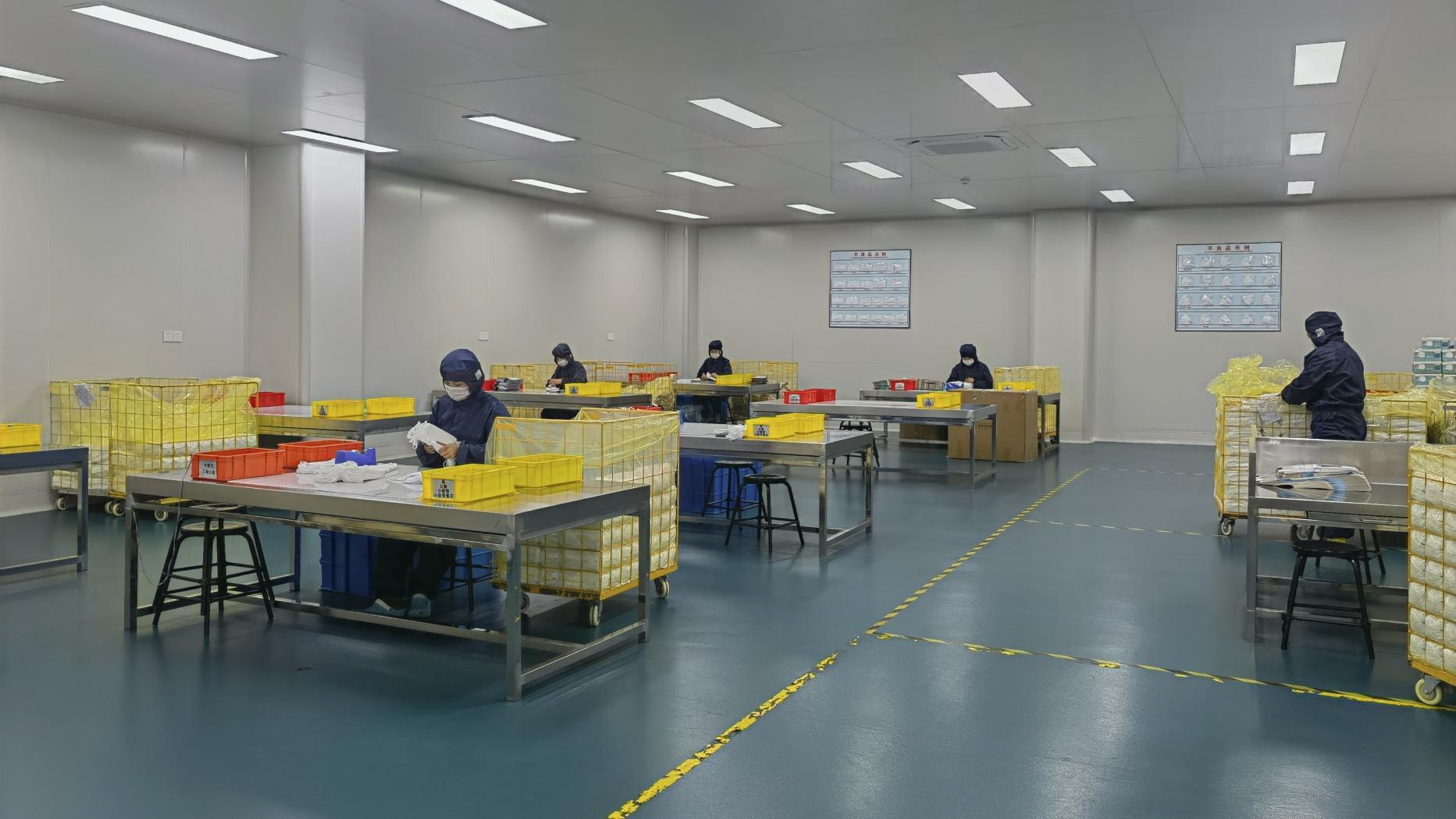
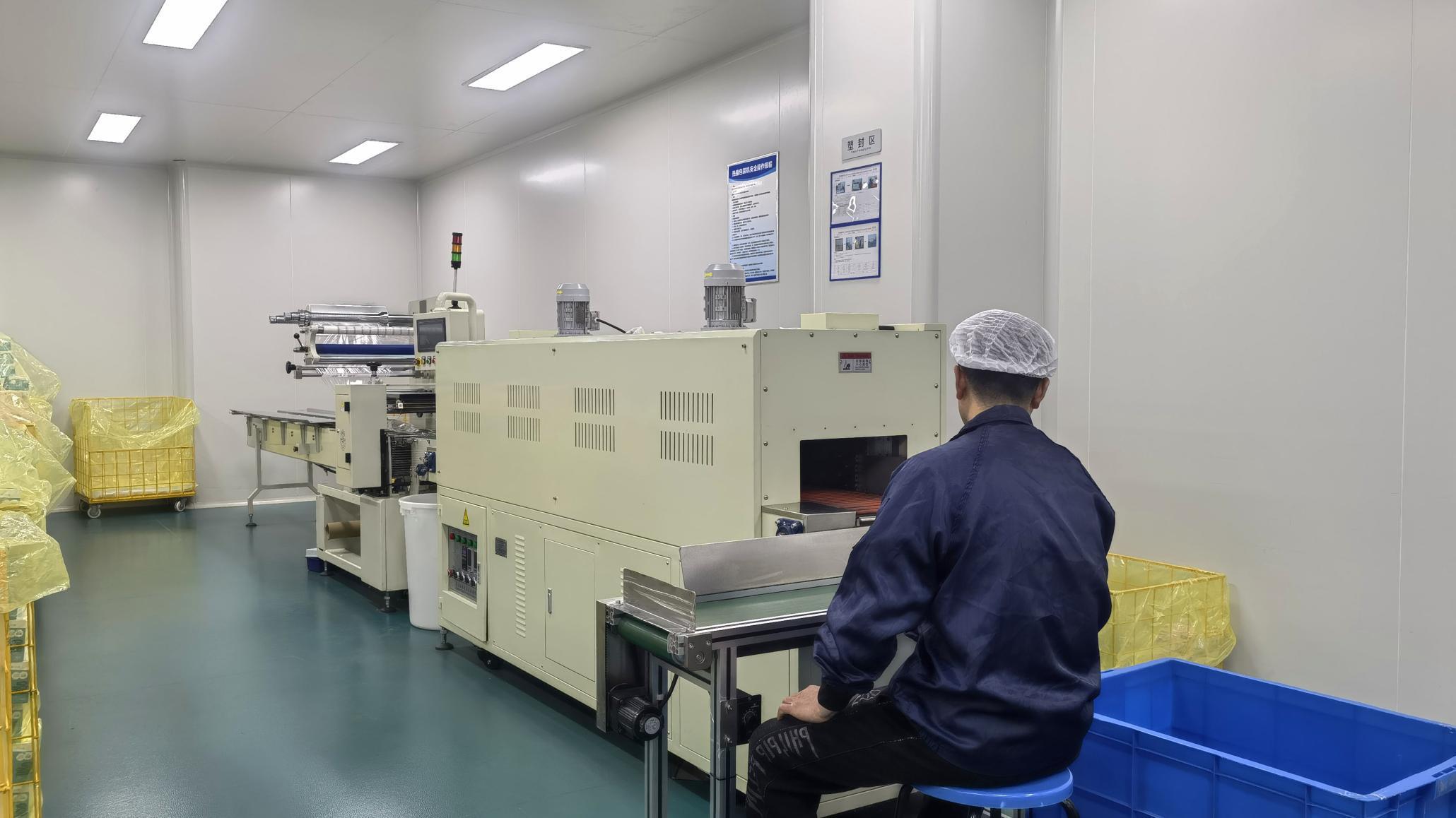
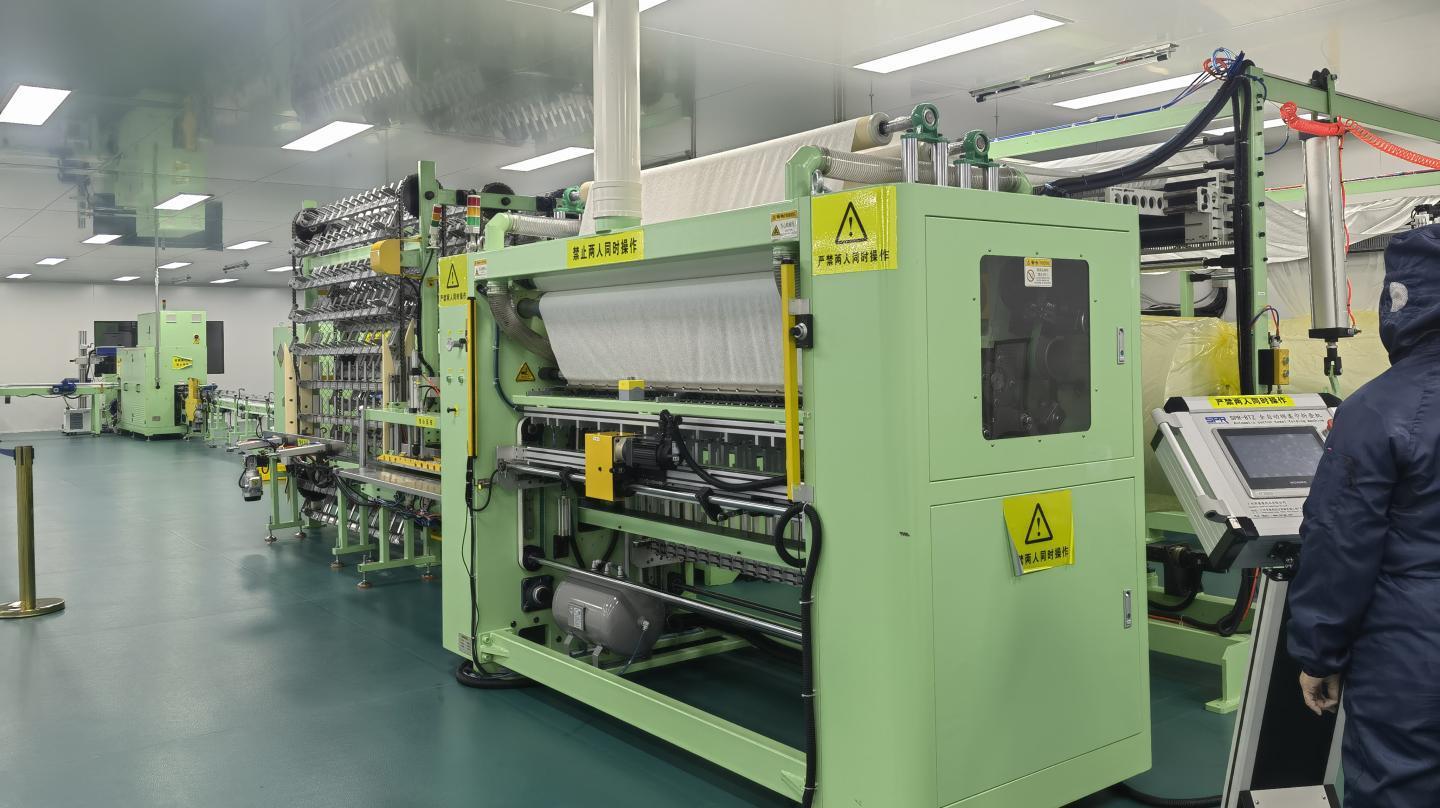
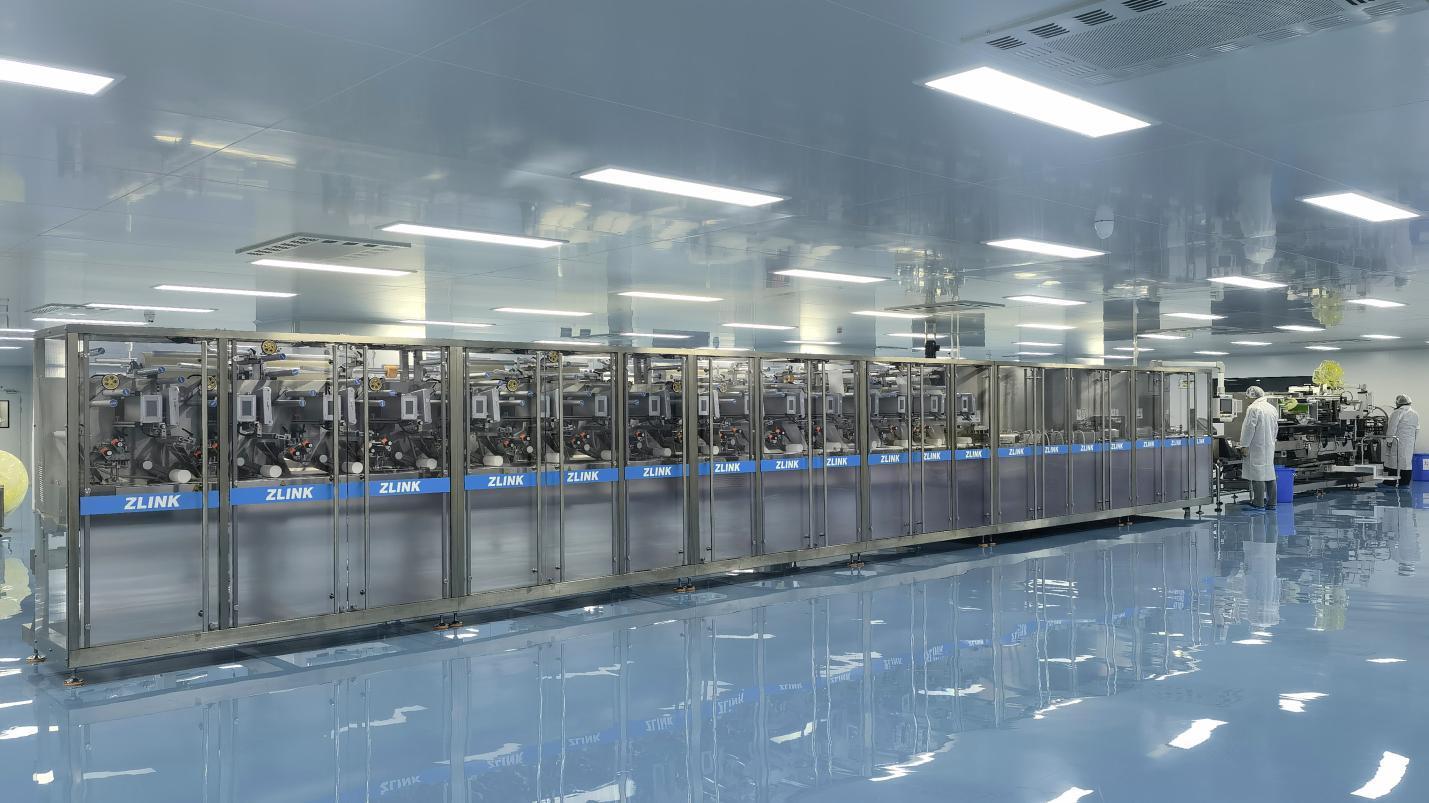
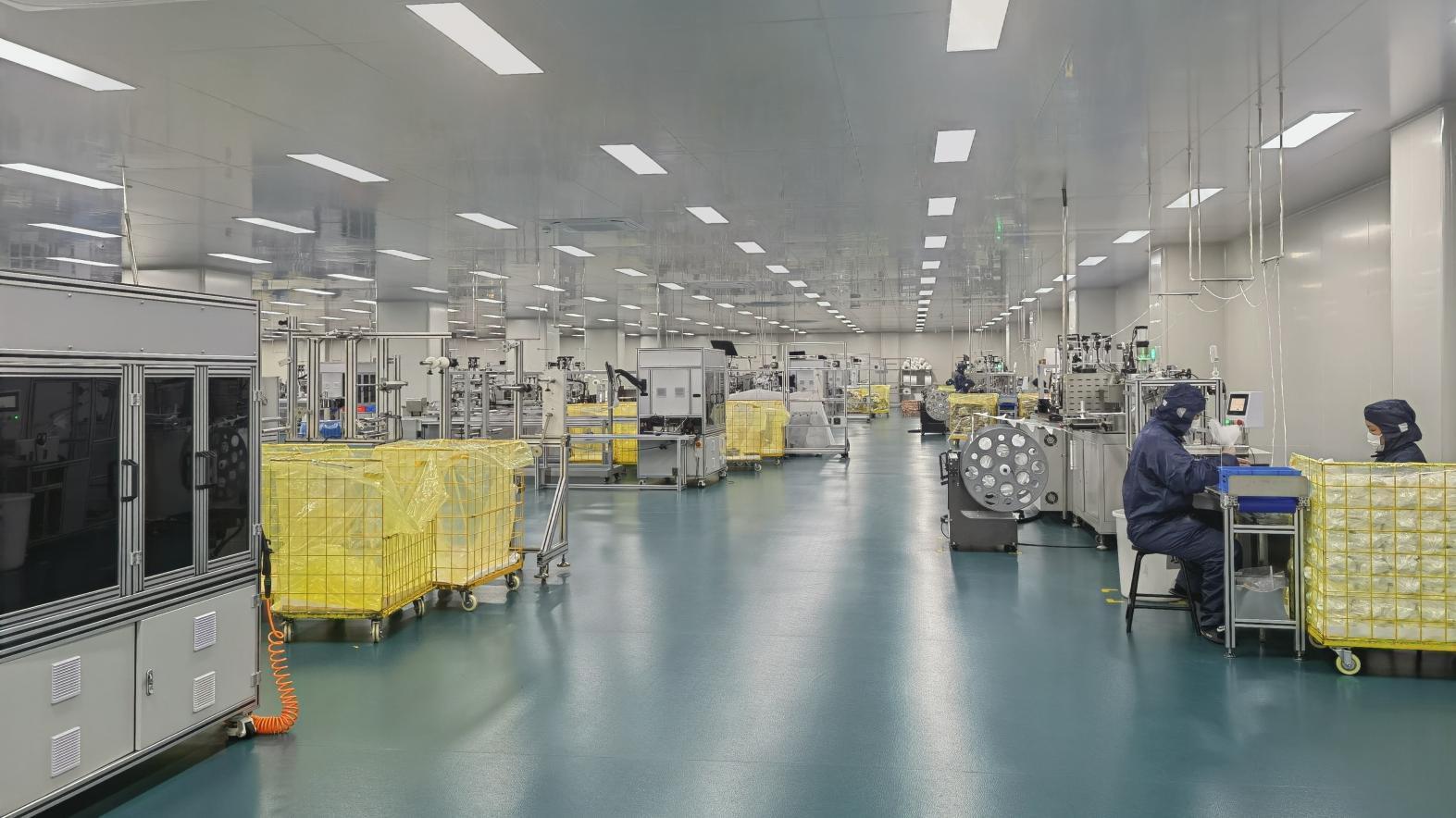
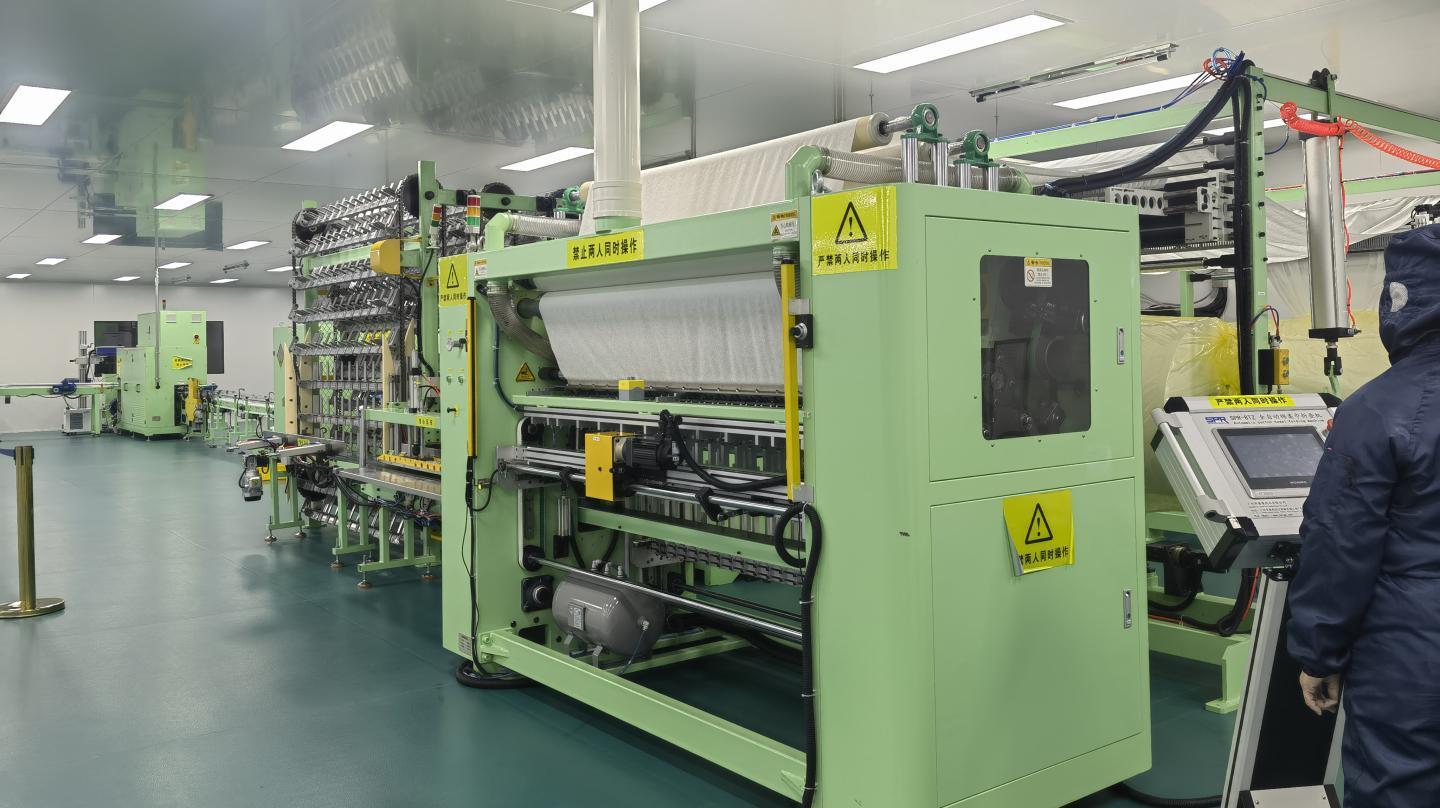
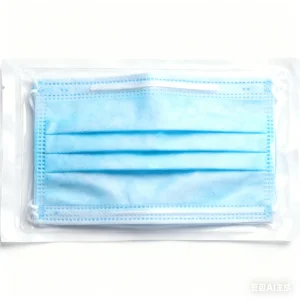
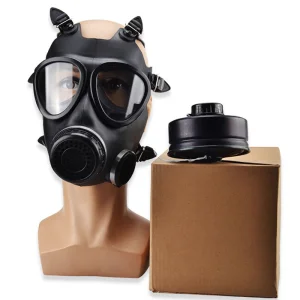
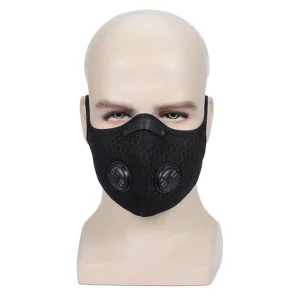
Explore our complete catalog of industrial, medical, and specialized daily protective masks, keeping your workforce safe from particulate and chemical hazard exposures.
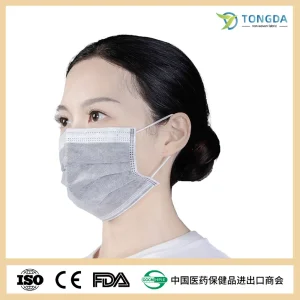
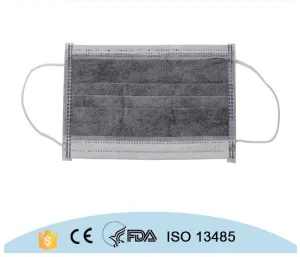
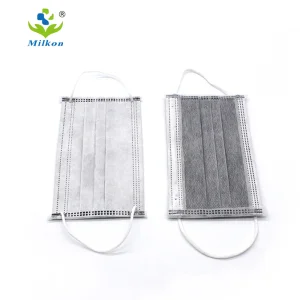
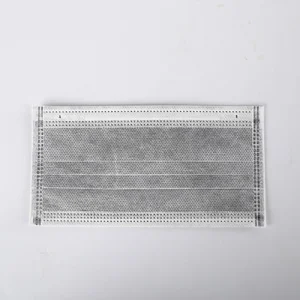
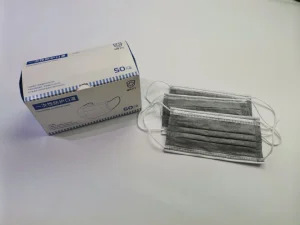
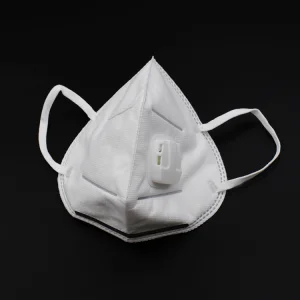
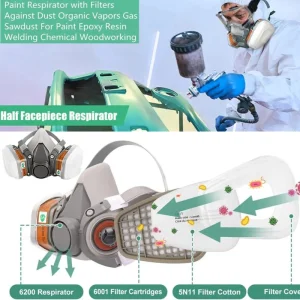
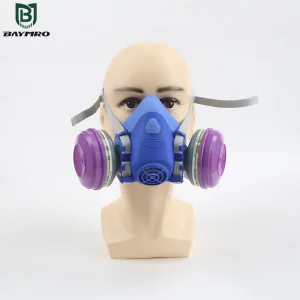
Entering the Kenyan market requires strict compliance with local regulatory frameworks. The Kenya Bureau of Standards (KEBS) implements a Pre-Export Verification of Conformity (PVoC) program. This system ensures that all imported safety and medical equipment meets strict national standards before shipping.
Because our manufacturing systems are certified to ISO 9001 and our products comply with EN 149 standards (for FFP1/FFP2/FFP3 classes) and US FDA regulations, DrSharpe simplifies the import process. We provide comprehensive technical documentation, including test reports on air permeability, particle filtration, and gas adsorption capacity. This ensures hassle-free customs clearance and guarantees compliant products for local occupational safety officers.
The field of protective mask manufacturing is evolving past basic static filtration. DrSharpe's Research and Development division is currently testing several exciting technological developments designed to improve protection and usability:
Answers to common technical, logistics, and design questions about importing activated carbon masks to Kenya.
Standard surgical or dust masks only filter out physical particles based on size. They cannot filter out chemical fumes or organic odors. Activated carbon masks contain an extra layer of porous charcoal that actively adsorbs gas molecules, fumes, and bad odors, offering essential protection in chemical, agricultural, and industrial environments.
High humidity can slowly saturate the pores of an activated carbon filter, even when it is not in use. For optimal performance, disposable carbon masks should be replaced after 8 hours of active use, or sooner if breathing resistance increases or you begin to smell chemical odors. They should always be stored in an airtight, dry container when not in use.
Yes, our masks carry European CE (EN 149) and US FDA certificates, which are widely accepted benchmarks under the Kenya Bureau of Standards (KEBS) Pre-Export Verification of Conformity (PVoC). We supply all required lab reports and declarations of conformity to make the inspection process quick and straightforward.
Our standard MOQ for direct sea freight shipments to Mombasa is 50,000 units. For urgent or specialized requirements, we can arrange air freight to Jomo Kenyatta International Airport (JKIA) with smaller order volumes. Please reach out to our sales team to discuss custom shipping and packaging solutions.
We assist procurement officers, distributors, and safety directors across Kenya. Whether you require custom brand packaging, specific carbon pore configurations, or high-volume orders, we provide direct manufacturer support.
Send Inquiry Now