DrSharpe Health
DrSharpe Health
DrSharpe Health
In the modern industrial health and clinical safety sectors, selecting the right respiratory protective equipment (RPE) goes far beyond simple filtration. Synthetic polymers—predominantly high-grade polyester and polypropylene non-woven structures—form the backbone of high-efficiency particulate air (HEPA) and biological defense filtration systems. As a premier China polyester face mask manufacturer, Zhejiang DrSharpe Health Co., Ltd. spearheads technological integration by fusing structural stability with electrostatic melt-blown mediums to address multi-hazard environments globally.
This whitepaper explores the critical engineering parameters, raw material properties, regulatory requirements, and supply-chain structures that B2B procurement officers, hospital networks, and industrial safety distributors must evaluate when partnering with Chinese manufacturing entities. Our focus remains on driving the 99% Bacterial Filtration Efficiency (BFE) and 99% Particle Filtration Efficiency (PFE) milestones while guaranteeing strict local compliance across the United States, Europe, Latin America, and the Asia-Pacific region.
| Key Parameter | Standard Specs (DrSharpe Health) | Global Compliance Reference |
|---|---|---|
| BFE (Bacterial Filtration) | ≥ 99% (Medical-Grade Portfolio) | ASTM F2100 Level 3 / EN 14683 Type IIR |
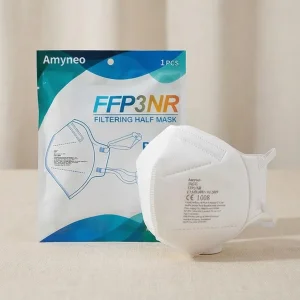
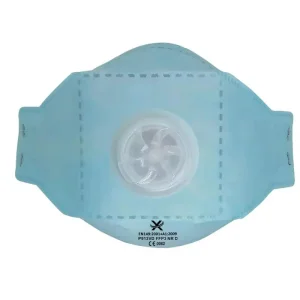
| PFE (Particulate Filtration) | ≥ 99% (FFP3 / KN95 Respirators) | EN 149:2001+A1:2009 / GB2626-2019 |
| Main Synthetic Media | Polyester (PET) & Polypropylene (PP) | Biocompatibility ISO 10993 Certified |
| Fluid Resistance | Up to 160 mmHg pressure threshold | Surgical Grade Integrity Assured |
Zhejiang DrSharpe Health Co., Ltd. operates at the intersection of medical engineering, sterile manufacturing, and international supply chain distribution. As an authoritative global supplier of personal protection equipment, our brand story is built upon continuous investment in smart factory infrastructure and top-tier technological integration.
Our production capabilities enable us to mitigate supply volatility for international clients. From sourcing medical-grade polyester polymers and high-integrity melt-blown fabrics to executing automated visual defect detection on the assembly lines, our quality control is absolute. Every product batch undergoes rigorous testing to verify air permeability, fluid resistance, and tensile strap strength, ensuring that medical workers and industrial technicians operate with absolute peace of mind.
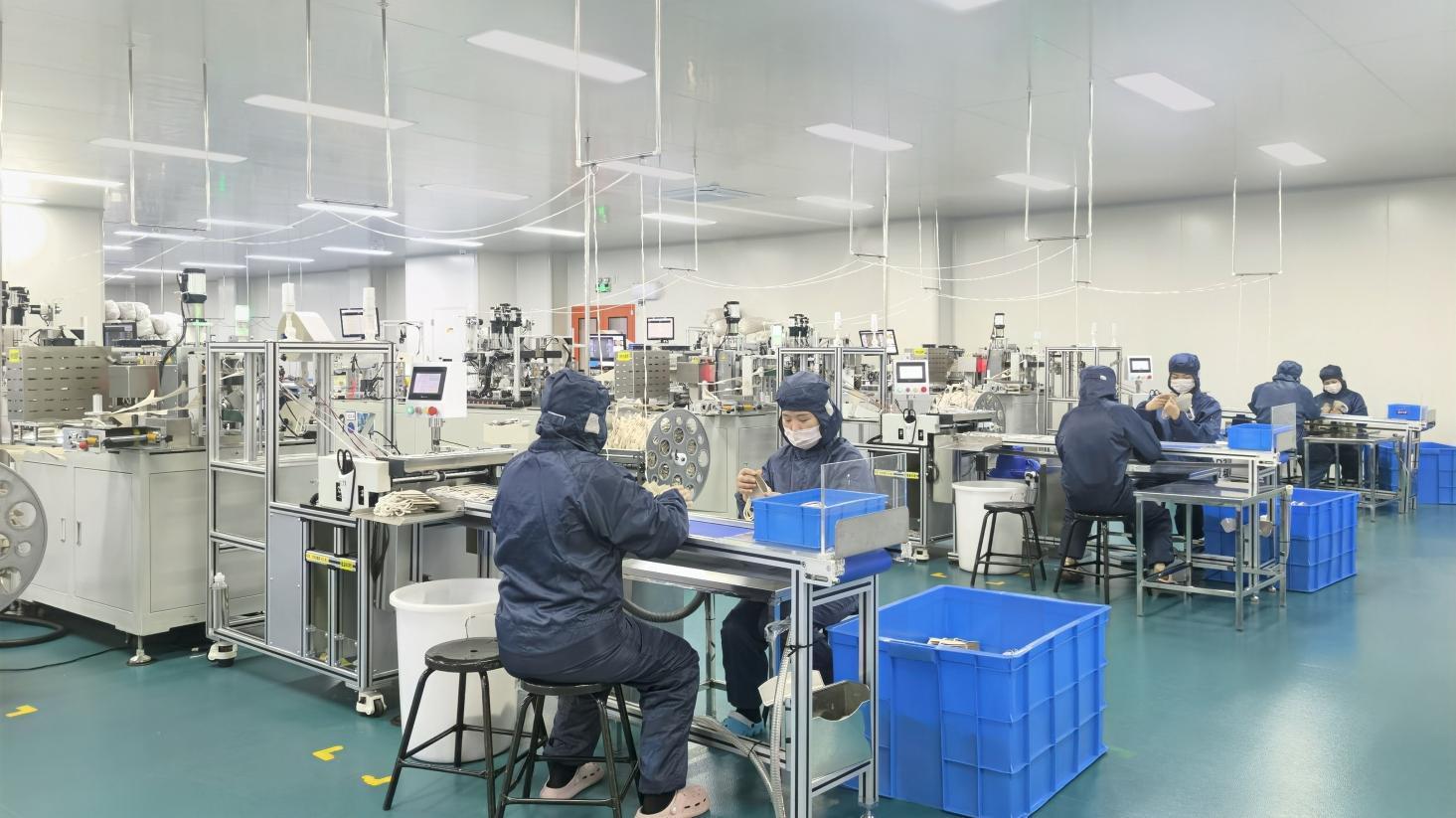
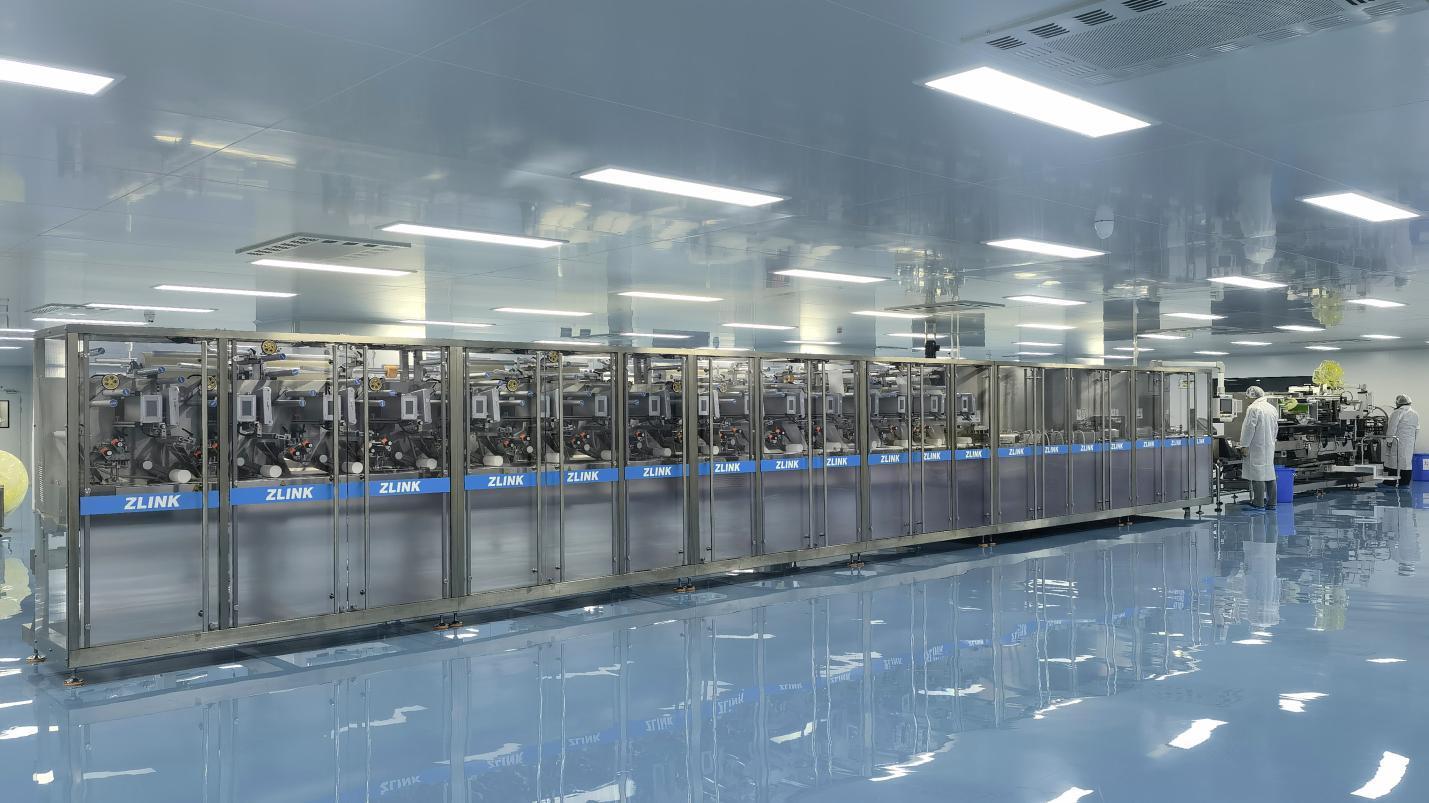
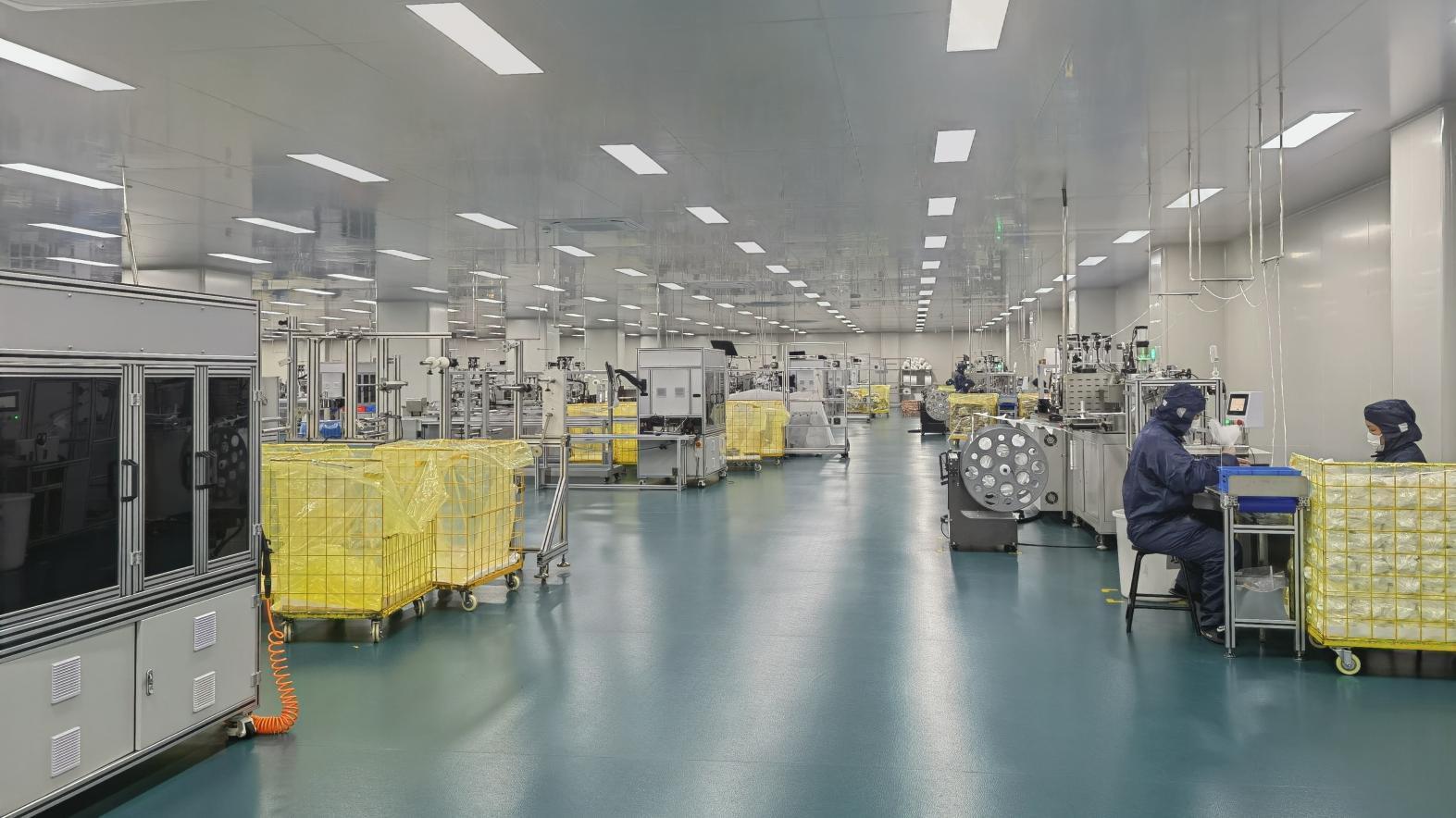
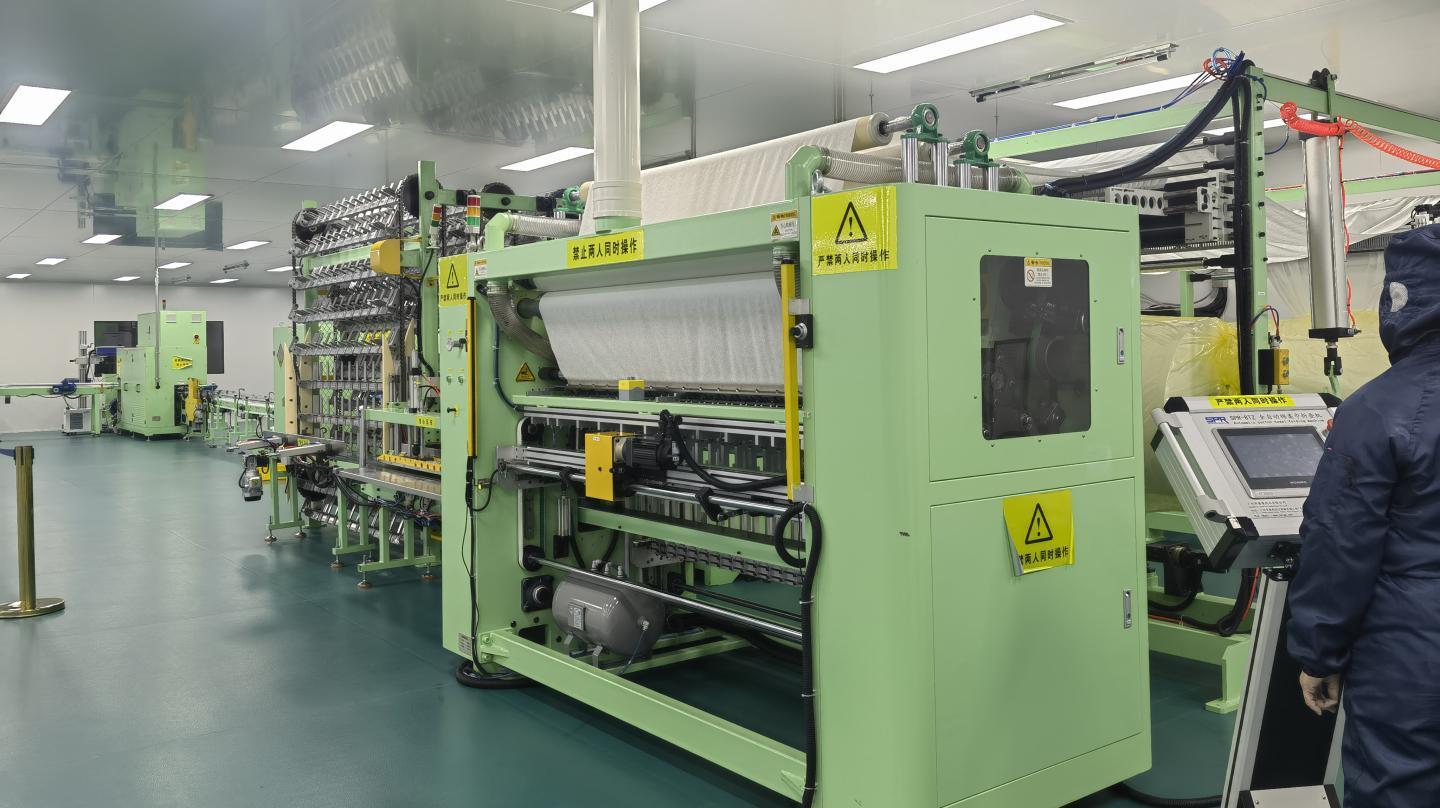
Our manufacturing facility features ISO-certified cleanrooms, professional micro-testing setups, and high-efficiency material cutting tools. Take a technical tour through our production floor below:
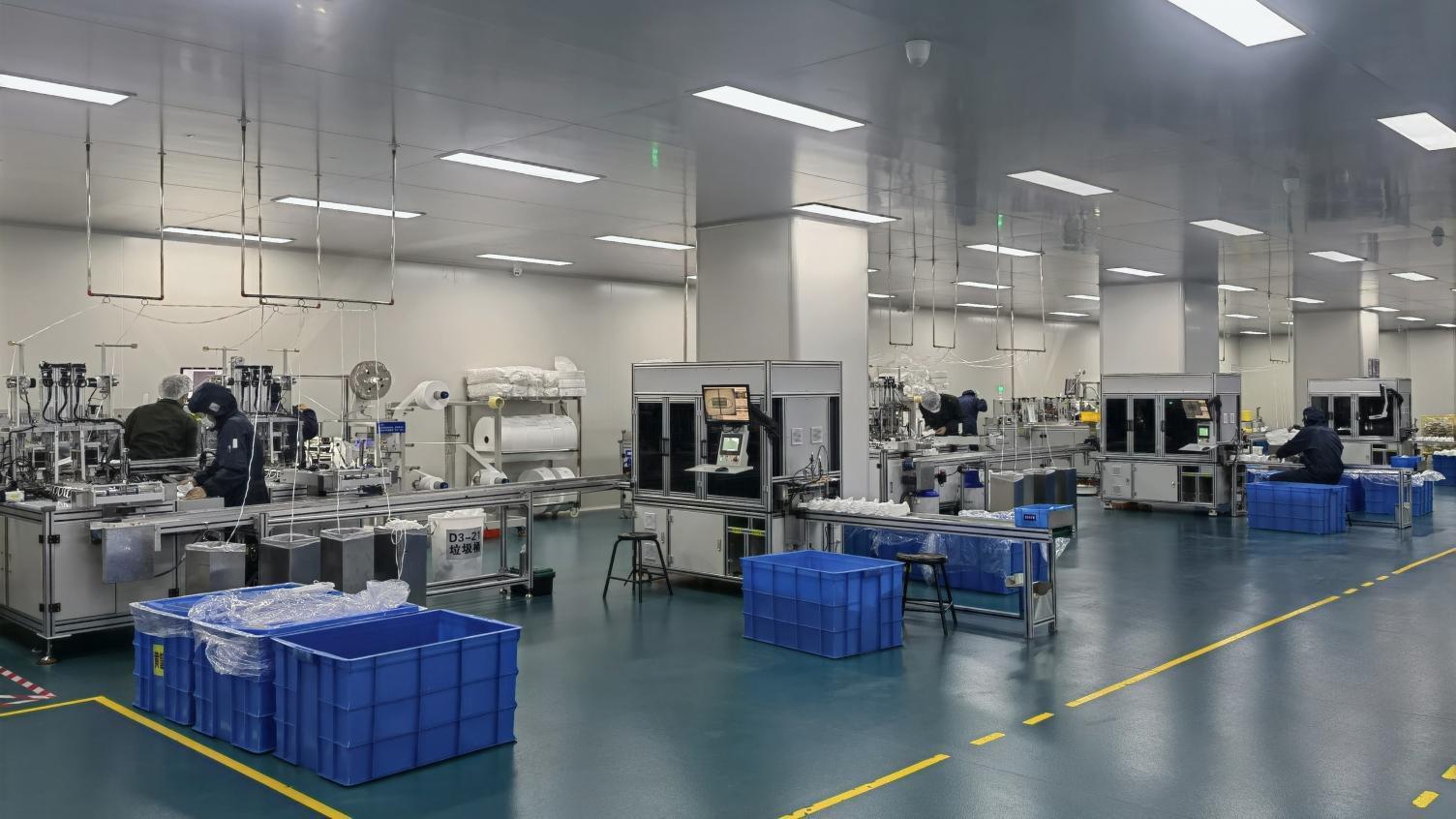
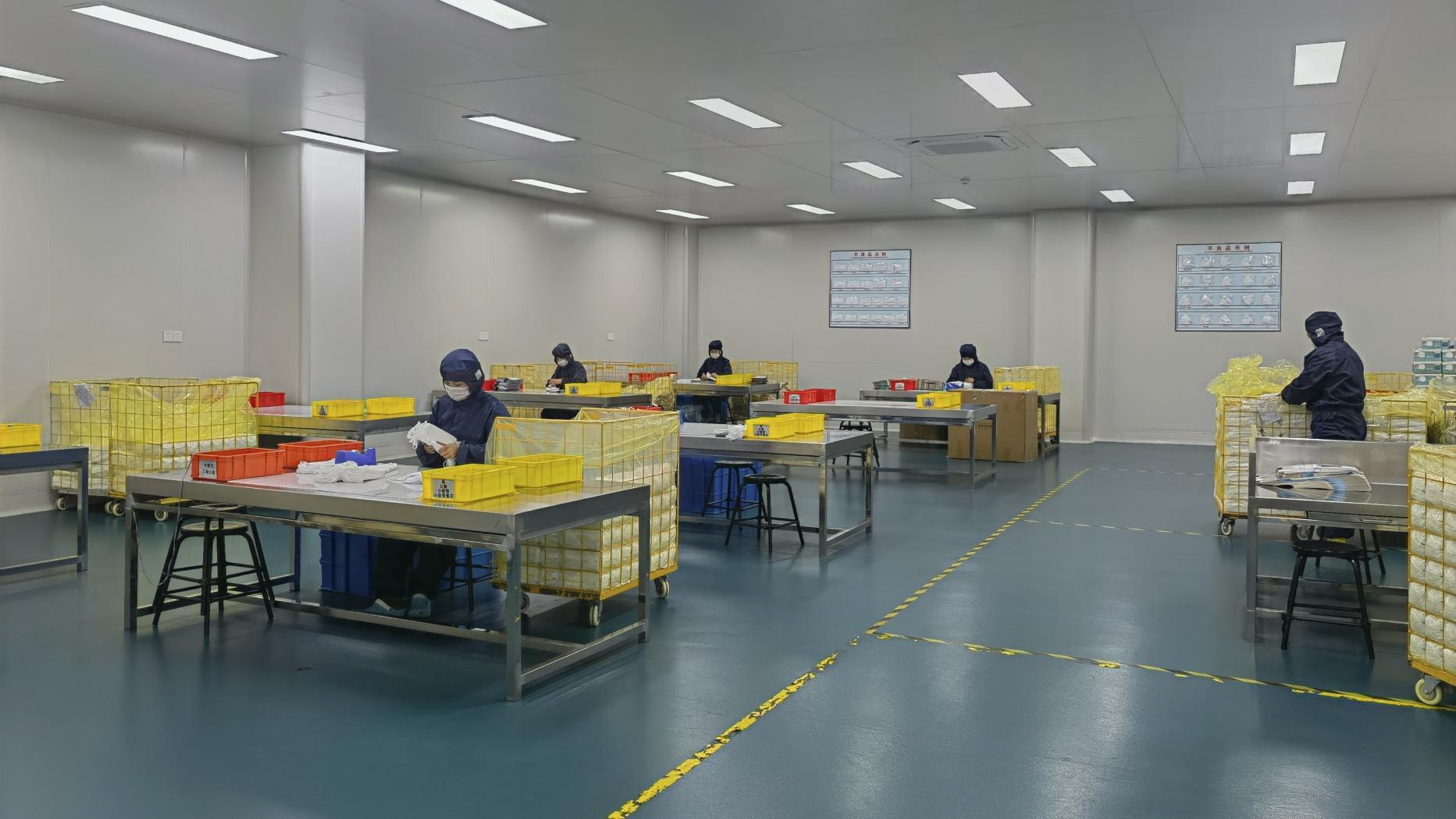
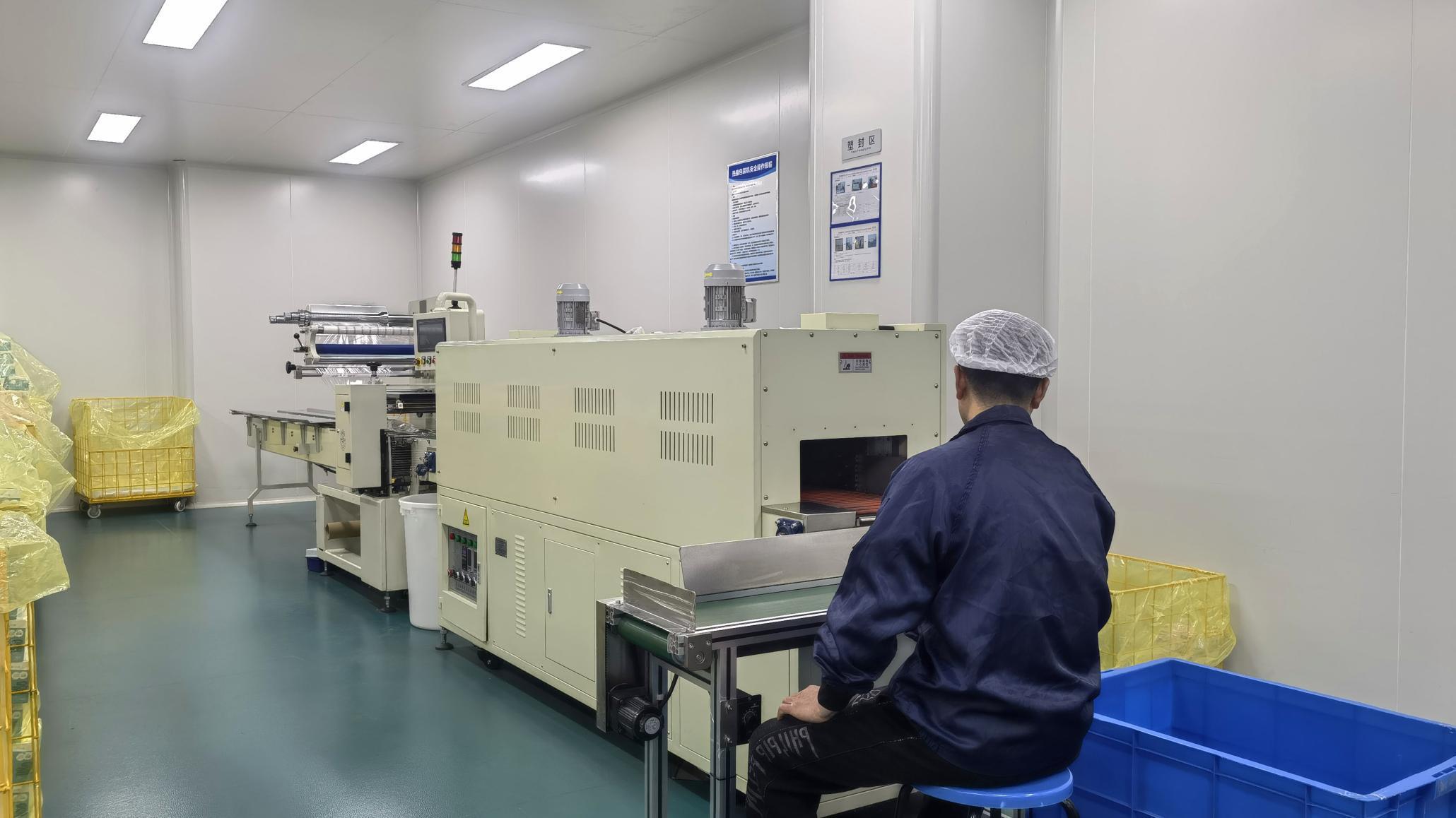
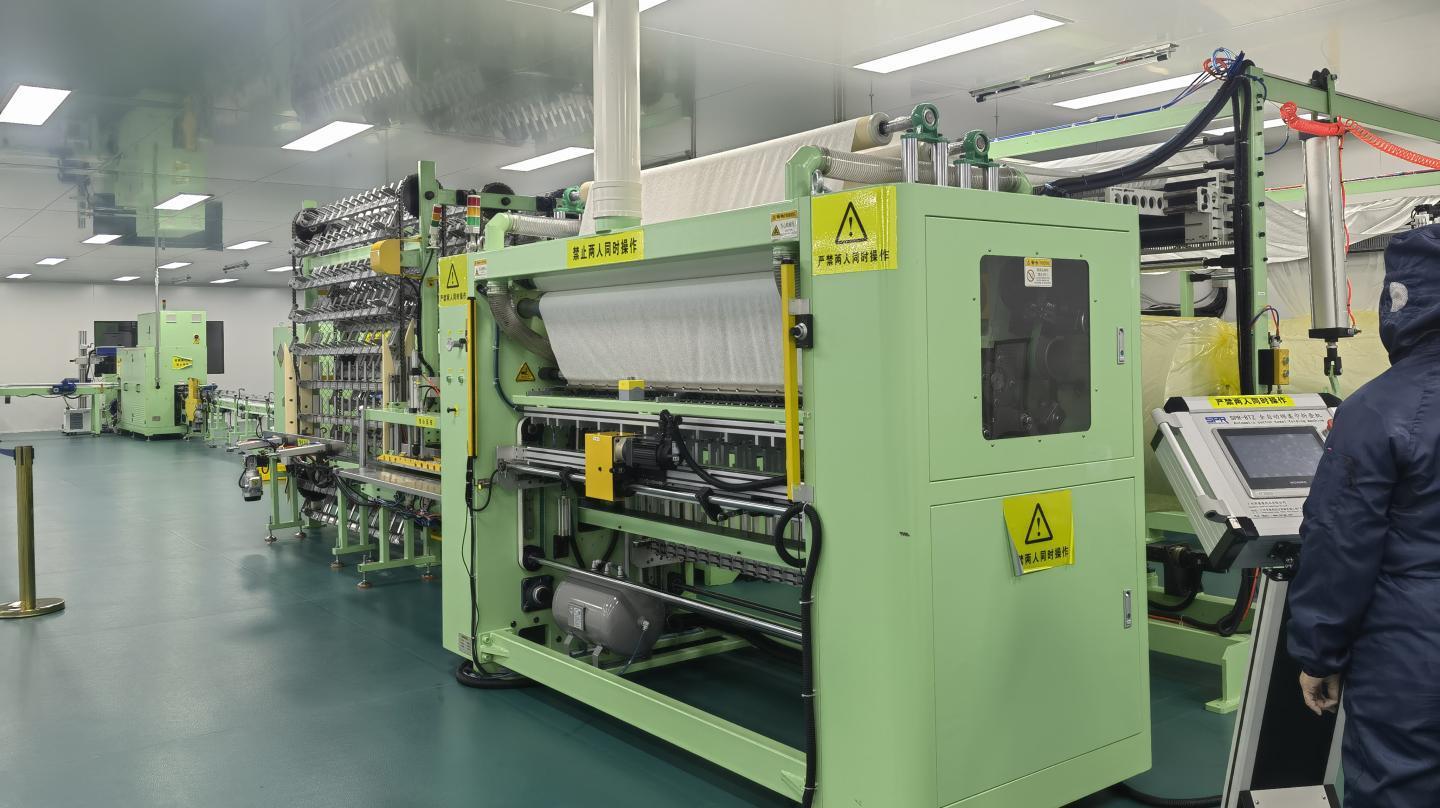
Leveraging direct partnerships with Zhejiang-based manufacturing units yields immense economic and operational benefits for worldwide B2B buyers. The industrial agglomeration in eastern China secures premium access to base polymers, spunbond layers, nose bridges, and ear-loop elastics, driving production costs down while maintaining superior material properties.
Immediate proximity to advanced polymer suppliers guarantees consistent access to premium polyester and polypropylene fibers. This insulates our production lines from global raw material price fluctuations.
Equipped with 5 fully automatic and 12 semi-automatic production lines, DrSharpe Health meets high-volume spikes during public health demand cycles, offering consistent lead times and zero delivery bottlenecks.
Our localized testing laboratories ensure all outgoing shipments align with CE, FDA, and EUA standards, facilitating smooth customs clearance and regulatory entry into Western medical channels.
Securing compliance in diverse global markets requires a deep understanding of local respiratory guidelines. Zhejiang DrSharpe Health Co., Ltd. systematically optimizes its quality control protocols to align with standard criteria across major target markets.
For European distribution, our masks meet the stringent requirements of EN 14683 (medical masks) and EN 149:2001+A1:2009 (respiratory devices). These European standards define structural integrity, biological load limits, and pressure drop maximums. Our FFP2 and FFP3 respirator portfolios are CE-certified, verifying compliance with EU Personal Protective Equipment (PPE) Regulation (EU) 2016/425.
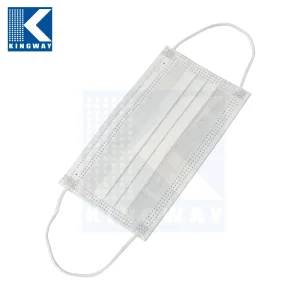
In North America, our products are registered with the US FDA and have historically operated under EUA protocols. We design our surgical 3-ply structures to satisfy the ASTM F2100 standard, guaranteeing barriers against synthetic blood penetration, flame propagation, and particle filtration at the sub-micron level.
For markets in Japan, Mexico, and other APAC nations, DrSharpe customizes packaging, languages, and technical data sheets to align with COFEPRIS (Mexico), PMDA (Japan), and equivalent local health ministry mandates. This ensures seamless entry into national healthcare procurement networks.
Polyester and non-woven protective masks are engineered for specific, demanding environments. By matching product features to distinct operational scenarios, users achieve optimal safety and compliance.
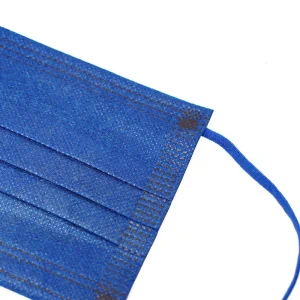
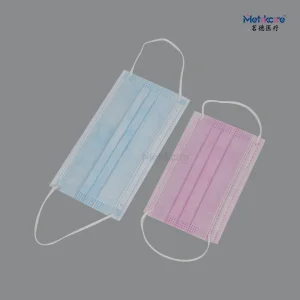
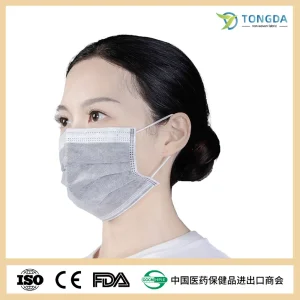
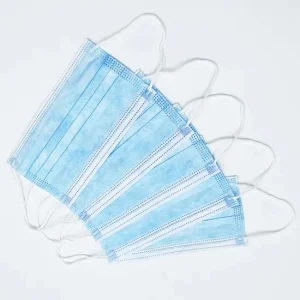
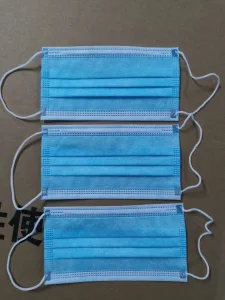
Hospitals, surgical units, and dental clinics demand fluid-resistant barriers. Our ASTM Level 3 and Type IIR medical masks prevent fluid transfer while maintaining low breathing resistance for surgeons and nurses during long shifts.
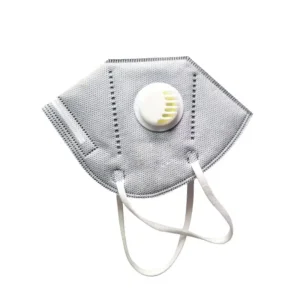
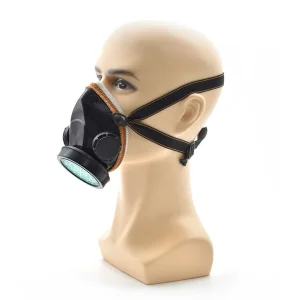
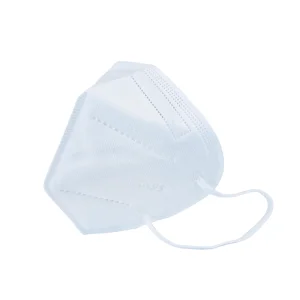
Construction, mining, and metalworking environments generate hazardous airborne particulates. FFP2, FFP3, and KN95 multi-layer respirator masks filter out fine mineral dust, wood fibers, and aerosols, protecting workers' respiratory health.
Semiconductor and microelectronics fabrication lines require strict contamination control. Our anti-static ES masks prevent linting and minimize static charge, shielding delicate silicon wafers from human particulate shedding.
The respiratory protection industry is transitioning from simple barriers to intelligent, sustainable protection systems. DrSharpe Health actively monitors and develops next-generation mask technologies:
Standard melt-blown layers depend heavily on electrostatic charge, which degrades in humid conditions. By incorporating electrospun nanofibers, we can achieve mechanical filtration of sub-micron particles with minimal breathing resistance. This technology maintains high filtration efficiency even during extended wear in high-humidity climates.
With millions of disposable masks discarded daily, environmental sustainability is a top priority. Emerging designs utilize PLA (polylactic acid) or modified polyester fibers that decompose safely in industrial composting facilities without releasing toxic microplastics.
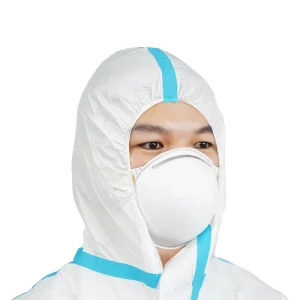
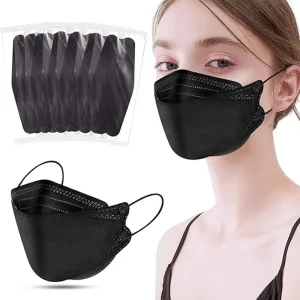
Filtration efficiency is only as good as the mask's seal. Structurally pre-formed masks (like the KF94 and boat-shaped designs) create a seal that conforms to varied facial contours. This prevents air leakage along the cheeks and chin, which is a common failure point for standard flat pleated masks.
Integrating silver ion compounds directly into synthetic polymer fibers inhibits bacterial growth on the mask's surface, preventing odors and skin irritation during extended shifts in medical and industrial settings.
Get answers to technical and operational questions regarding the import, validation, and usage of polyester and non-woven masks.