DrSharpe Health
DrSharpe Health
DrSharpe Health
Direct from audited ISO factories: certified respiratory shields and multipurpose hygienic equipment engineered for commercial, industrial, and clinical environments.
How the market for "desinfectante multiusos" (multipurpose disinfectants) is merging with advanced protective barrier technologies to establish next-generation bio-security protocols.
Modern commercial ecosystems require integrated hygiene strategies. It is no longer sufficient to clean surfaces alone; companies must pair active disinfection protocols with physical filtration devices (PPE) to achieve absolute environmental safety.
Regulatory frameworks such as REACH (Europe) and the EPA (United States) are driving manufacturers to produce non-toxic, highly biodegradable formulations for sanitizing materials, wet tissues, and filtration layers, reducing systemic environmental footprints.
Procurement directors are shifting from "Just-in-Time" to "Just-in-Case" models. Partnering with dual-capable factories that manufacture both personal protective masks and hygienic sanitizing wipes ensures operational continuity during global crises.
B2B buyers face a saturated market filled with unverified suppliers. In the sanitization and protective mask sectors, a failure in product integrity translates directly into organizational liability and health risks. High-caliber exporters set themselves apart through continuous compliance audits, offering certified BFE ≥ 99% and PFE ≥ 99% ratings. This level of quality control ensures that protective wear stands up to rigorous industrial settings, safeguarding staff from microscopic pathogens, chemical vapors, and hazardous dust particles.
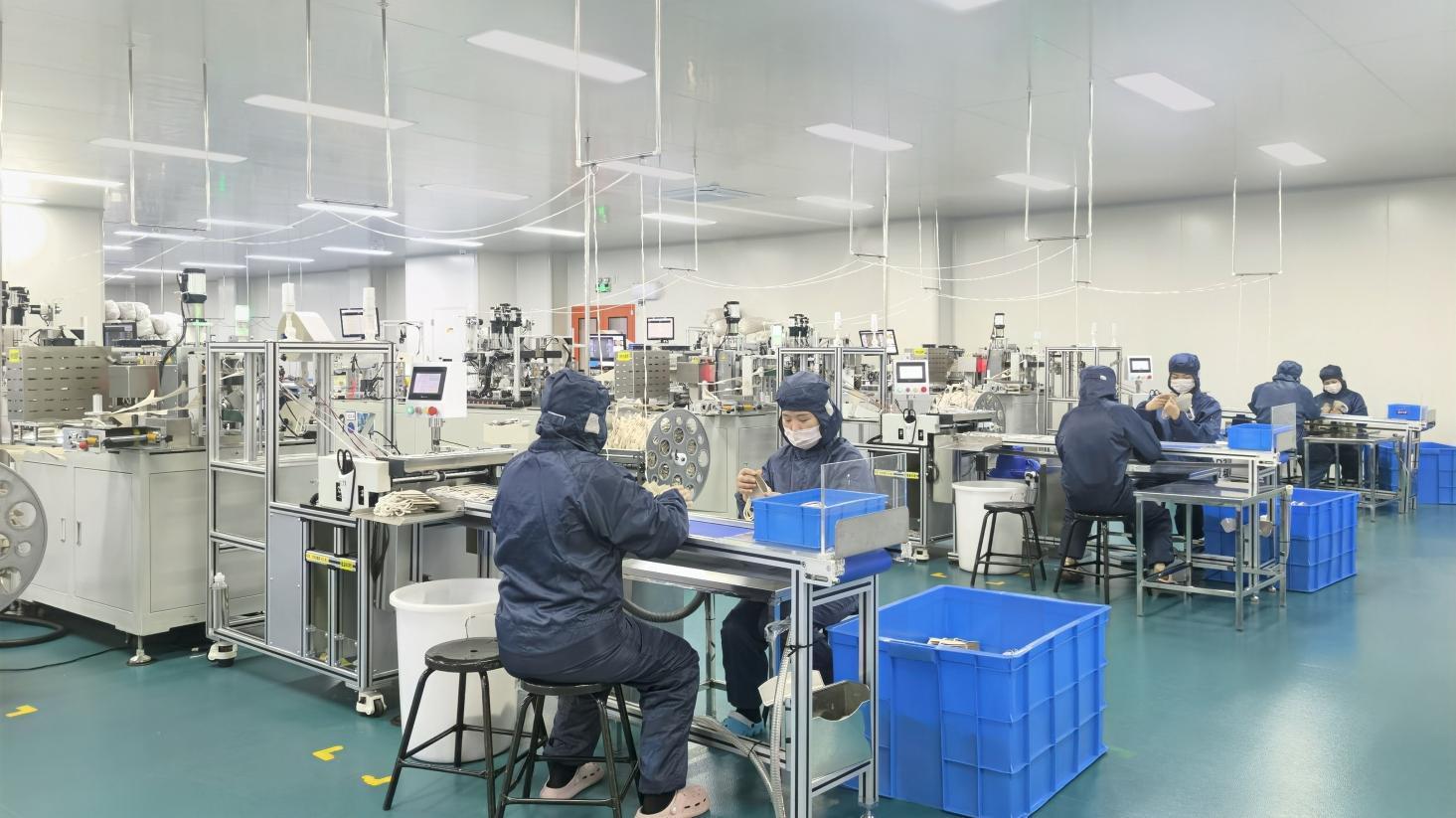
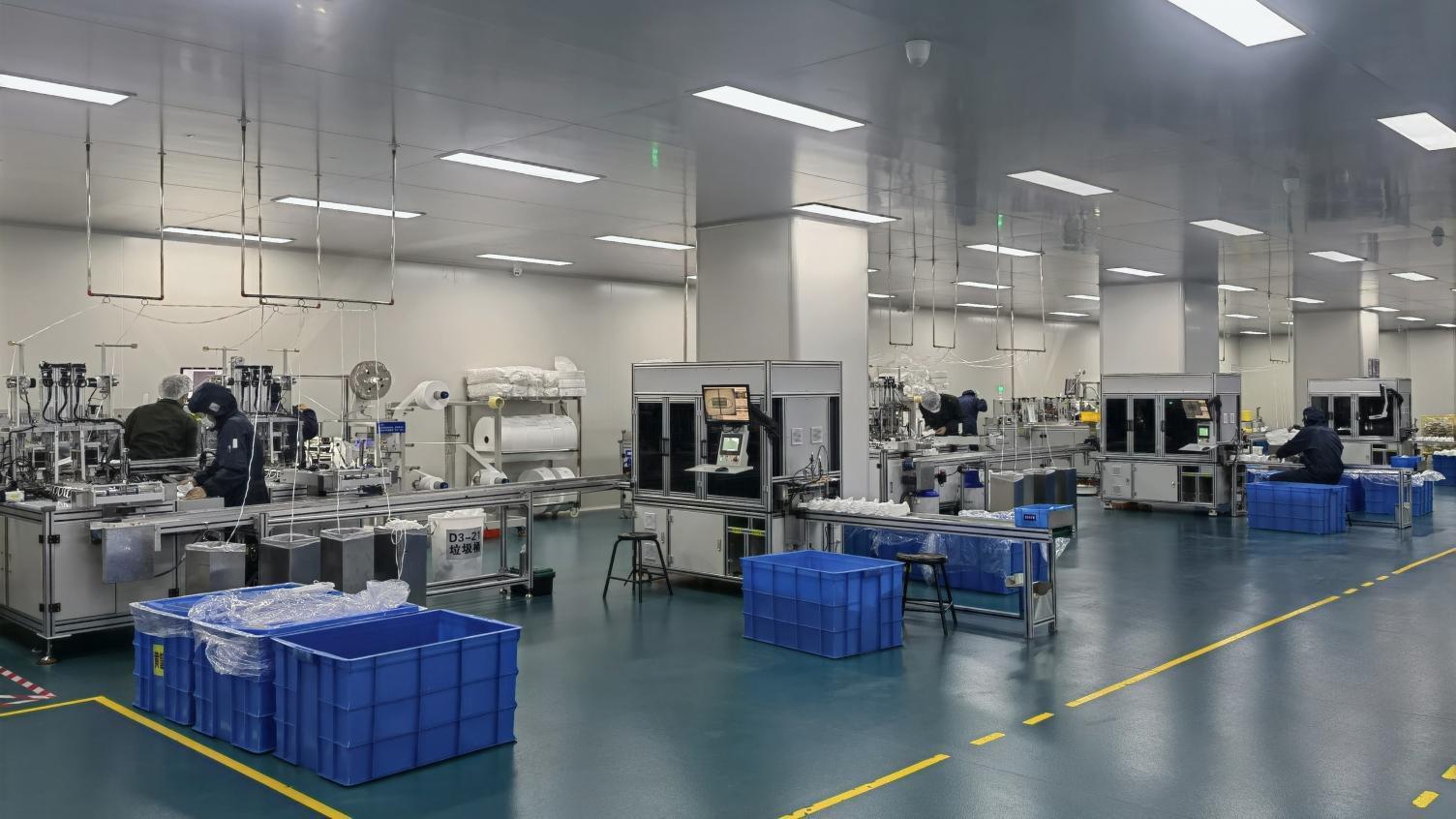
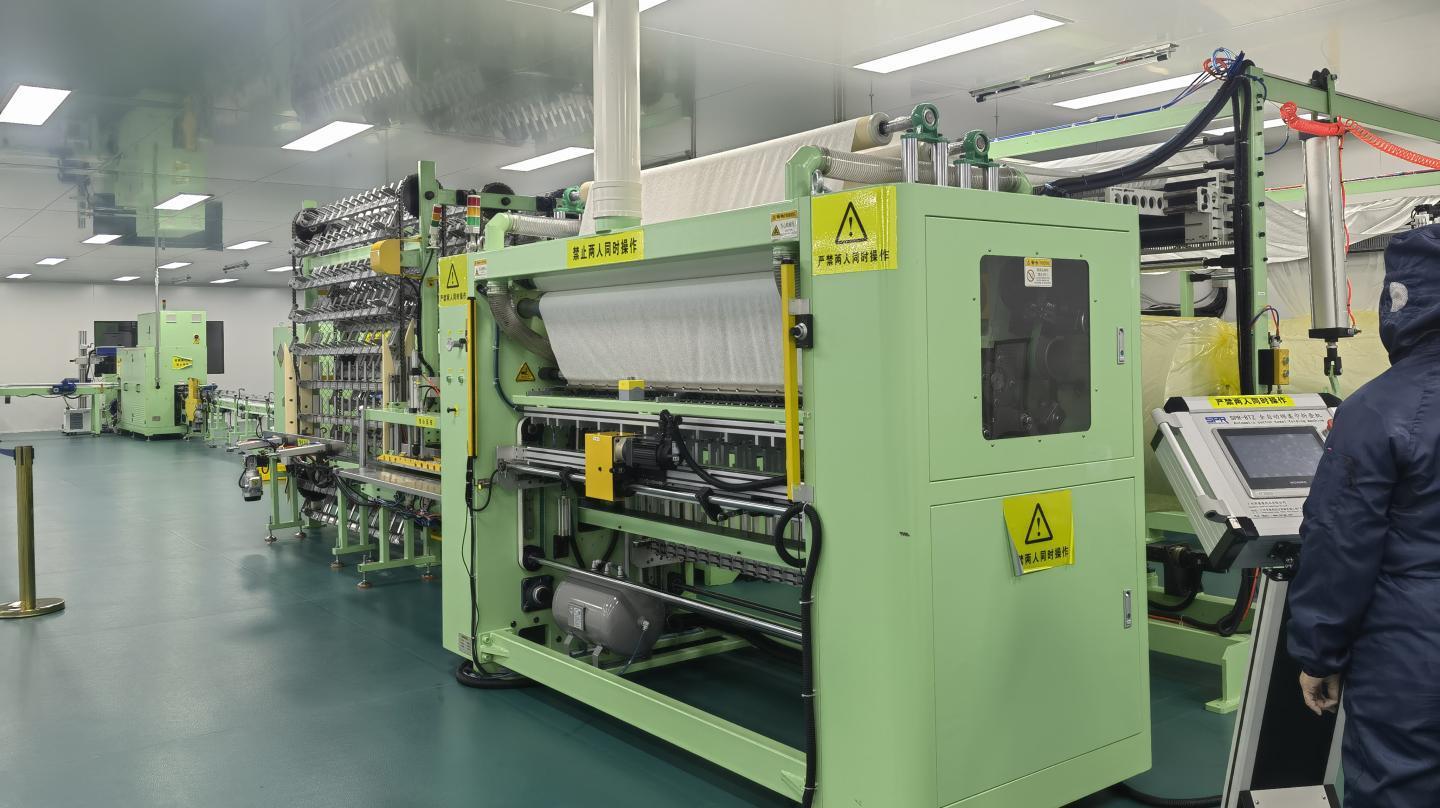
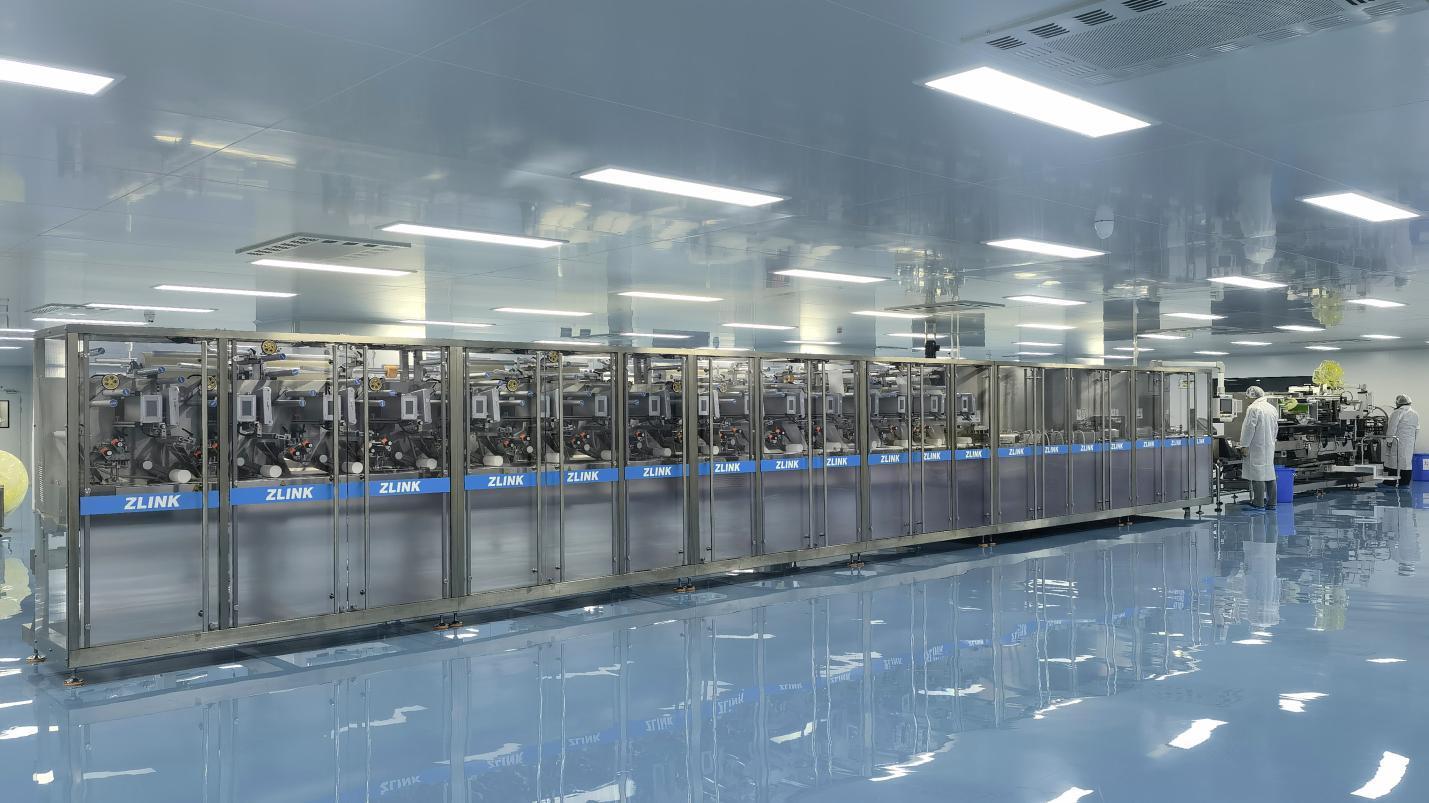
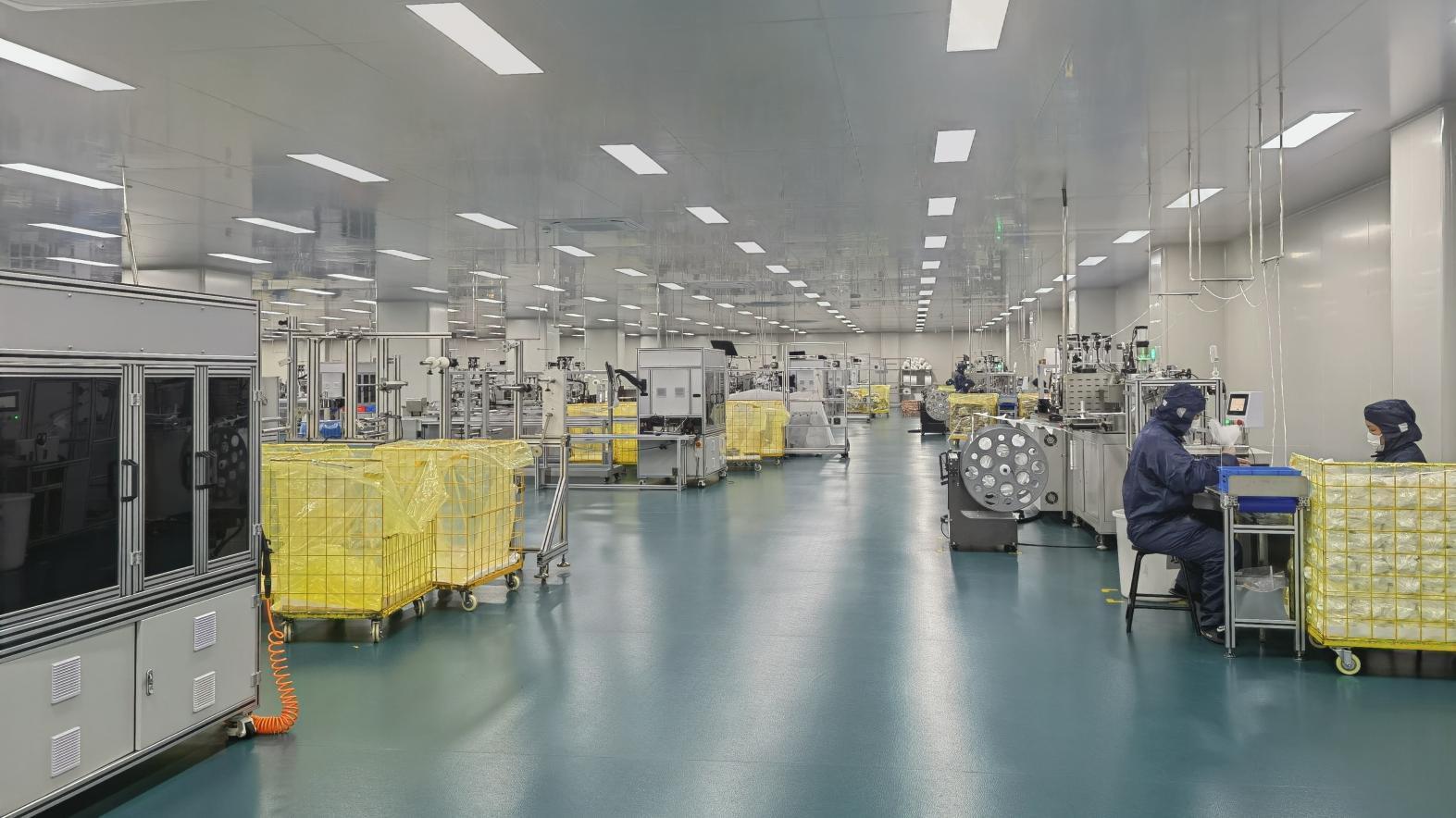
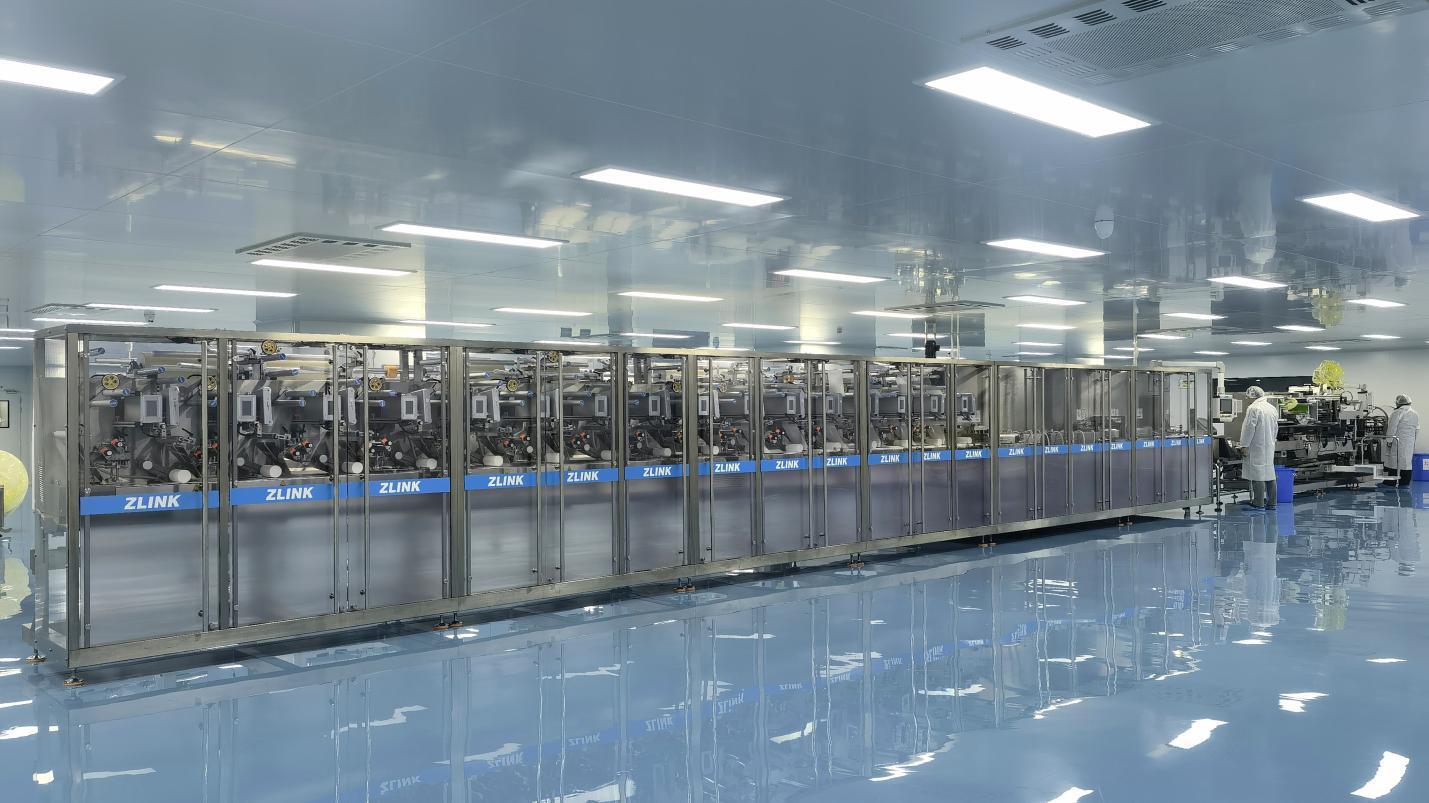
The manufacturing architecture of leading Chinese hygiene plants has evolved from manual assembly to intelligent automation (Industry 4.0). By incorporating multi-axis robotics, real-time computerized quality inspection, and automated non-woven web guides, production facilities achieve unprecedented precision.
How global organizations utilize high-quality protective gear and multipurpose sanitizing products to minimize environmental risks.
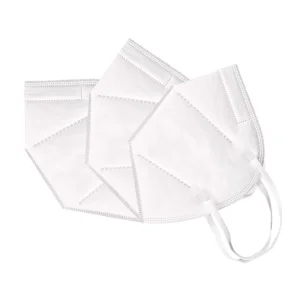
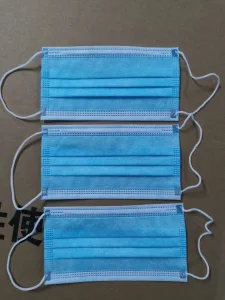
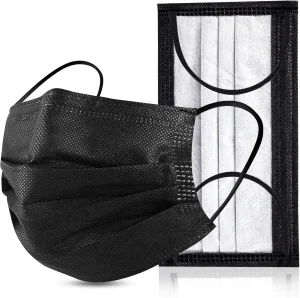
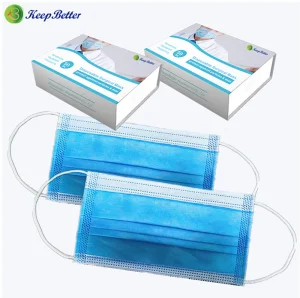
Hospitals, diagnostic labs, and dental clinics require the highest standards of personal defense. The deployment of 3-ply surgical masks and clinical-grade face covers ensures micro-droplet barrier protection, minimizing cross-contamination during close-contact procedures.
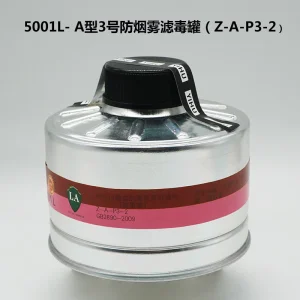
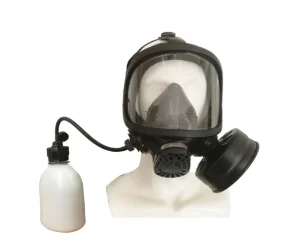
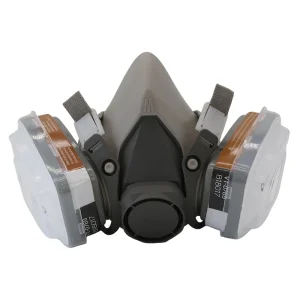
Processing plants, chemical storage areas, and construction sites generate dangerous airborne particulate matter and toxic fumes. Here, full-face or half-mask respirators equipped with activated carbon filter canisters are critical for protecting worker respiratory systems over long shifts.
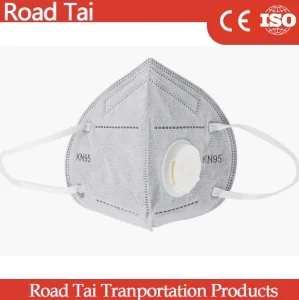
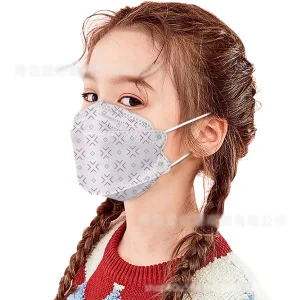
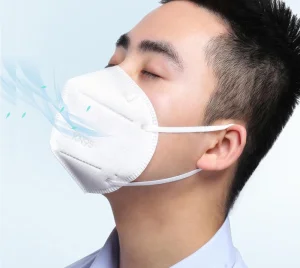
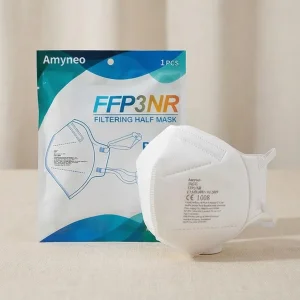
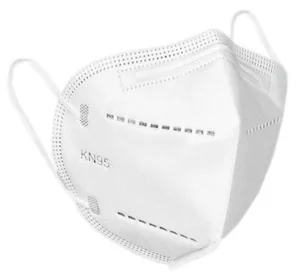
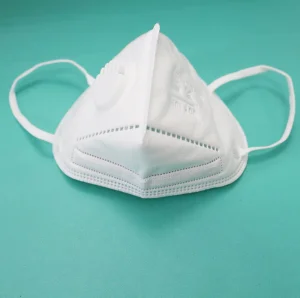
Public transit workers, retail staff, and corporate office employees require breathable, comfortable face masks for extended wear. High-airflow KF94 and FFP2 protective masks reduce respiratory resistance while maintaining high filtration efficiency during face-to-face interactions.
Our Corporate Profile, Professional Standards, and Global Distribution Footprint
Zhejiang DrSharpe Health Co., Ltd. is a professional manufacturer and global supplier specializing in disposable medical and healthcare products, especially high-quality face masks and protective solutions. With strong manufacturing capabilities, advanced production technology, and strict quality management, DrSharpe is committed to providing safe, reliable, and comfortable healthcare products for customers worldwide.
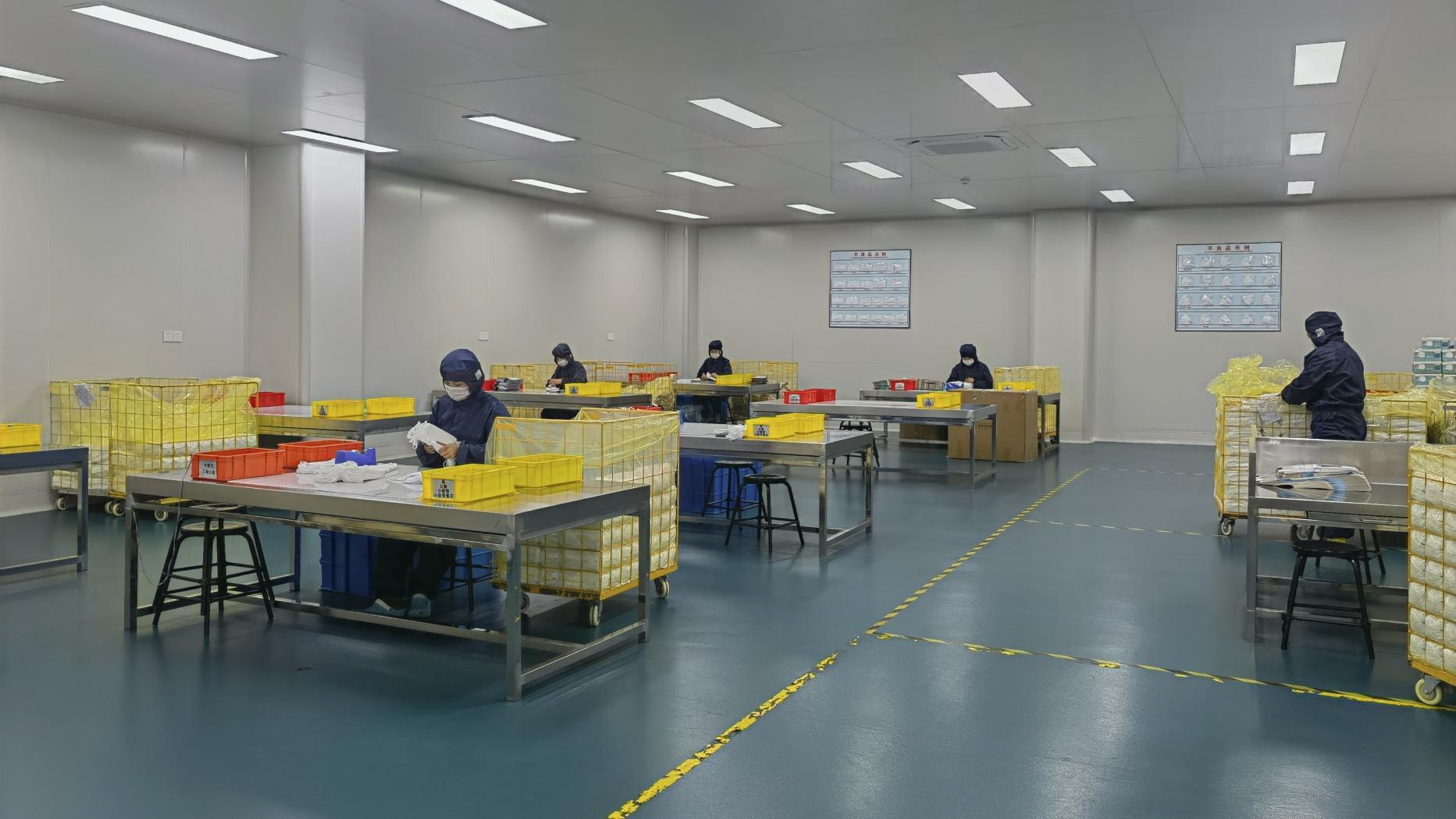
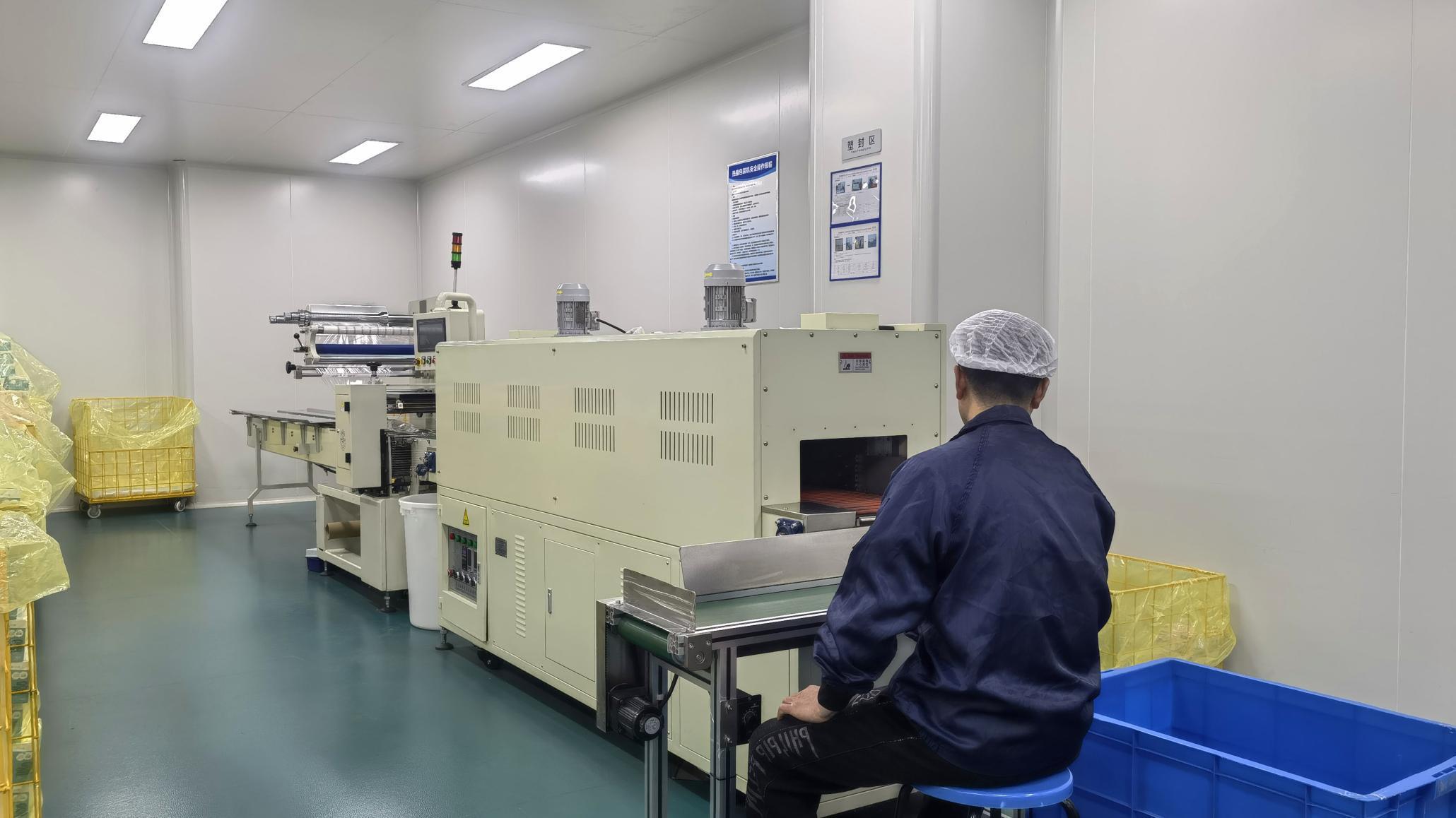
Our factory is equipped with 5 fully automatic mask production machines and 12 semi-automatic mask production machines, supported by an experienced production and service team. From raw material selection to final packaging, we strictly control every production process to ensure stable quality and reliable supply. Our products are widely exported to markets including the United States, Europe, Japan, Mexico, Germany, and the United Kingdom.
DrSharpe mainly provides disposable face masks and related healthcare products for medical, personal protection, and daily use applications. Using advanced filtration materials, our masks achieve up to 99% Bacterial Filtration Efficiency (BFE) and 99% Particle Filtration Efficiency (PFE), offering excellent protection and wearing comfort. Our products comply with international standards and have obtained certifications including CE, US FDA, and US EUA. Driven by innovation, quality, and customer satisfaction, Zhejiang DrSharpe Health Co., Ltd. continues to deliver trusted healthcare solutions and build long-term partnerships with customers around the world.
Essential guidance on product compliance, raw materials, and international standards for procurement professionals.
Complete safety solutions designed for medical procedures, industrial settings, and daily defense against air pollutants.