DrSharpe Health
DrSharpe Health
DrSharpe Health
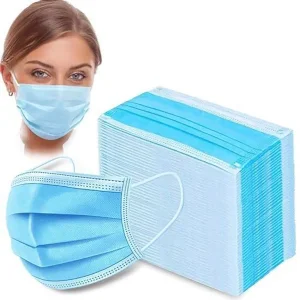
Engineered with high-comfort earloops and high-efficiency filtration material (BFE & PFE ≥ 99%) conforming to international standards.
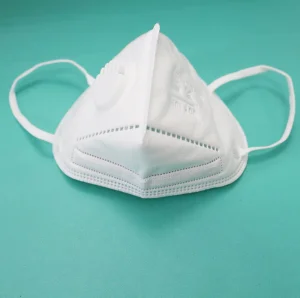
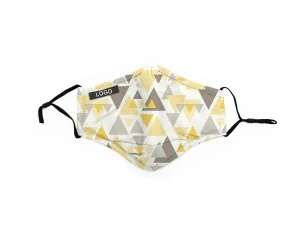
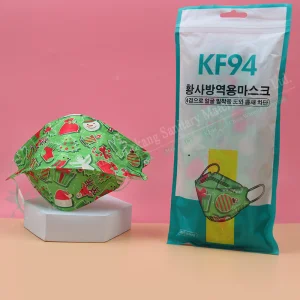
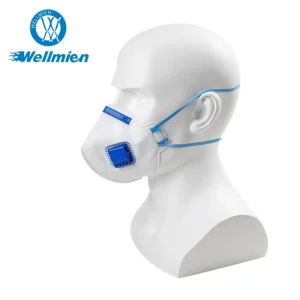
How comfortable ergonomic designs and advanced filtration efficiency dominate the modern B2B market.
The global market for protective respirators and disposable masks has entered a new phase of stability and technology-driven development. Rather than responding to sudden pandemics, international procurement models have transitioned toward high-durability, hypoallergenic, and low-breathing-resistance materials. Today, multinational organizations, healthcare systems, and industrial enterprises prioritize employee comfort to guarantee compliance and long-term wearing tolerance.
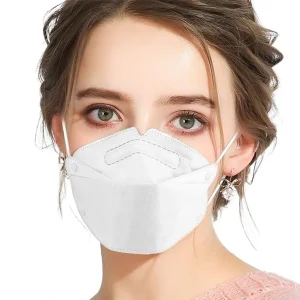
Modern regulatory requirements have shifted parallel to user expectations. The European Union and US markets now demand products that meet EN 14683 Type II/IIR standards and FDA 510(k) clearances. Additionally, there is a substantial demand for intermediate protective categories like KF94 (Korean standard) and KN95 (Chinese standard), which combine the high filtration efficiency of respirators with flat-fold 3D physical structures that prevent lip contact and facilitate articulation.
Why technical breathability dictates filtration efficiency performance in industrial applications.
Designing a comfortable face mask involves addressing the physical pressure exerted on the wearer’s face, ears, and respiratory muscles. The main variables that determine user comfort include:
Differential pressure is measured in mm H₂O/cm² or Pa/cm². A lower ΔP value indicates less breathing resistance. High-quality manufacturers achieve this by optimizing the melt-blown layer using electrostatic charging techniques, which trap sub-micron particles through electrostatic attraction rather than mechanical blockades, keeping the material light and porous.
Traditional spunbond nonwovens can release microfibers over long periods, causing dermal irritation. The inner layers of modern comfortable masks are made of thermal-bonded or ultra-smooth hydrophilic spunbond fabric, which absorbs exhaled moisture and prevents abrasion against the skin.
Elastic earloops are a common point of failure. Top suppliers utilize wider spandex-polyester composite bands that distribute pressure across a larger surface area, reducing pressure behind the ears over shifts exceeding 8 hours.
How automated production and supply chain integration at Zhejiang DrSharpe Health Co., Ltd. ensure global cost competitiveness.
China remains the leading hub for high-capacity, high-precision medical non-woven production. The manufacturing core is concentrated around advanced clusters like Zhejiang, where upstream chemical suppliers (providing polypropylene granules) work closely with melt-blown processors and automated assembly plants.
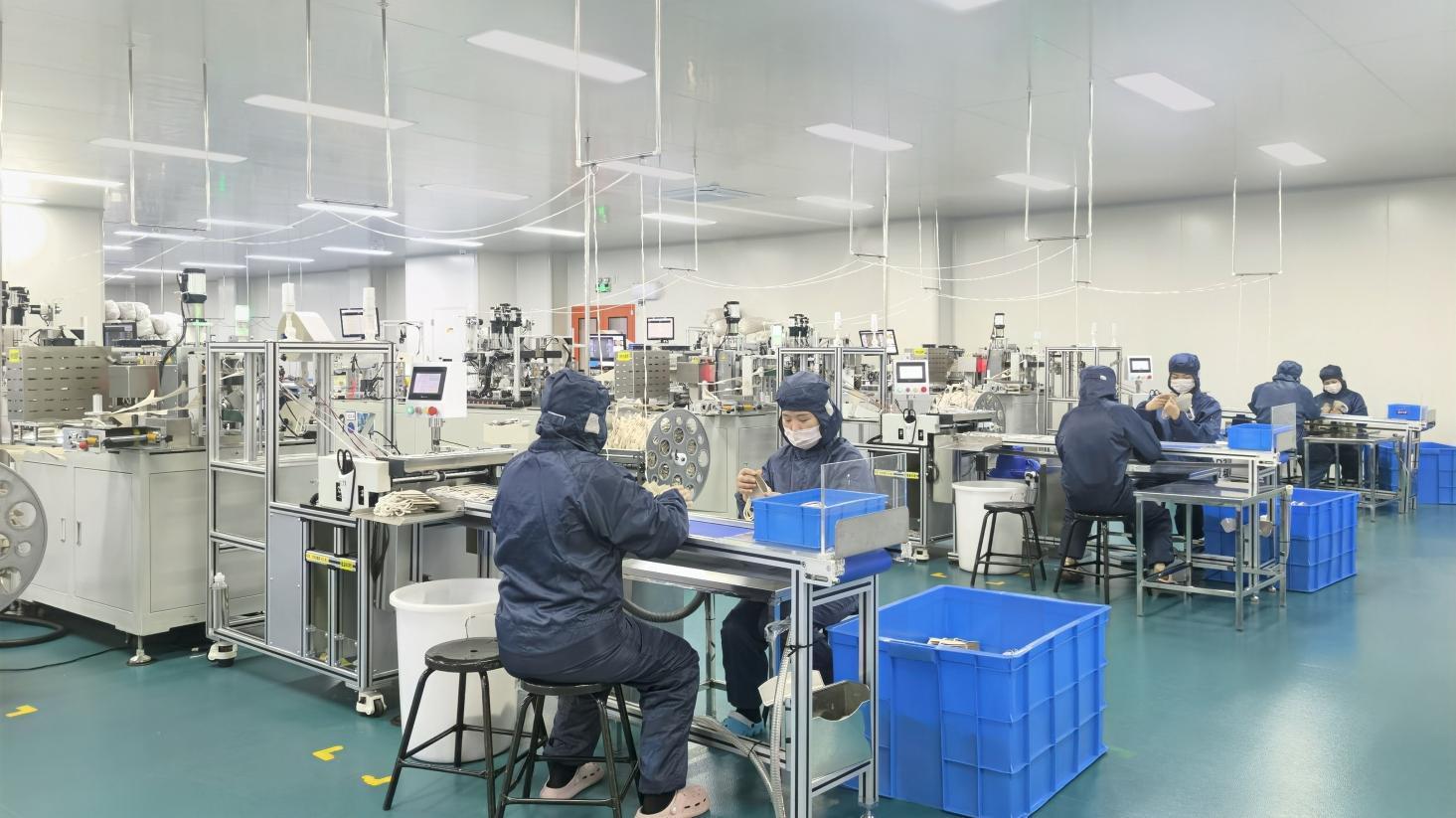
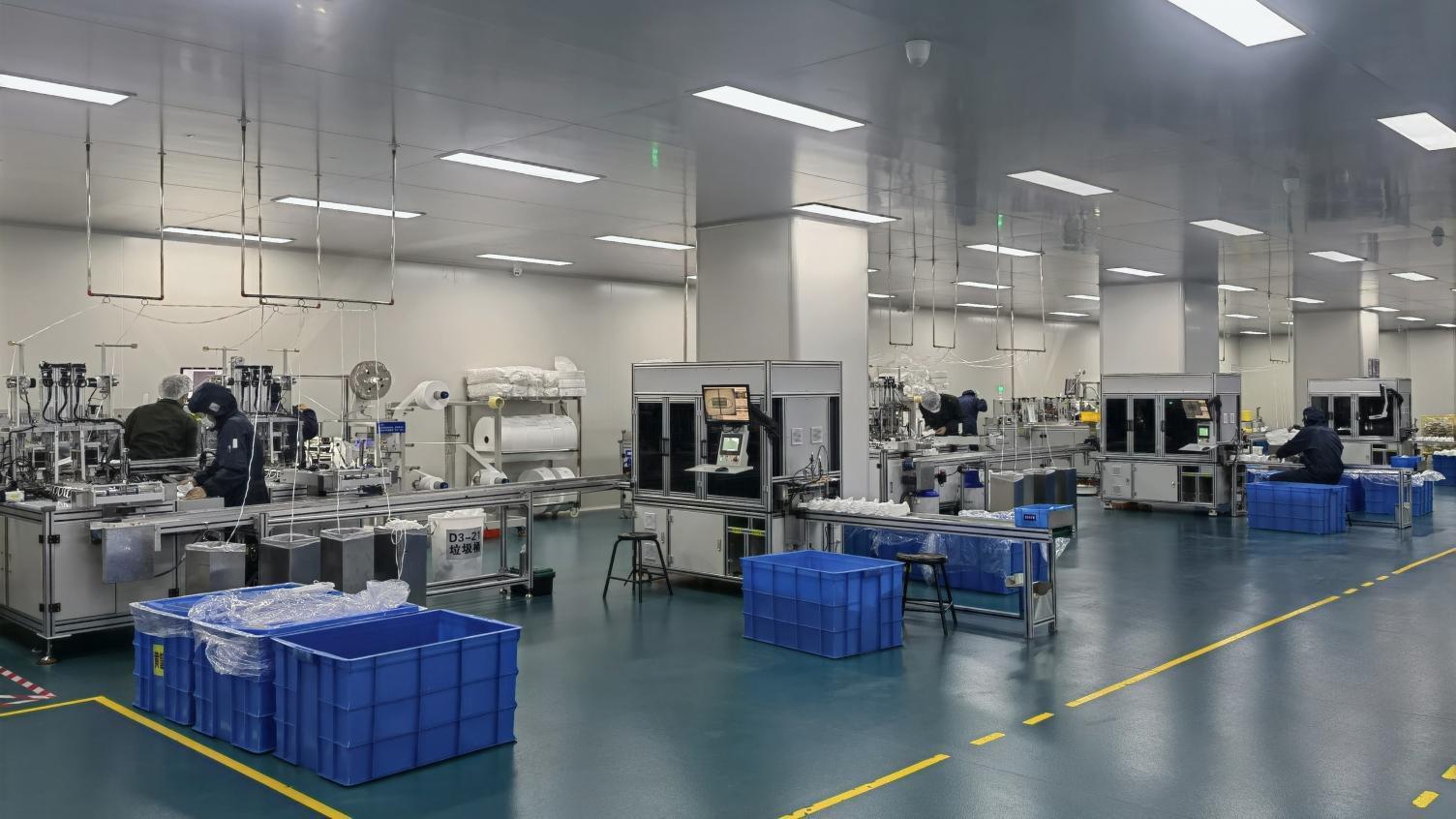
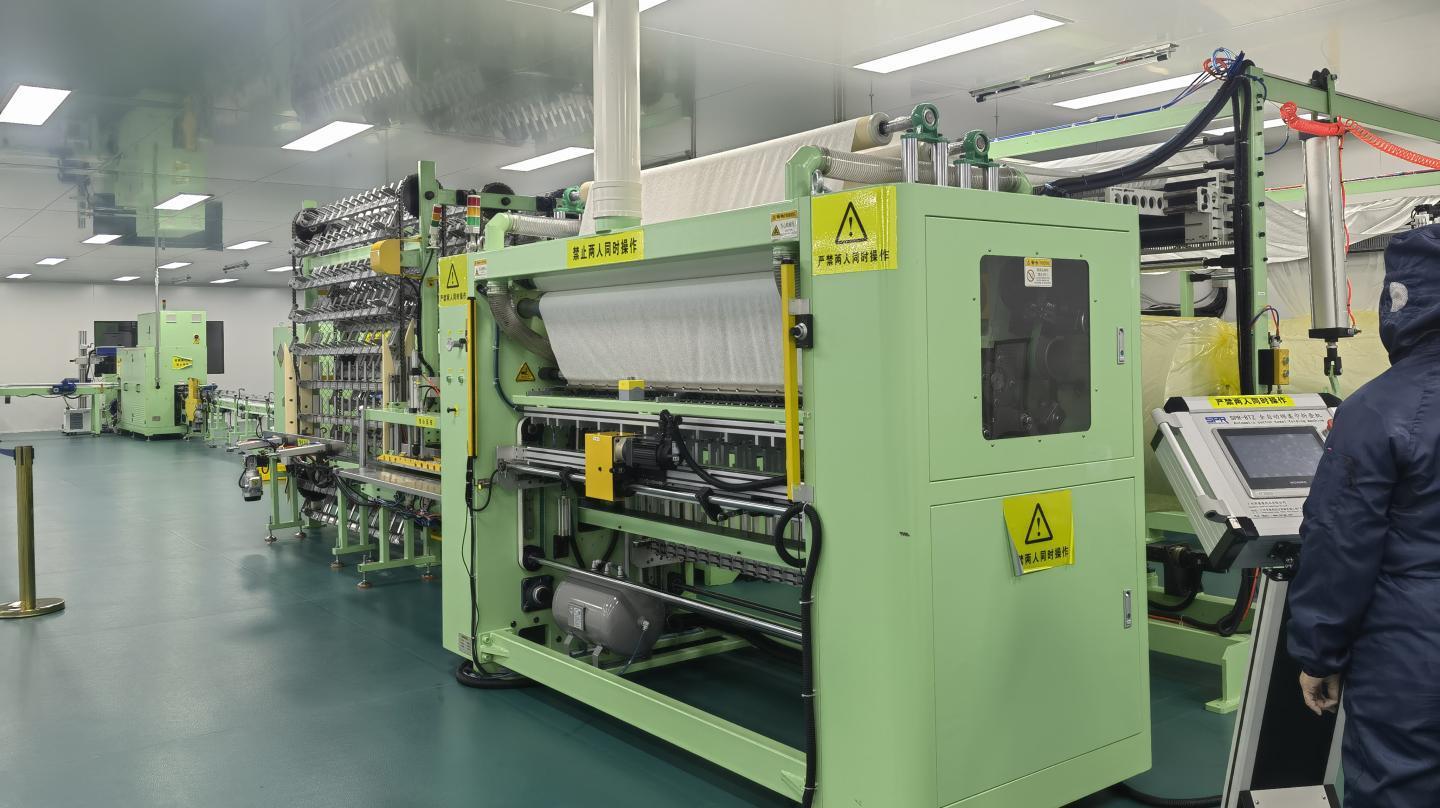
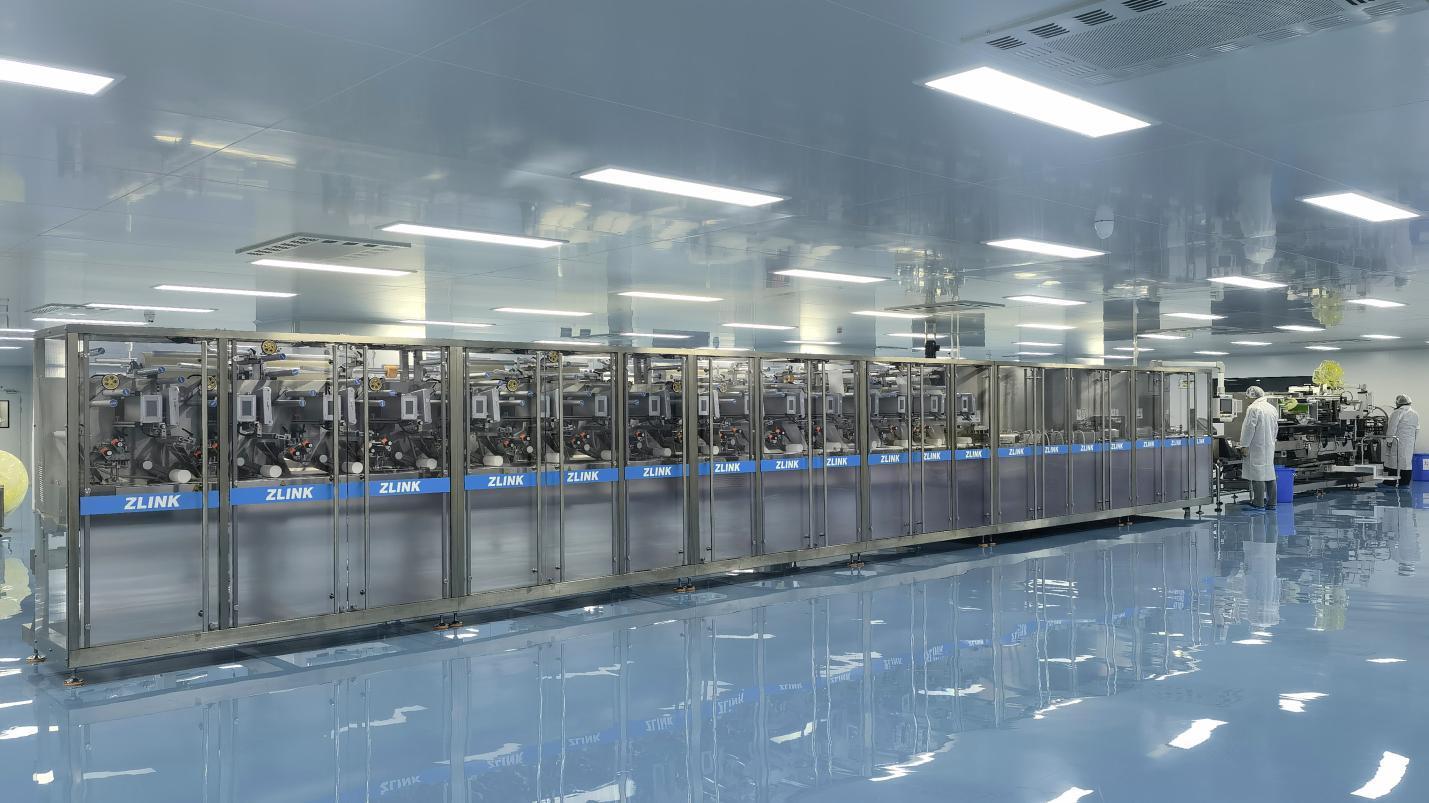
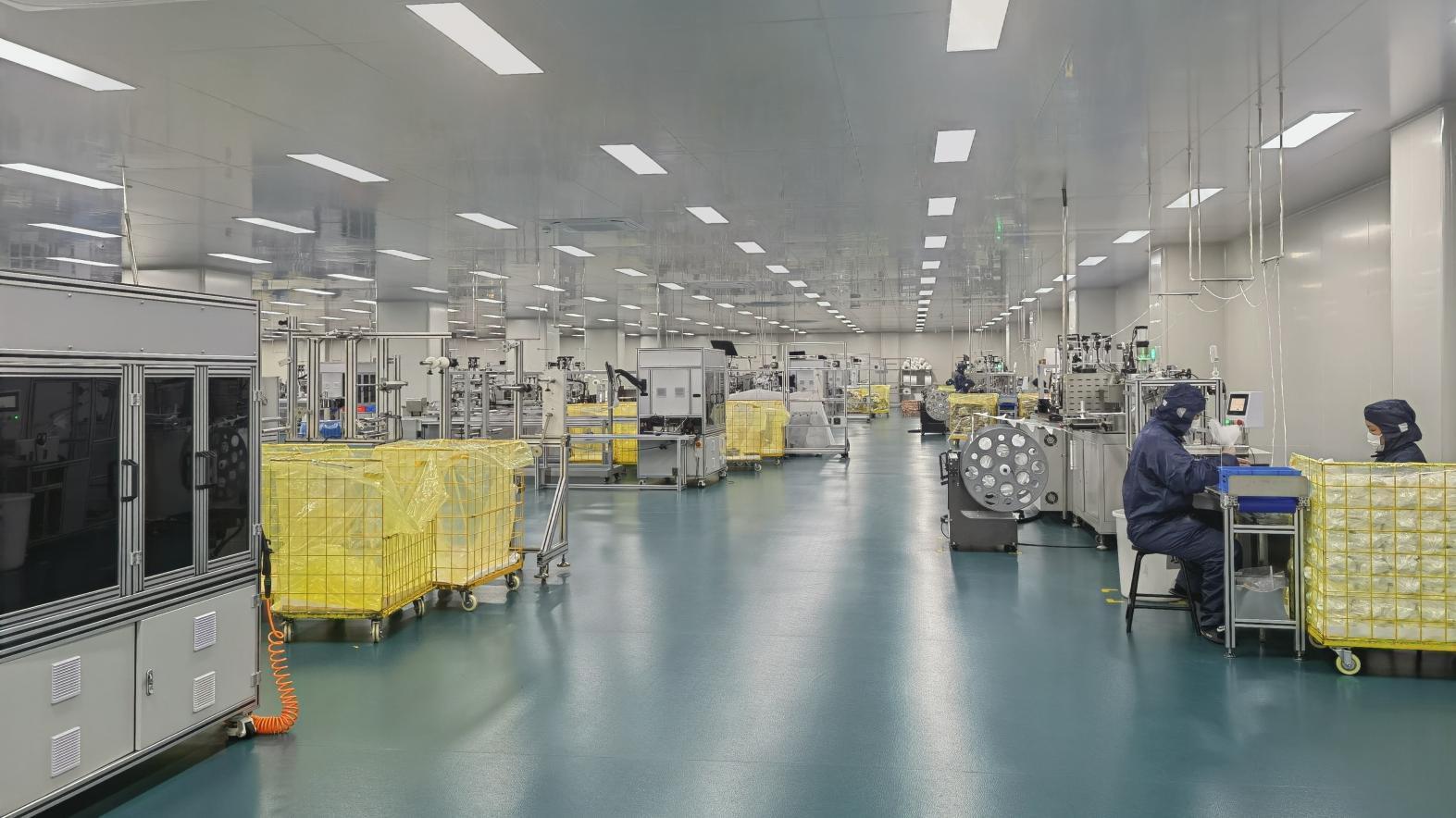
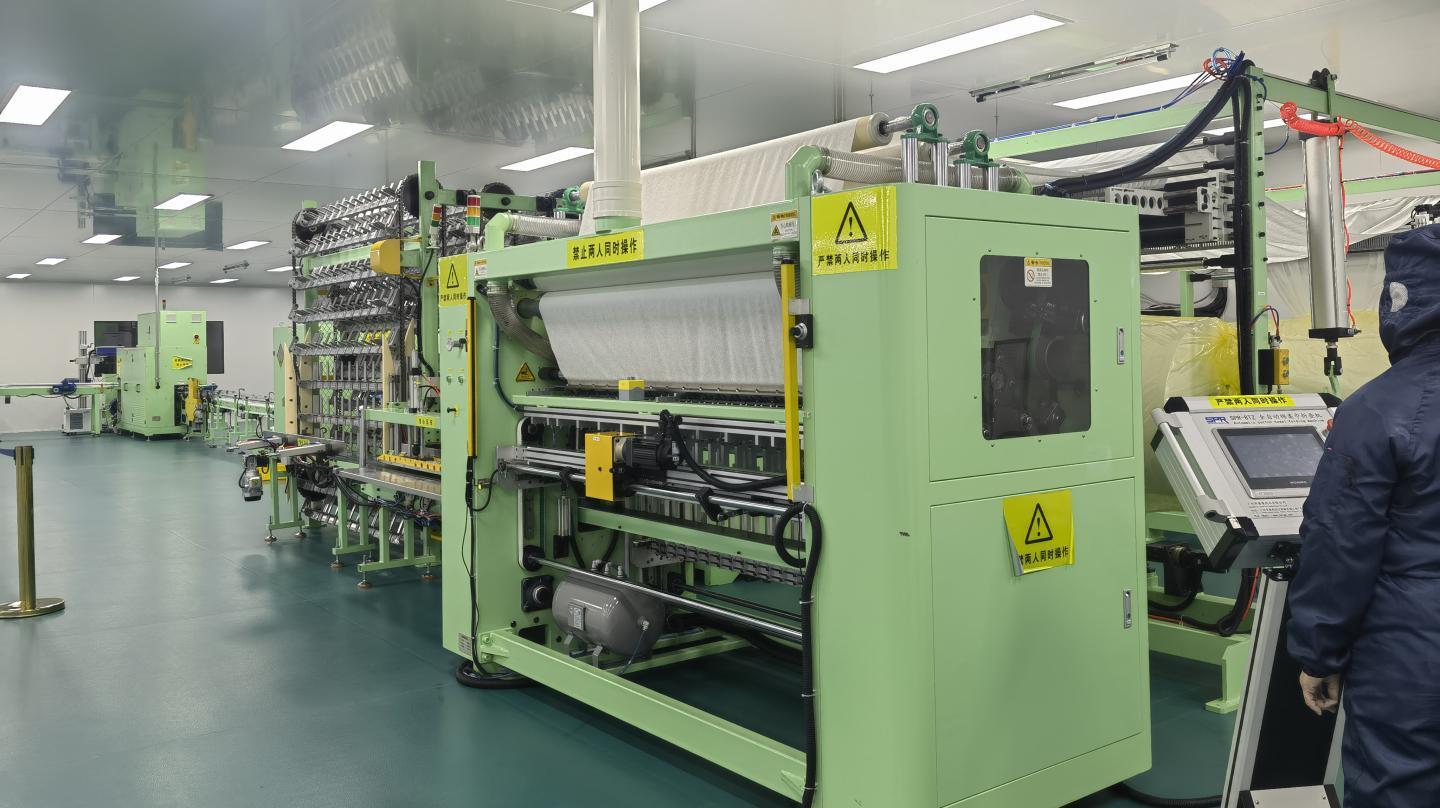
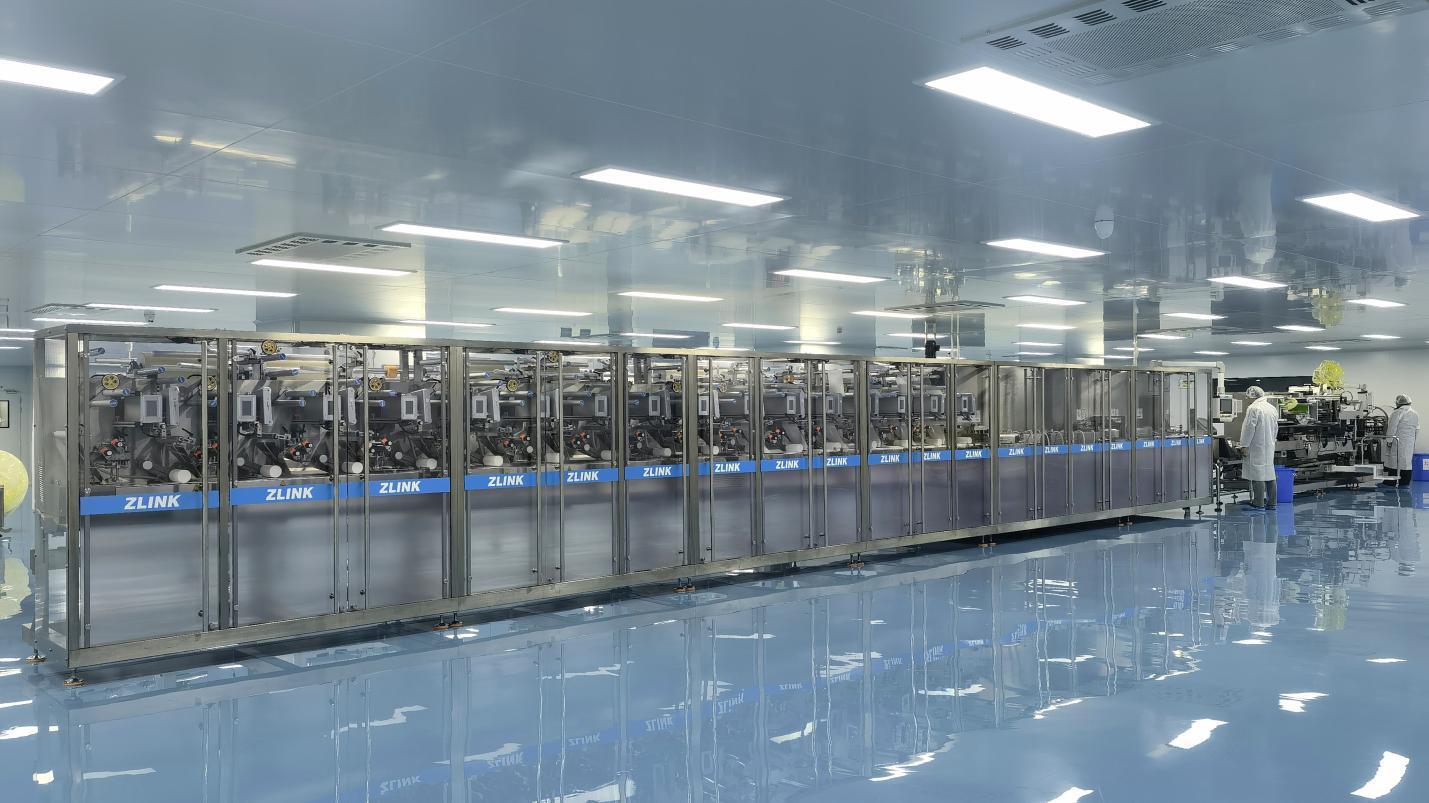
Zhejiang DrSharpe Health Co., Ltd. exemplifies this industrial capability. Our factory operates 5 fully automatic mask production lines and 12 semi-automatic production lines. This blend of equipment enables rapid changes between product types (e.g., standard 3-ply surgical, 3D KF94, pediatric sizes) while maintaining strict dimensional tolerances. Automated camera inspection systems check loop welding positioning, nose wire insertion, and fabric integrity in real-time, reducing human error rates to under 0.05%.
Furthermore, our regional shipping connections, with close proximity to Ningbo and Shanghai ports, ensure direct container logistics to Europe, North America, and East Asia, minimizing transit delays and export handling costs.
Selecting the optimal mask configuration based on occupational environment and safety criteria.
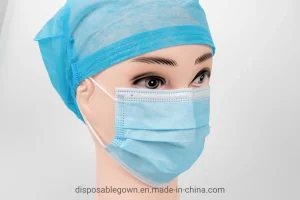
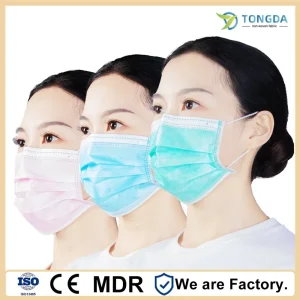
Requires EN14683 Type IIR or FDA Level 3 surgical masks. Fluid resistance (120 mmHg / 160 mmHg) is critical, combined with a secure seal to prevent peripheral leakage during surgical and aerosol-generating procedures.
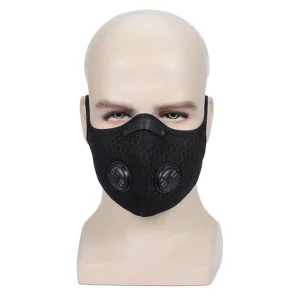
Demands KN95, N95, or FFP2 respirators equipped with optional exhalation valves (where permitted) to discharge moisture and CO₂, minimizing heat accumulation inside the respirator cup during physical labor.
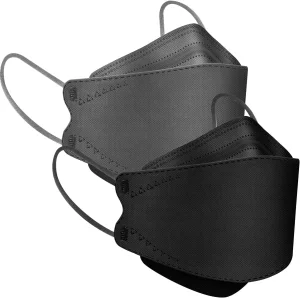
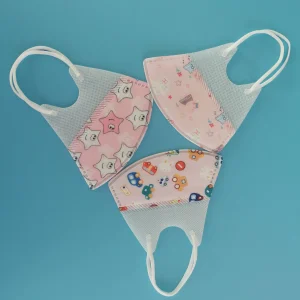
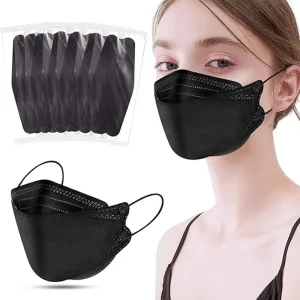
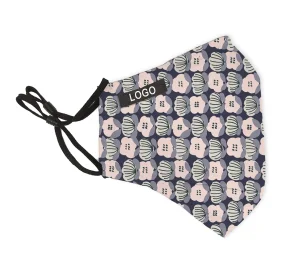
Focuses on aesthetic variety (e.g., black KF94, colored styles) and ear comfort. For children, specialized 3D masks with softer elastic bands are utilized to maintain fit without causing skin chafing.
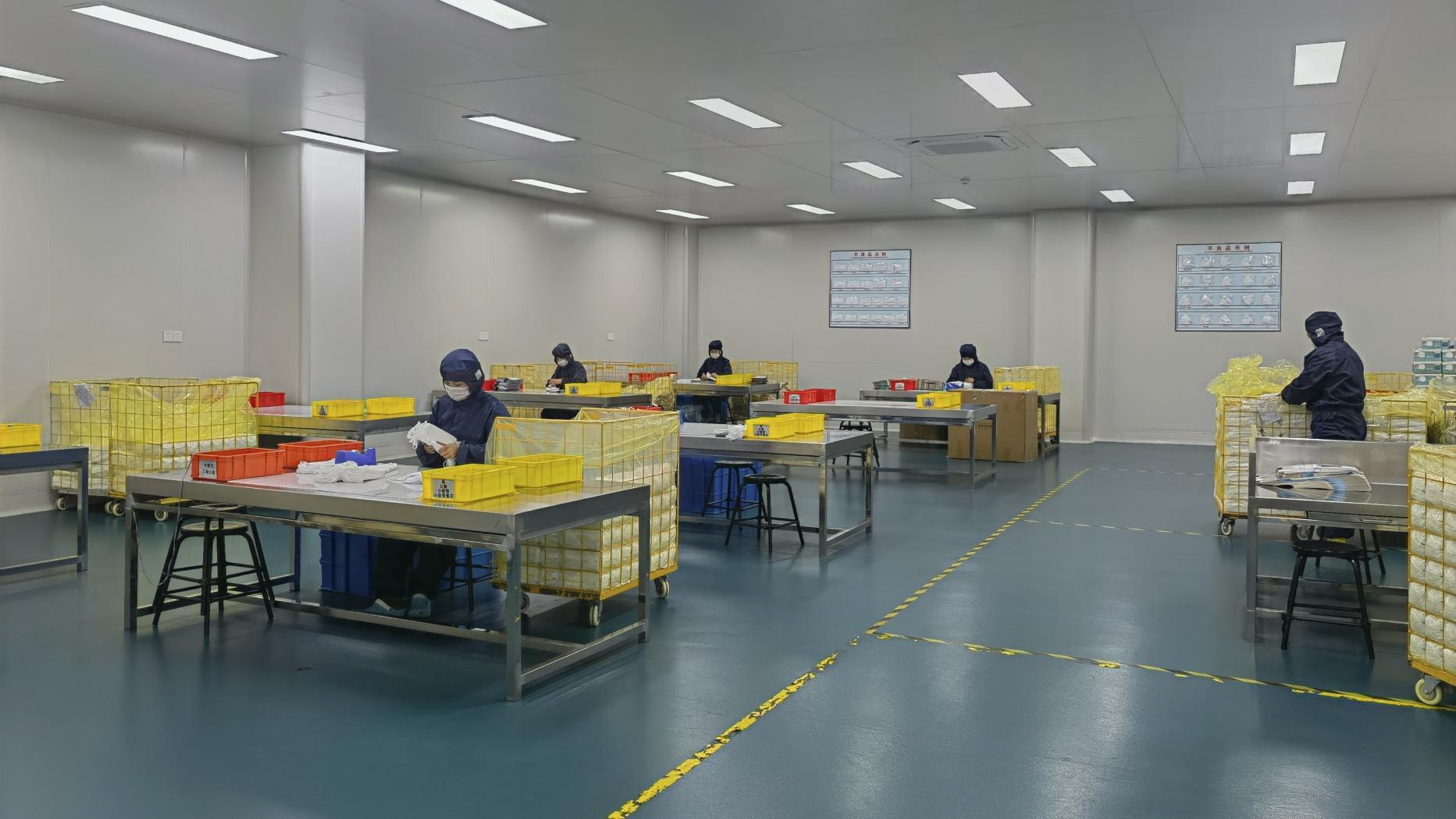
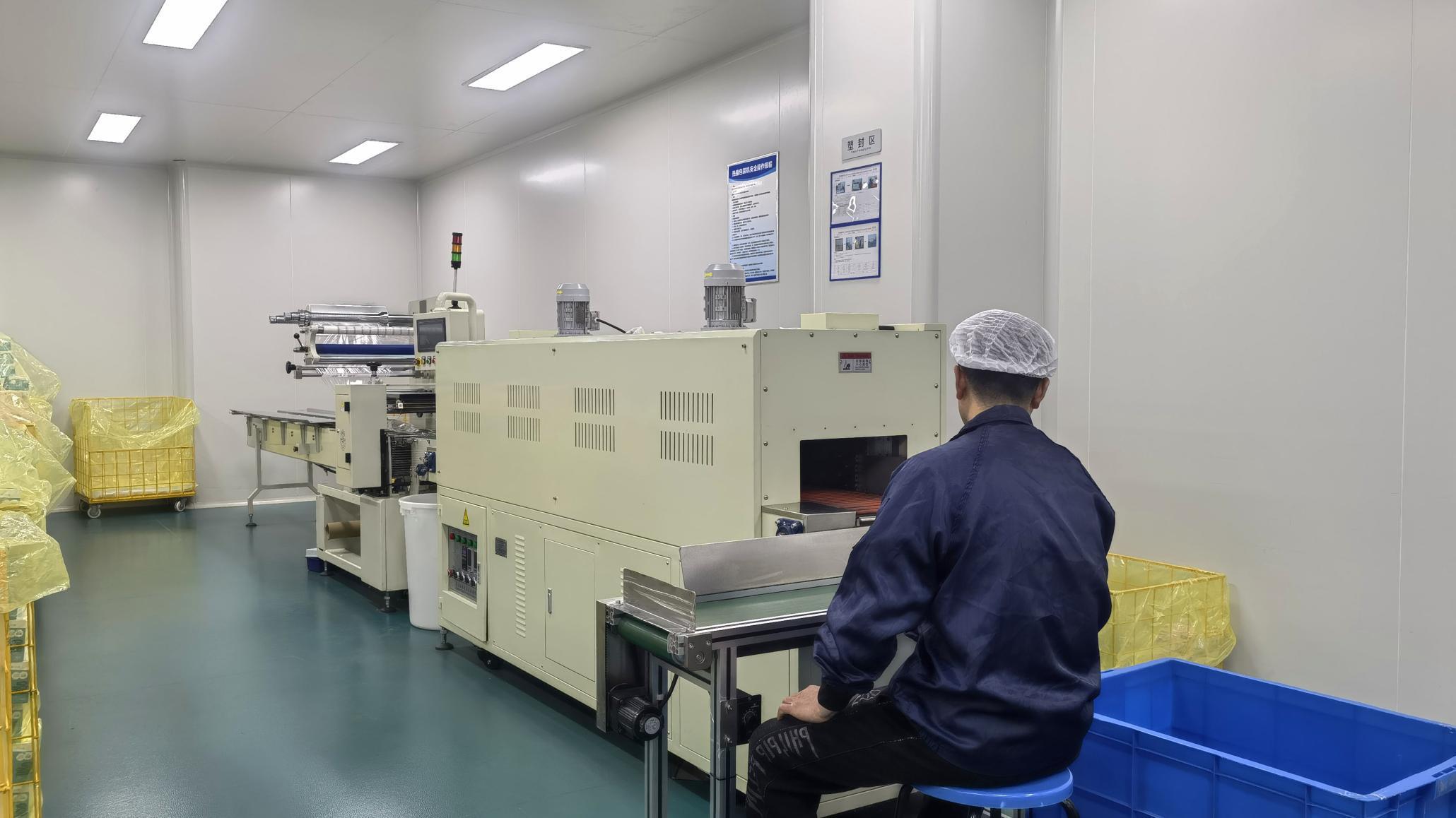
Explore our state-of-the-art facility featuring automatic production lines, cleanrooms, and testing facilities.
Exploring the circular economy and biological compliance inside the protective gear sector.
As corporate social responsibility (CSR) programs gain importance globally, procurement departments are evaluating the carbon footprint of disposable items. The PPE industry is currently undergoing two major transformations:
Traditional masks take decades to degrade due to their polypropylene composition. Top-tier manufacturers are developing designs using Recycled Polyethylene Terephthalate (RPET) and biodegradable spunbond materials that perform comparably to standard plastics while reducing ecological impact.
Integrating non-leaching copper oxide or zinc ions into the outer layers adds active protection. These coatings neutralize captured microbial agents, preventing secondary contamination when handling or disposing of used masks.
Technical answers for procurement officers, quality control teams, and international distributors.
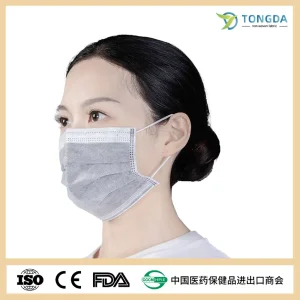
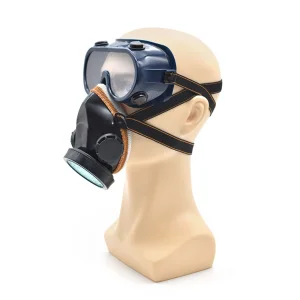
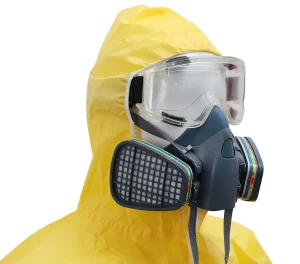
Designed for heavy-duty, outdoor, and specialized industrial settings requiring activated carbon or dust filtration.