DrSharpe Health
DrSharpe Health
DrSharpe Health
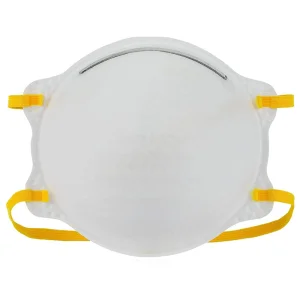
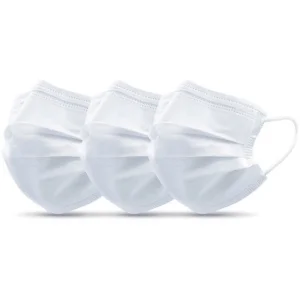
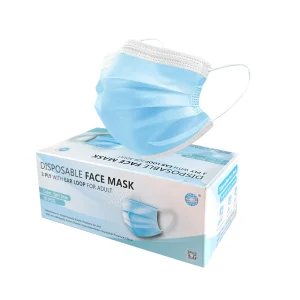
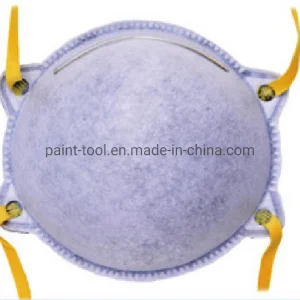
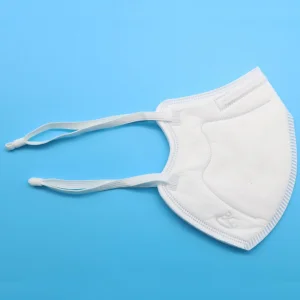
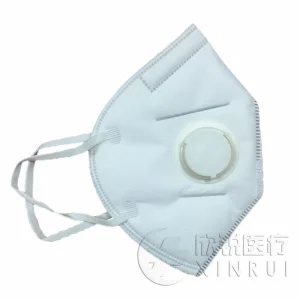
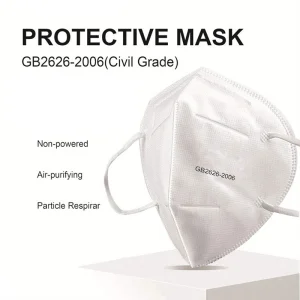
Explore our top-tier protective solutions, engineered utilizing next-generation micro-structured polymers and high-performance meltblown layers, compliant with global regulatory standards.
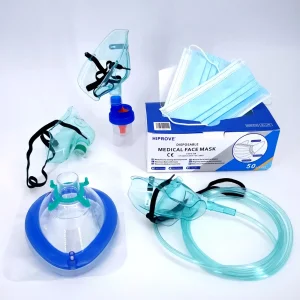
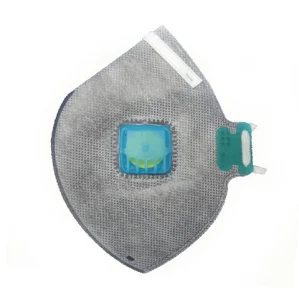
For eye-wear wearers, especially medical professionals, industrial technicians, and first responders, the interaction between warm exhalation and cold optical glass surfaces constitutes a significant occupational hazard. When warm, moisture-laden breath rises from the top gap of a standard mask, it contacts lenses that are typically at ambient temperature. This differential induces rapid condensation, creating millions of micro-droplets that scatter light—a phenomenon commonly referred to as "fogging."
Standard personal protective equipment (PPE) often neglects the complex thermo-fluid dynamics of exhalation. Premium anti-fog glasses masks resolve this issue by integrating advanced, form-fitting physical seals, directional airflow channels, and specialized hydrophobic filtration media that actively redirect humid air sideways and downwards, rather than upwards into the optical line of sight.
Global procurement departments utilize strict evaluation rubrics to assess manufacturing capability, material science integrity, and overall regulatory alignment.
Leading factories employ premium closed-cell memory foams or thermoplastic elastomers (TPE) that contour precisely to the nasal bridge, creating an impermeable barrier against upward breath leakage.
Advanced manufacturers do not simply glue foam to paper; they weld components ultrasonically to avoid chemical skin reactions, ensuring high structural integrity and wearer comfort during extended use.
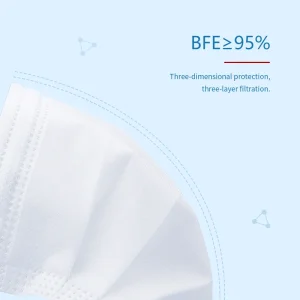
Products must meet international compliance standards (BFE >99% and PFE >99%) under certified testing bodies such as Nelson Labs, adhering to EN 14683 Type IIR or NIOSH N95 guidelines.
The primary source of failure in cheap anti-fog face masks is the degradation of the adhesive holding the anti-fog nose bridge. Over time, facial oils degrade low-grade glues, resulting in detachment. Tier 1 factories, such as Zhejiang DrSharpe Health Co., Ltd., mitigate this failure rate entirely by implementing co-extrusion and heat-press bonding technology.
Zhejiang DrSharpe Health Co., Ltd. is a professional manufacturer and global supplier specializing in disposable medical and healthcare products, especially high-quality face masks and protective solutions. With strong manufacturing capabilities, advanced production technology, and strict quality management, DrSharpe is committed to providing safe, reliable, and comfortable healthcare products for customers worldwide.
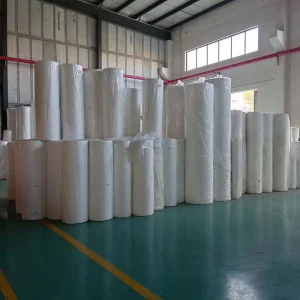
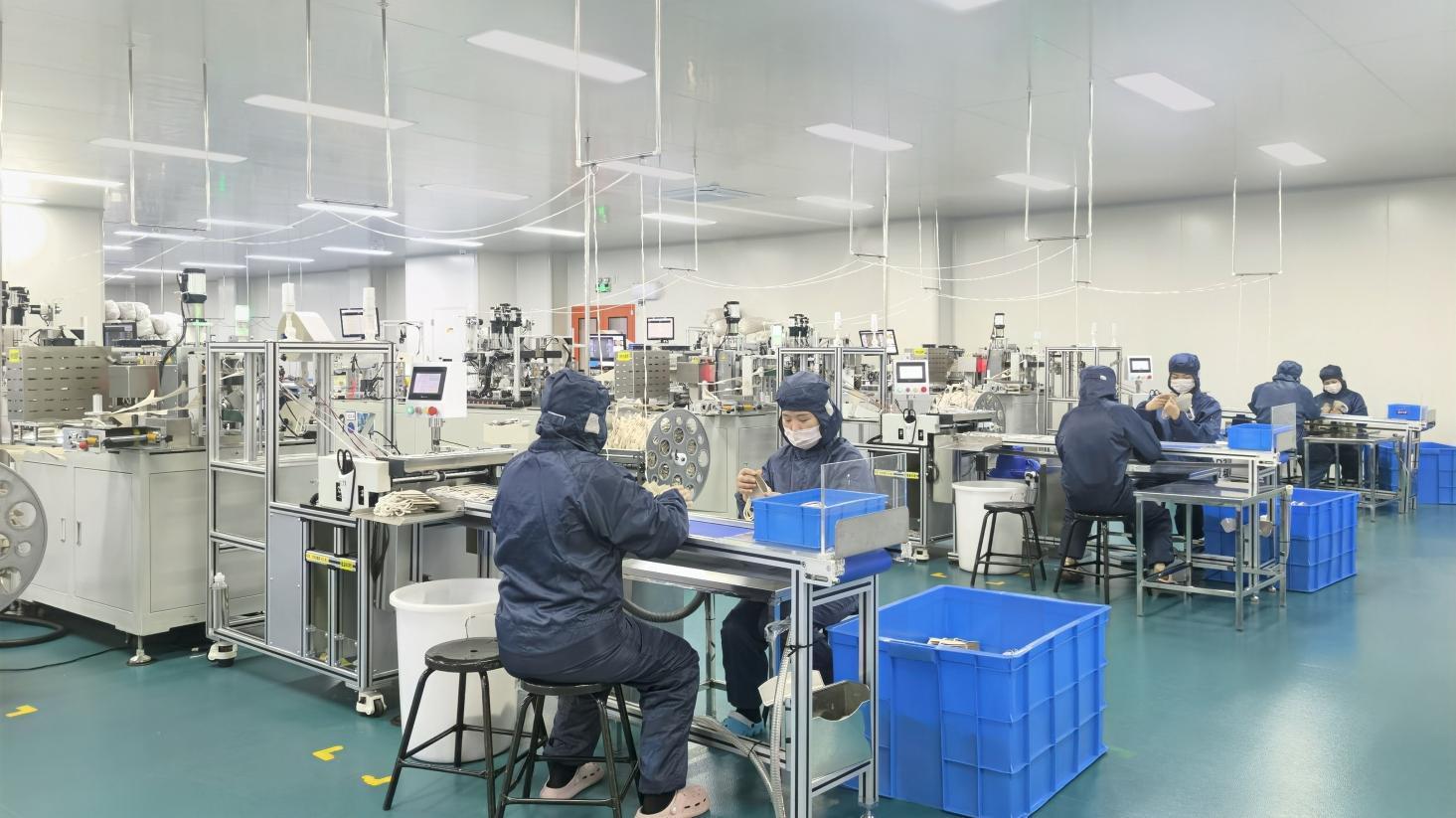
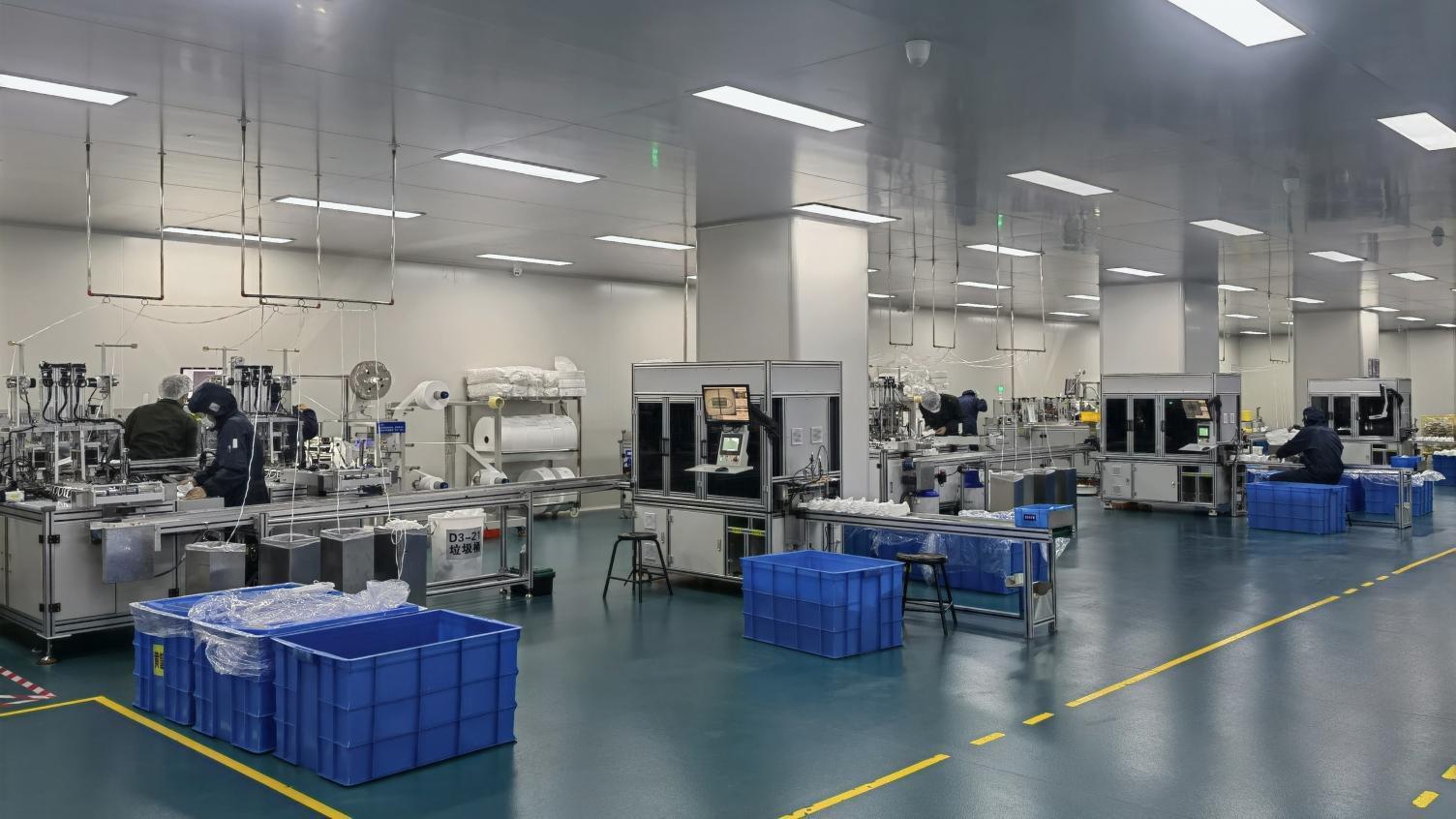
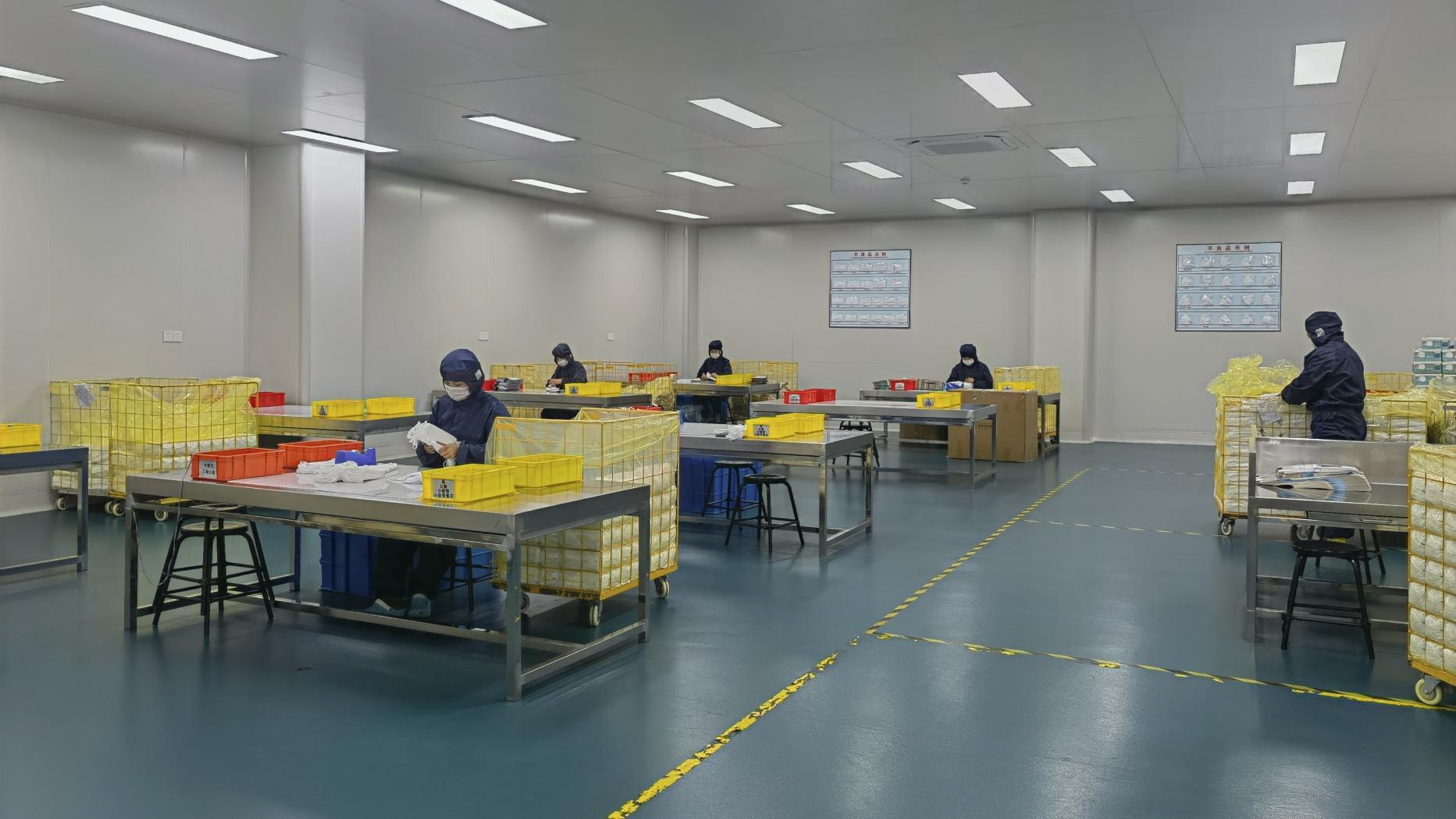
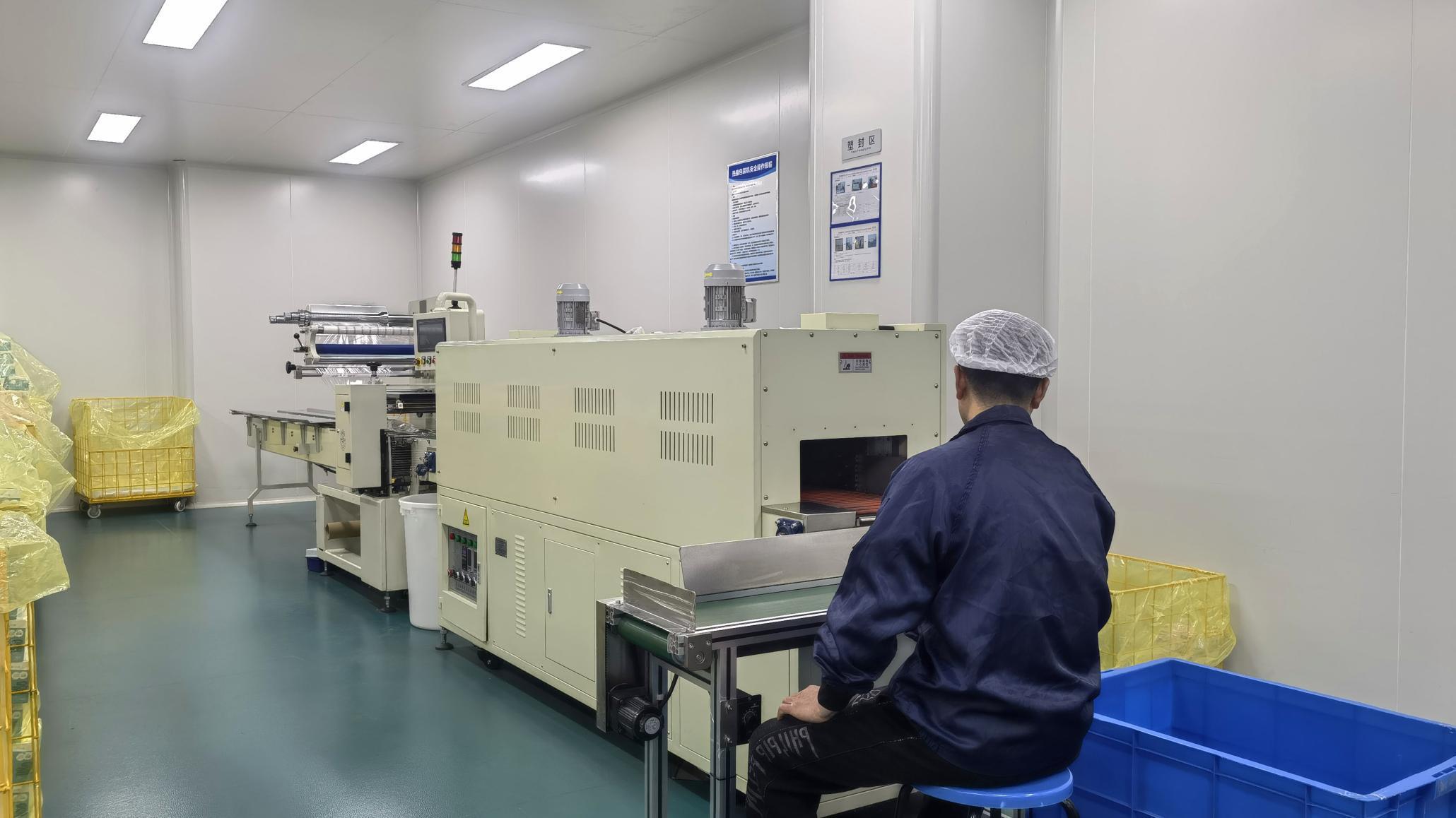
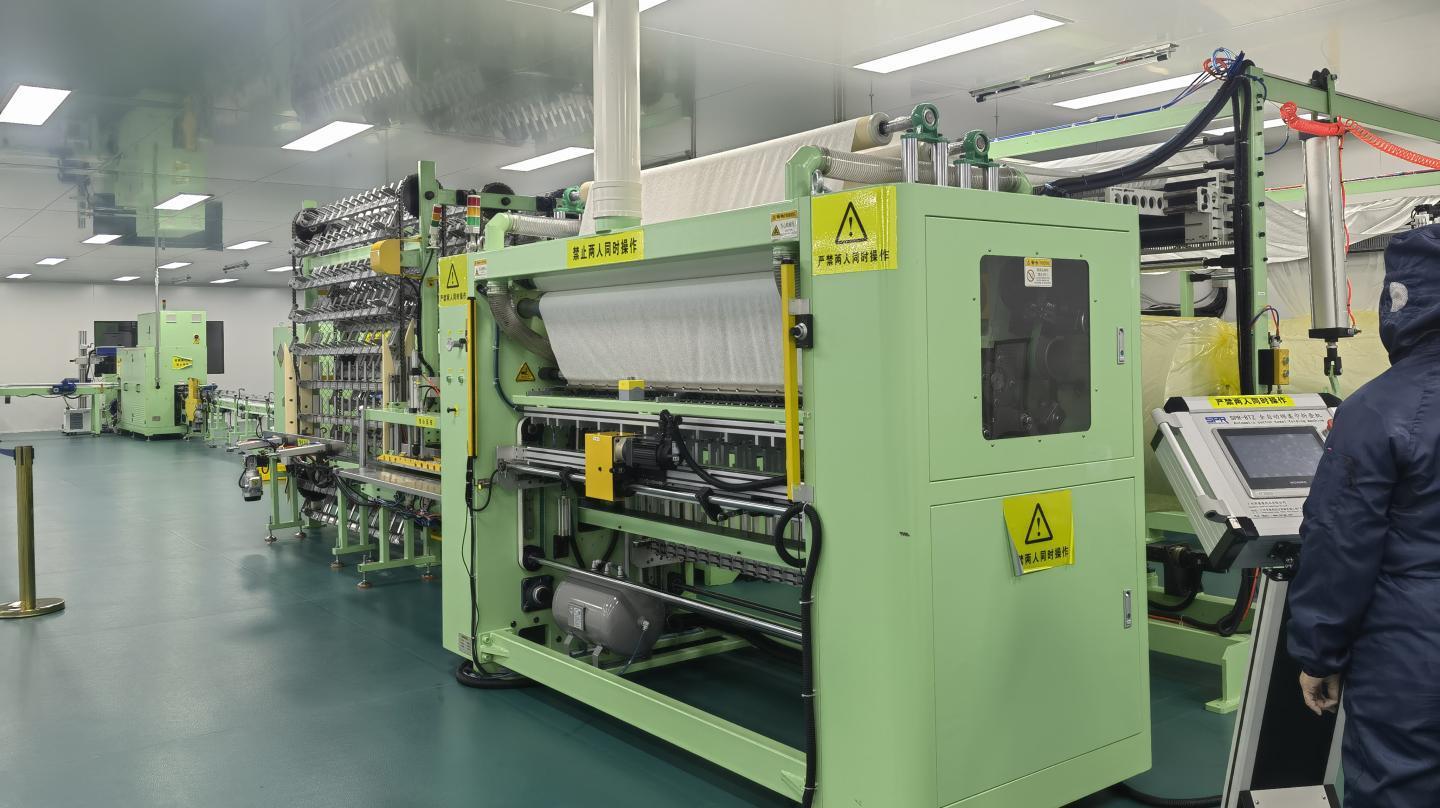
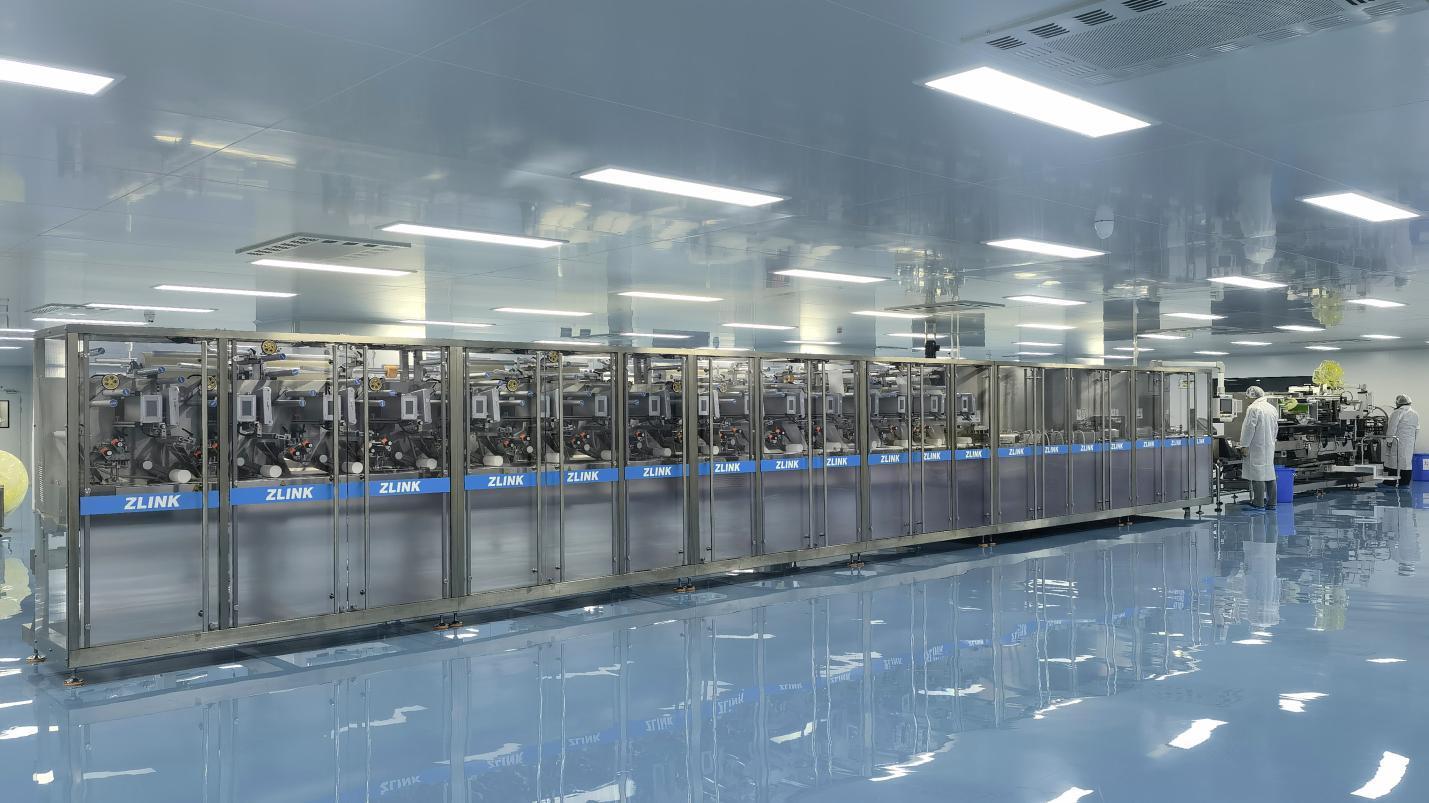
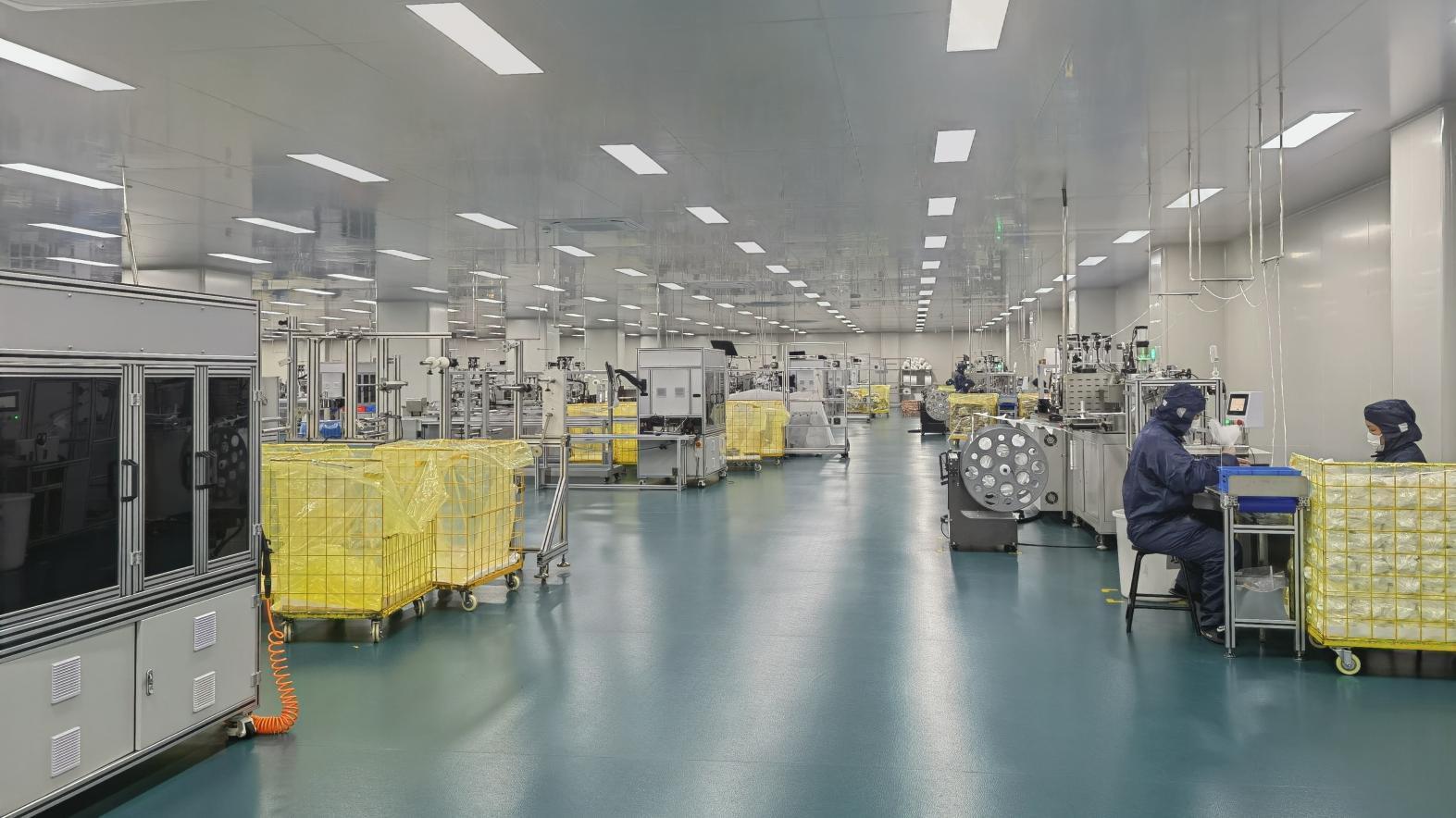
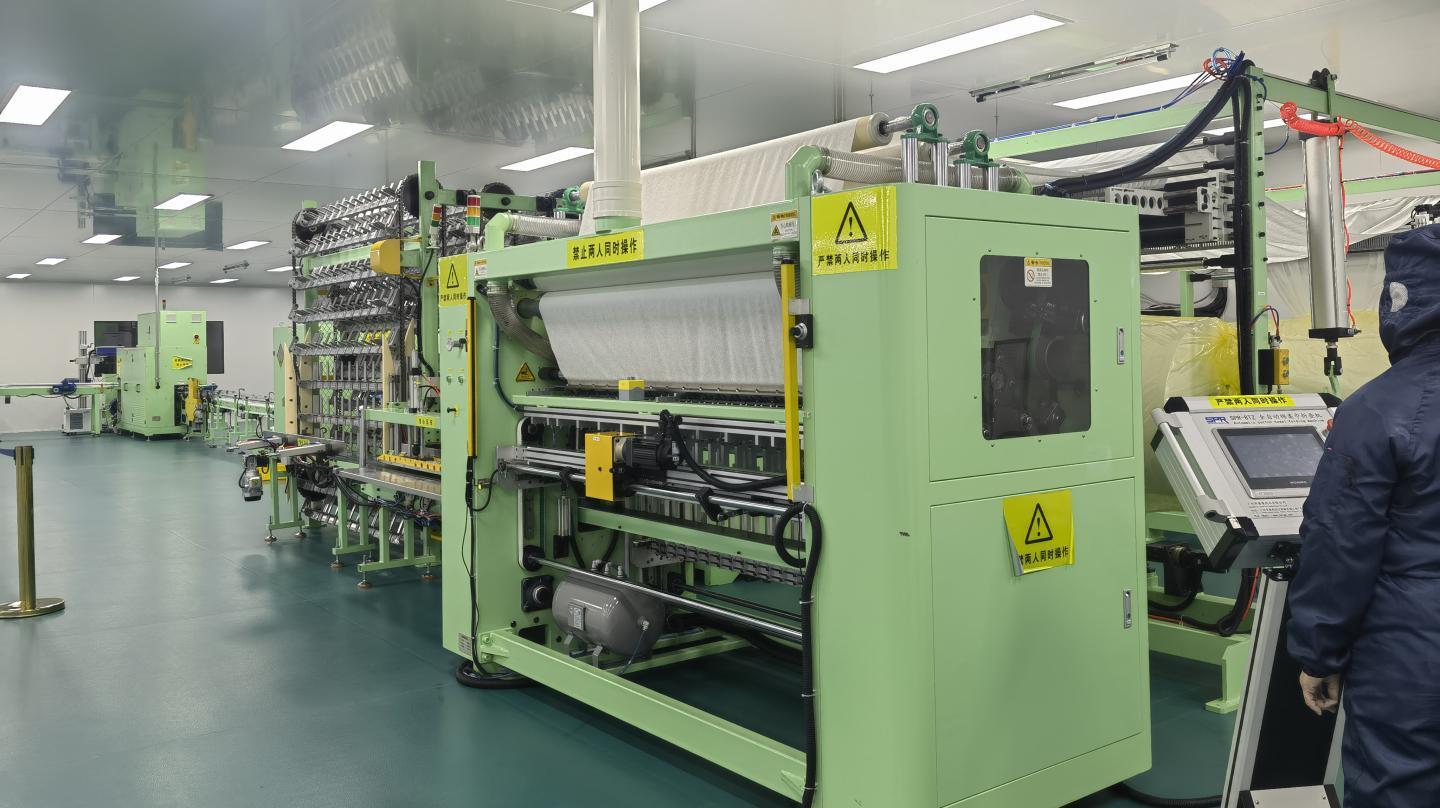
Our production facilities represent the cutting edge of domestic manufacturing. We operate a highly structured manufacturing system designed to meet massive scale requirements without compromising on micro-millimeter precision. From raw material selection to final packaging, we strictly control every production process to ensure stable quality and reliable supply. Our products are widely exported to critical international markets including the United States, Europe, Japan, Mexico, Germany, and the United Kingdom.
| Equipment Type | Quantity Available | Technology Description | Target Output / Standard |
|---|---|---|---|
| Fully Automatic Mask Production Machines | 5 Units | High-speed multi-layer feeding, ultrasonic welding, automatic nose clip insertion | Zero-contact manufacturing, optimized for high-volume orders |
| Semi-Automatic Mask Production Machines | 12 Units | Precision-adjustable feeding guides for specialty custom sizing and OEM structures | High flexibility for customizable anti-fog specifications |
| Quality Inspection Systems | Integrated Lines | Computer vision sensors for dimensional tolerance and strap strength testing | Meets CE, US FDA, and US EUA performance metrics |
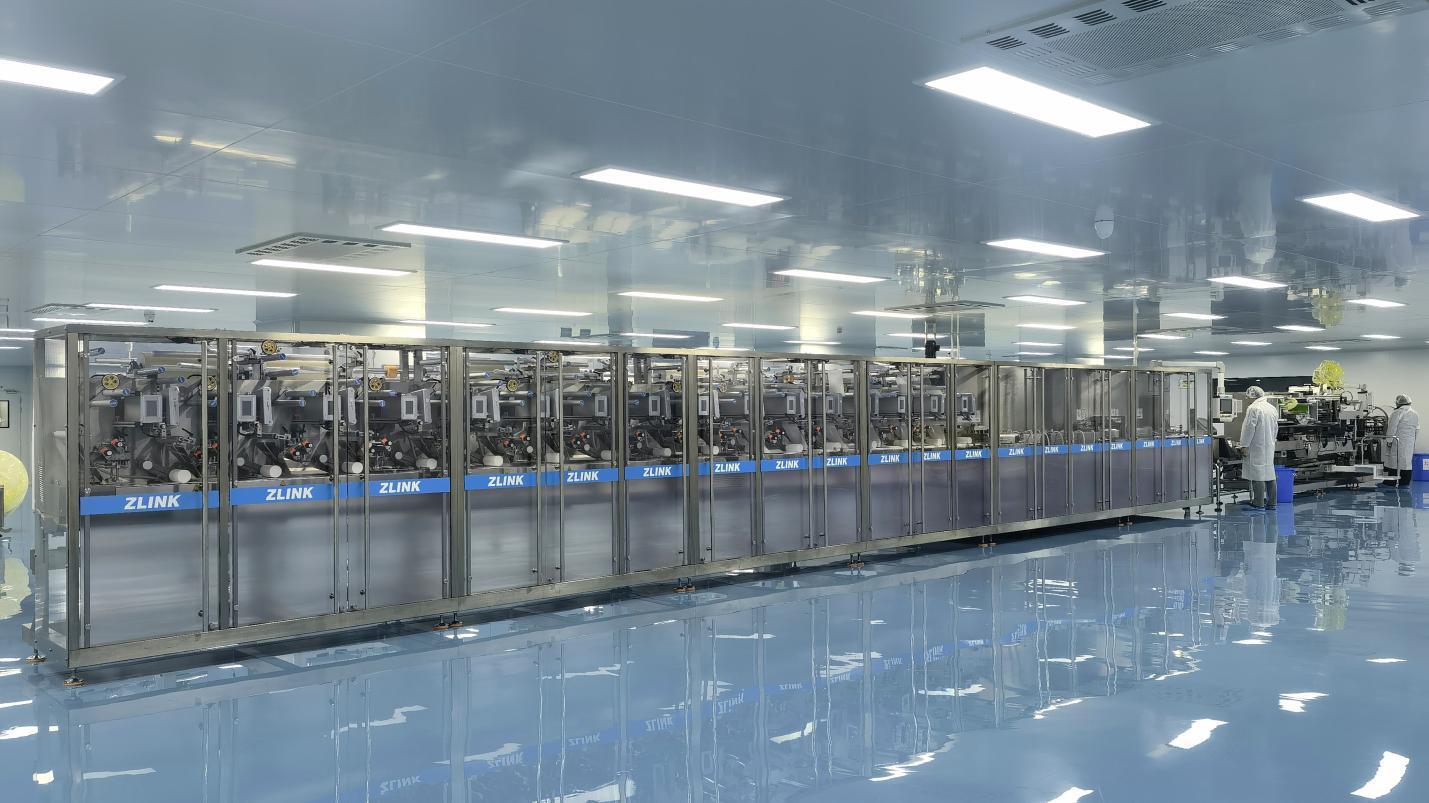
Visualizing our dedication to cleanliness, automated manufacturing systems, and rigorous quality check protocols.
Anti-fog personal protective wear is not a one-size-fits-all product. Different geographic regions and industrial micro-environments demand specific product adaptations to guarantee utility, safety, and operational efficiency:
The progression of protective facial equipment is moving away from static barrier methods toward active material science. Below is the multi-generational technical roadmap developed by industrial research consortia, highlighting key technological phases.
Why do global medical organizations, government stockists, and major industrial distributors turn to Chinese manufacturing hubs like Zhejiang for their critical protective gear supplies? The answer lies in the highly optimized industrial ecosystem:
Factories in China are typically situated within short logistical distance of primary raw material facilities. Polypropylene polymer processors, meltblown non-woven manufacturers, elastic yarn producers, and packaging printers form tight industrial clusters. This geographical proximity reduces transit times and transport emissions while shielding production from global material price spikes.
DrSharpe’s facility utilizes 5 fully automatic production machines alongside 12 semi-automatic systems. In modern Chinese plants, manual sorting has been replaced by machine-vision inspection. High-resolution optical sensors identify and reject defects in nose-clip positioning, ear-loop tensile strength, and seam welds at speeds exceeding 500 units per minute. This degree of automation guarantees a remarkably low defect rate on large-scale shipments.
With direct access to major global deep-water shipping lanes via Ningbo-Zhoushan and Shanghai ports, China’s medical supply chains ensure rapid shipping turnarounds. Even during peak seasonal shipping congestion, local manufacturers can scale production up or down dynamically, ensuring container load optimization and minimizing transit lead times for overseas buyers.
Importing personal protective equipment requires navigation of complex regulatory frameworks. Procurement directors must verify that suppliers possess valid documentation to prevent customs seizures and ensure patient safety. Outstanding global factories operate under the following strict compliance architectures:
| Regulatory Standard | Target Region | Core Requirements & Thresholds | DrSharpe Compliance Status |
|---|---|---|---|
| FDA / EUA | United States | Registration of manufacturing sites, listing of device codes, evaluation of material biocompatibility and fluid resistance | Fully registered and active under FDA / EUA protocols |
| CE Certification (EN 14683 Type IIR) | European Union | BFE ≥ 98%, breathability (Delta P) < 60 Pa/cm², splash resistance pressure ≥ 16.0 kPa | CE Compliant with certified third-party laboratory reports |
| NIOSH Approved N95 | Global / US Industrial | Sodium chloride (NaCl) particulate filtration efficiency of 95% or higher at flow rates of 85 L/min | Select product categories verified and compliant |
Beyond baseline compliance, localization support includes customized packaging, multilingual manuals (English, German, Spanish, French, etc.), and localized warehousing support. Providing clear regulatory documentation at customs checkpoints reduces administrative friction and accelerates market entry for distributors worldwide.
Expert answers regarding technical performance, OEM/ODM processes, and material specifications for anti-fog protective solutions.
Premium medical, industrial, and daily-use protective solutions. Secure your supply chains directly from our certified manufacturing lines.