DrSharpe Health
DrSharpe Health
DrSharpe Health
Certified protective equipment designed for clinical environments, heavy industry compliance, and pediatric daily safety.
In the contemporary landscape of occupational health, global sanitation standards, and biological defense systems, selecting a respiratory protection supplier is no longer a matter of basic utility sourcing. It is a critical risk mitigation decision. As a premier China wholesale personal protection mask factory and exporter, Zhejiang DrSharpe Health Co., Ltd. stands at the intersection of medical engineering and smart, high-capacity manufacturing.
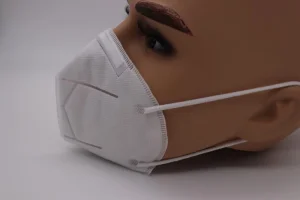
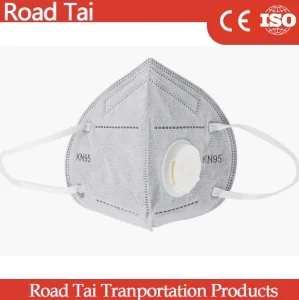
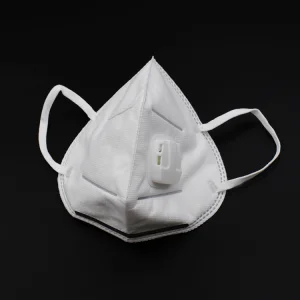
Industrial procurements require absolute assurance of filtration efficacy, bio-compatibility, and operational longevity. When assessing safety barriers like particulate respirators (N95/KN95/FFP2) and clinical surgical masks, corporate procurement officers must audit factories on complex criteria: the uniformity of melt-blown polymer fibers, electrostatic charge retention, aerodynamic breathing resistance, and comprehensive certification alignments such as CE, US FDA, and US EUA.
At DrSharpe, we integrate raw material inspection with automatic optoelectronic defect scanning, ensuring that every batch leaving our factory guarantees 99% Bacterial Filtration Efficiency (BFE) and 99% Particle Filtration Efficiency (PFE). This empirical baseline underpins our operations and guarantees security for healthcare agencies, industrial conglomerates, and retail channels worldwide.
The global respiratory protection market is undergoing a structural transition from emergency pandemic supply-acquisition models to sustainability-driven, high-comfort, and specialized application models. The key trends driving this industrial evolution include:
Traditional melt-blown media relied on thick layers to achieve high filtration, which increased inhalation resistance. Modern standards utilize electrostatic charge implantation within sub-micron melt-blown fibers or integration of nanofiber membranes. This produces a lightweight structure that captures particles efficiently without compromising breathability.
With massive daily mask consumption, ecological damage from single-use plastics has become a priority for governments. The industry is researching PLA (polylactic acid) and biodegradable non-woven alternatives. While standard PP (polypropylene) remains the benchmark for clinical safety, biodegradable structures are increasingly requested for everyday civilian protection.
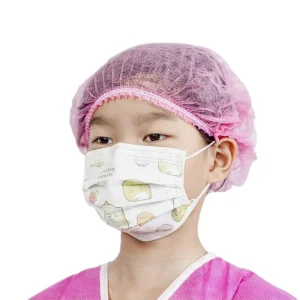
A mask's protection is only as effective as its facial seal. Recent innovations focus on 3D folding styles that conform to diverse facial profiles. Specialized designs for pediatric demographics (such as our 3D cartoon printed masks) and ergonomic adjustments like PU sponge nose-bridges and customizable elastic earloops reduce leakage and pressure points during extended wear.
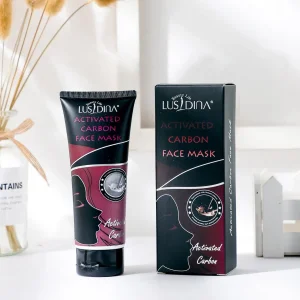
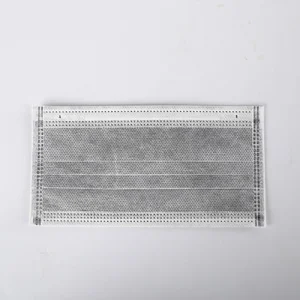
Expert Insight: The integration of active carbon filters and gas-sorption layers within disposable form factors has expanded mask utility. These masks now bridge the gap between particulate filtration and low-concentration organic vapor absorption in light chemical manufacturing.
For enterprise purchasing managers, safety directors, and international distributors, evaluating a PPE supplier requires analyzing operational and regulatory risks. Sourcing from a China personal protection mask factory requires verifying compliance frameworks and quality documentation:
Products must align with regional import requirements. In the USA, NIOSH N95 standards or FDA 510(k) clearances govern medical respirators. In the European Union, CE markings verify compliance with EN 14683 for medical masks and EN 149 for particulate respirators. Suppliers must provide valid certificates and testing reports from accredited laboratories like Nelson Labs or SGS.
Masks must not leach skin irritants or volatile chemicals. Sourcing departments demand materials that are latex-free, fiberglass-free, and hypoallergenic. The spunbond skin-contact layers must be manufactured under strict hygienic guidelines to prevent contamination.
Lead times, packing dimensions, freight optimization, and container capacity affect landing costs. An established exporter must offer custom packaging (OEM/ODM), clear labeling (barcodes, batch numbers, expiration dates), and reliable booking channels to manage fluctuating shipping rates.
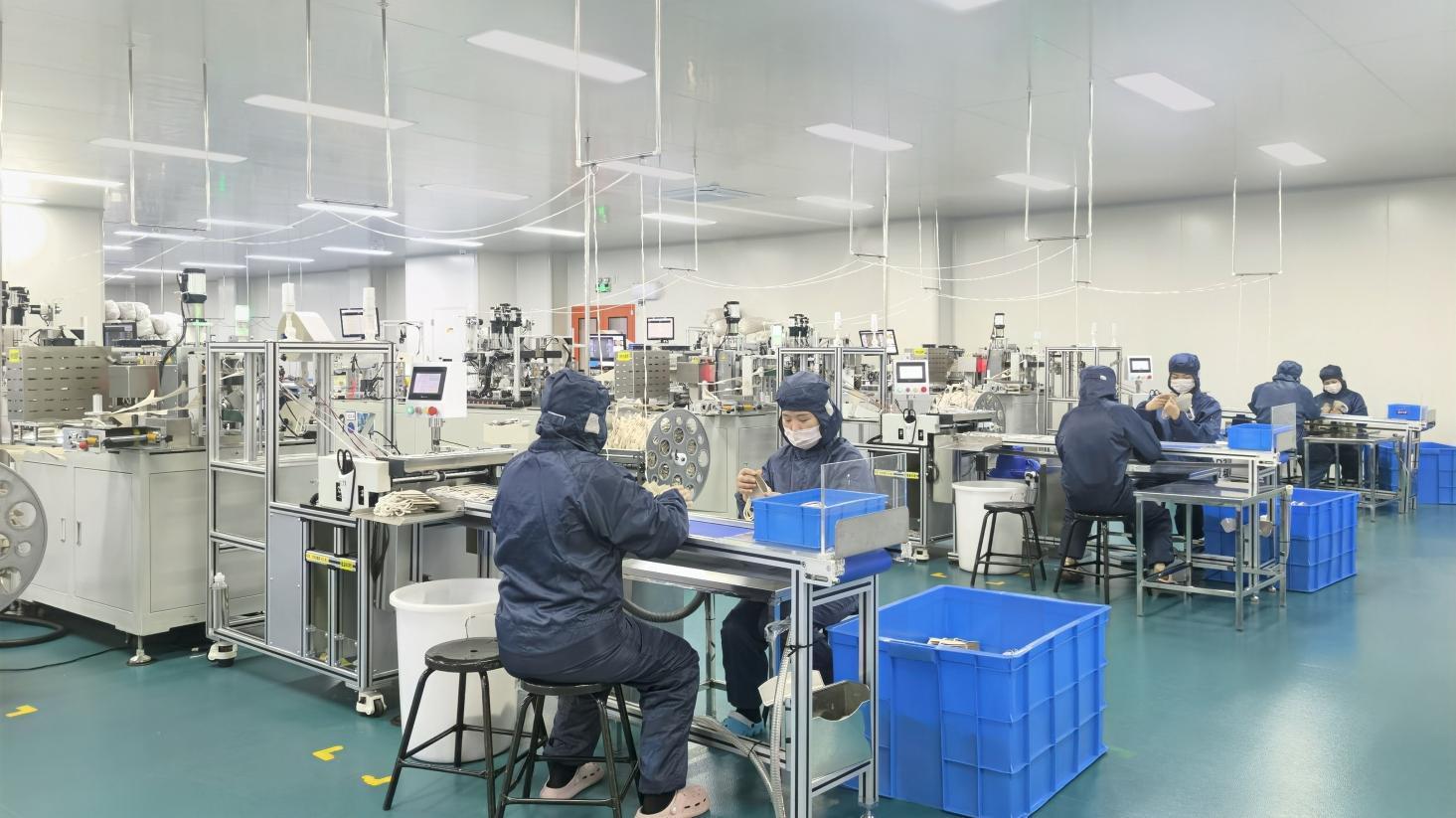
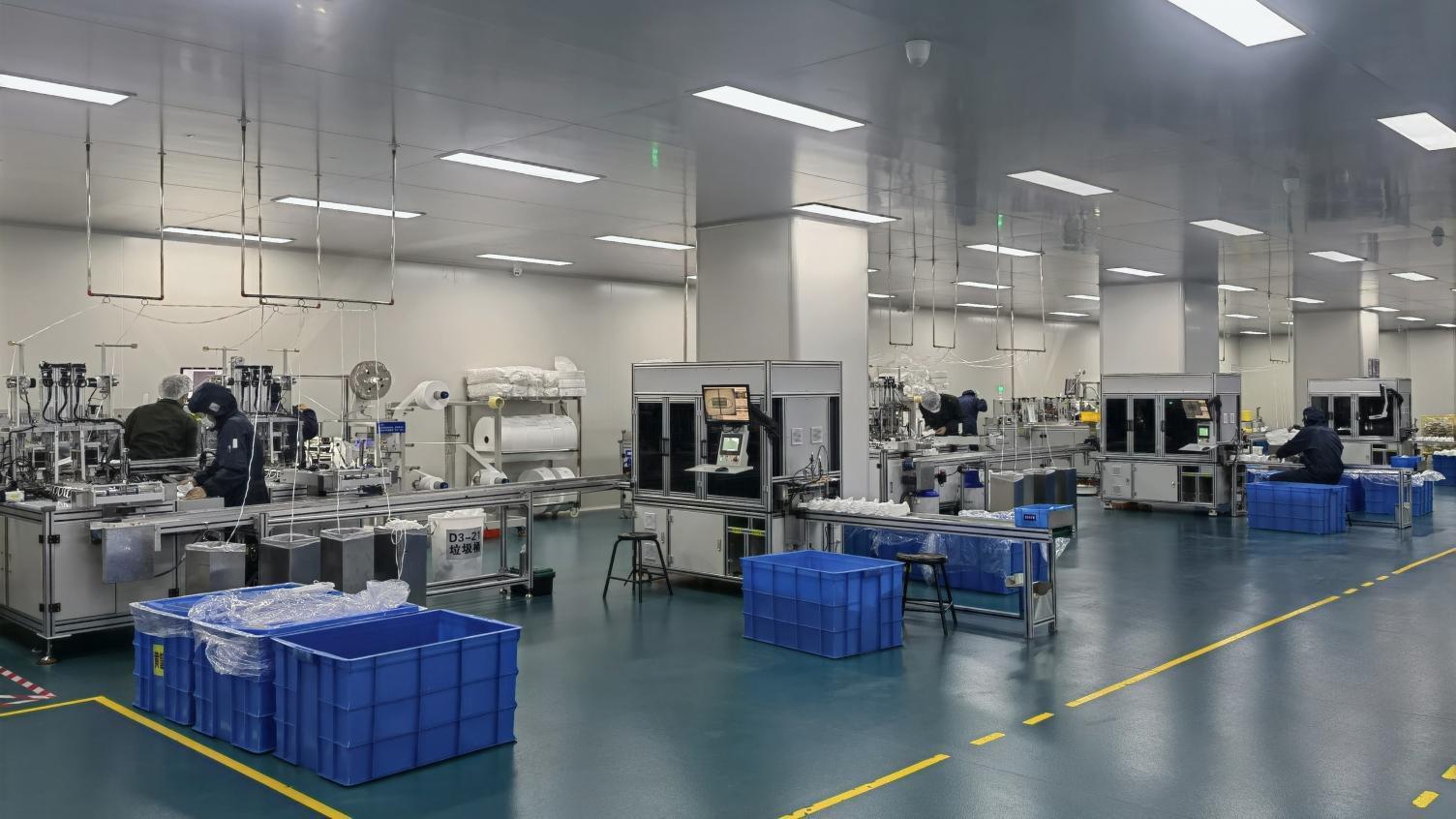
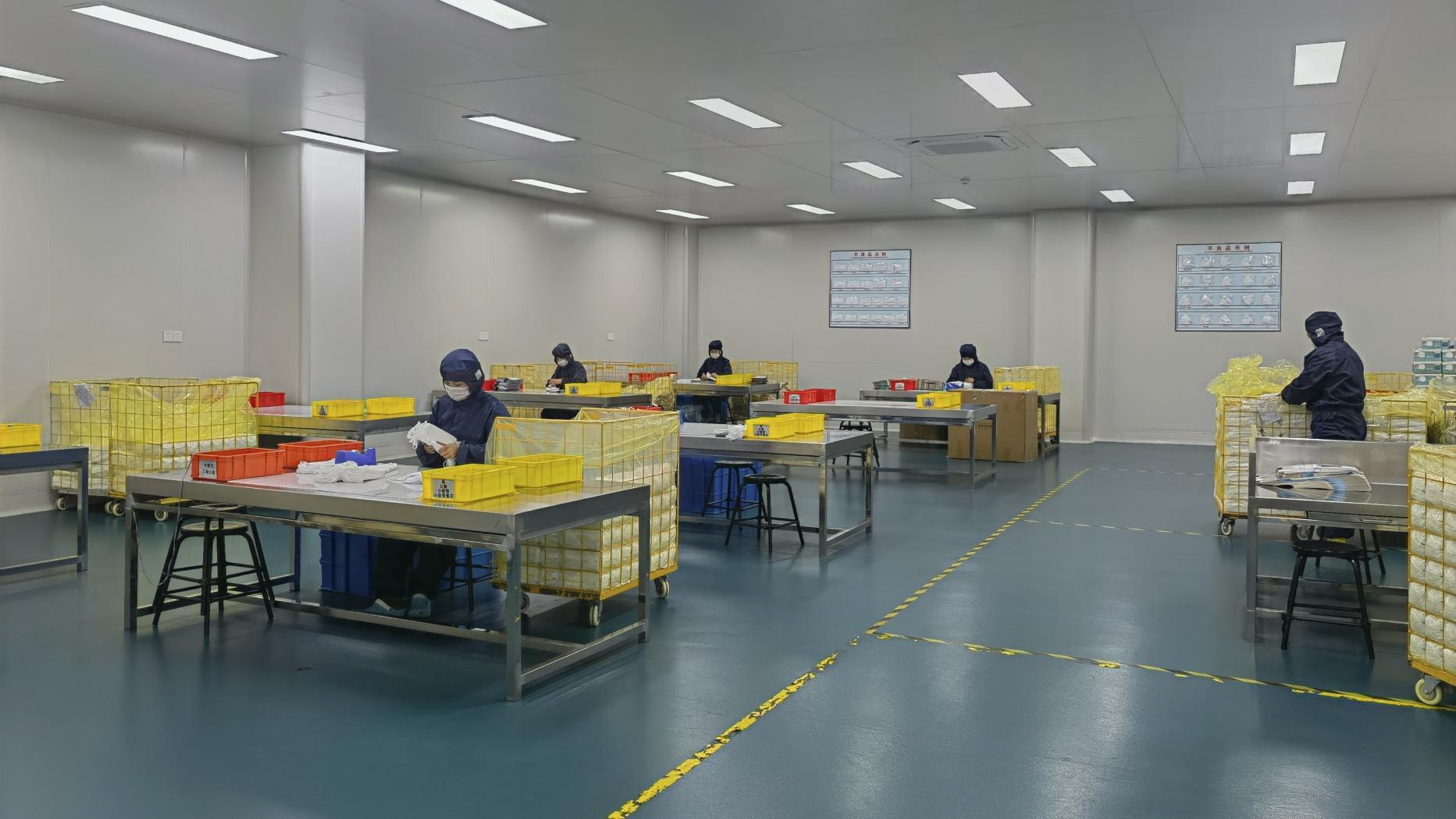
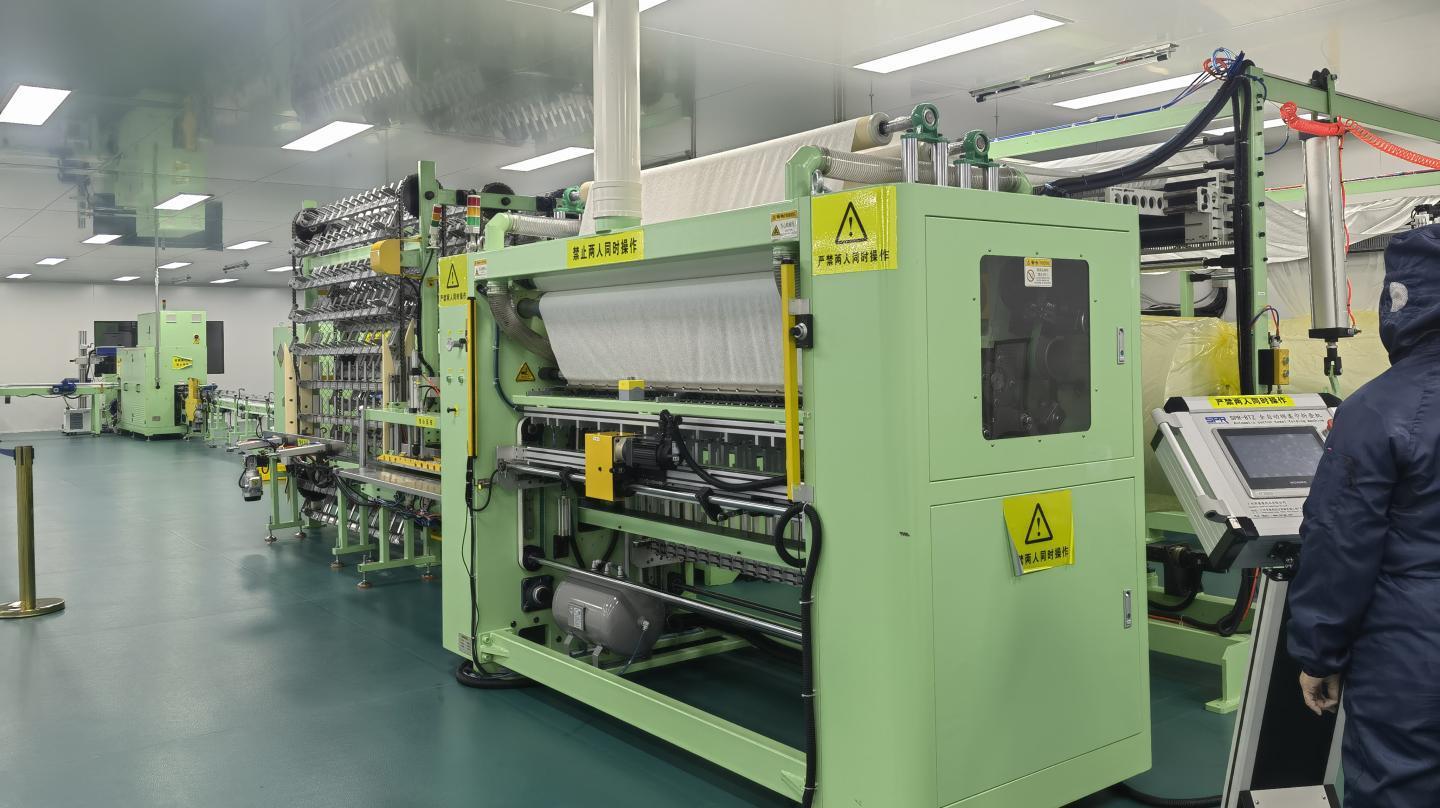
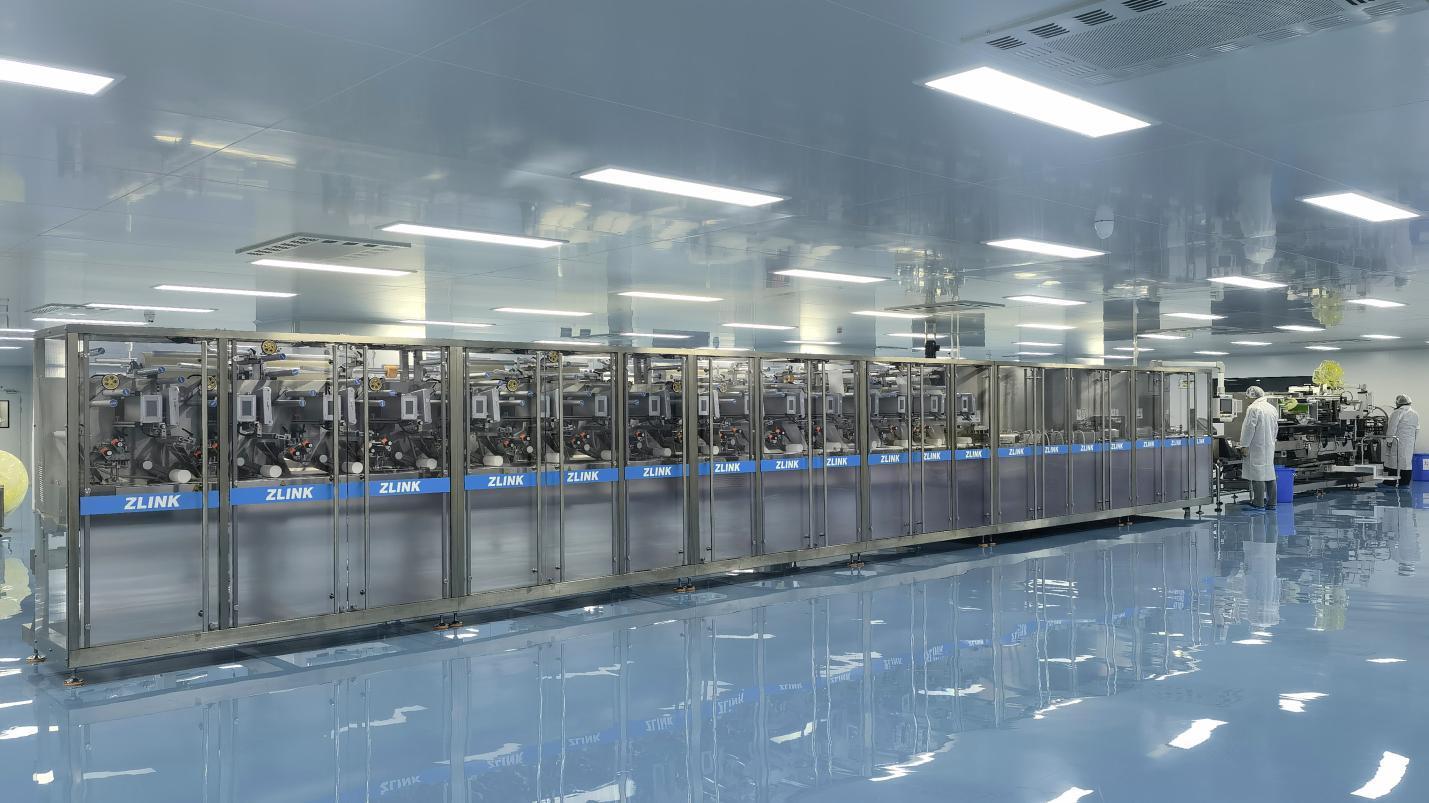
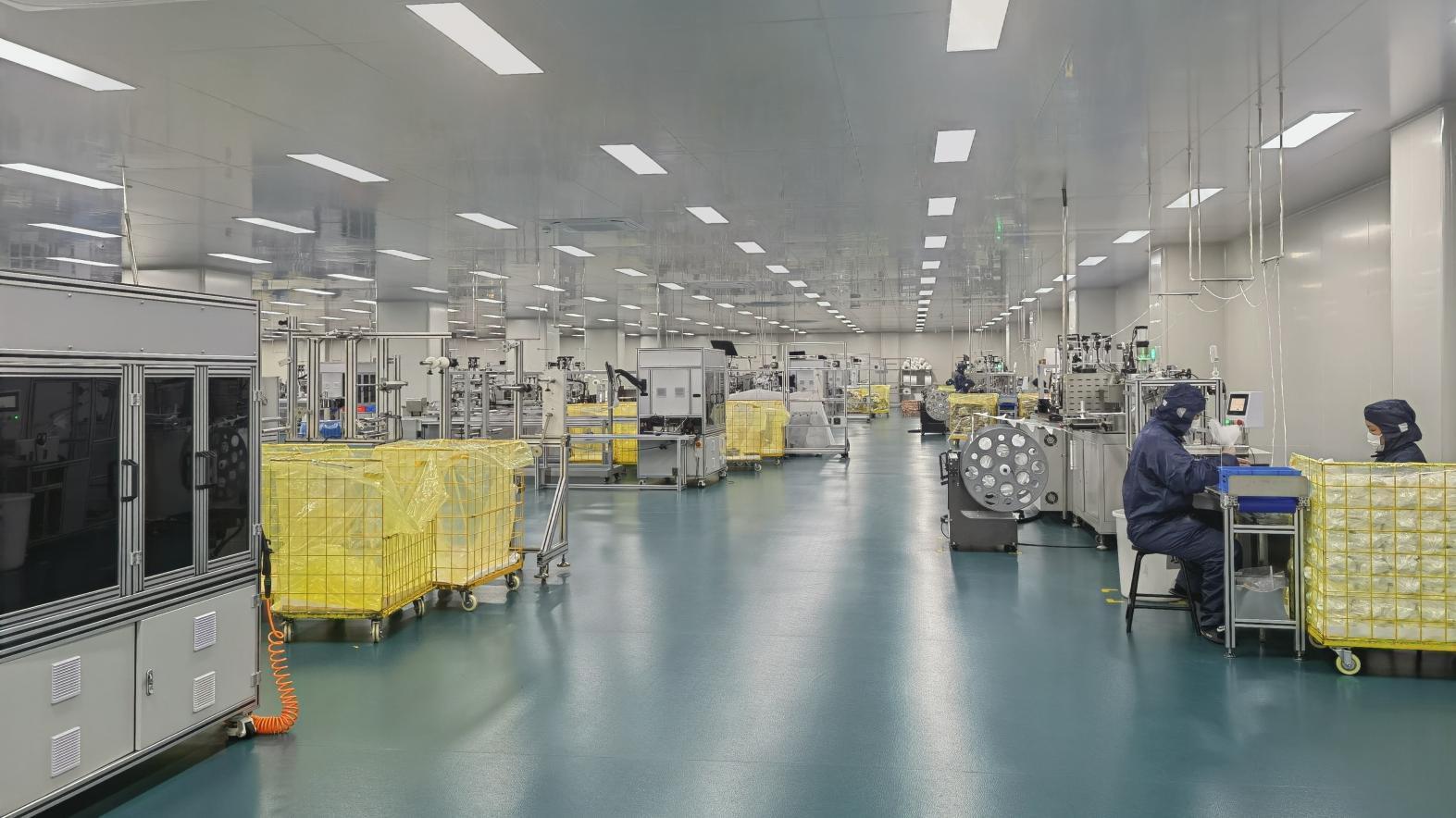
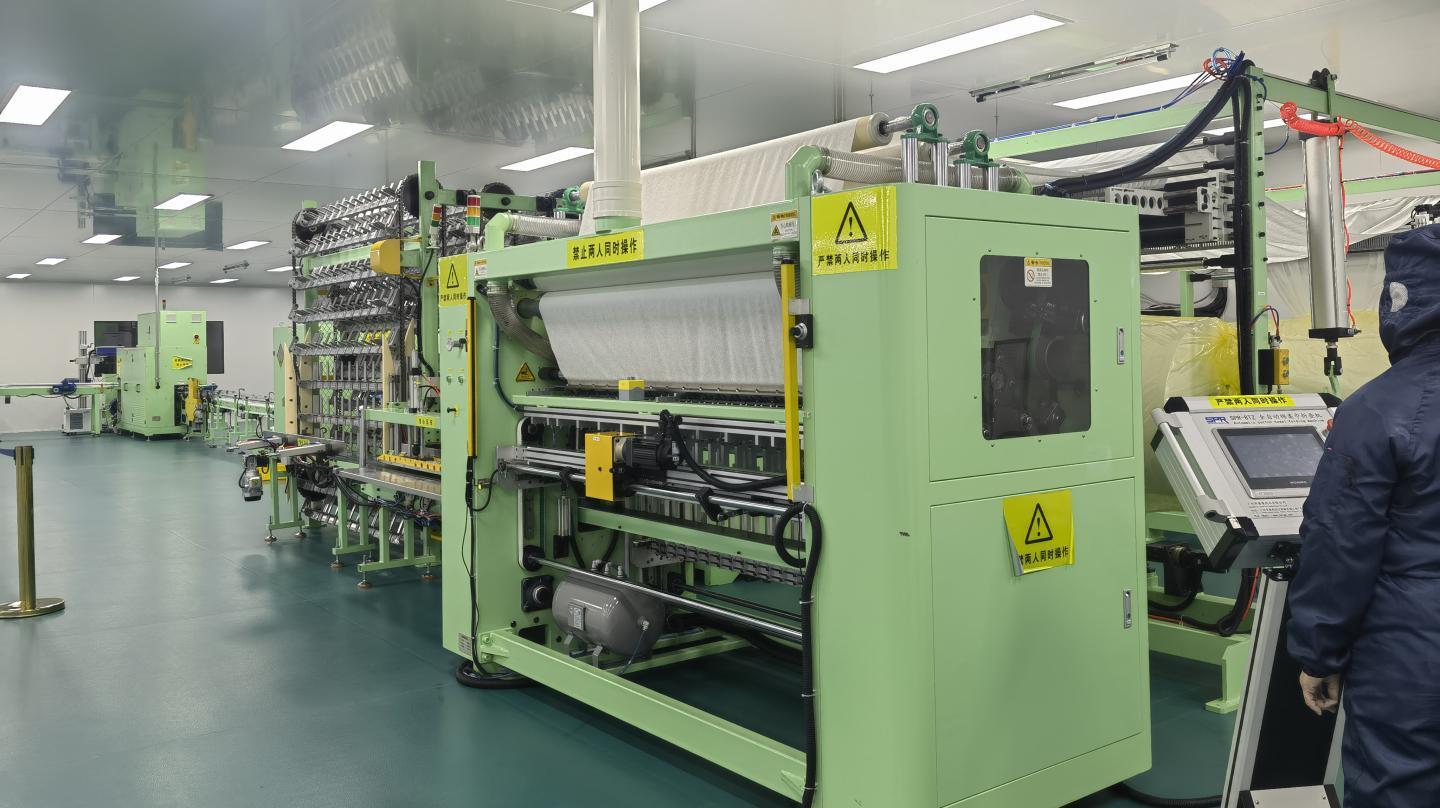
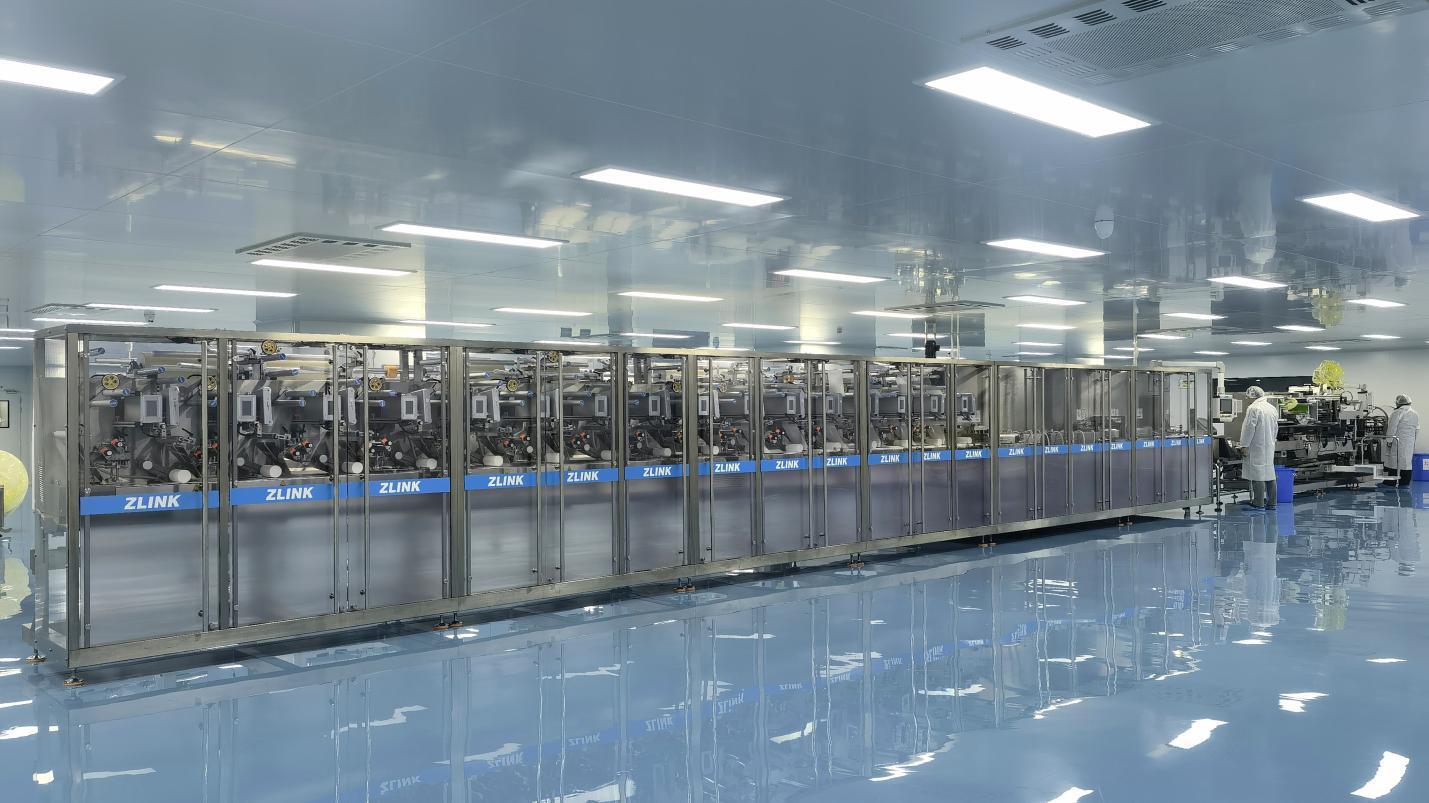
The modern factory is not merely a manual assembly hall; it is an integrated ecosystem utilizing automated processing, digital quality controls, and dynamic resource planning. At Zhejiang DrSharpe Health Co., Ltd., we utilize automated production technologies to ensure quality, capacity, and cost efficiency.
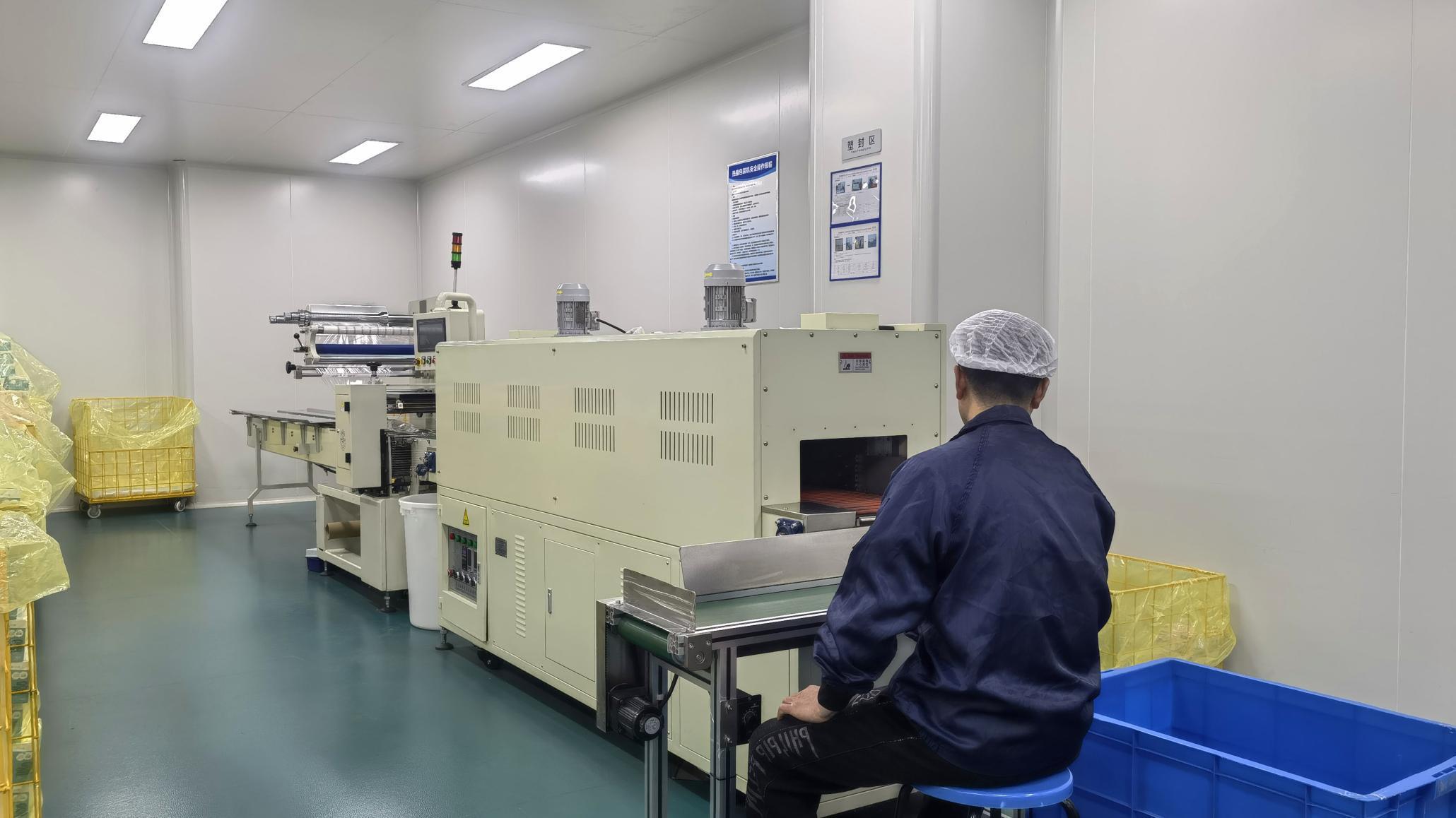
Our facility operates 5 fully automatic mask production machines and 12 semi-automatic production systems. Automation stabilizes mechanical output and minimizes human contact with products. Automated loop-welding and ultrasonic sealing create uniform weld-points capable of resisting tension. Our automated packaging systems quickly seal products in polybags or custom cartons, maintaining hygiene throughout the process.
Supply Chain Security: Our partnerships with top-tier raw material suppliers ensure a steady supply of high-grade PP non-woven and melt-blown fabrics. Even during global supply constraints, DrSharpe maintains stable output, protecting our partners from price volatility and manufacturing delays.
Respiratory protection must be matched to specific environments. Standard designs are not suitable for all situations. DrSharpe manufactures products tailored for distinct sectors:
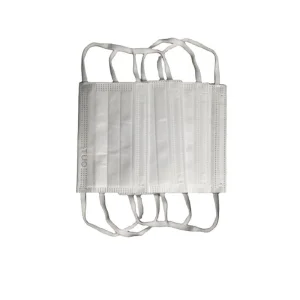
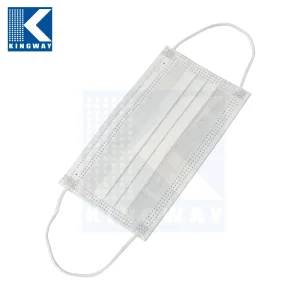
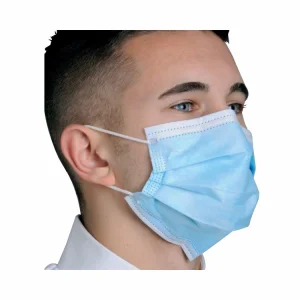
Hospitals, dental clinics, and emergency rooms require fluid-resistant 3-ply surgical masks. These must protect against biological spray, blood splatters, and bacterial aerosols, maintaining high fluid-resistance ratings (ASTM F2100 Level 3 or EN 14683 Type IIR).
Semiconductor fabrication and cleanroom spaces require ESD-safe, lint-free masks. Our ESD anti-static face masks prevent triboelectric charge accumulation, protecting sensitive micro-electronic components from electrostatic damage and micro-particle contamination.
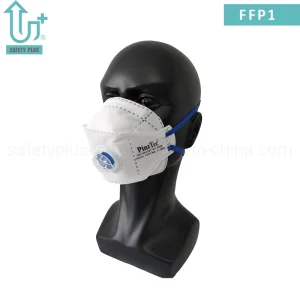
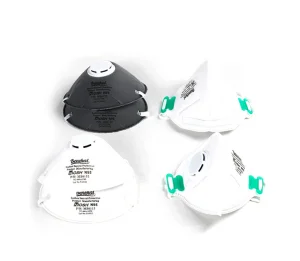
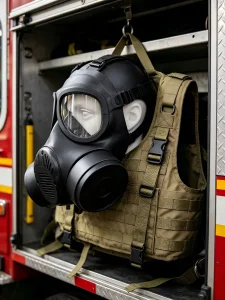
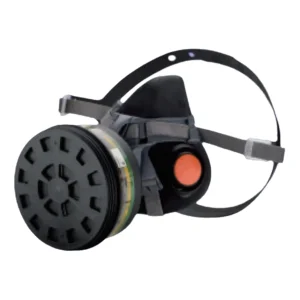
Mining, grinding, and chemical processes expose workers to fine silica dust and chemical vapors. Our cup-shaped activated carbon masks and silicone half-mask respirators provide particulate filtration and absorb low-concentration organic odors, keeping operations compliant with OSHA requirements.
Detailed answers to common questions about product performance, OEM processes, and import regulations.
Bacterial Filtration Efficiency (BFE) measures the filtration efficiency of a mask against viable bacterial aerosols ranging from 1 to 5 microns. It is a critical metric for surgical and medical-grade certifications (such as EN 14683).
Particle Filtration Efficiency (PFE) measures the ability to filter non-viable sub-micron particles, typically down to 0.1 microns. High PFE is crucial for respirator-class safety (like N95, KN95, or FFP2) to prevent the inhalation of fine crystalline dust, combustion particles, and viral carriers.
We provide full-service OEM and ODM manufacturing. This includes pad-printing custom brand logos on non-woven fabrics, embossing certifications, and designing custom inner boxes and outer shipping cartons. Our packaging complies with international regulations, including UDI tracking, batch numbering, and country-of-origin markings.
Standard synthetic fibers can generate static electricity during movement. In semiconductor fabrication, electro-static discharges can destroy microchips. ESD masks use conductive fibers to ground charges, while their lint-free design prevents airborne particulate contamination in cleanroom environments.
Our daily capacity spans hundreds of thousands of units across our automatic and semi-automatic lines. For standard wholesale container orders (e.g., 20GP or 40HQ), production is completed within 15 to 25 days from raw material confirmation. We handle export documentation, customs clearances, and work with major freight carriers for containerized shipping.
High-efficiency chemical protection, activated carbon filtration, and custom fit-testing respirators.