DrSharpe Health
DrSharpe Health
DrSharpe Health
Industry-approved protective systems engineered for clinical-grade reliability and everyday hygiene.
Operational data highlighting our manufacturing precision, filtration capabilities, and regulatory excellence.
In the contemporary healthcare and industrial safety ecosystems, the demand for precise, contactless, and rapid thermal assessment tools has grown exponentially. The transition from legacy mercury thermometers to advanced Termómetros Digitales (digital thermometers) is driven by safety mandates, regulatory restrictions on toxic materials, and the critical need for instantaneous data collection. CE certification (under the European Medical Device Regulation EU 2017/745) serves as the primary benchmark for safety and diagnostic accuracy, verifying that infrared sensor technologies and electronic components meet strict European Economic Area (EEA) guidelines.
Globally, these devices are essential in both clinical institutions and high-traffic industrial environments. From screening zones in transport hubs to critical care units, medical-grade digital thermometers leverage thermopile and infrared sensor arrays to convert thermal radiation into precise electronic readings. The global market is shaped by strict requirements for calibration consistency, rapid response times, and robust electromagnetic compatibility (EMC) standards.
A premium digital thermometer consists of several integrated technologies working in unison:
Utilizes multi-junction thermocouple structures to detect micro-level infrared heat signatures, translating environmental radiation into microvolts with high precision.
Integrates ambient temperature compensation algorithms that calculate exact body temperature regardless of cold air drafts or high humidity levels.
Manufactured using medical-grade ABS materials and clinical stainless steel tips, ensuring safe contact and easy disinfection protocol compatibility.
China has established itself as the global hub for manufacturing medical-grade electronics and personal protective equipment. At the core of this industrial success is the cluster effect found in manufacturing hubs like Zhejiang and Guangdong. Zhejiang-based medical factories leverage optimized supply chains, integrating raw component suppliers, microchip programming facilities, SMT (Surface Mount Technology) assembly centers, and high-precision calibration chambers within close proximity.
Furthermore, production automation—supported by automated temperature calibration baths and computerized optical alignment systems—reduces human error while lowering assembly costs. The resulting economies of scale enable Chinese factories to offer competitive price-to-performance ratios without sacrificing compliance benchmarks. This integrated infrastructure guarantees high-volume production capacity and reliable quality control, making Chinese partners preferred suppliers for global distributors.
The digital thermometer sector is shifting from isolated, hand-held devices to connected nodes within a broader digital health ecosystem. Modern R&D is focused on integrating Bluetooth Low Energy (BLE) and Wi-Fi modules, enabling thermometers to transmit records directly to Electronic Health Record (EHR) platforms or enterprise safety logs. Additionally, predictive artificial intelligence models are being embedded into firmware to forecast fever paths based on initial readings and patient demographics.
Simultaneously, environmental considerations are driving the adoption of biodegradable housing plastics and mercury-free clinical standards. The target for modern developers is to deliver sustainable diagnostic tools that integrate seamlessly with hospital management networks, remote patient monitoring platforms, and preventative health applications.
When procurement teams evaluate digital thermometer factories, it is essential to look beyond basic unit pricing. To minimize regulatory delays and protect brand reputation, international buyers should follow a structured evaluation methodology:
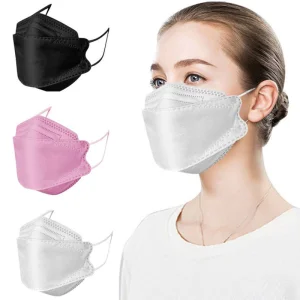
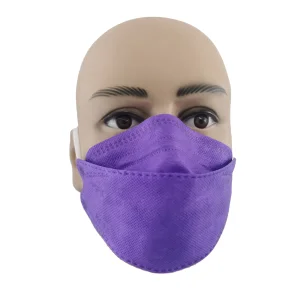
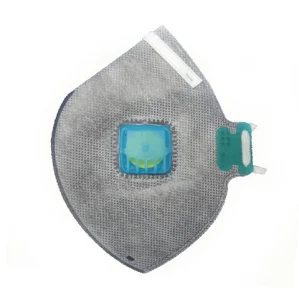
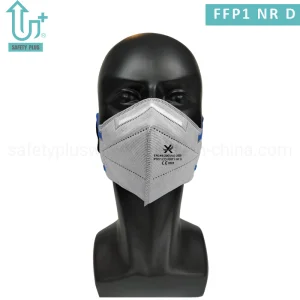
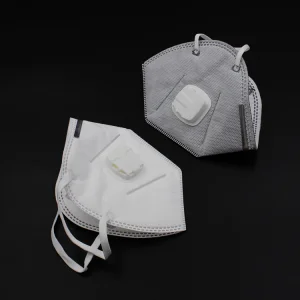
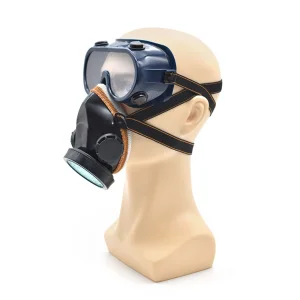
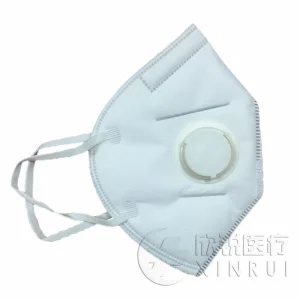
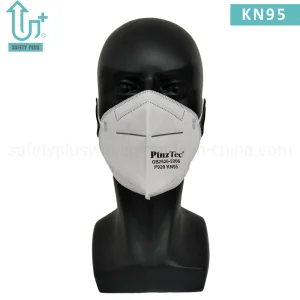
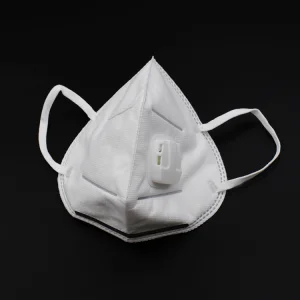
Zhejiang DrSharpe Health Co., Ltd. is a professional manufacturer and global supplier specializing in disposable medical and healthcare products, especially high-quality face masks and protective solutions. With strong manufacturing capabilities, advanced production technology, and strict quality management, DrSharpe is committed to providing safe, reliable, and comfortable healthcare products for customers worldwide.
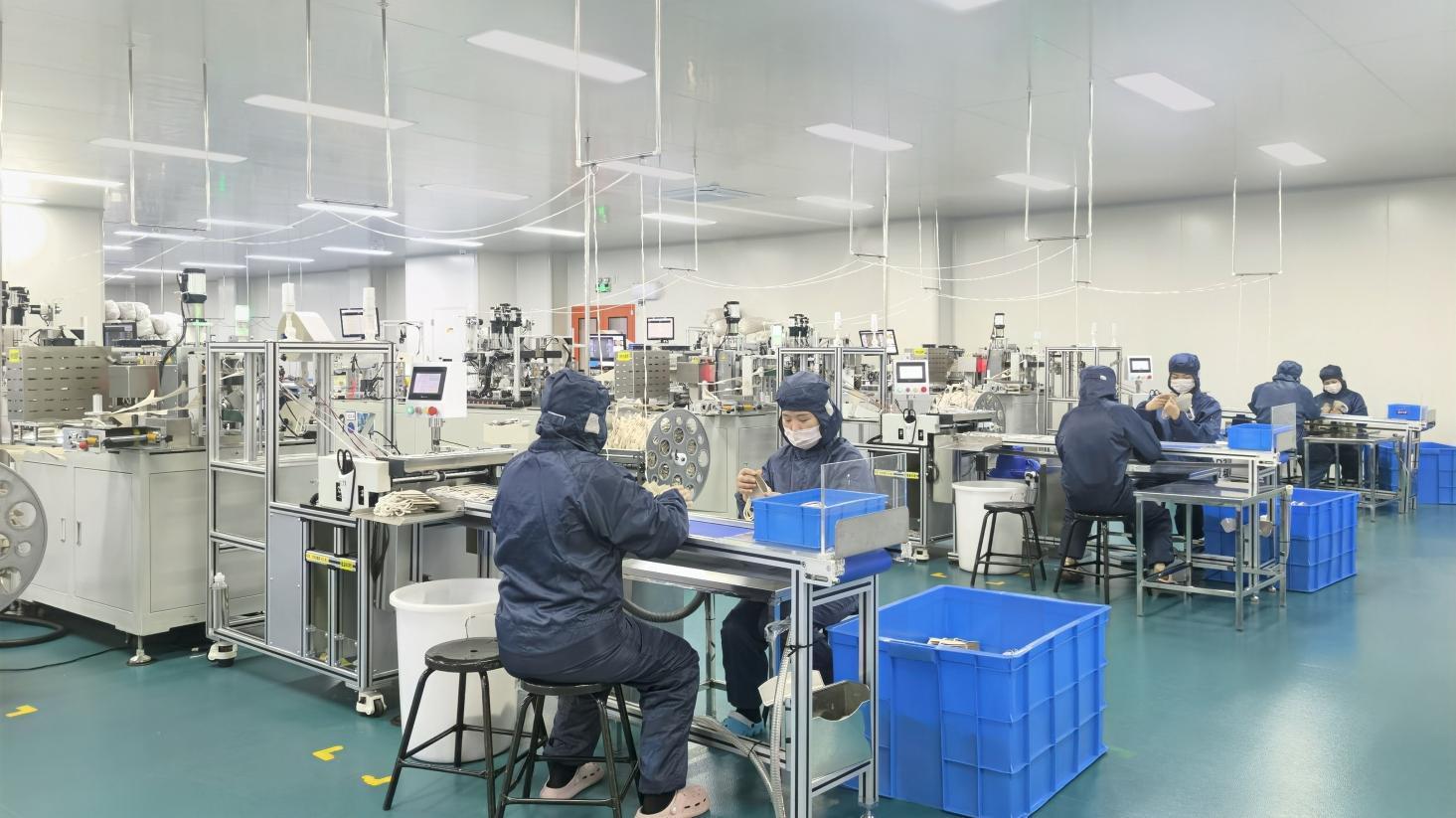
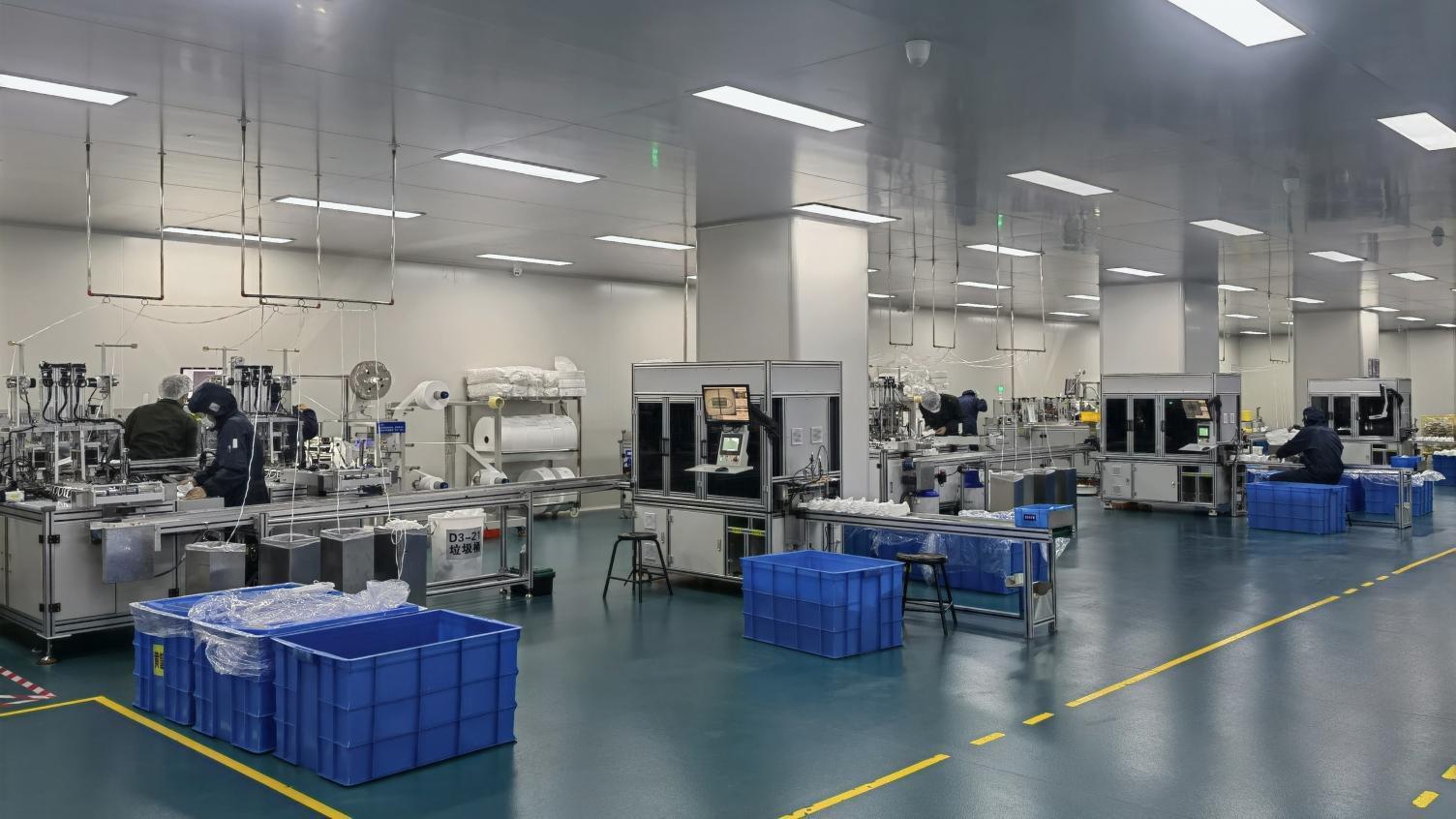
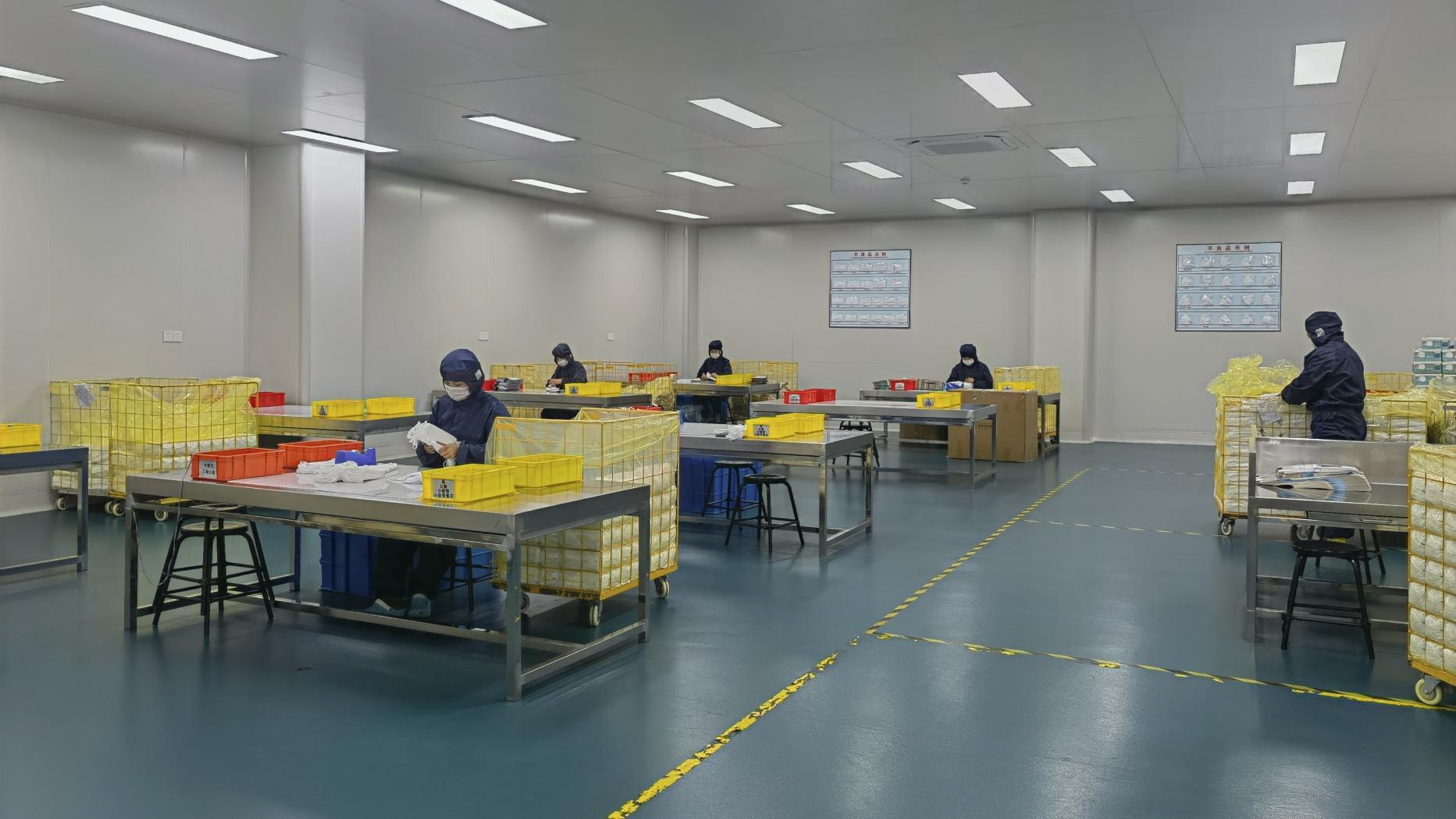
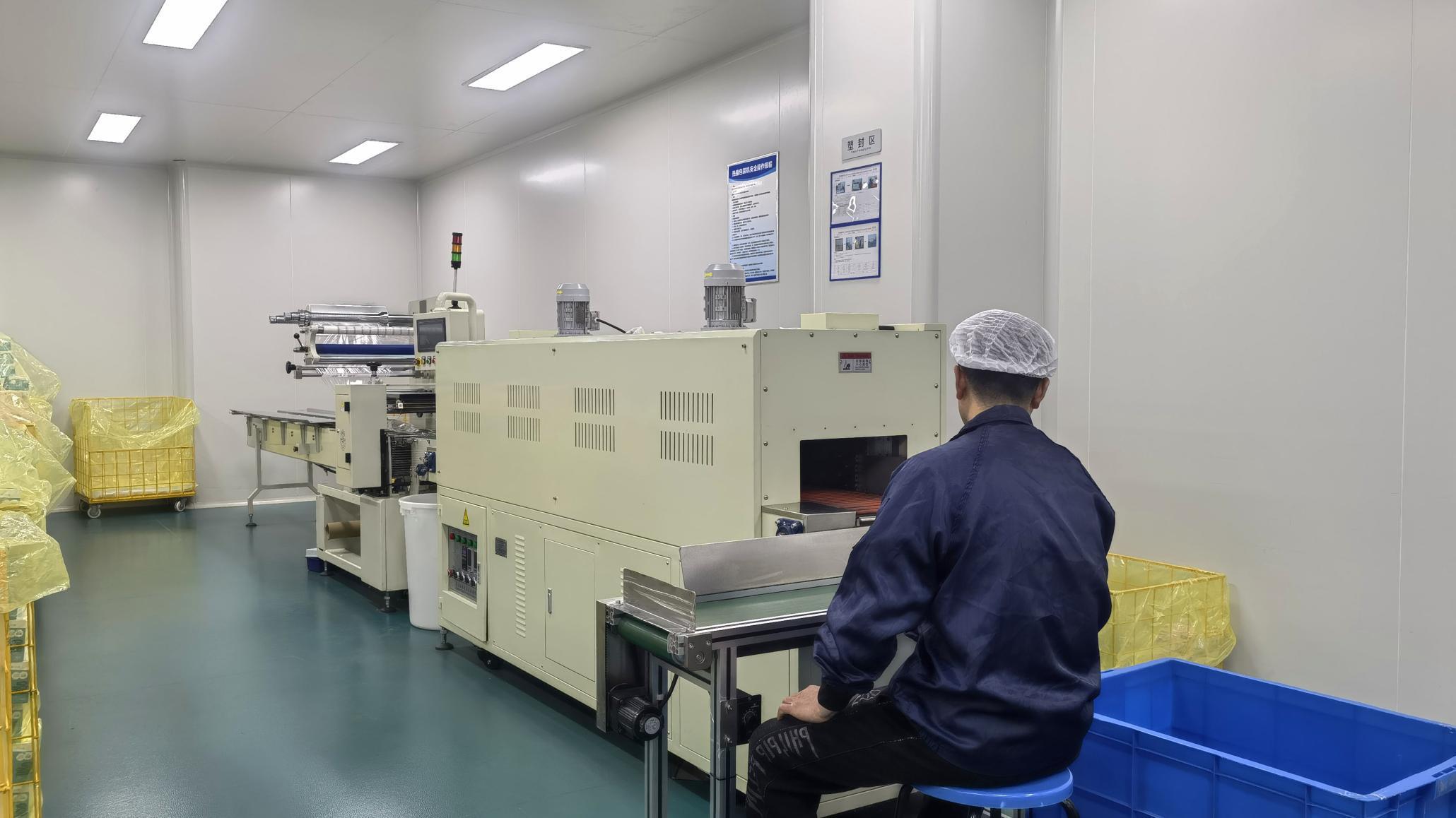
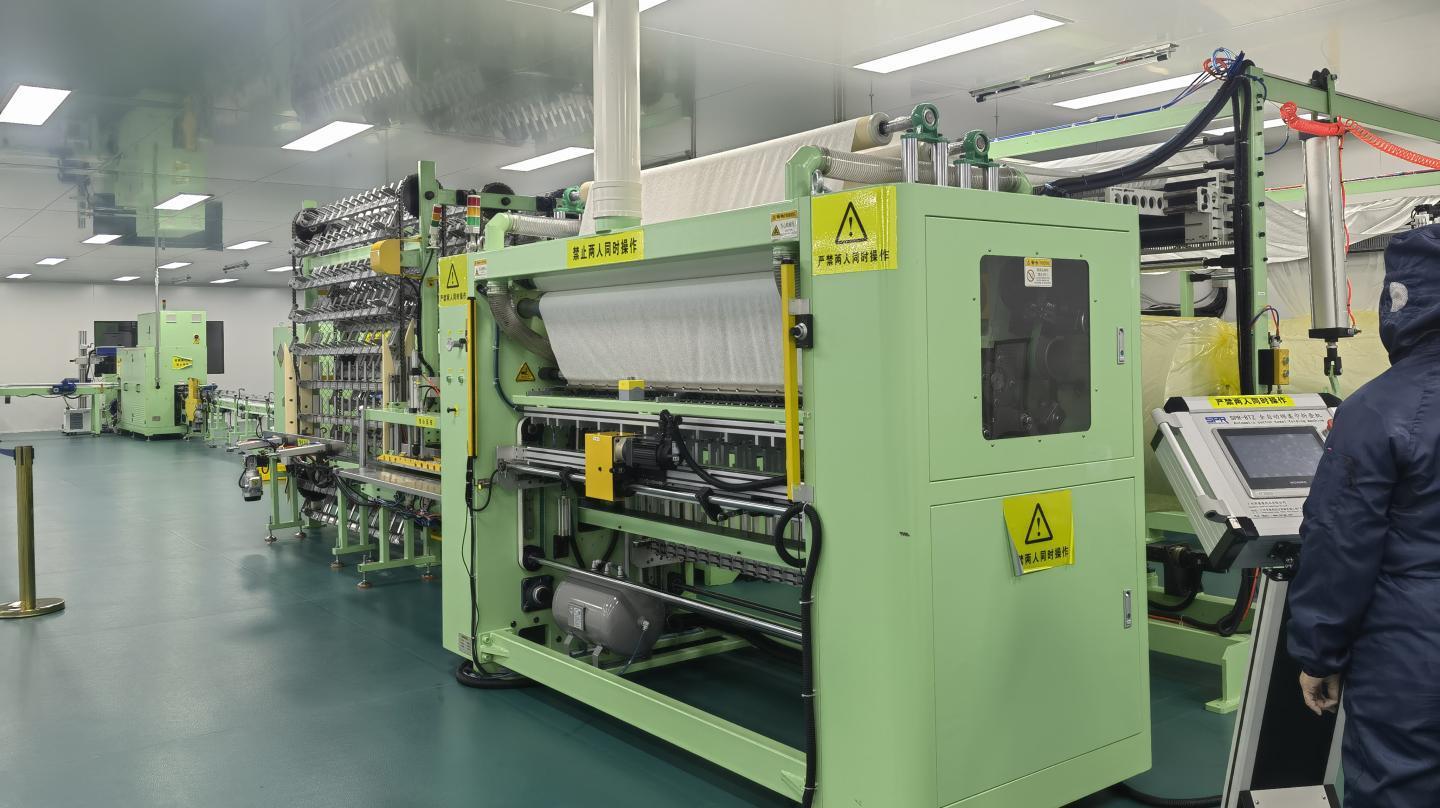
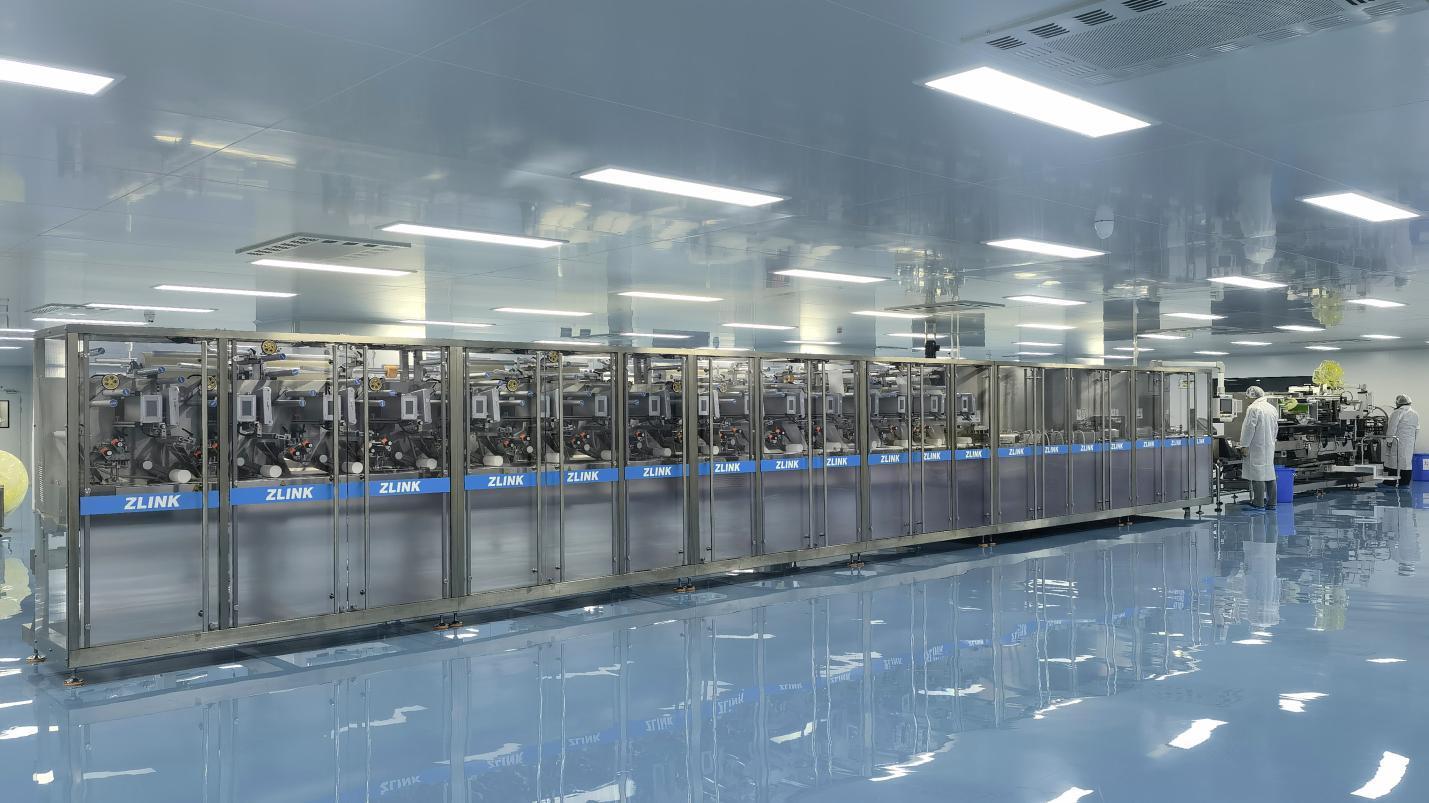
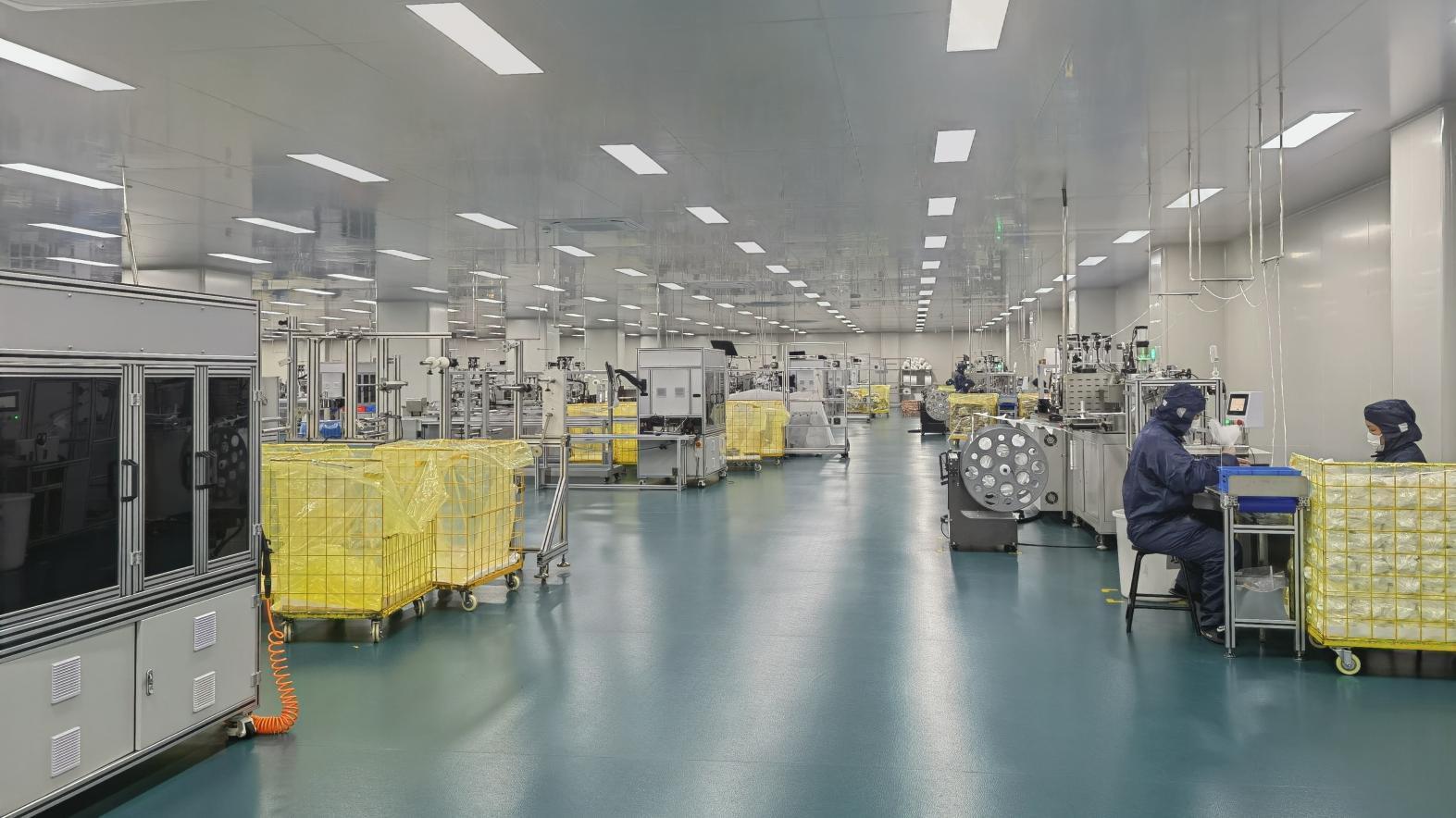
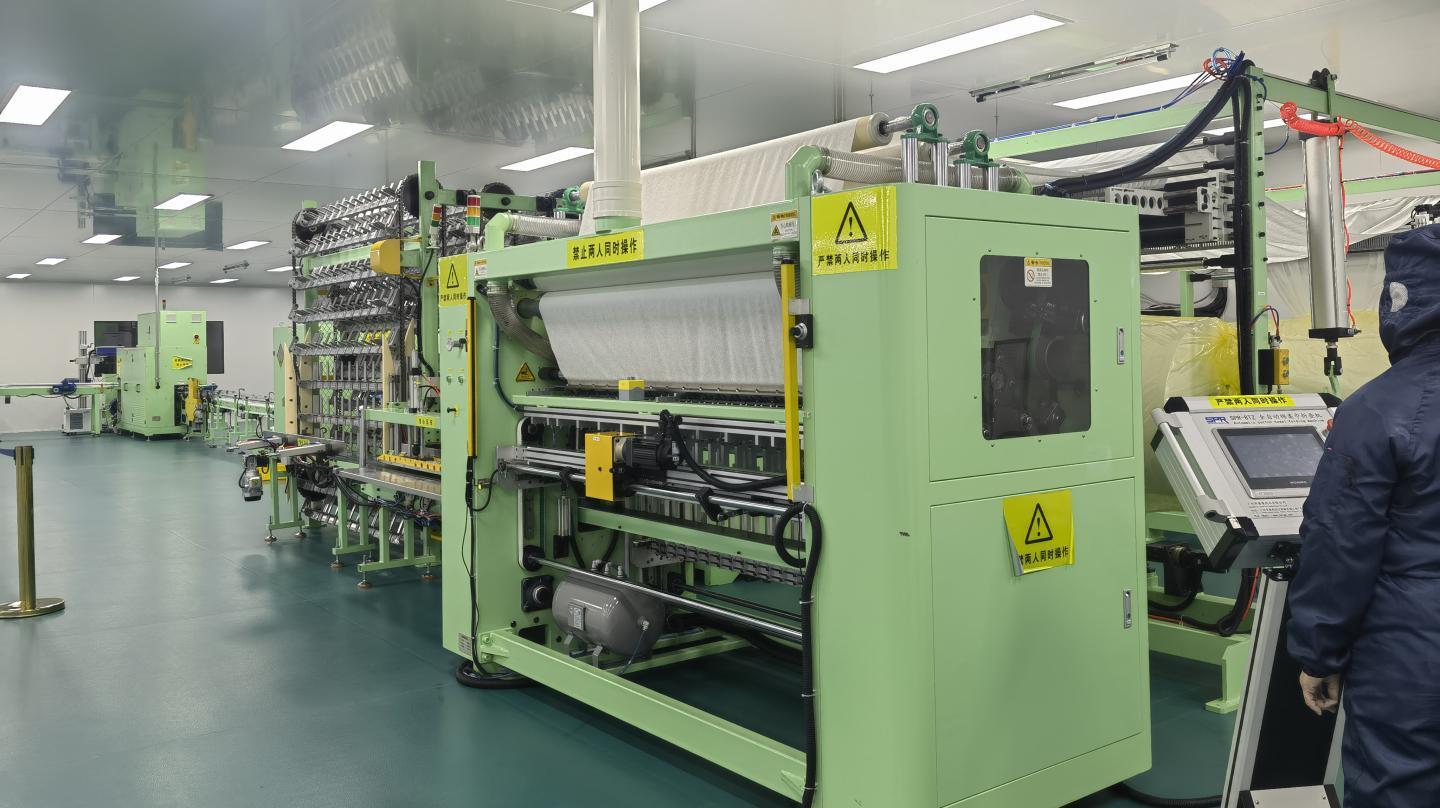
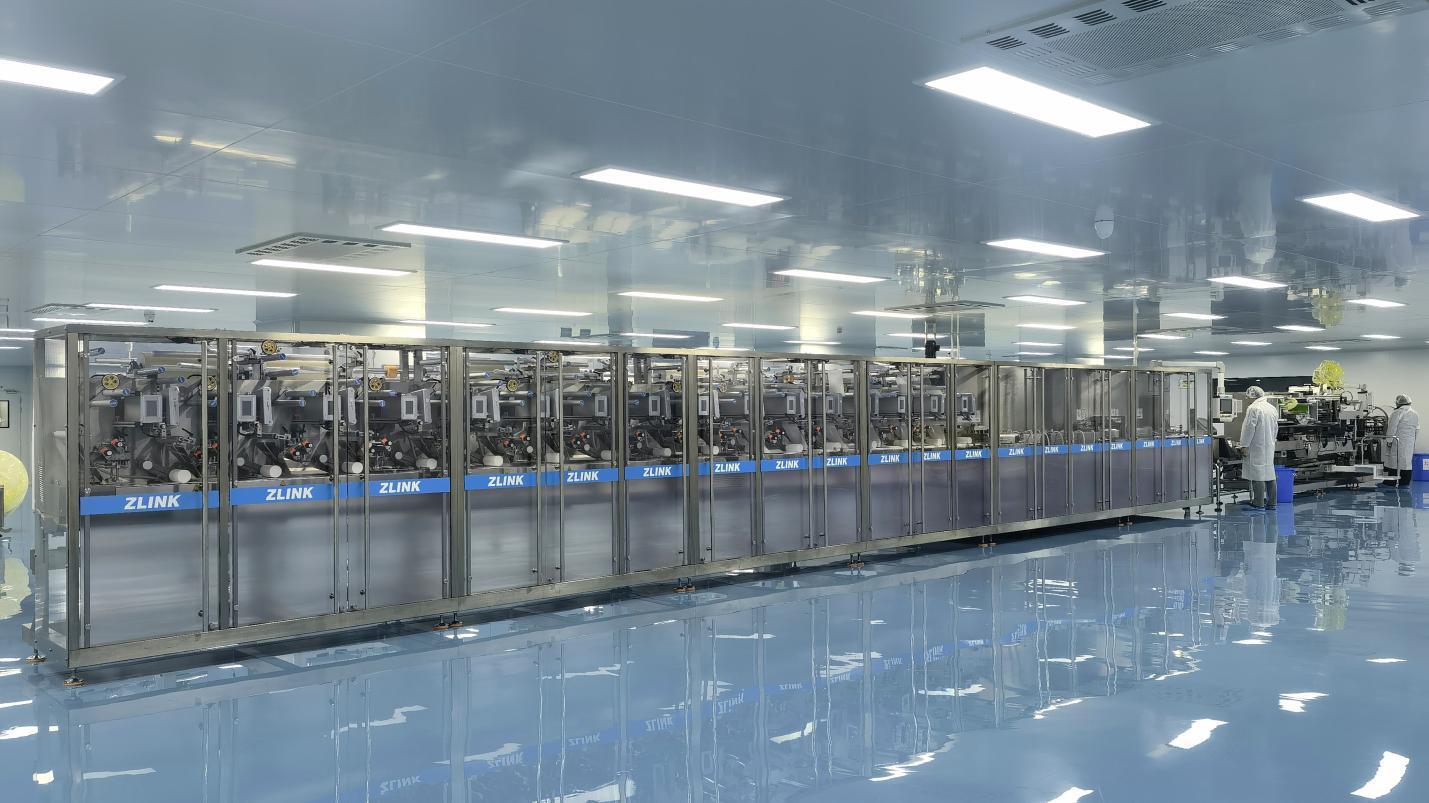
Our factory is equipped with 5 fully automatic mask production machines and 12 semi-automatic mask production machines, supported by an experienced production and service team. From raw material selection to final packaging, we strictly control every production process to ensure stable quality and reliable supply. Our products are widely exported to markets including the United States, Europe, Japan, Mexico, Germany, and the United Kingdom.
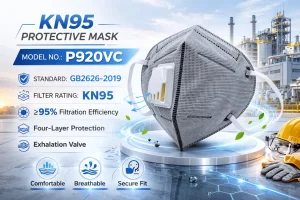
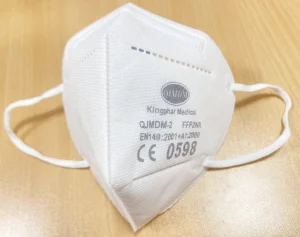
DrSharpe mainly provides disposable face masks and related healthcare products for medical, personal protection, and daily use applications. Using advanced filtration materials, our masks achieve up to 99% Bacterial Filtration Efficiency (BFE) and 99% Particle Filtration Efficiency (PFE), offering excellent protection and wearing comfort. Our products comply with international standards and have obtained certifications including CE, US FDA, and US EUA.
Driven by innovation, quality, and customer satisfaction, Zhejiang DrSharpe Health Co., Ltd. continues to deliver trusted healthcare solutions and build long-term partnerships with customers around the world.
Essential insights covering quality standards, calibration methodology, and procurement logistics.
CE certification indicates conformity with health, safety, and environmental protection standards for products sold within the European Economic Area (EEA). For digital thermometers, this specifically means compliance with the EU Medical Device Regulation (MDR 2017/745), ensuring accuracy tolerances, electromagnetic compatibility, and clinical validation requirements are verified.
Advanced medical factories utilize high-precision blackbody radiation sources and automated calibration chambers. The microcontrollers are programmed with specific temperature curve algorithms, matching real-world thermal output to sensor resistance. Devices are sample-tested across multiple ambient temperature ranges to guarantee a maximum tolerance of ±0.2°C (or ±0.1°C for premium models).
Depending on custom firmware requests and localized packaging design, standard OEM production lead times typically range from 20 to 30 days. High-volume, standardized orders can be processed faster due to raw materials being kept in stock, while custom molds and new plastic injections may add 15 additional days to the timeline.
Experienced medical suppliers provide comprehensive logistics support, managing Export Licenses, MSDS filings (since digital thermometers contain lithium or alkaline batteries), and Certificate of Origin documentation. They work with reliable freight forwarders to offer FOB, CIF, or DDP shipping terms, minimizing clearance bottlenecks at target ports.
Expand your protective inventory with our high-grade face masks and health solutions.