DrSharpe Health
1. Commercial and Industrial Landscape of KF94 Protective Masks in Korea
In South Korea, personal respiratory protection is not merely a clinical requirement; it is a critical public health constant dictated by environmental factors and industrial regulations. The term "KF94" stands for "Korean Filter 94%," indicating a filtration standard regulated strictly by the Ministry of Food and Drug Safety (MFDS). This standard mandates that masks must block at least 94% of particulate matter with an average size of 0.4 micrometers. Over the past decade, South Korea has faced persistent environmental challenges, most notably *Hwangsa* (Yellow Dust) carried from western deserts, and high concentrations of fine particulate matter (PM2.5) originating from local industrial complexes and regional weather patterns.
Consequently, the demand for high-reliability KF94 masks remains exceptionally stable across various domestic segments:
- Industrial and Electronic Production: In high-tech environments such as cleanrooms, microelectronics facilities, and battery manufacturing hubs across Gyeonggi-do and Chungcheong provinces, workers require consistent particle protection to protect both themselves and delicate manufacturing processes.
- Public and Corporate Welfare: Large organizations, transport networks, and public institutions regularly source bulk protective equipment to ensure workforce safety and minimize seasonal viral disruptions.
- Retail and Healthcare Channels: Pharmacies, medical distributors, and major supermarket chains across Incheon, Seoul, and Busan demand stable OEM/ODM supplies that meet the strict requirements of Korean consumers who prioritize comfort, fit, and filtration reliability.
2. Localized Support & Compliance: Meeting the Demanding KFDA Standards
For B2B buyers importing protective gear into Korea, navigate regulatory compliance is paramount. Standard KN95 or N95 masks do not automatically qualify as KF94 within the local Korean regulatory framework. The MFDS enforces strict parameters for testing air leakage, inhalation resistance (pressure drop), and paraffin oil aerosol filtration efficiency.
At Zhejiang DrSharpe Health Co., Ltd., our engineering and production systems are calibrated to exceed these technical requirements. While our core certifications include global benchmarks such as CE, US FDA, and US EUA, our quality management systems specifically align with the physical parameters required for KF94 compliance:
- Sodium Chloride (NaCl) & Paraffin Oil Filtration testing: Our QC laboratories inspect each batch of electret melt-blown fabric using TSI 8130 automated filter testers to guarantee filtration performance exceeds 94% under high flow rate conditions (95 L/min).
- Low Breathing Resistance: We utilize ultra-fine, low-pressure-drop melt-blown fibers. This allows our masks to maintain a pressure drop well below KFDA thresholds, ensuring that even during extended wear in retail, corporate, or industrial settings, user comfort is prioritized.
- Eco-Friendly & Hypoallergenic Inner Layers: We source spunbond non-woven fabrics that are dermatologically evaluated to prevent skin irritation—a crucial metric for the premium Korean domestic market.
3. The Supply Chain Edge: Why Partnering with a China-Based Factory Benefits Korean Brands
While domestic production in Korea offers direct proximity, sourcing from our advanced manufacturing hub in Zhejiang, China offers unparalleled supply chain advantages that directly translate to higher margins and greater market agility for your enterprise:
Scale and Automation
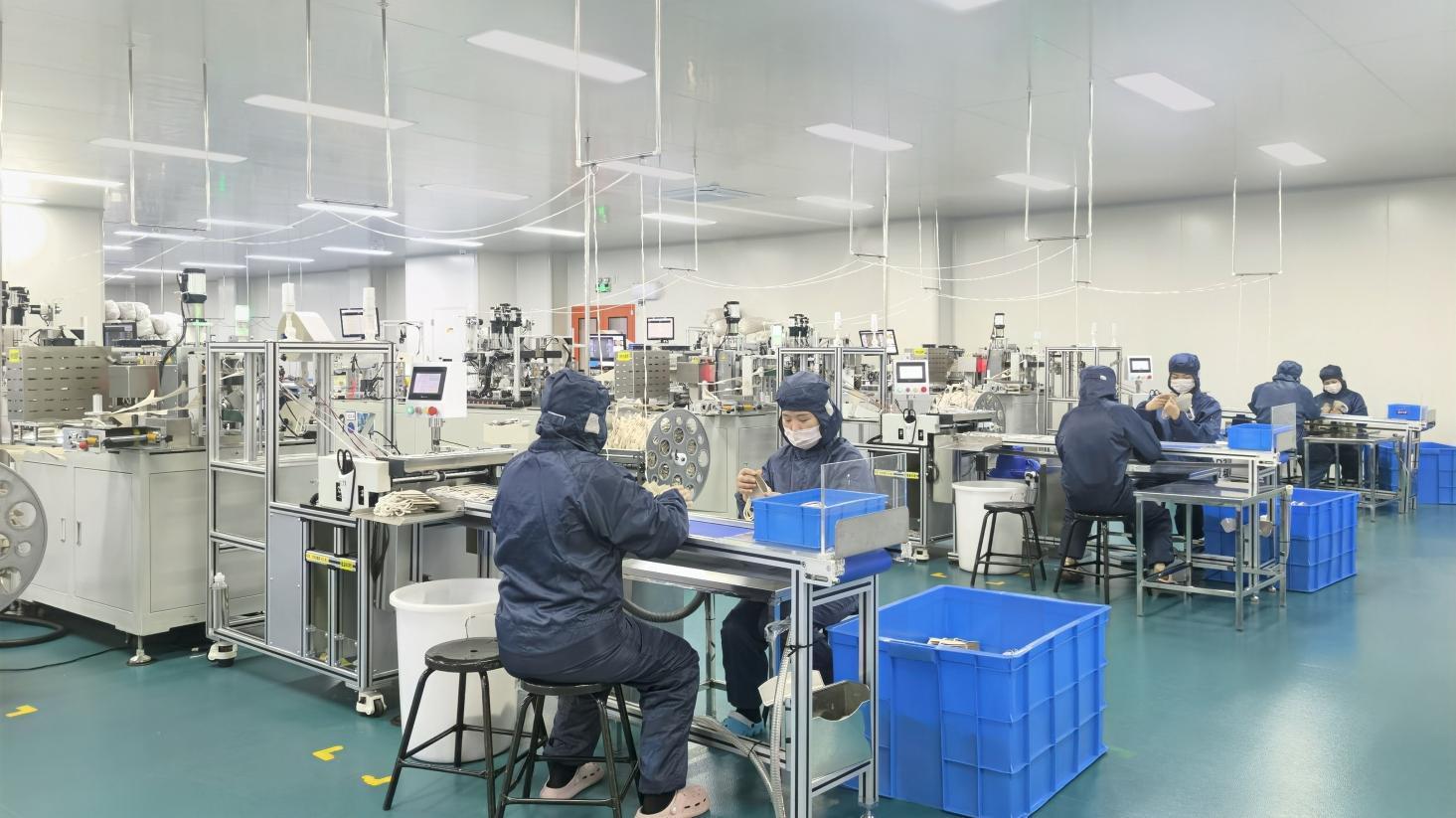
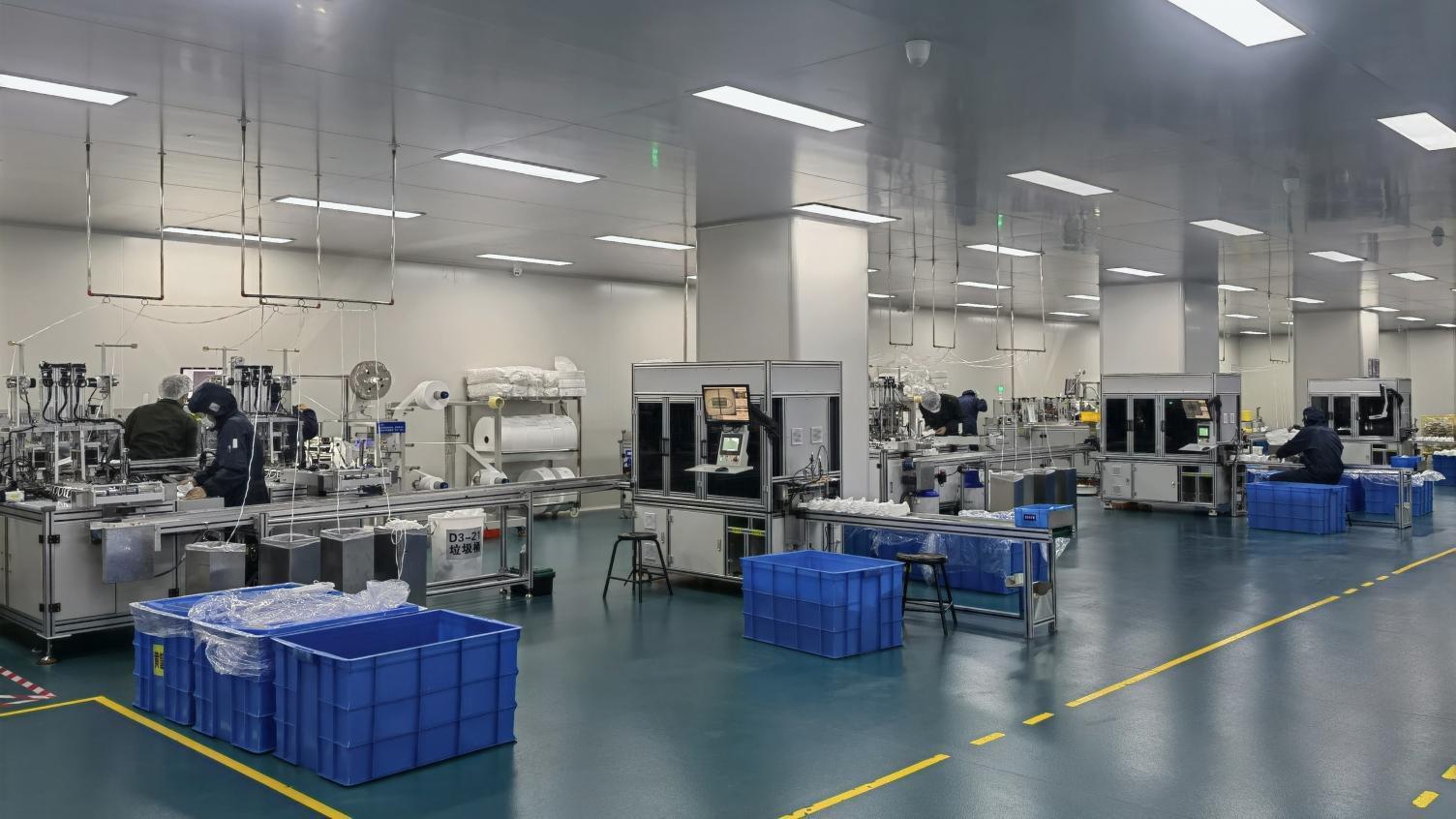
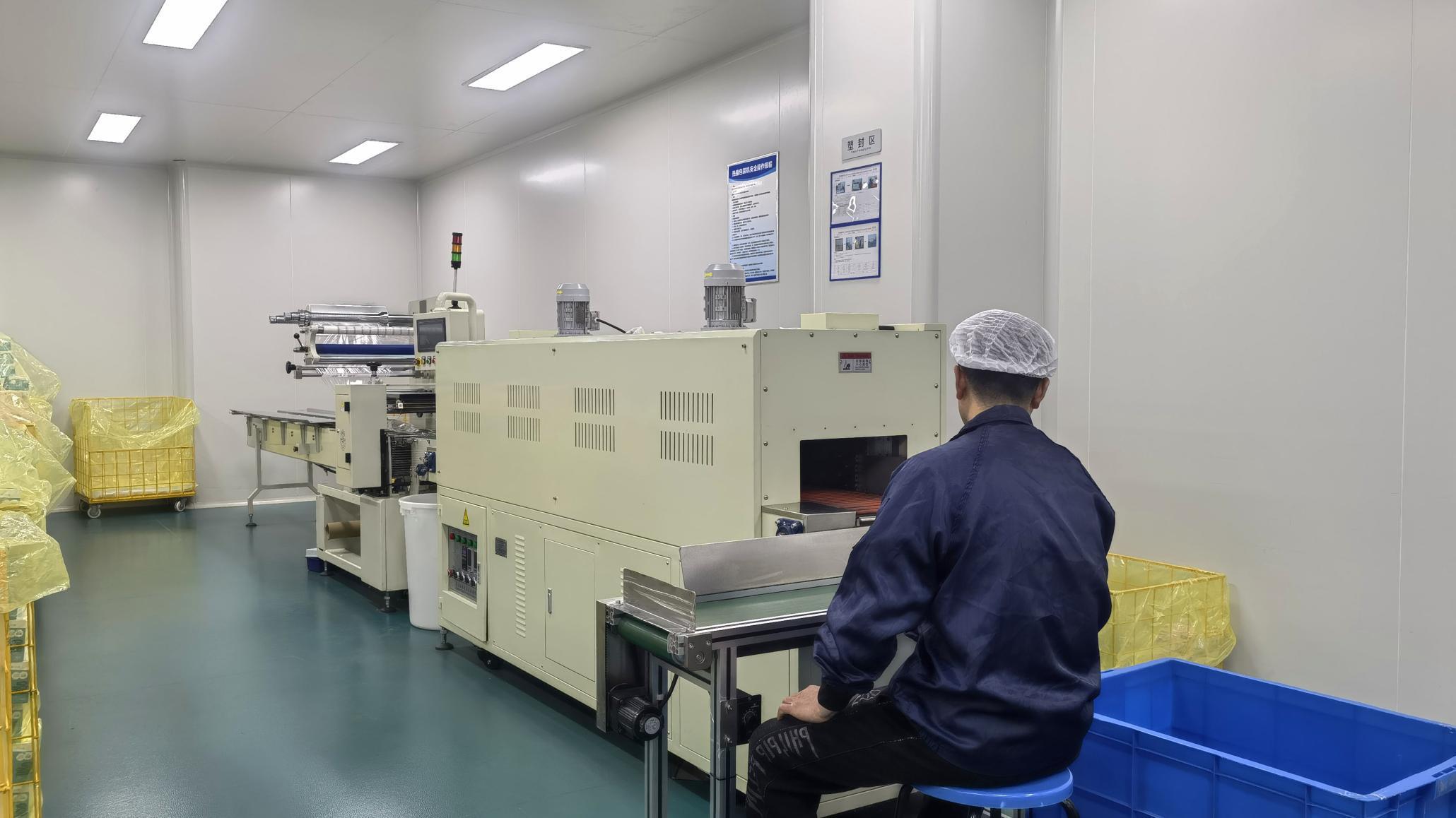
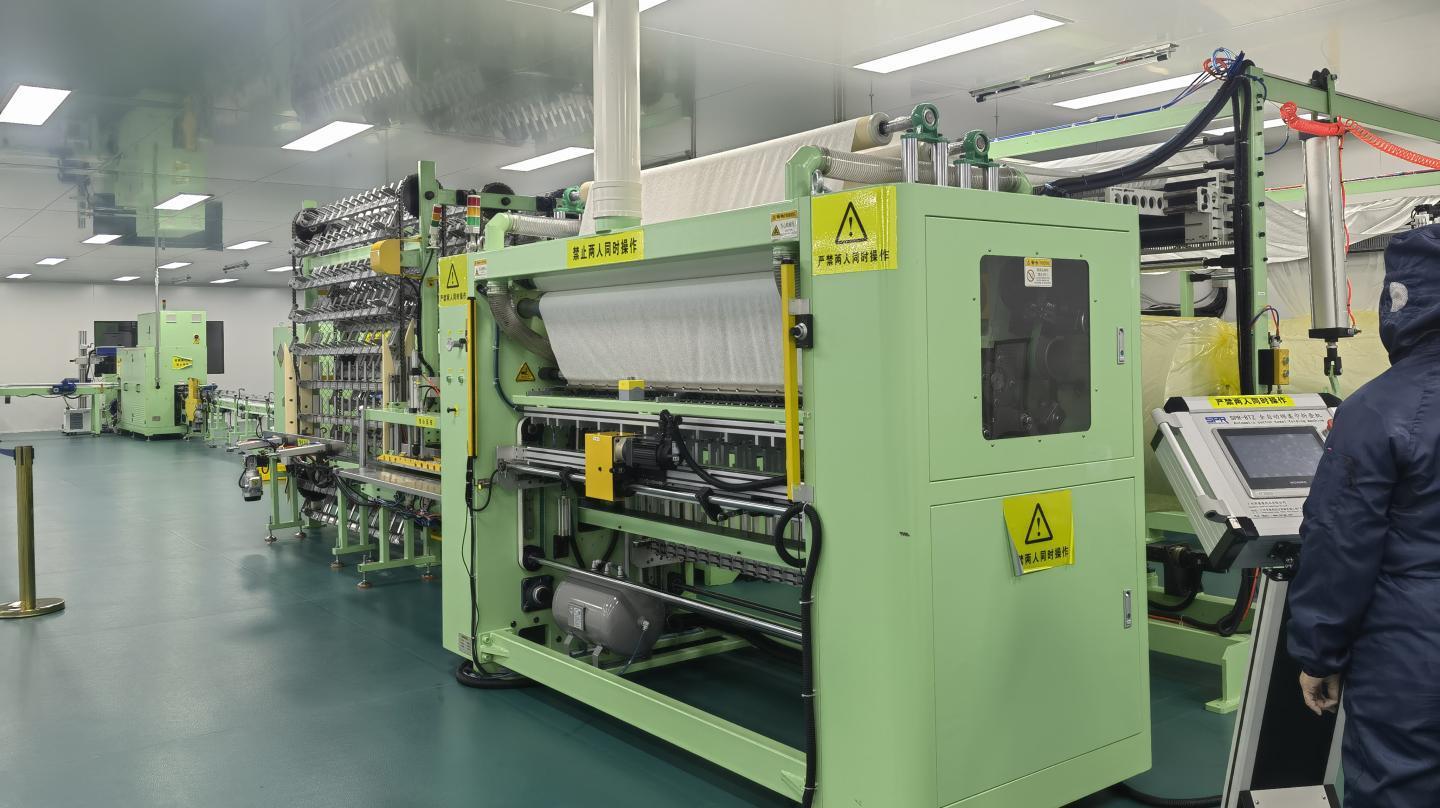
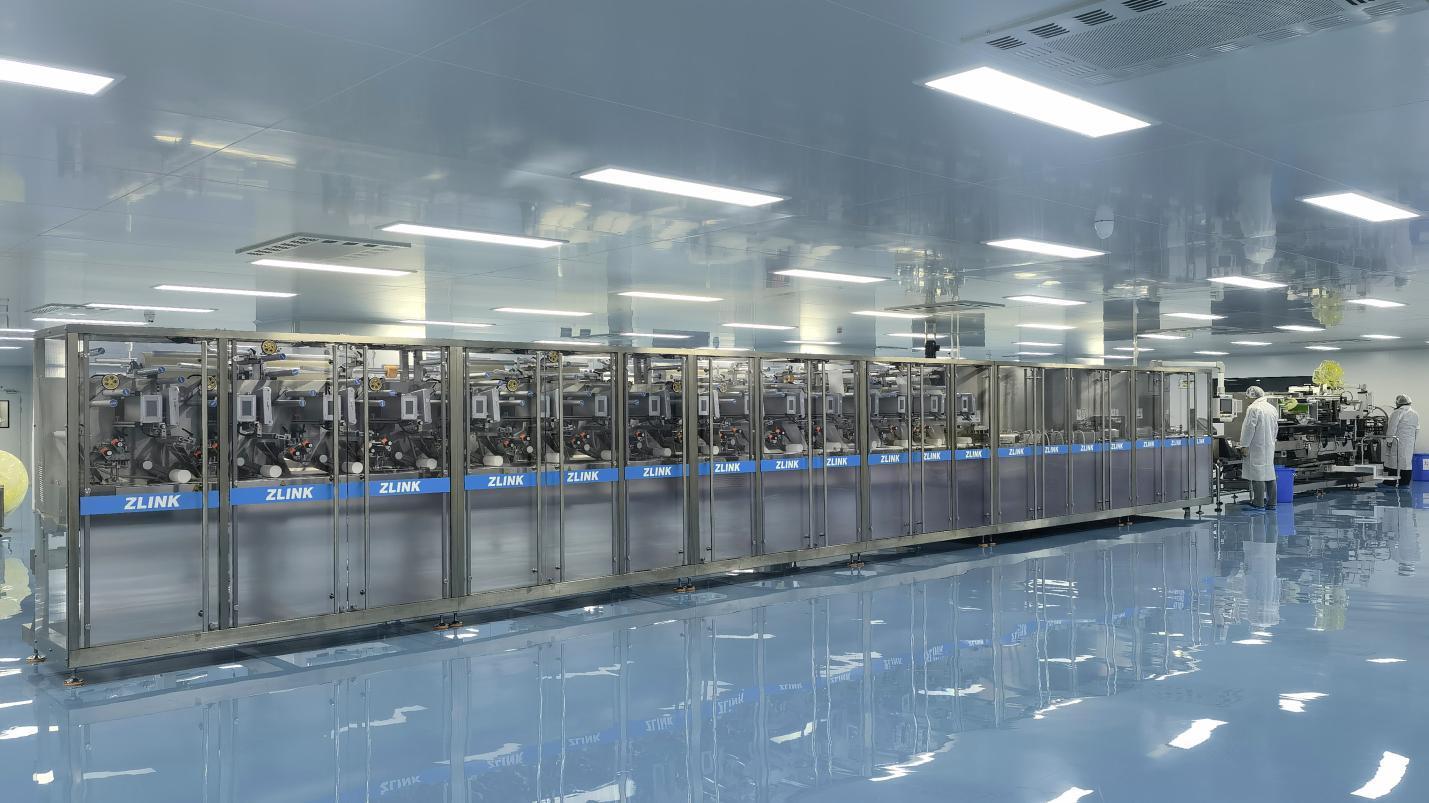
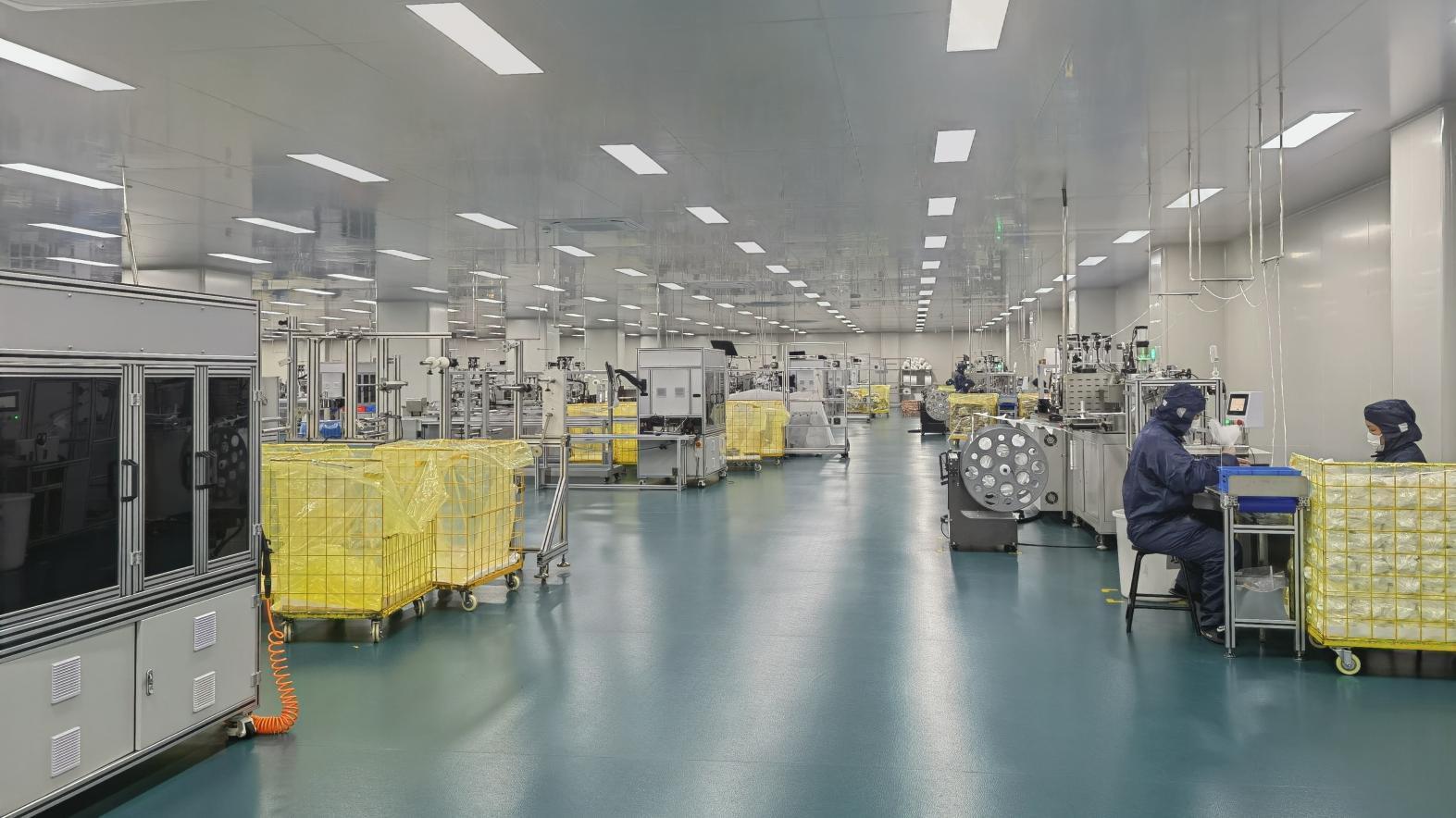
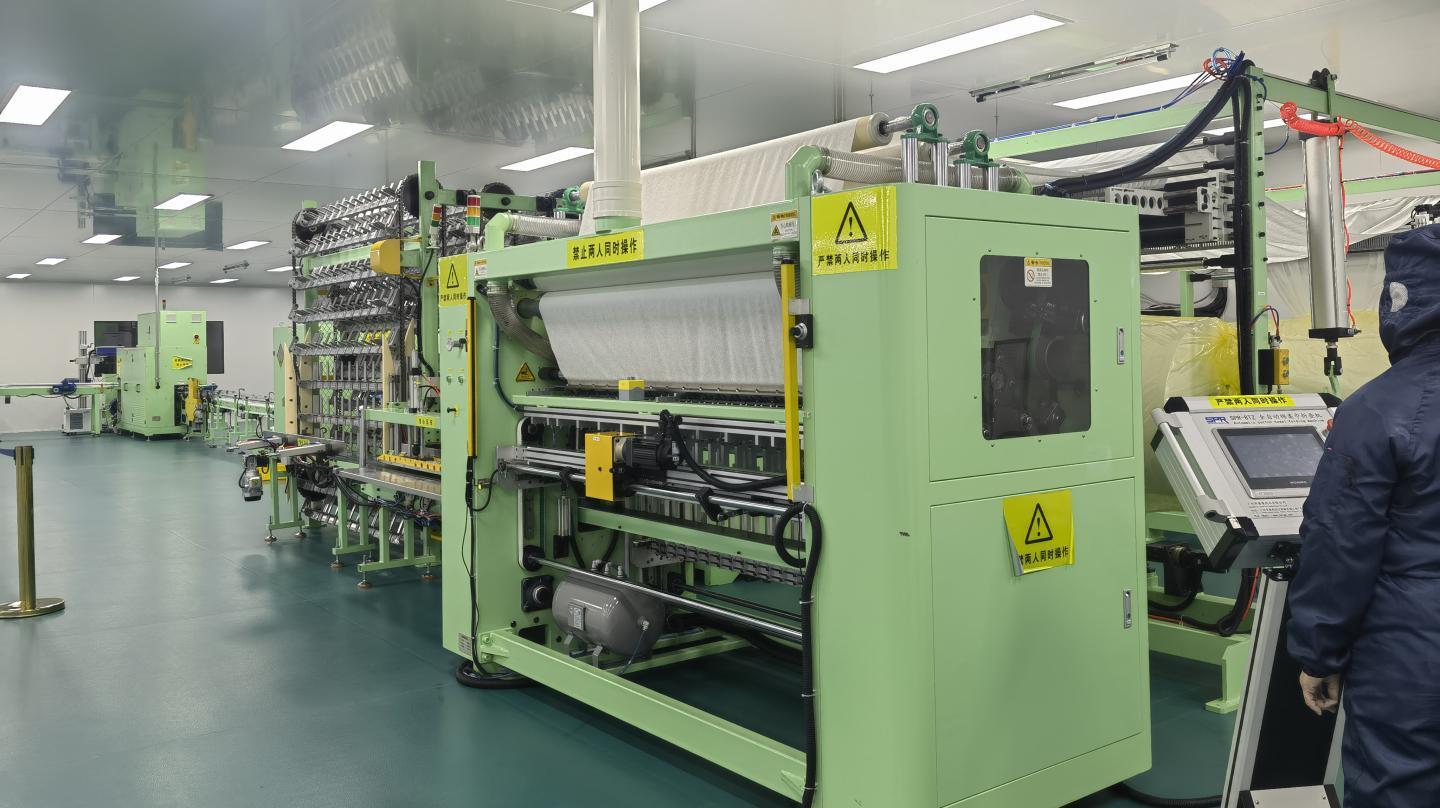
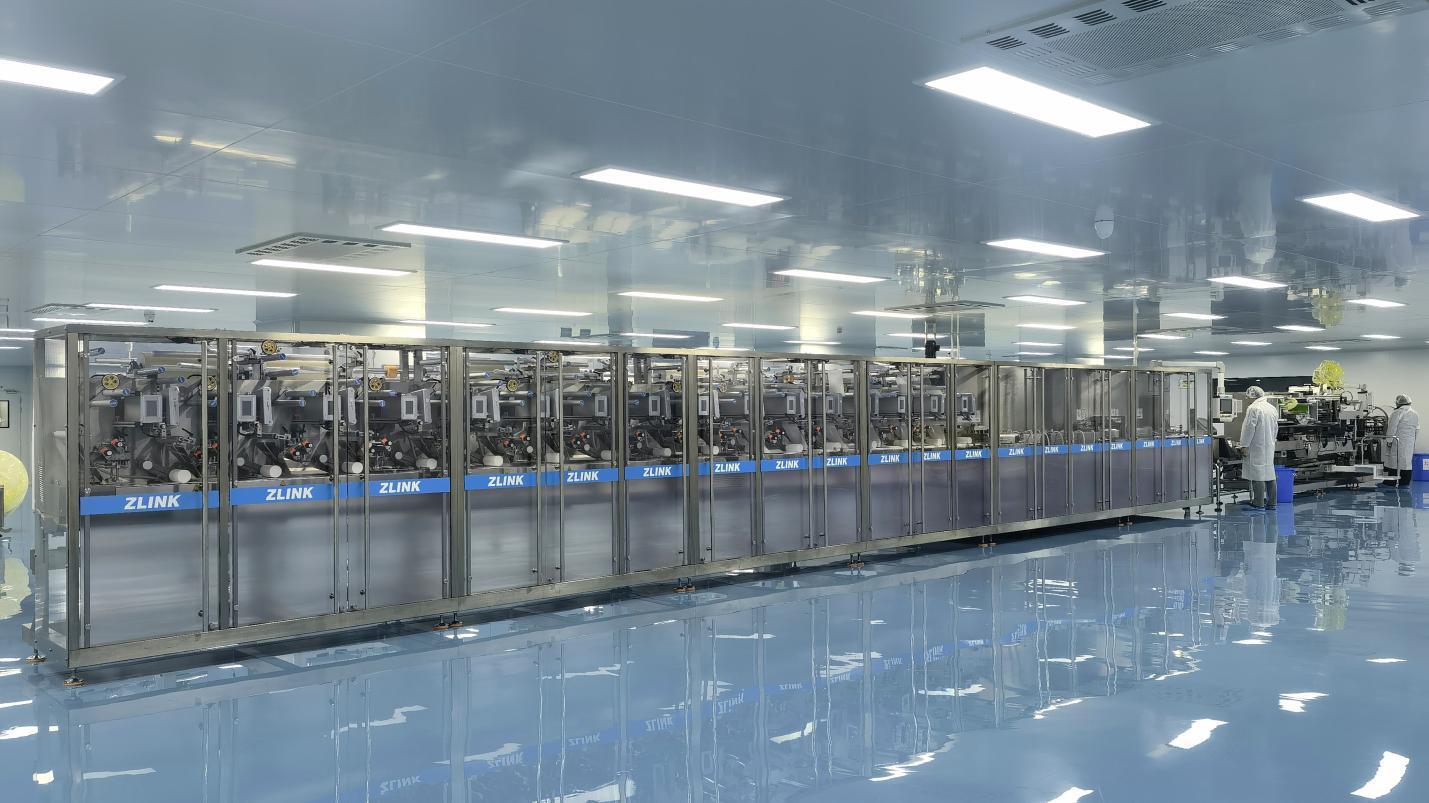
Our facility operates 5 fully automatic high-speed mask production lines and 12 semi-automatic lines. This scale allows us to run continuous 24/7 production during peak demands, absorbing sudden volume spikes that would overwhelm smaller domestic suppliers. By utilizing fully automated ultrasonic welding systems, we eliminate manual inconsistencies in earloop attachment and nose bridge positioning, maintaining a rejection rate of less than 0.1%.
Raw Material Cost-Efficiency
Located in the heart of Zhejiang's petrochemical and synthetic fiber manufacturing cluster, we have direct, low-cost access to high-grade polypropylene chips and non-woven raw materials. This proximity eliminates import duties on components and reduces domestic logistics costs. This cost advantage is passed directly to our Korean B2B partners, enabling highly competitive unit economics without sacrificing filtration quality.
Logistical Proximity
Zhejiang's geographical proximity to the ports of Ningbo and Shanghai offers rapid shipping times to major Korean logistics hubs like Busan, Incheon, and Gwangyang. Ocean transit times are typically between 2 to 4 days, allowing for agile, just-in-time inventory management. We offer streamlined customs documentation services, handling export clearances efficiently to minimize warehouse storage delays.
Custom OEM/ODM Packaging
Understanding the branding-conscious nature of Korean consumers, we support full custom packaging solutions. This includes printed boxes in clean, minimalist styles preferred by Korean design agencies, individual plastic packaging, and localized regulatory labeling text directly printed on retail cartons.
4. Emerging Trends in the B2B Mask and Respiratory Protection Market
The global and regional demand for personal protective equipment is evolving towards specialization and sustainability. Organizations must adapt to these trends to remain competitive:
- Eco-Friendly and Biodegradable Substrates: Due to plastic waste regulations, researchers and factories are testing biodegradable PLA (Polylactic Acid) fibers for outer layers. We are proactively experimenting with these materials to offer sustainable alternatives to our ESG-conscious buyers.
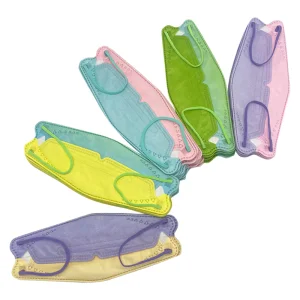
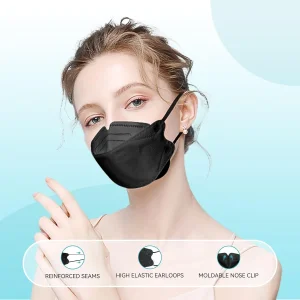
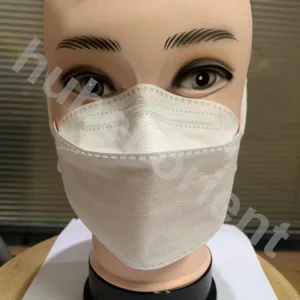
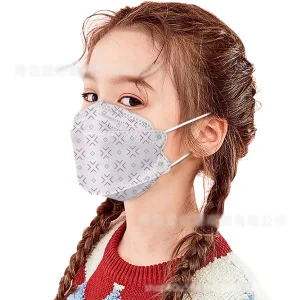
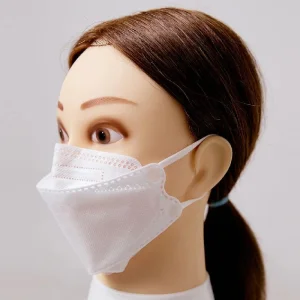
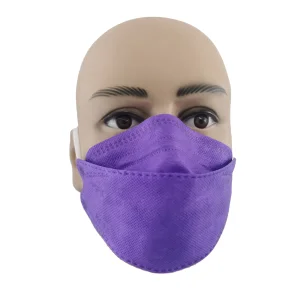
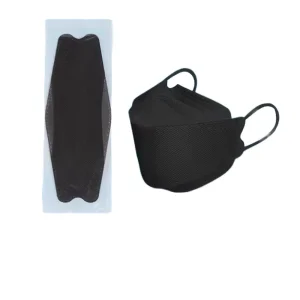
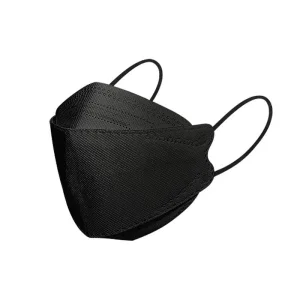
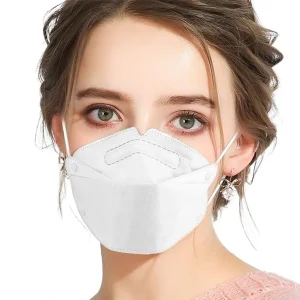
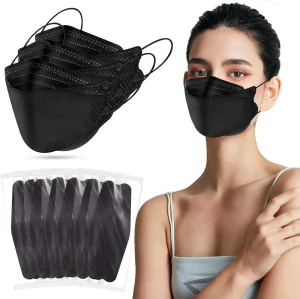
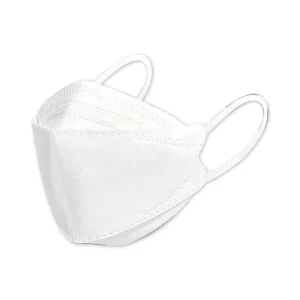
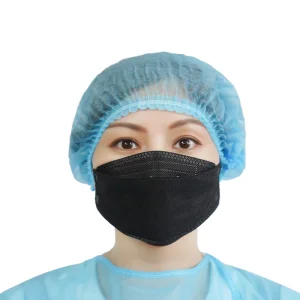
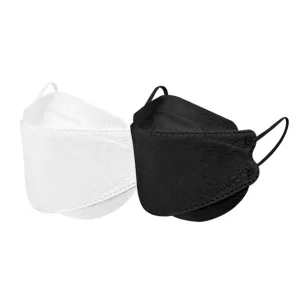
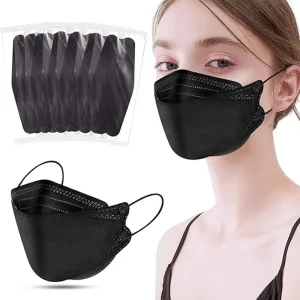
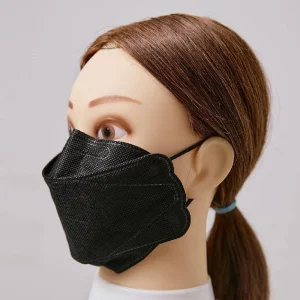
- Ergonomic 3D Shapes: The traditional flat-fold mask design has lost significant market share to the 3D fish-mouth structure. The 3D design prevents the mask material from touching the lips, which minimizes smudging cosmetics and reduces humidity buildup, making it highly preferred for corporate and public use in Korea.
- Dual-Standard Compliance: Global enterprises increasingly procure PPE that holds cross-regional certification (such as meeting EN 149 FFP2 for Europe alongside KF94 dimensions for Korea) to simplify international inventory deployment.