DrSharpe Health DrSharpe Health

Dust Protection Mask Supplier & Exporters in the Osaka Market

Premium Respiratory Solutions, Factory 4.0 Efficiency, and Unparalleled Compliance for Osaka's Heavy Industrial and Precision Manufacturing Ecosystem

Osaka's Industrial Ecosystem & Environmental Particulate Hazards

Osaka Prefecture stands as one of Japan's most critical industrial hubs, anchoring the Hanshin Industrial Region. From the heavy steel manufacturing and chemical processing hubs along the Sakai-Senboku coastal industrial zone to the precision machining and metallic workshops in Higashiosaka, the region operates under high-density particulate loads. For decades, industrial activities have necessitated stringent respiratory safeguards. Furthermore, with the ongoing civil infrastructure enhancements and construction initiatives for the upcoming Expo 2025 in Yumeshima, localized PM10 and PM2.5 concentrations have faced continuous scrutiny.

The regulatory framework in Japan, supervised by the Ministry of Health, Labour and Welfare (MHLW), enforces highly specific performance metrics for industrial respirators. Employers in the Keihanshin metropolitan area must comply with the Industrial Safety and Health Act (ISHL), which dictates mandatory workplace safety standards. Sourcing high-efficiency dust protection masks that meet these parameters while remaining cost-effective is crucial for plant managers, manufacturing procurement officers, and safety directors looking to maintain structural compliance and protect worker health.

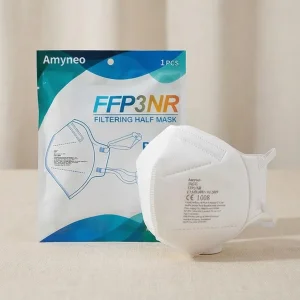
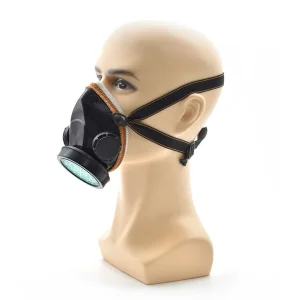
  • Fully compliant with international particulate standards (EN149 FFP2/FFP3 & NIOSH N95).
  • Engineered for low inhalation resistance to alleviate physical stress during long factory shifts.
  • Robust electrostatic meltblown fibers maintaining filtration integrity in humid seaside climates.
99%
BFE Filtration
99%
PFE Filtration
17+
Production Lines
50+
Export Destinations

Need a certified supplier who understands the Osaka regulatory landscape?

Send Inquiry Now

Technical Roadmap: Material Sciences and High-Efficiency Particulate Air (HEPA) Filtration

Developing effective barrier technologies against respirable crystalline silica (RCS), toxic aerosols, and heavy metallic particulates requires advanced materials engineering. High-performance disposable particulate respirators rely on multi-tier composite non-woven webs. The primary defensive layer consists of a high-density, meltblown polypropylene (PP) web. During processing, molten polypropylene is extruded through micro-fine nozzles via high-velocity air streams to form microfibers with diameters between 1 and 5 micrometers. These randomly oriented microfibers establish a complex physical network that intercepts airborne particulates.

However, relying solely on mechanical filtration (impaction, interception, and diffusion) would restrict airflow and increase breathing resistance, causing discomfort and fatigue for wearers. To resolve this, our meltblown filter media undergoes specialized corona charging. This electret treatment deposits a permanent electrostatic charge on the polypropylene fibers. This charge actively attracts and captures sub-micron particulates—specifically targeting the 0.3-micron particle size range that is hardest to filter—without narrowing the physical air pathways. As a result, the respirator maintains a high Particle Filtration Efficiency (PFE) exceeding 99% while maintaining a low pressure drop.

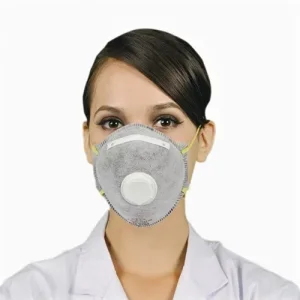
For settings featuring gaseous by-products or volatile organic compounds (VOCs)—common during industrial spray-painting, solvent cleaning, and electroplating in Osaka's industrial zones—we incorporate an activated carbon layer. This layer utilizes high-porosity carbon granules, which offer a massive internal surface area that adsorbs trace gas molecules. This works alongside the electrostatically charged outer layers to provide comprehensive protection against both dust particles and low-level chemical vapors.

Macro-Level Supply Chain Management for Japanese Enterprise Procurement

Enterprise procurement in Japan's manufacturing hubs places a strong emphasis on risk mitigation, reliable delivery timelines, and product consistency. Global sourcing requires a balanced blend of regional cost efficiencies and rigorous quality control. For industrial suppliers targeting the Kansai region, establishing clear logistics lines to the Port of Osaka is essential.

By maintaining raw material reserves and using automated production processes, manufacturers can keep pricing stable even when raw material costs fluctuate. Furthermore, ensuring that products are certified to international standards—such as European EN 149 (FFP2/FFP3), American NIOSH (N95), and the Japanese Industrial Standards (JIS T 8151)—simplifies compliance verification for corporate safety auditors, paving the way for seamless international procurement.

Zhejiang DrSharpe Health Co., Ltd.

Factory 4.0 Manufacturing Center and Global PPE Export Infrastructure

Zhejiang DrSharpe Health Co., Ltd. is a specialized manufacturer and global supplier of high-performance disposable medical and industrial protective solutions. Guided by advanced manufacturing techniques and strict quality controls, DrSharpe provides reliable, high-filtration respiratory products to demanding markets around the world.

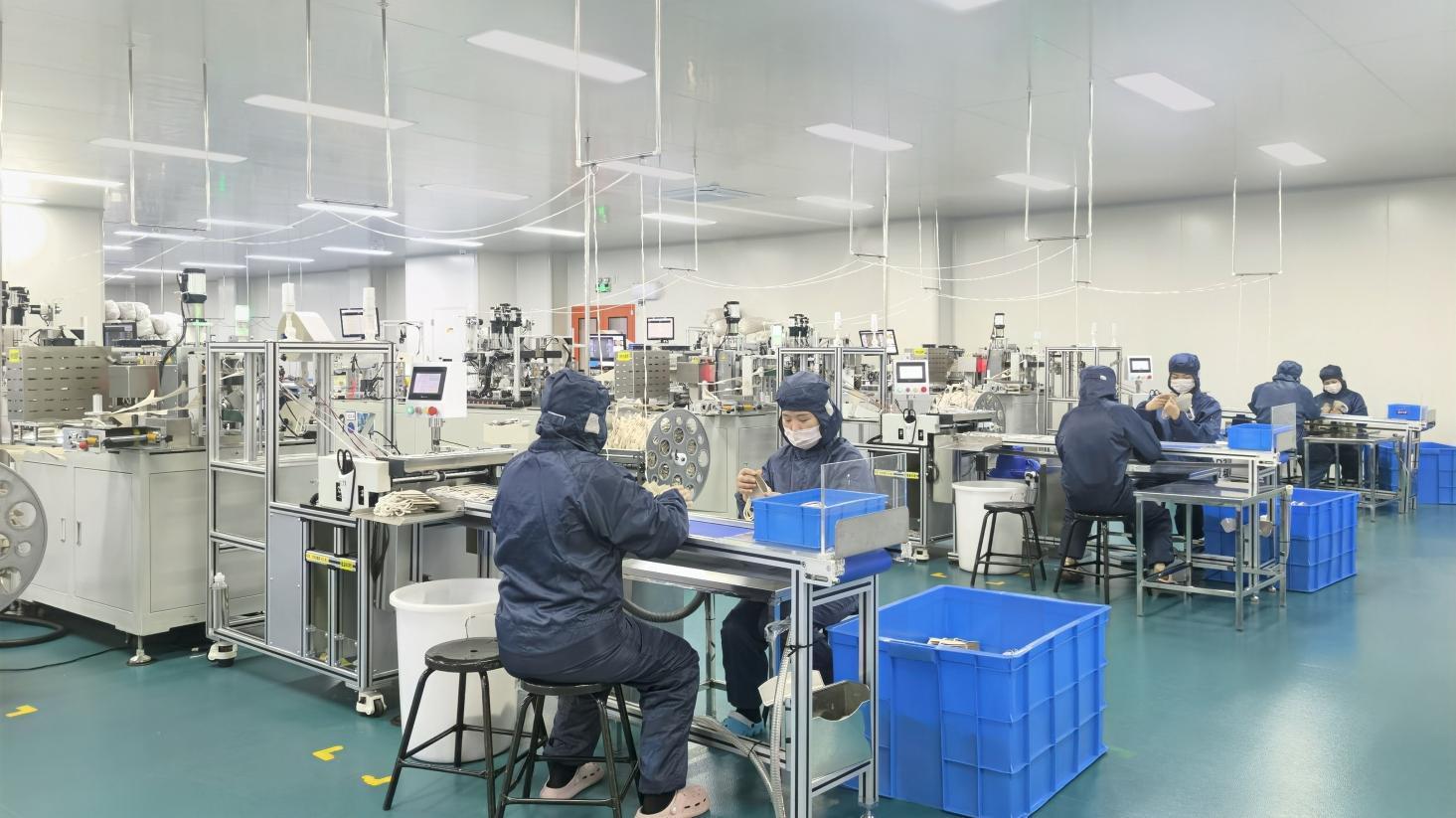
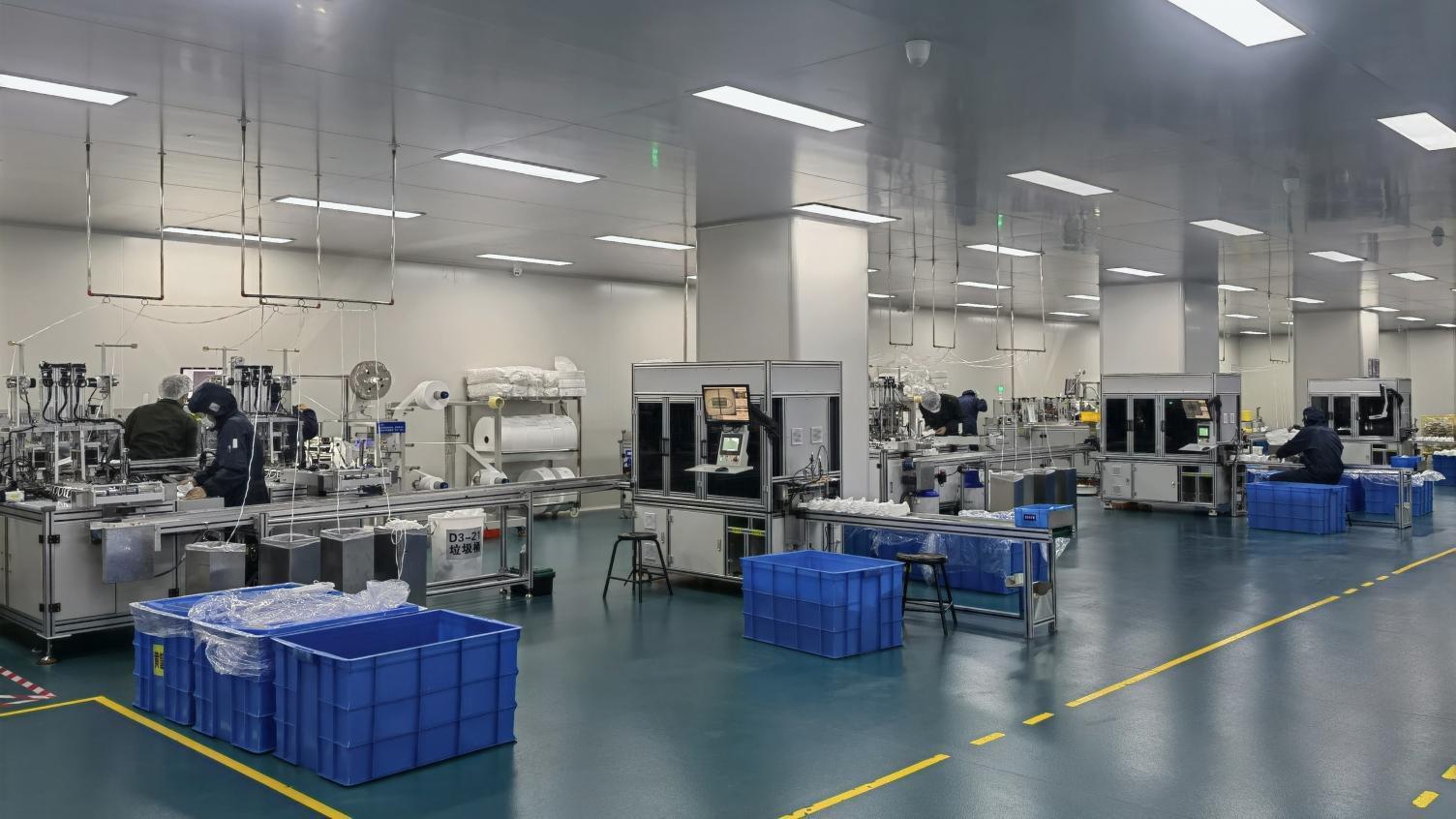
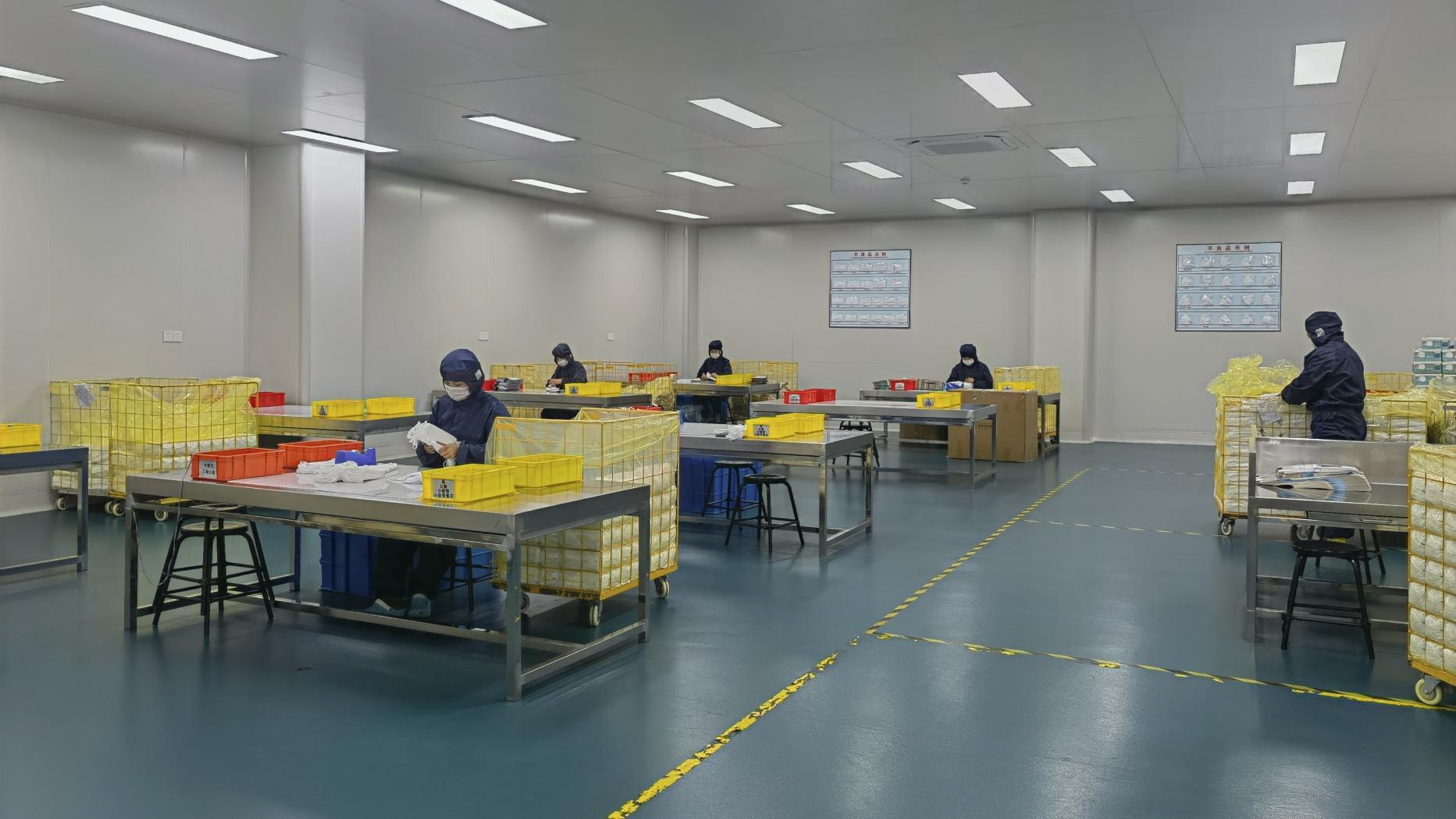
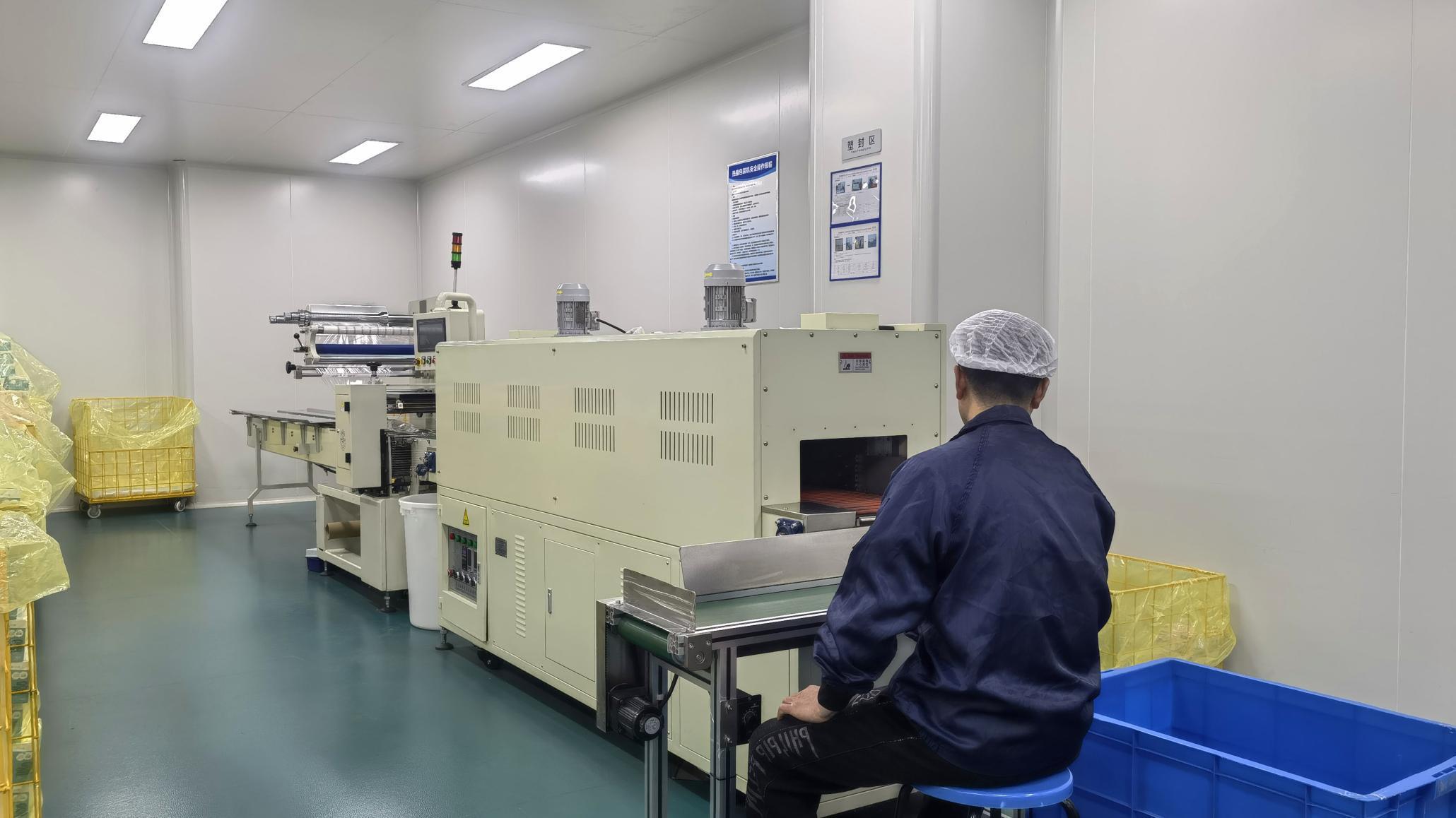
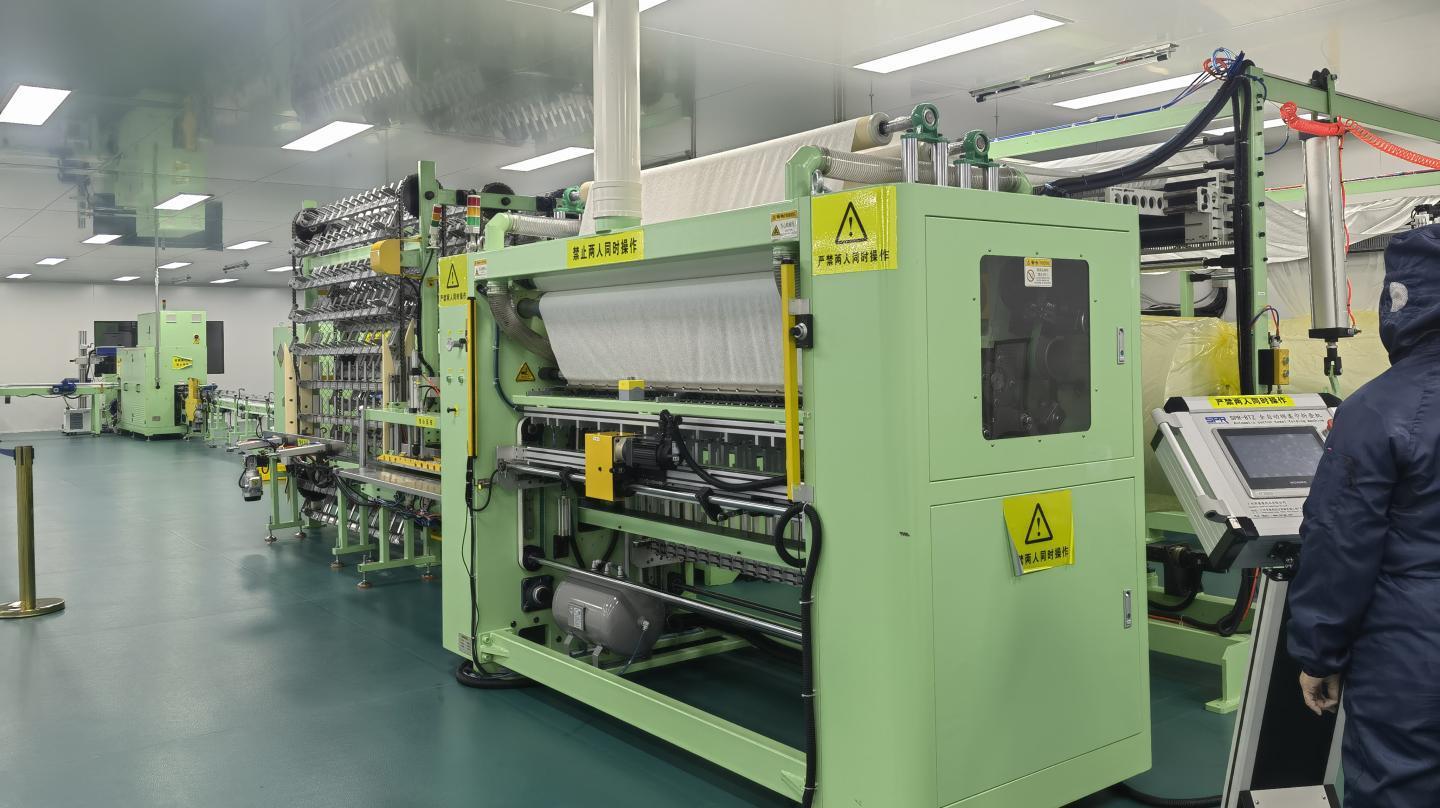
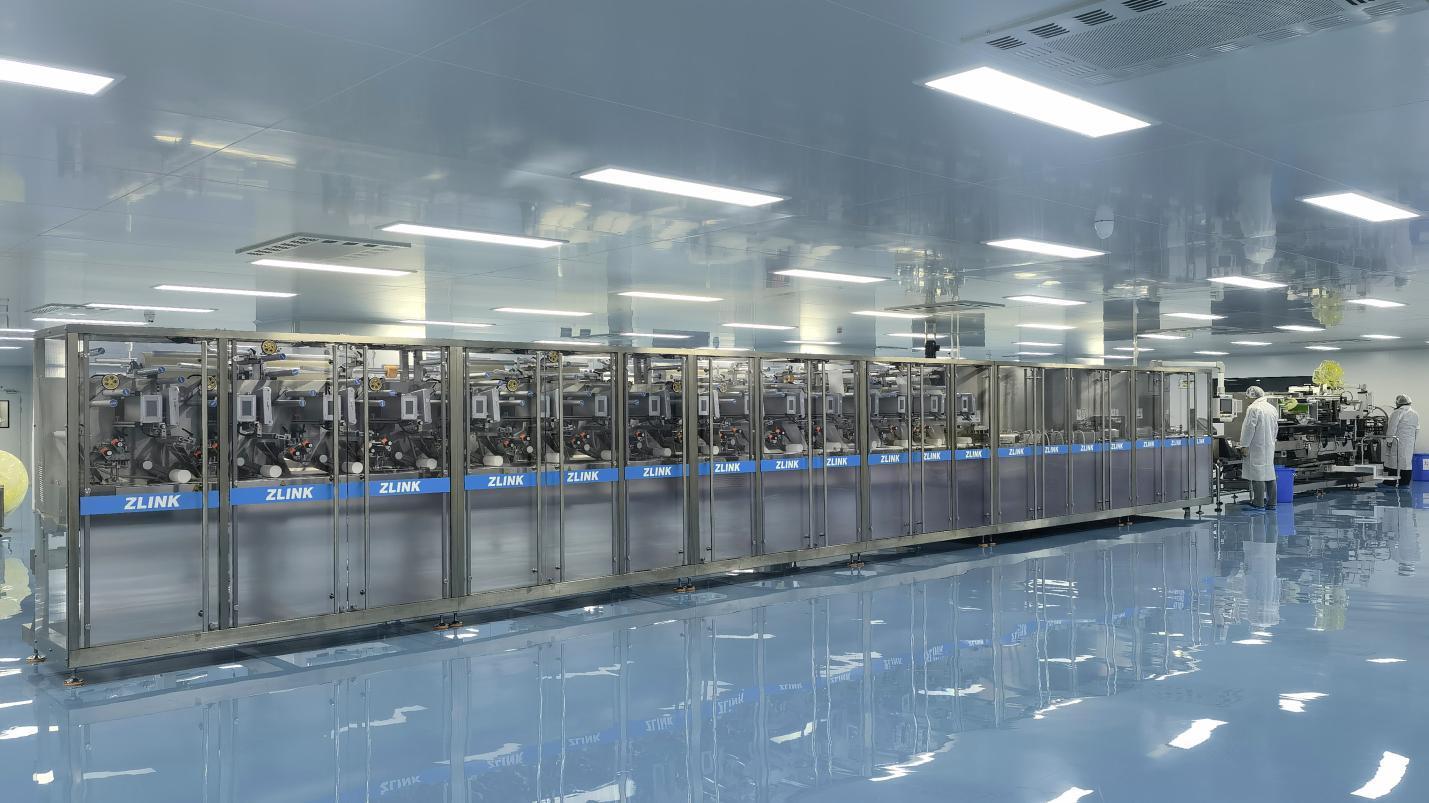
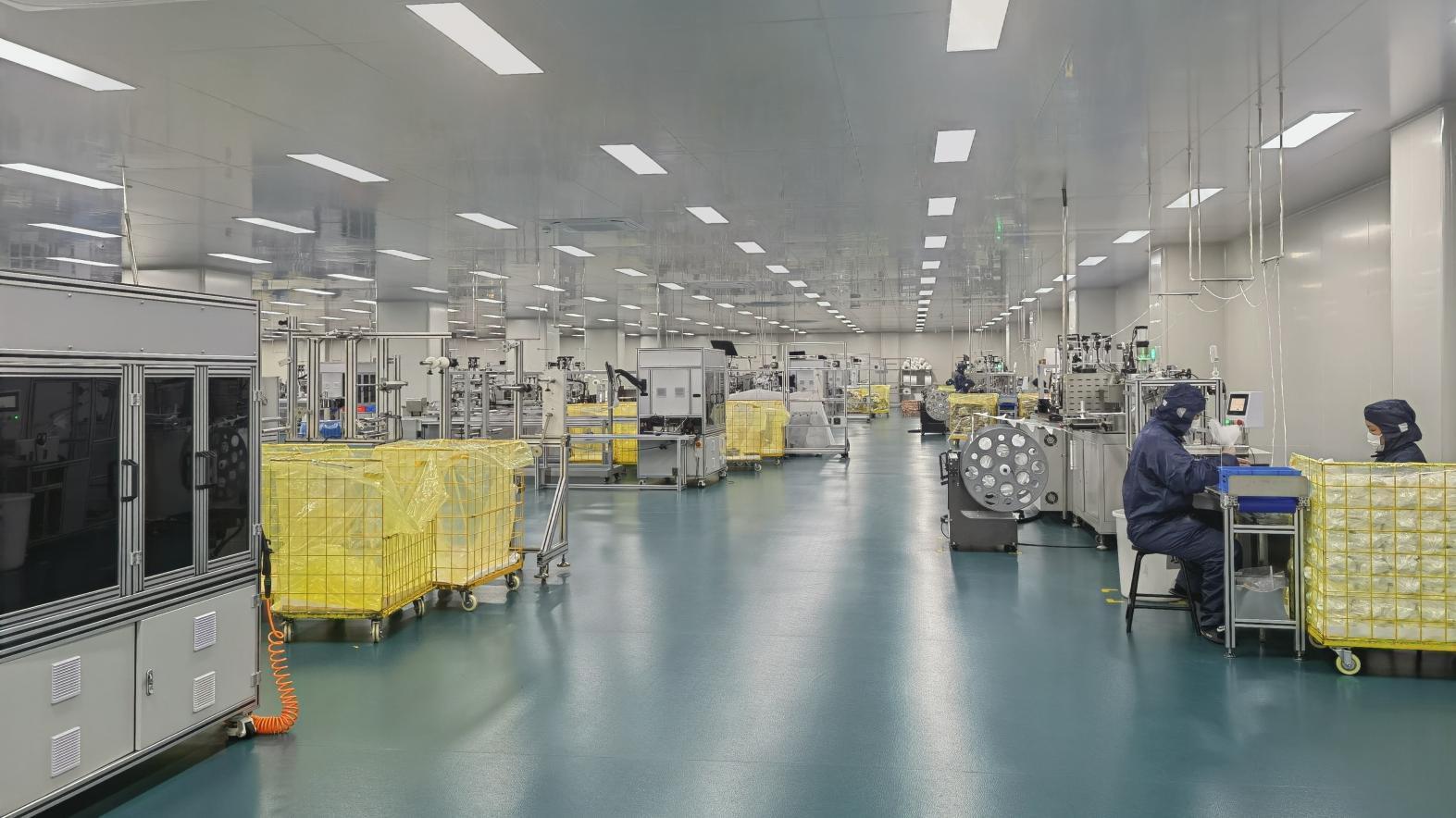
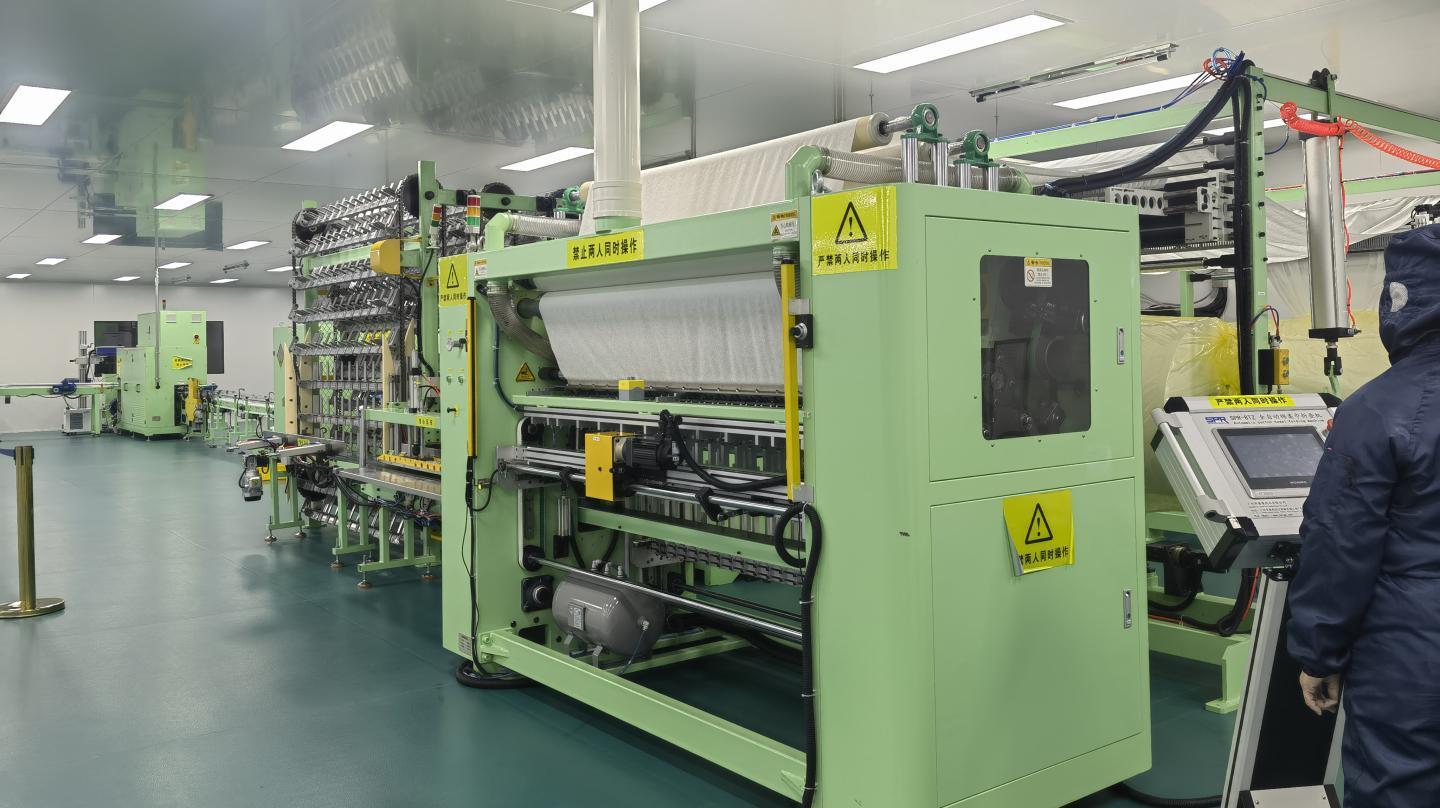
Our manufacturing center is equipped with 5 fully automatic mask production lines and 12 semi-automatic production lines, managed by an experienced engineering and quality assurance team. By automating key assembly steps, we minimize manual handling, reduce contamination risks, and maintain highly consistent physical seals. Our products comply with major global regulatory standards, backed by certifications from CE, US FDA, and US EUA, and are widely exported to Japan, Europe, the United States, and Latin America.

China Factory 4.0: Supply Chain Resiliency & Export Economics

China's manufacturing sector continues to transition toward high-tech automation and digital integration, transforming from a traditional volume-based producer into an advanced Factory 4.0 innovator. For specialized health and personal protective equipment (PPE) producers like Zhejiang DrSharpe Health Co., Ltd., this evolution translates to better process controls, higher material yield rates, and consistent compliance with global safety requirements. Our fully automatic and semi-automatic production lines utilize precise tension-control mechanisms, computerized ultrasonic welding, and real-time vision inspection systems to spot and remove minor defects during manufacturing.

Our manufacturing base in Zhejiang offers a strong geographical advantage for supplying the Osaka and broader Kansai markets. Zhejiang's deep industrial infrastructure provides direct access to high-quality polypropylene resins and electret meltblown fabrics, buffering our operations against global supply shortages. Additionally, our proximity to major international ports like Ningbo-Zhoushan and Shanghai allows us to offer efficient ocean freight options. With a transit time of just 5 to 7 days from East China ports to the Port of Osaka, we can easily match the inventory schedules of Japanese distributors, minimizing warehouse holding costs and supply chain risks.

By combining digital manufacturing, close relationships with upstream material suppliers, and optimized shipping routes, we provide a reliable, cost-effective sourcing alternative for Osaka enterprises seeking to strengthen their PPE supply chains.

Frequently Asked Questions (FAQ)

Expert guidance on standards, material specifications, and logistics for international safety mask procurement.

What are the main differences between Japanese DS2 certification and FFP2/N95 masks?
The Japanese DS2 standard (governed by JIS T 8151) is the regulatory equivalent to NIOSH N95 and European EN 149 FFP2 standards. All three require a minimum filtration efficiency of 95% (or 94% for FFP2) against non-oil-based particulates. While N95 and FFP2 are tested using NaCl aerosols, Japanese DS2 testing involves specific inhalation and exhalation resistance limits to ensure ease of breathing. DrSharpe masks are designed to meet these international benchmarks, ensuring easy import and regulatory compliance for Osaka industrial operators.
How does electret meltblown media maintain filtration in humid environments like Osaka?
High humidity can degrade the static charge of lower-grade electret filters, leading to reduced filtration performance over time. DrSharpe addresses this by applying a high-stability corona charging process to hydrophobic polypropylene. This treatment helps retain the electrostatic charge even in humid conditions. In addition, our multi-layered design features a moisture-resistant spunbond outer layer, protecting the electrostatically charged meltblown core from water droplets and exhaled moisture.
Can FFP3 carbon masks protect workers from volatile organic compound (VOC) exposure?
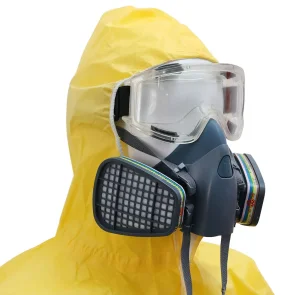
Our FFP3 masks with activated carbon are designed to capture both particulate matter (99% efficiency) and low levels of nuisance gases or organic vapors. The integrated activated carbon layer uses physical adsorption to capture vapor molecules. However, for high-concentration chemical environments or spaces with low oxygen levels, workers should use reusable elastomeric respirators with chemical-specific cartridges.
What is the standard delivery timeframe from your factory to the Port of Osaka?
Our factory in Zhejiang, China, is located close to the major ports of Ningbo and Shanghai. Shipments from these ports to the Port of Osaka typically take 5 to 7 days in transit. Factoring in customs clearance and domestic trucking in Japan, the door-to-door delivery timeframe for standard bulk orders is generally between 12 and 18 days.
What certifications does Zhejiang DrSharpe Health Co., Ltd. hold for industrial masks?
Our products comply with major global regulatory systems. We hold CE certificates for EN 149:2001+A1:2009 standards (encompassing FFP2 and FFP3 categories), US FDA registrations, and emergency authorizations (EUA). Our manufacturing facilities also operate under ISO 13485 quality management systems, ensuring consistent product performance and full traceability from raw materials to finished items.
Can we request customized branding or packaging for the Osaka safety market?
Yes. We offer OEM and ODM services for qualified bulk distributors. This includes custom retail packaging, localized user manuals (including Japanese translations compliant with local safety regulations), and custom printing directly on the mask bodies.
What is the typical shelf life of DrSharpe's disposable particulate respirators?
When kept in their original packaging and stored within recommended conditions (relative humidity under 80% and temperatures between -20°C and +38°C), our disposable particulate respirators have a shelf life of 3 to 5 years. The electret charge remains stable over this period, ensuring reliable filtration performance when the masks are deployed.
How does the headloop design compare to earloop designs for industrial work?
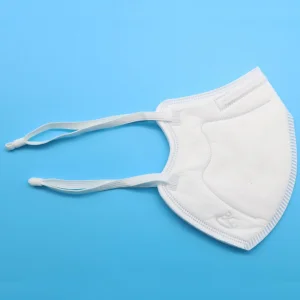
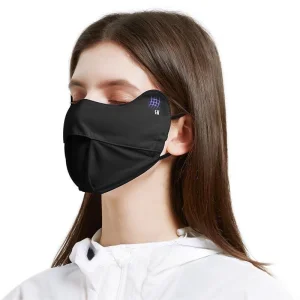
For demanding industrial tasks, headloop designs are generally preferred over earloops. The dual head straps distribute tension more evenly across the head, providing a more secure, tight seal that resists shifting when the worker moves. This design is also more comfortable for long shifts and is often required for high-level certifications (like FFP3 and NIOSH N95) to minimize air leakage around the edges of the mask.

Streamline Your Industrial Respiratory Sourcing

Partner with Zhejiang DrSharpe Health Co., Ltd. for certified filtration performance, reliable supply chains, and prompt delivery to the Osaka market.

Send Inquiry Now