DrSharpe Health
DrSharpe Health
DrSharpe Health
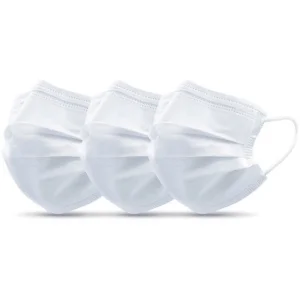
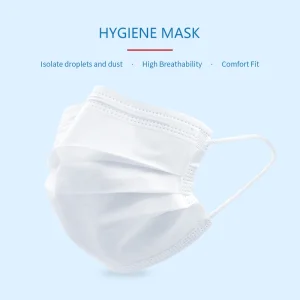
In the wake of rapid technological evolution, systemic environmental shifts, and stringent international occupational health regulations, the global demand for advanced personal protective equipment (PPE) has experienced unprecedented growth. Personal protective systems, specifically Full-Face Protective Masks, high-filtration particulate respirators (such as FFP2, FFP3, KN95, and N95), and surgical barrier masks, represent critical safety boundaries for healthcare practitioners, chemical workers, cleanroom technicians, and civil workforces alike.
This whitepaper provides an exhaustive, multi-dimensional analysis of the manufacturing processes, regulatory compliance pathways, geographical supply chain structures, and technological trends shaping this vital industry. By evaluating industrial capacities, specifically focusing on advanced manufacturing centers like Zhejiang, China, procurement officers and supply chain directors will gain key strategic insights to optimize their global sourcing portfolios.
China remains the undisputed epicentre of high-volume, precision-engineered PPE manufacturing. The region of Zhejiang, in particular, hosts a dense, vertically integrated ecosystem that leverages world-class material science, automated mechanical engineering, and extensive global logistics infrastructure.
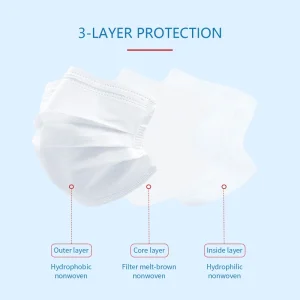
One of the primary structural advantages of manufacturers located in Zhejiang is their proximity to the raw material supply chain. The core component of any high-filtration mask is the meltblown non-woven fabric, combined with high-grade spunbond polypropylene layers. Because Zhejiang-based factories are situated within hours of major petrochemical processing hubs and specialized material suppliers, they can secure premium-grade raw materials with minimal transit overheads, insulating global buyers from supply chain shocks.
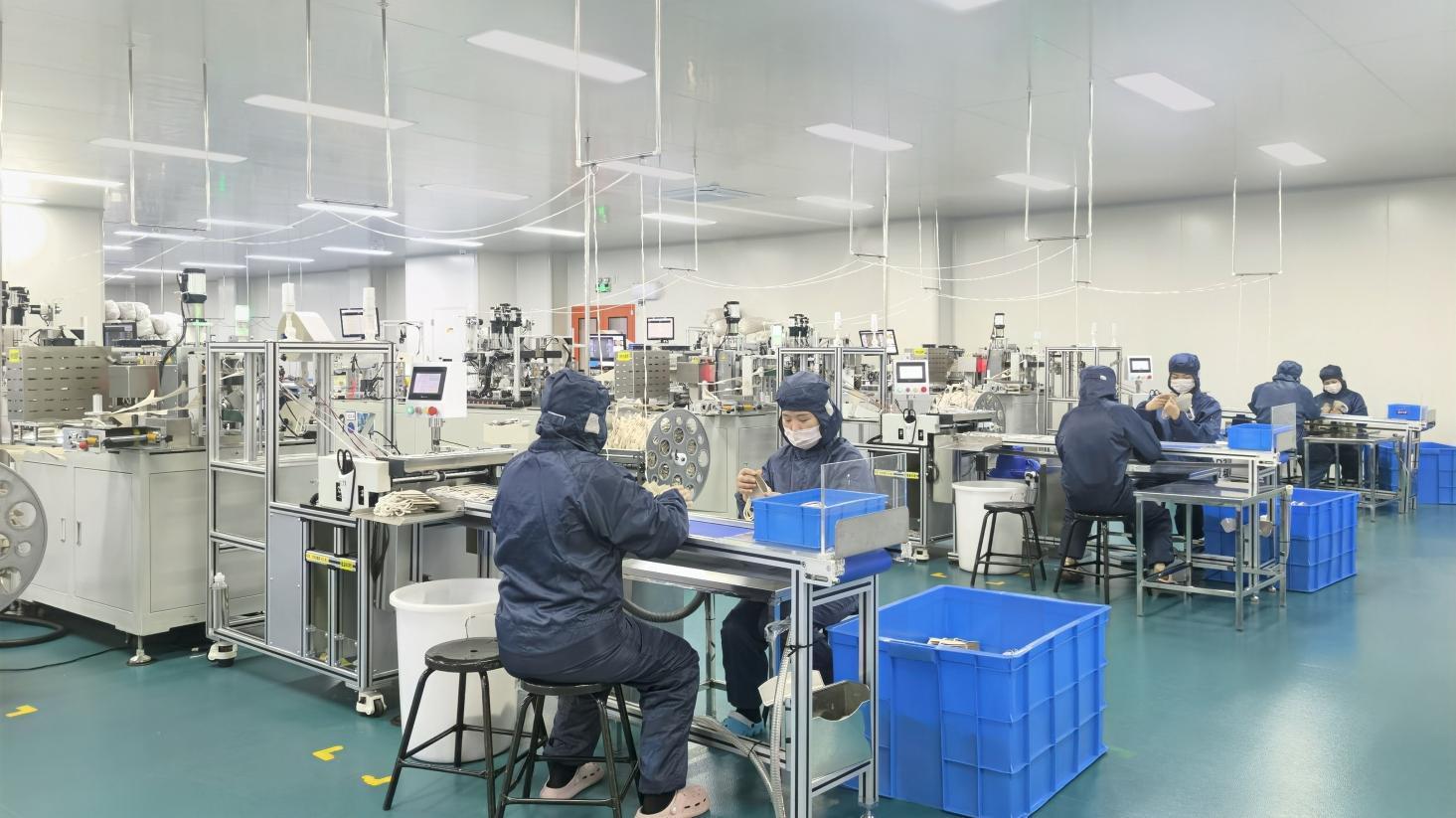
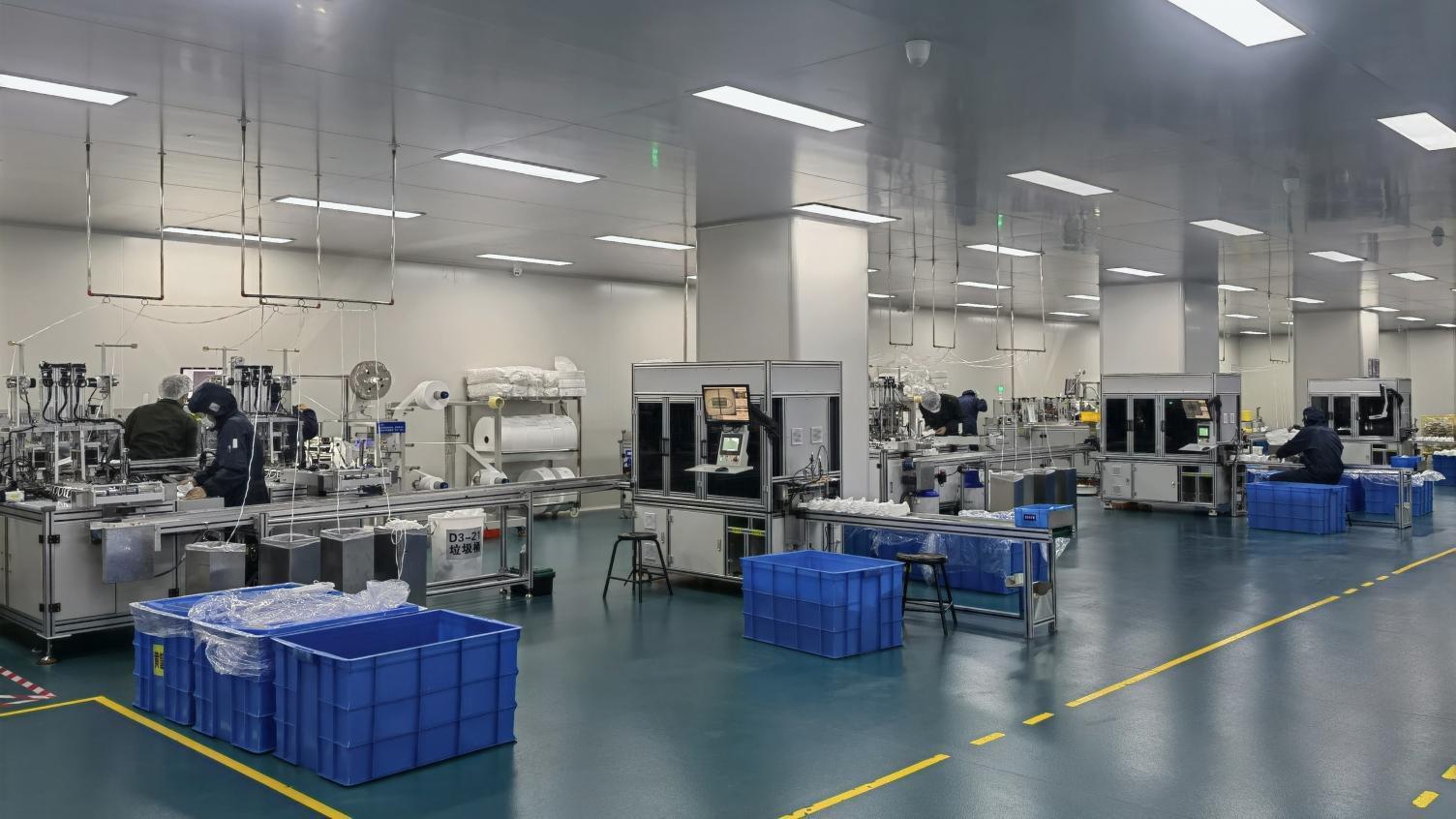
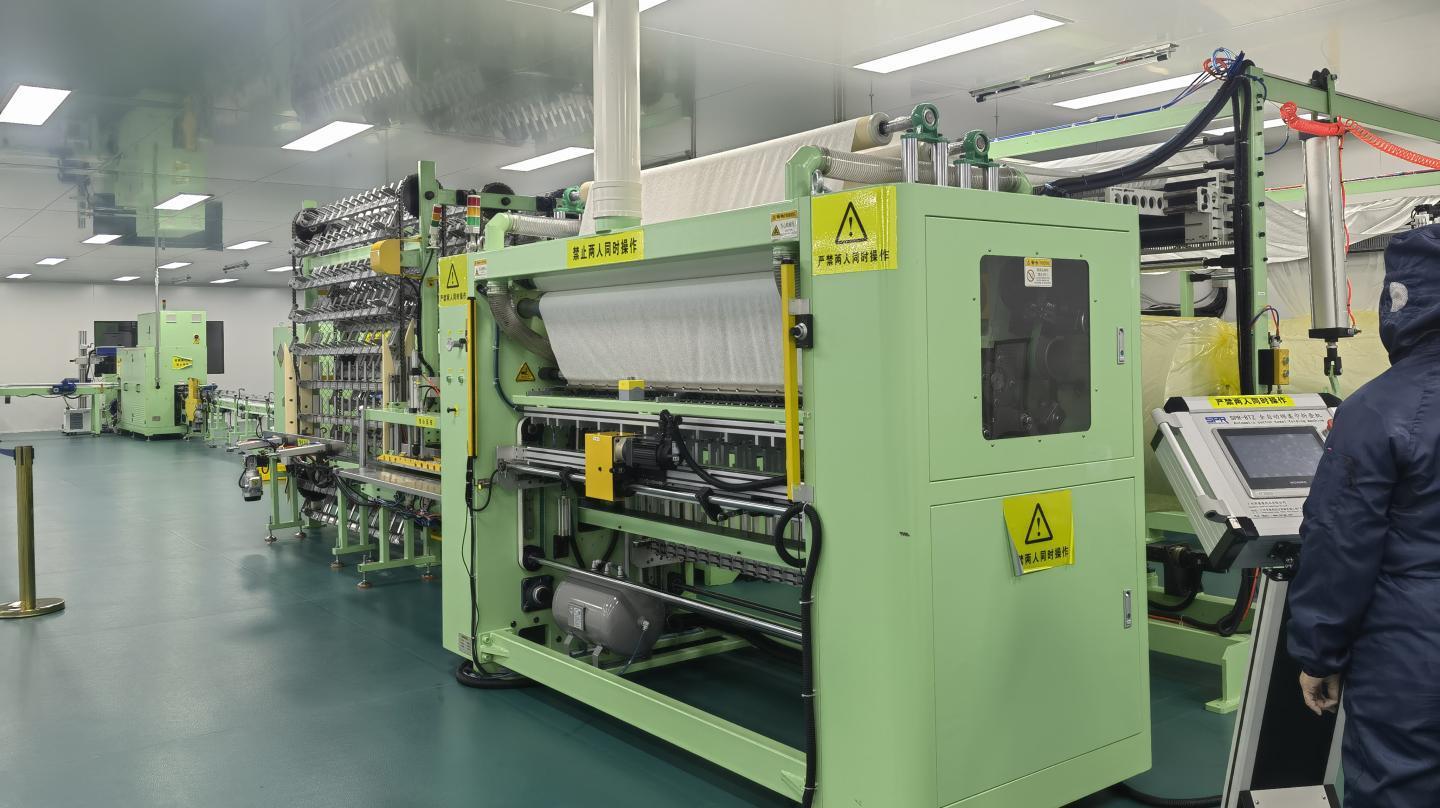
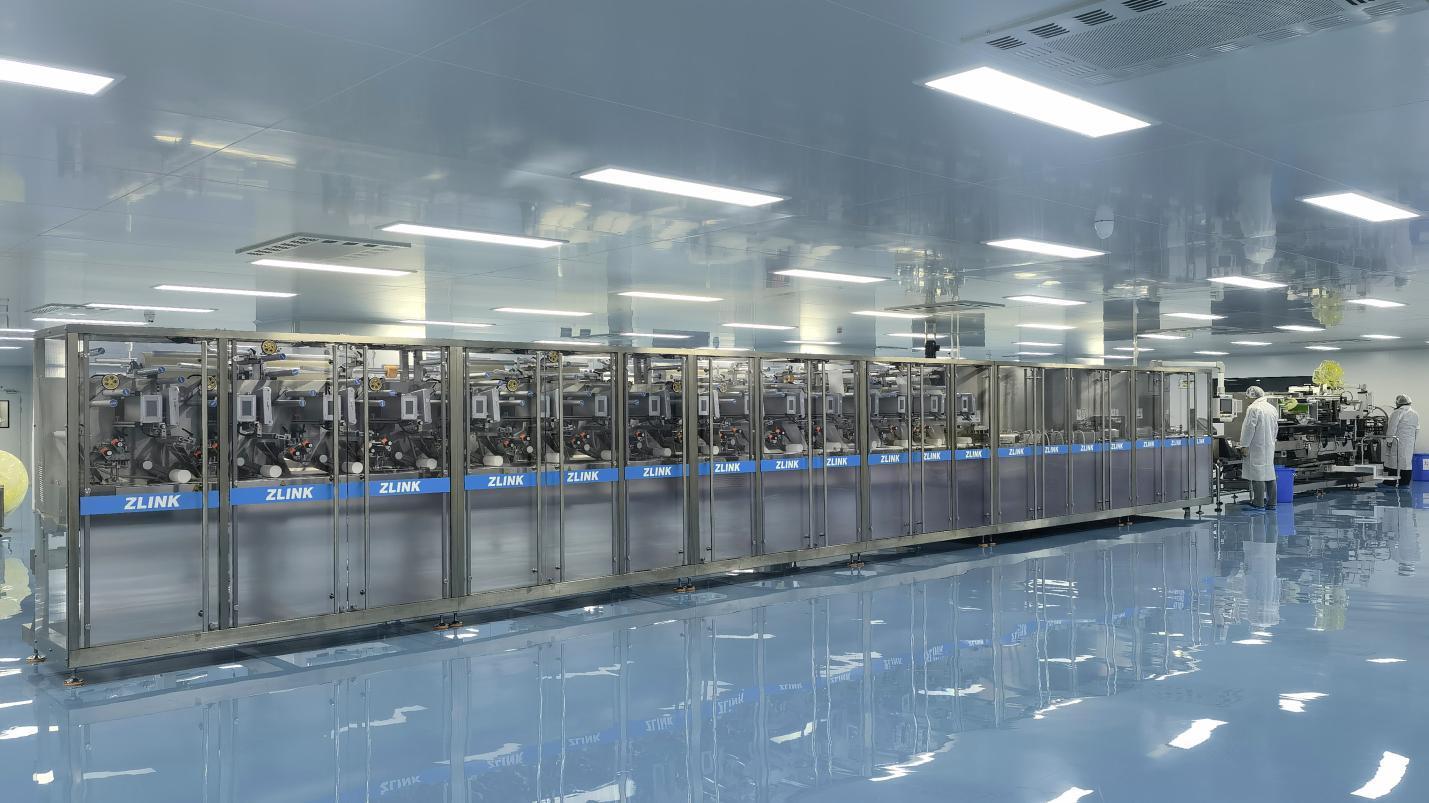
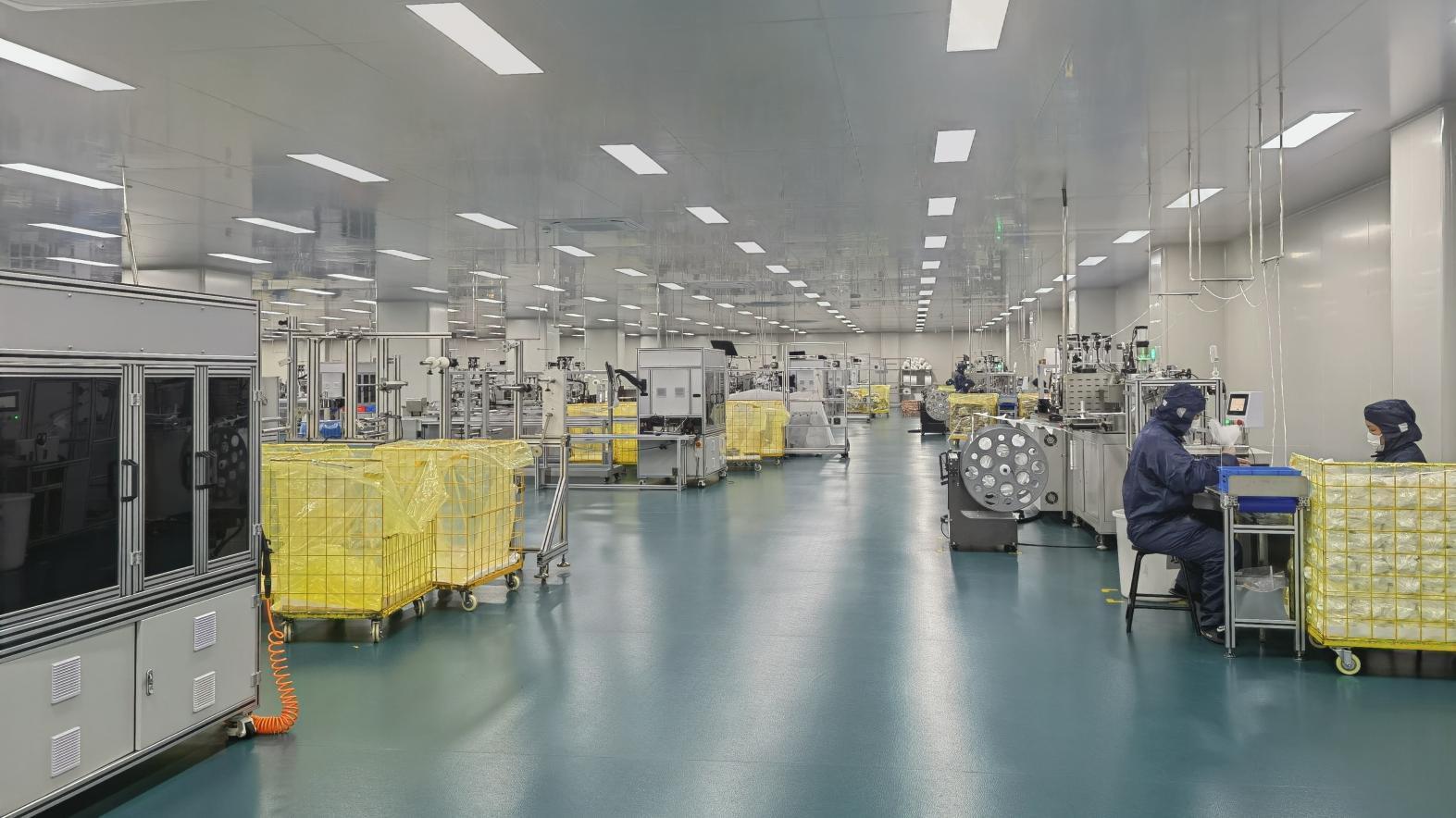
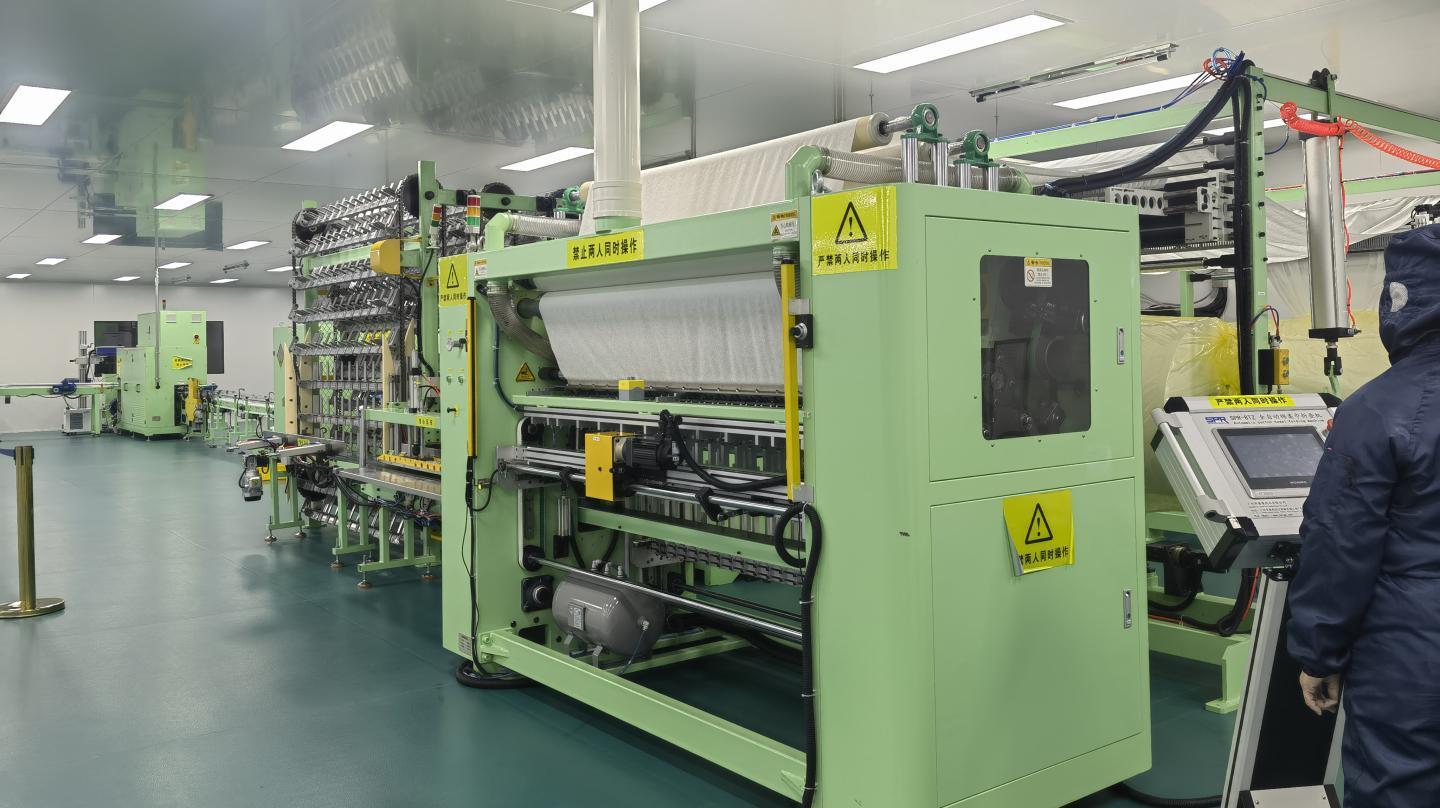
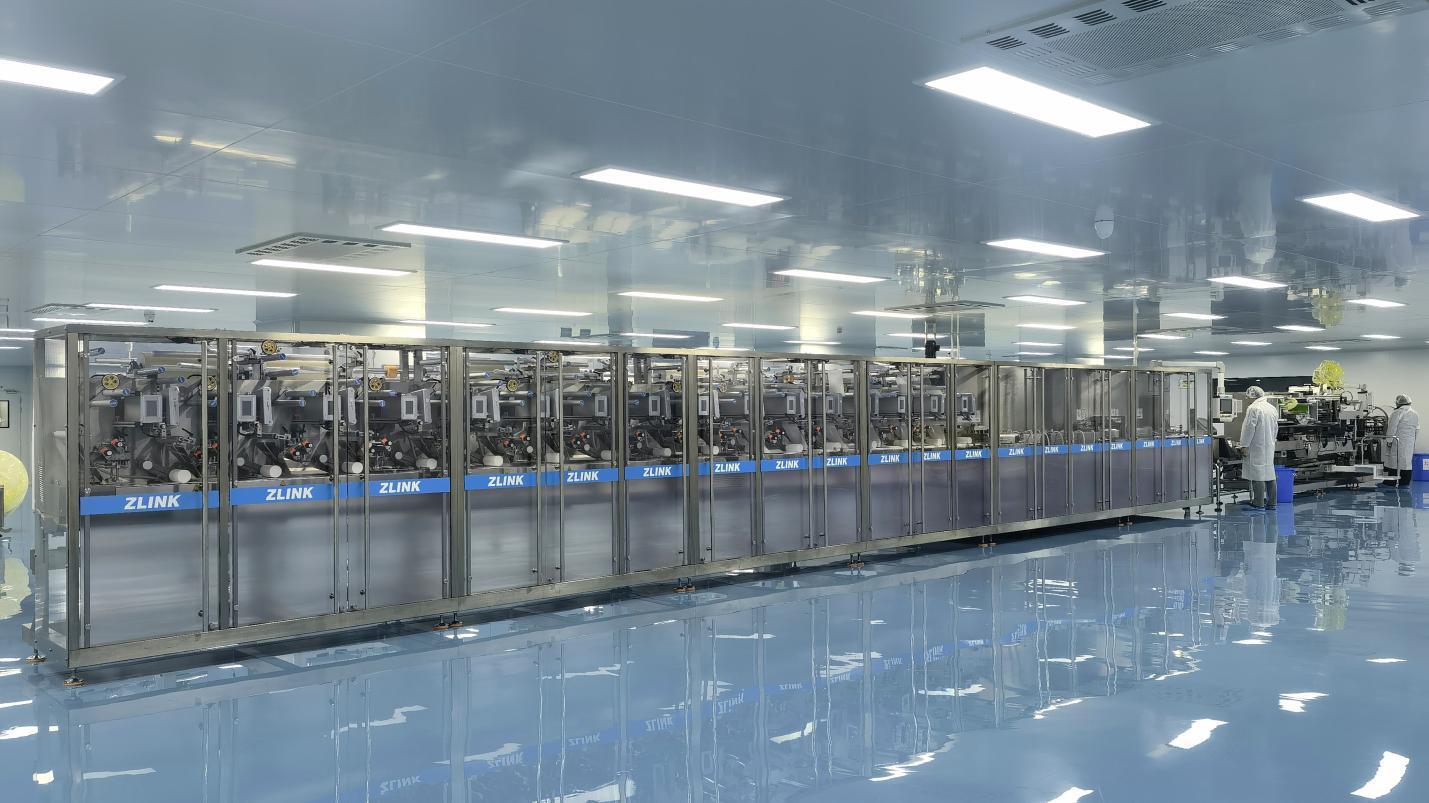
As labor costs rise, leading factories have transitioned to highly automated production ecosystems. Take, for example, the modern facility of Zhejiang DrSharpe Health Co., Ltd., which utilizes 5 fully automatic mask production machines and 12 semi-automatic mask production machines. Automation not only reduces human contamination risks within cleanrooms but also guarantees mechanical consistency—ensuring that ultrasonic ear-loop welding, nose-bridge insertion, and edge-sealing maintain millimeter-level precision across millions of units.
Zhejiang’s geographical position provides access to two of the world's busiest maritime shipping ports: the Port of Shanghai and the Port of Ningbo-Zhoushan. This proximity enables manufacturers to offer extremely competitive FOB/CIF terms. Furthermore, top-tier exporters maintain direct relationships with international customs clearing brokers, ensuring that all safety documentations (such as bill of lading, certificate of origin, and custom declarations) are pre-cleared for smooth entry into Western markets.
To establish trust with institutional buyers, a reputable manufacturer must strictly adhere to international testing methodologies. Below is an analytical breakdown of standard regulatory classifications that govern the protective mask industry.
| Classification Standard | Target Filtration Efficiency | Key Testing Agents | Breathing Resistance | Primary Application Area |
|---|---|---|---|---|
| N95 (NIOSH-42CFR84) | ≥ 95% (PFE) | NaCl (Sodium Chloride) Aerosol | Inhalation ≤ 350 Pa, Exhalation ≤ 250 Pa | Industrial Dust, Clinical Isolation |
| FFP2 (EN 149:2001+A1:2009) | ≥ 94% (PFE & LFE) | NaCl & Paraffin Oil Aerosols | Inhalation (95L/min) ≤ 240 Pa | Construction, Hazardous Materials |
| EN14683 Type IIR | ≥ 98% (BFE) | Staphylococcus aureus aerosol | Differential Pressure < 60 Pa/cm² | Operating Theatres, Fluid Splash Risks |
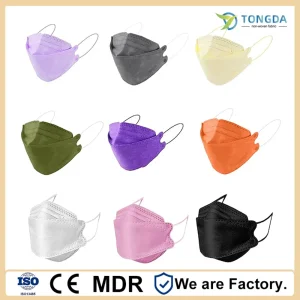
| KF94 (KMOEL 2017-64) | ≥ 94% (PFE) | NaCl & Paraffin Oil Aerosols | Inhalation Resistance ≤ 70 Pa | Public Hygiene, Civil Protection |
The secret to achieving ≥ 99% Bacterial Filtration Efficiency (BFE) and Particle Filtration Efficiency (PFE) without restricting airflow lies in the corona electrostatic charging process. During meltblown extrusion, the polymer fibers are bombarded with electrical charges. These charges create a permanent electric field within the fibers, enabling the mask to capture sub-micron particles through electrostatic attraction, rather than relying solely on mechanical sieving. Zhejiang DrSharpe Health Co., Ltd. integrates state-of-the-art corona treatment systems, ensuring that the filtration capacity remains stable over multi-year shelf lives.
Different industrial and municipal environments demand specific respiratory configurations. Choosing the wrong form factor can lead to occupational hazards, fatigue, or non-compliance penalties.
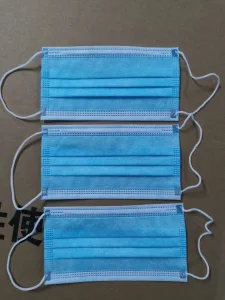
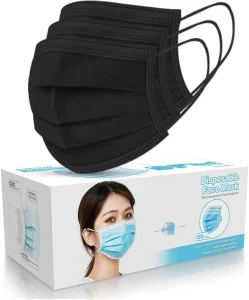
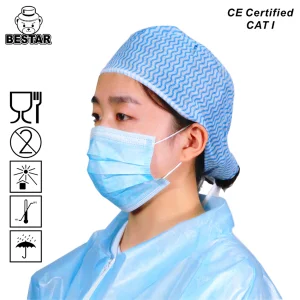
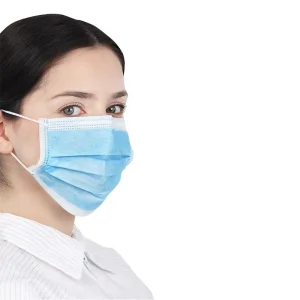
Hospitals, dental clinics, and surgical wards demand high fluid-resistance standards. Masks certified to EN14683 Type IIR feature a splash-resistant outer layer designed to repel synthetic blood at pressures exceeding 16.0 kPa, protecting healthcare professionals from infectious droplets during invasive procedures.
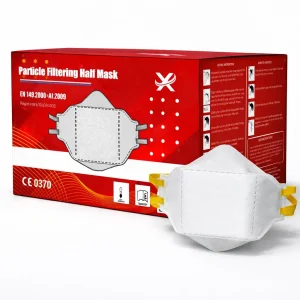
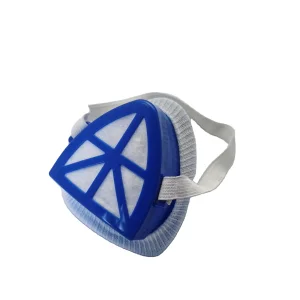
Environments filled with crystalline silica, coal dust, or concrete particulates require cup-shaped or folded FFP2/KN95 respirators. These masks are engineered with robust nose clips to ensure a hermetic seal against the face, preventing toxic dust from bypassing the filter media.
Micro-component assembly requires specialized dust-free protective masks. Unlike standard masks which might shed microscopic polypropylene fibers, cleanroom masks are manufactured using ultra-pure materials and undergo cleanroom-compatible laundering and packaging to prevent contamination of silicon wafers.
For multinational corporations, procurement is no longer just about price. It is an exercise in risk mitigation. When securing supply contracts for high-volume safety consumables, purchasing directors should screen potential manufacturers against the following operational criteria:
The mask industry is undergoing a structural paradigm shift driven by sustainability, smart technology, and user ergonomics.
Traditional masks pose environmental challenges due to their reliance on petroleum-derived polypropylene. Forward-thinking manufacturers are researching polylactic acid (PLA) and other plant-based polymers to develop biodegradable protective masks that offer the same high filtration efficiency but decompose naturally within months instead of centuries.
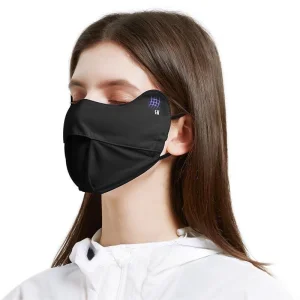
Prolonged use of personal protective equipment can lead to pressure sores and breathing fatigue. The industry is rapidly adopting 3D folded structures and silicone-lined face interfaces (as seen in medical-grade skin therapy and high-end respirator lines) that distribute pressure evenly across the nasal bridge and zygomatic arches, maximizing compliance among healthcare and industrial workers.
The boundary between pure physical barrier protection and active facial treatments is blurring. Advanced product lines now include light-emitting diode (LED) skin therapy interfaces (such as FDA-cleared 510K infrared silicone masks) used in clinical aesthetics to promote cellular repair. This crossover of light-therapy technology and bio-protective engineering showcases the diversified potential of modern medical device factories.
Zhejiang DrSharpe Health Co., Ltd. is a professional manufacturer and global supplier specializing in disposable medical and healthcare products, especially high-quality face masks and protective solutions.
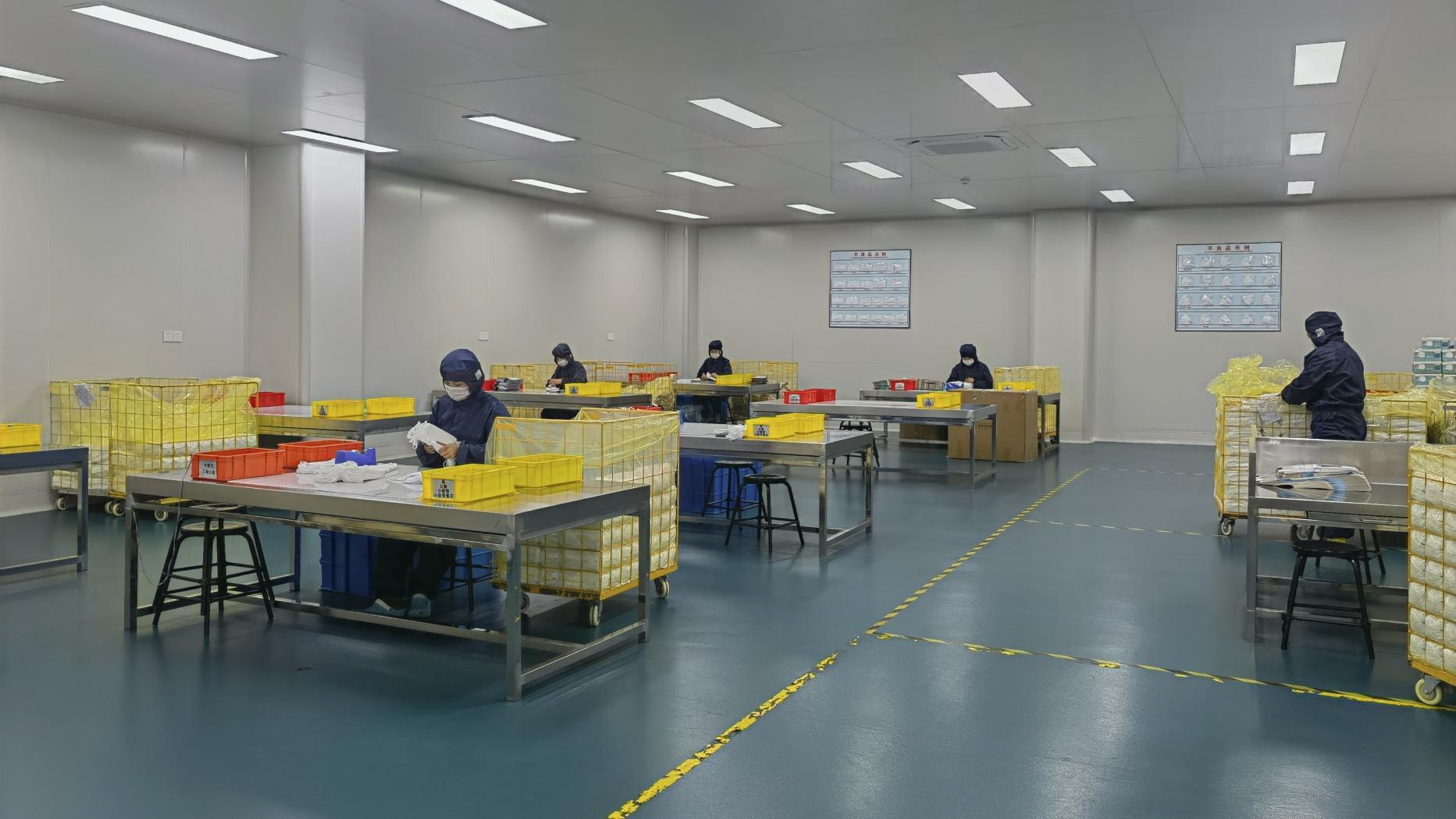
With strong manufacturing capabilities, advanced production technology, and strict quality management, DrSharpe is committed to providing safe, reliable, and comfortable healthcare products for customers worldwide. Our factory is equipped with 5 fully automatic mask production machines and 12 semi-automatic mask production machines, supported by an experienced production and service team.
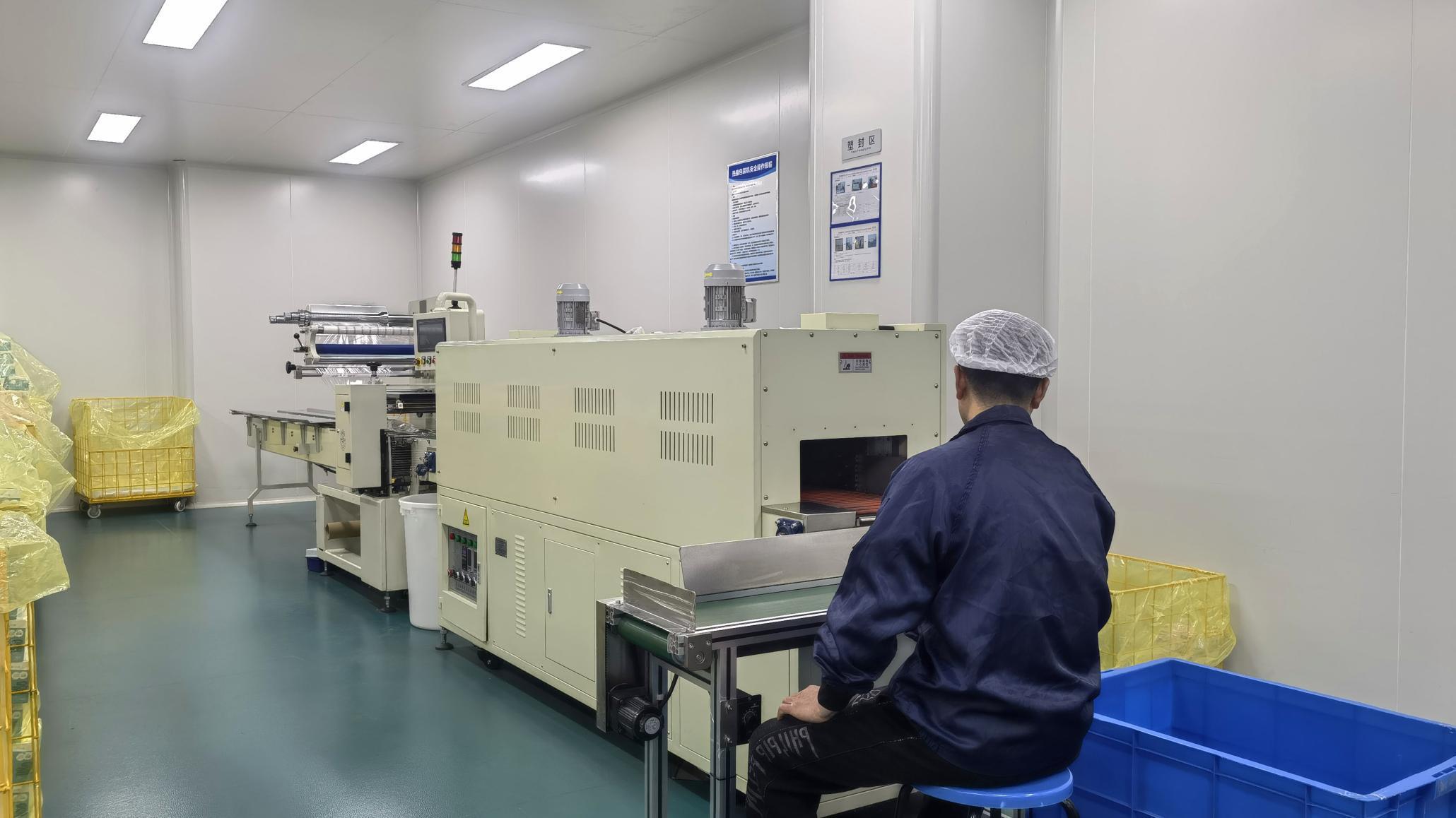
From raw material selection to final packaging, we strictly control every production process to ensure stable quality and reliable supply. Our products are widely exported to markets including the United States, Europe, Japan, Mexico, Germany, and the United Kingdom. Using advanced filtration materials, our masks achieve up to 99% Bacterial Filtration Efficiency (BFE) and 99% Particle Filtration Efficiency (PFE), offering excellent protection and wearing comfort. Our products comply with international standards and have obtained certifications including CE, US FDA, and US EUA. Driven by innovation, quality, and customer satisfaction, Zhejiang DrSharpe Health Co., Ltd. continues to deliver trusted healthcare solutions and build long-term partnerships with customers around the world.