DrSharpe Health
DrSharpe Health
DrSharpe Health
Premium direct-factory medical and industrial protection options with up to BFE & PFE 99% filtration capacity
Understanding E-E-A-T Sourcing criteria, technical performance metrics, and compliance pathways
In the aftermath of global public health crises and amidst evolving environmental challenges, the procurement of EPP (Equipo de Protección Personal) has shifted from a transactional purchasing task to a core component of enterprise risk management. For safety officers, healthcare procurement executives, and international distributors, selecting the right manufacturing partners involves evaluating long-term technical competence, quality management systems (QMS), and international certification compliance.
This industry report and selection guide provides an analytical perspective on the top EPP factories and exporters, focusing on quality indicators, chemical and physical safety compliance, supply chain logistics, and production capability. Partnering with a vetted manufacturer like Zhejiang DrSharpe Health Co., Ltd. ensures that your supply chain meets international regulatory requirements, including FDA 510(k), CE markings, and EN 14683 standards.
Key areas of compliance, supply chain efficiency, and procurement methodology
Every region has specific legal structures governing safety equipment. In the EU, Personal Protective Equipment must comply with Regulation (EU) 2016/425, while medical masks must meet EN 14683 requirements. In the United States, the Food and Drug Administration (FDA) regulates medical face masks under 21 CFR 878.4040. EPP sourcing requires verification of CE certificates, FDA 510(k) status, and EN 149 standard compliance (for FFP2/FFP3 respirators). Securing certified products ensures legal compliance, custom clearance, and occupational safety.
Zhejiang and Jiangsu provinces represent integrated manufacturing hubs for non-woven materials, mechanical components, and automation equipment. Chinese EPP manufacturers benefit from deep regional integration, linking polymer production (polypropylene spunbond and meltblown) directly to automated conversion plants. This structure reduces lead times, stabilizes costs, and enables rapid scale-up for custom modifications, printing, and high-volume runs. Proximity to Ningbo and Shanghai ports also streamlines global maritime logistics.
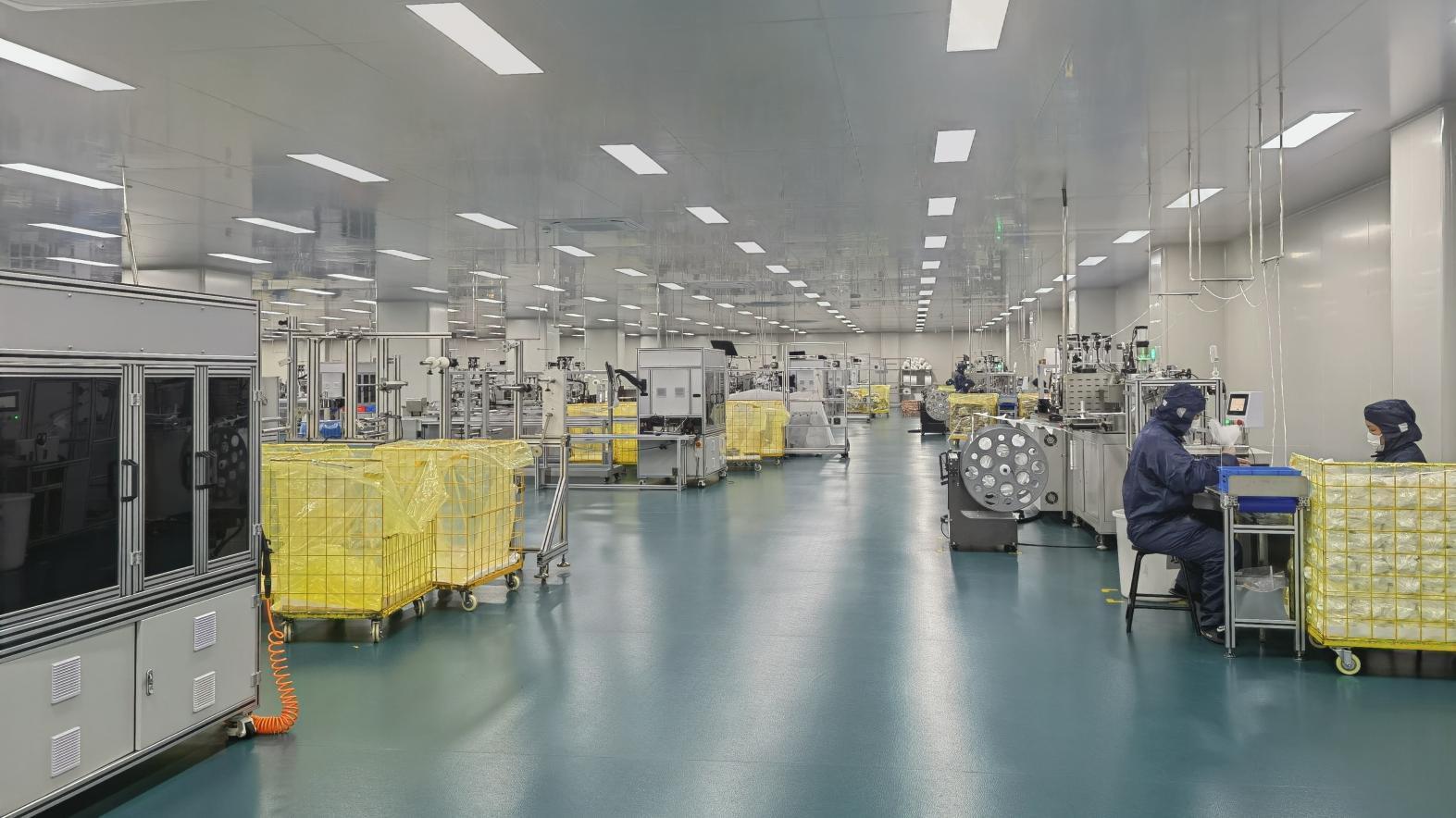
Enterprise-level procurement involves evaluating total cost of ownership (TCO). Procurement teams must assess raw material traceability, in-house quality control testing (such as BFE, PFE, and breathability test rigs), and financial stability of the exporter. Rather than prioritizing the lowest unit price, focus on batch-to-batch consistency, packaging durability, cleanroom standards (e.g., Class 100,000 cleanrooms), and long-term contract structures to secure stable pricing during periods of high demand.
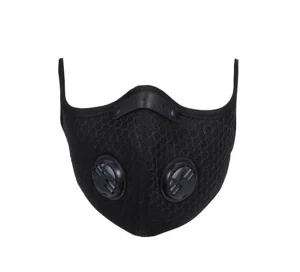
The EPP market is moving toward smart, sustainable, and ergonomic solutions. Key trends include the use of biodegradable, bio-based polymers (like PLA) to reduce the environmental impact of single-use masks, and advanced electret treatment technologies that maintain high particle filtration over longer storage lifetimes. Ergonomic upgrades, such as low-profile breathing valves and adjustable ear loops, improve wearer comfort and compliance in high-heat and physically demanding industrial environments.
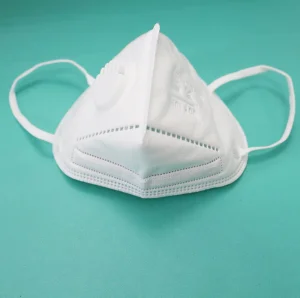
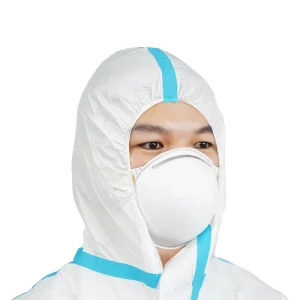
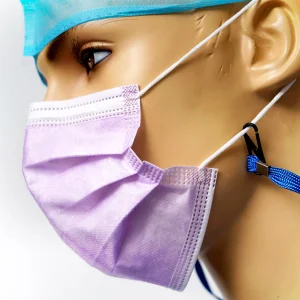
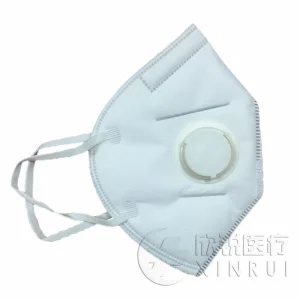
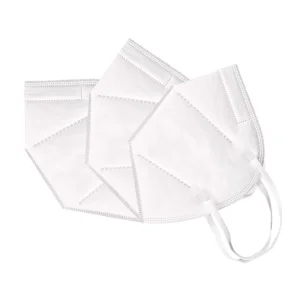
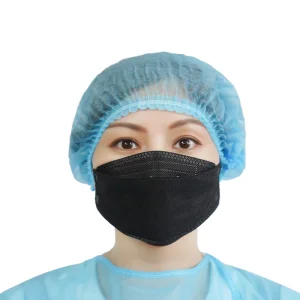
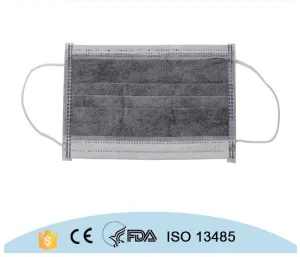
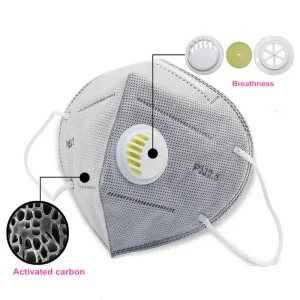
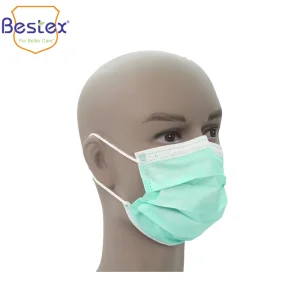
Effective EPP selection depends on matching the equipment to the specific work environment. Medical facilities require EN 14683 Type II or IIR masks with fluid resistance to protect against droplets. In contrast, industrial manufacturing, construction, and mining require particle-filtering respirators (FFP2, FFP3, or N95) to protect against fine mineral dust and chemical particulates. Urban environments benefit from activated carbon integration to filter odors and volatile organic compounds (VOCs).
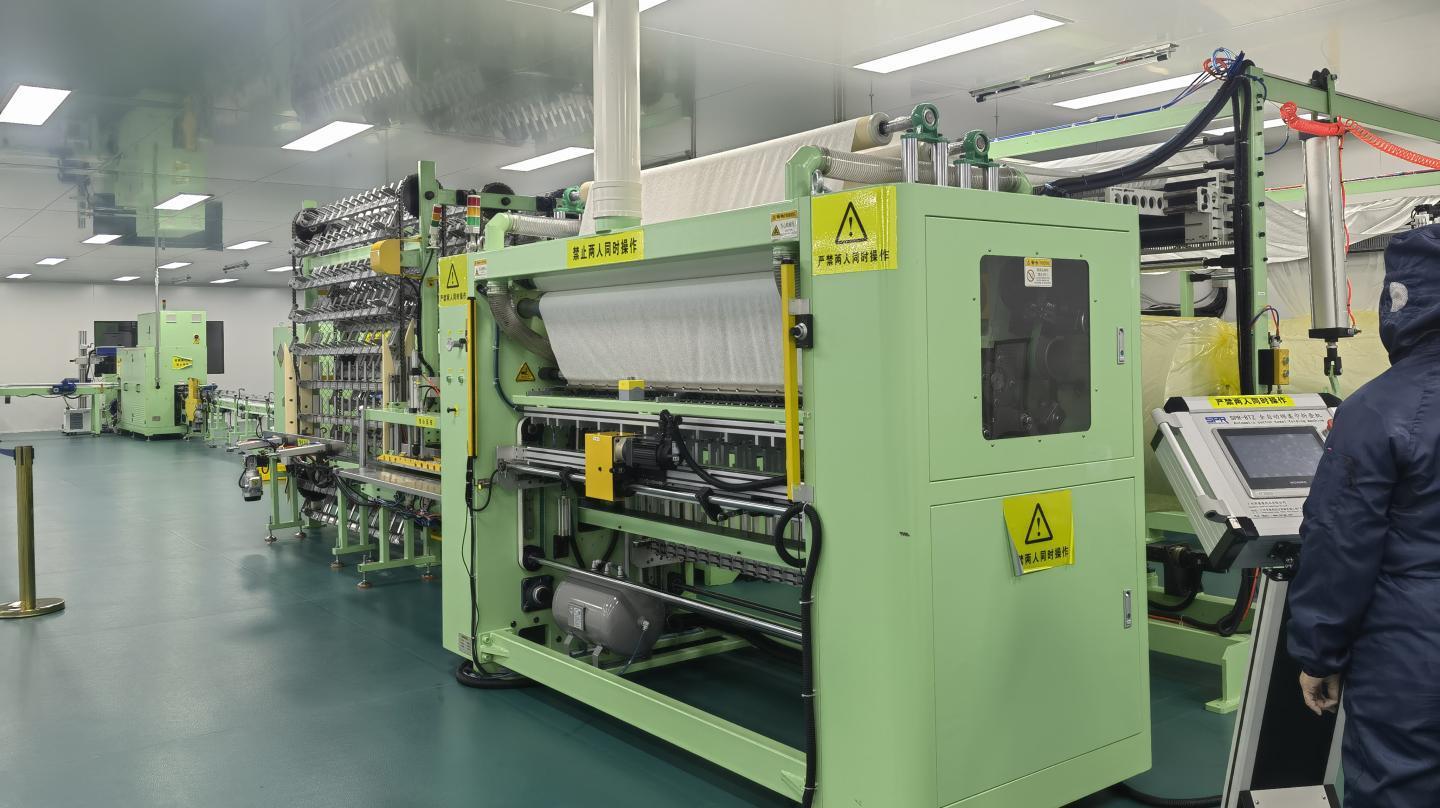
Reliable EPP manufacturing is built on strict quality control. Standard procedures include physical inspection of incoming raw materials, continuous monitoring of meltblown weight uniformity, and automated optical inspection for earloop attachment strength. In-house labs should be equipped with automated filter testers (e.g., TSI 8130A) to verify filtration efficiency on every production lot. This level of quality control ensures consistent performance and supports regulatory compliance.
Understanding performance metrics across international regulatory frameworks
| Standard | Common Designation | Filtration Efficiency (NaCl or Paraffin Oil) | Max Flow Rate / Resistance | Primary Regulatory Region |
|---|---|---|---|---|
| EN 149:2001+A1:2009 | FFP2 Respirator | ≥ 94% (NaCl & Paraffin Oil) | 95 L/min (Inhalation ≤ 2.4 mbar) | European Union / UK |
| NIOSH-42 CFR 84 | N95 Respirator | ≥ 95% (NaCl only) | 85 L/min (Inhalation ≤ 343 Pa) | United States |
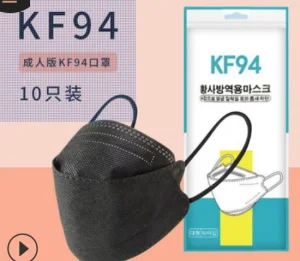
| GB 2626-2019 | KN95 Mask | ≥ 95% (NaCl only) | 85 L/min (Inhalation ≤ 210 Pa) | China (Civil/Industrial) |
| EN 14683:2019 | Type IIR Medical Mask | BFE ≥ 98% (Bacterial Filtration) | Differential Pressure < 60 Pa/cm² | European Union (Medical Devices) |
| ASTM F2100-19 | Level 3 Barrier Mask | BFE & PFE ≥ 98% (Sub-micron particles) | Differential Pressure < 6.0 mm H₂O/cm² | United States (Surgical/Medical) |
A certified manufacturer and global exporter of high-grade protective and medical solutions
Zhejiang DrSharpe Health Co., Ltd. is a professional manufacturer and global supplier specializing in disposable medical and healthcare products, especially high-quality face masks and protective solutions.
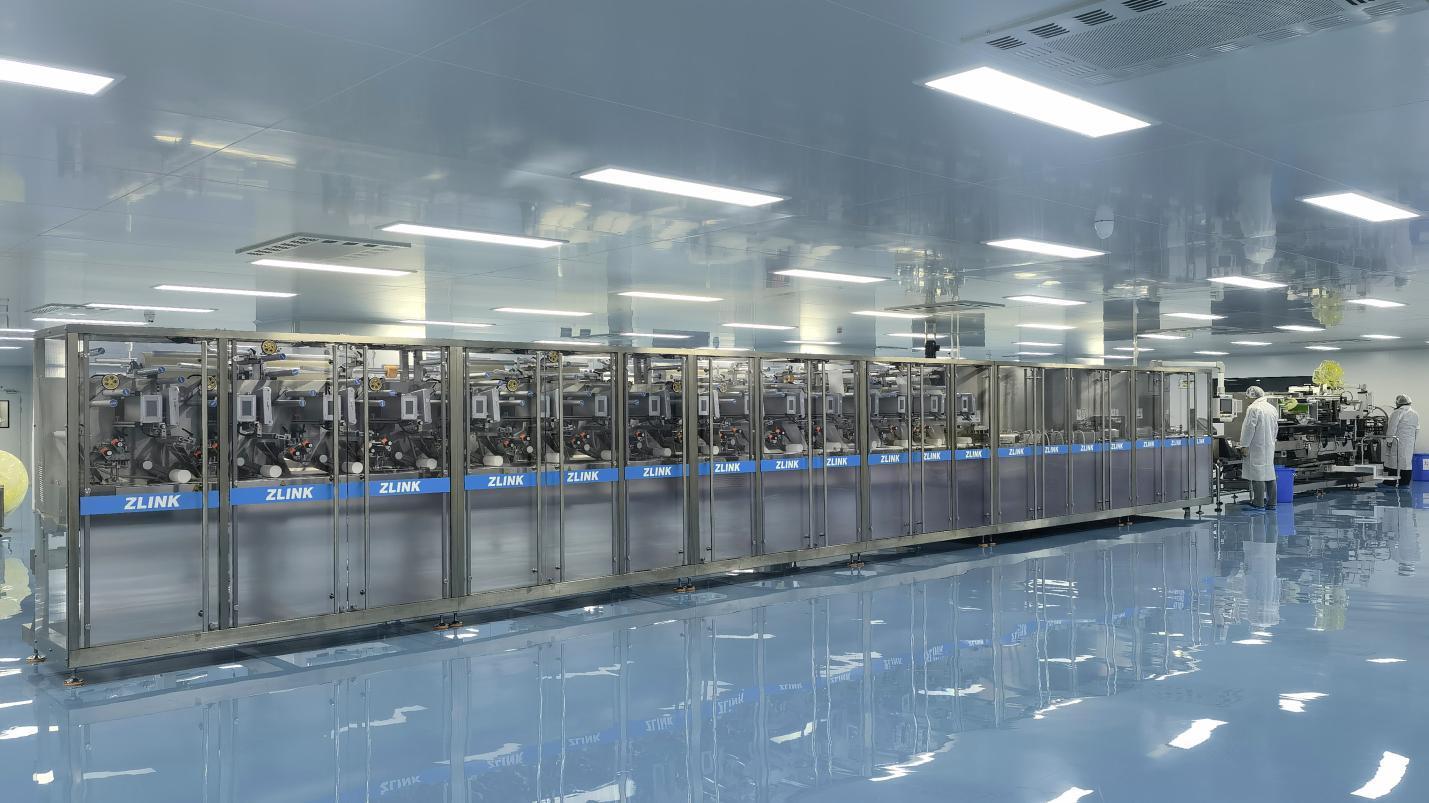
With strong manufacturing capabilities, advanced production technology, and strict quality management, DrSharpe is committed to providing safe, reliable, and comfortable healthcare products for customers worldwide.
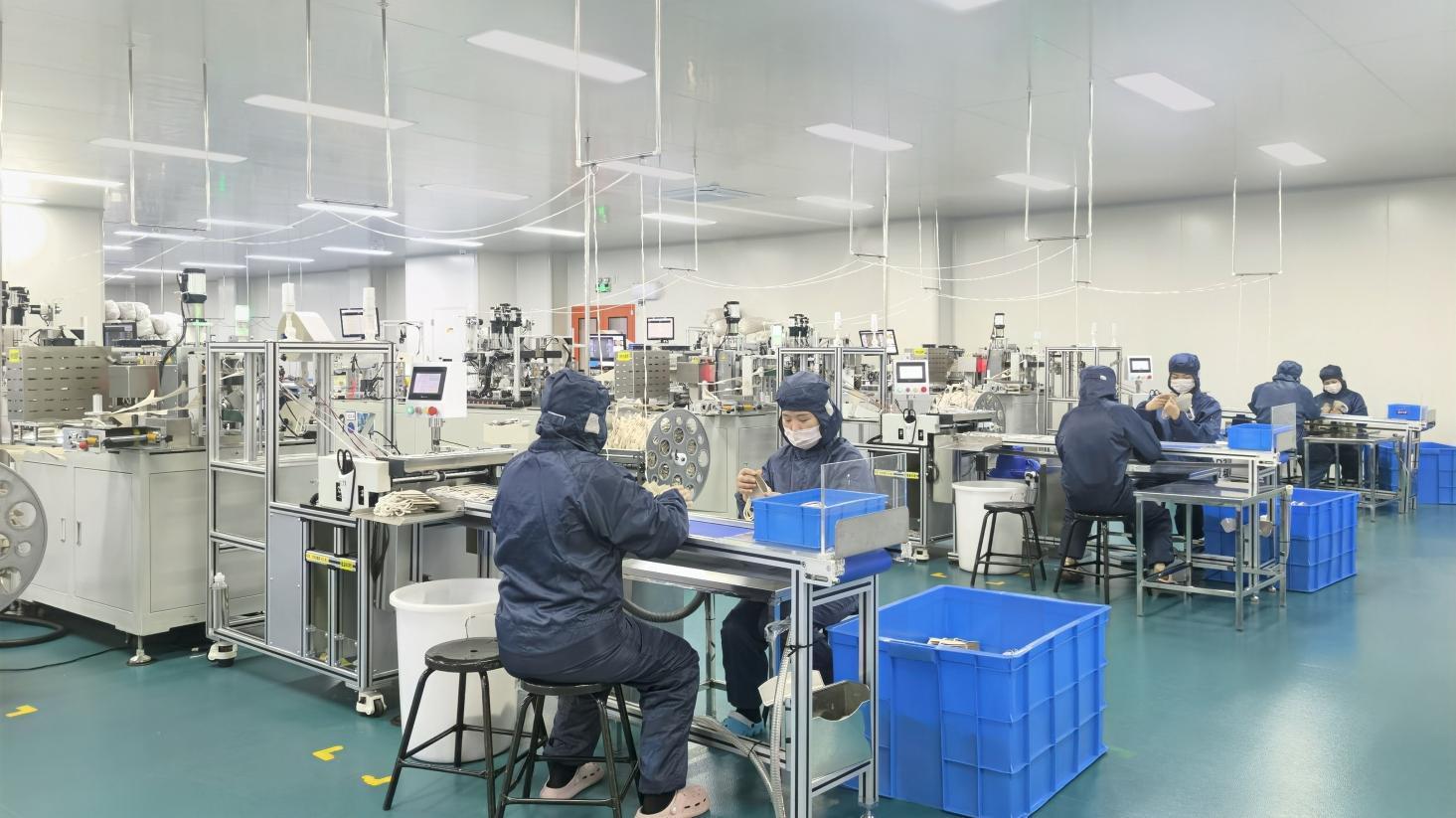
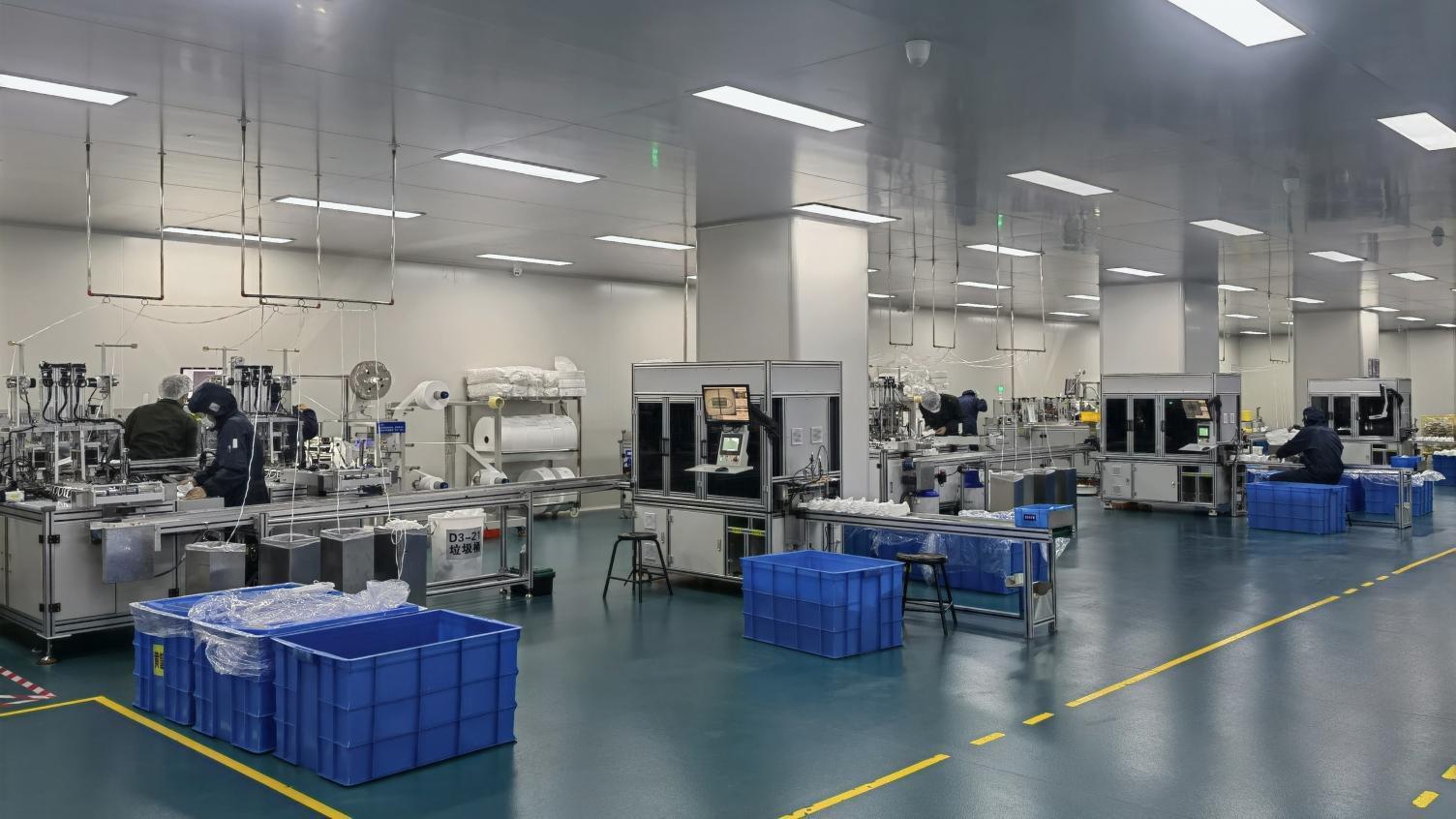
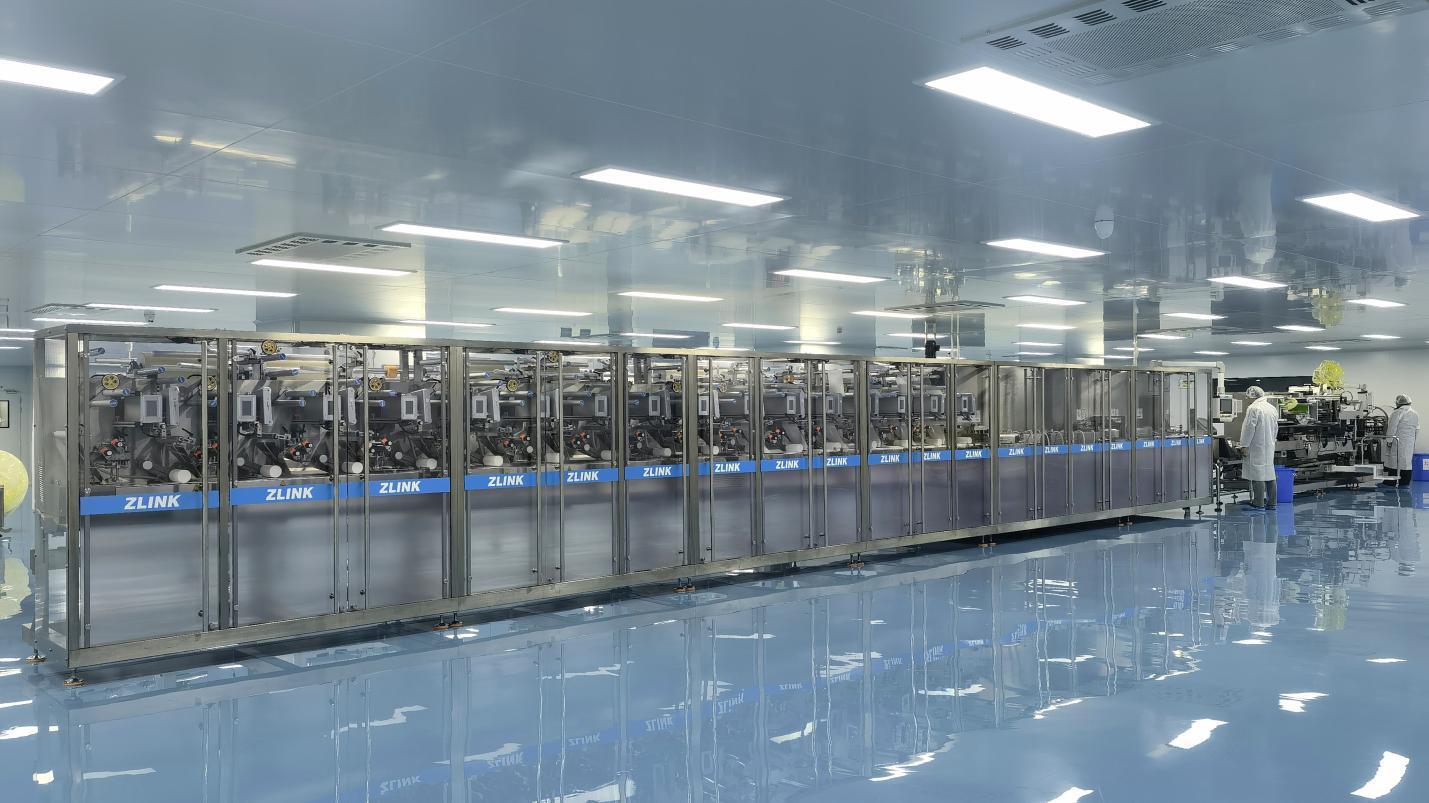
Our factory is equipped with 5 fully automatic mask production machines and 12 semi-automatic mask production machines, supported by an experienced production and service team.
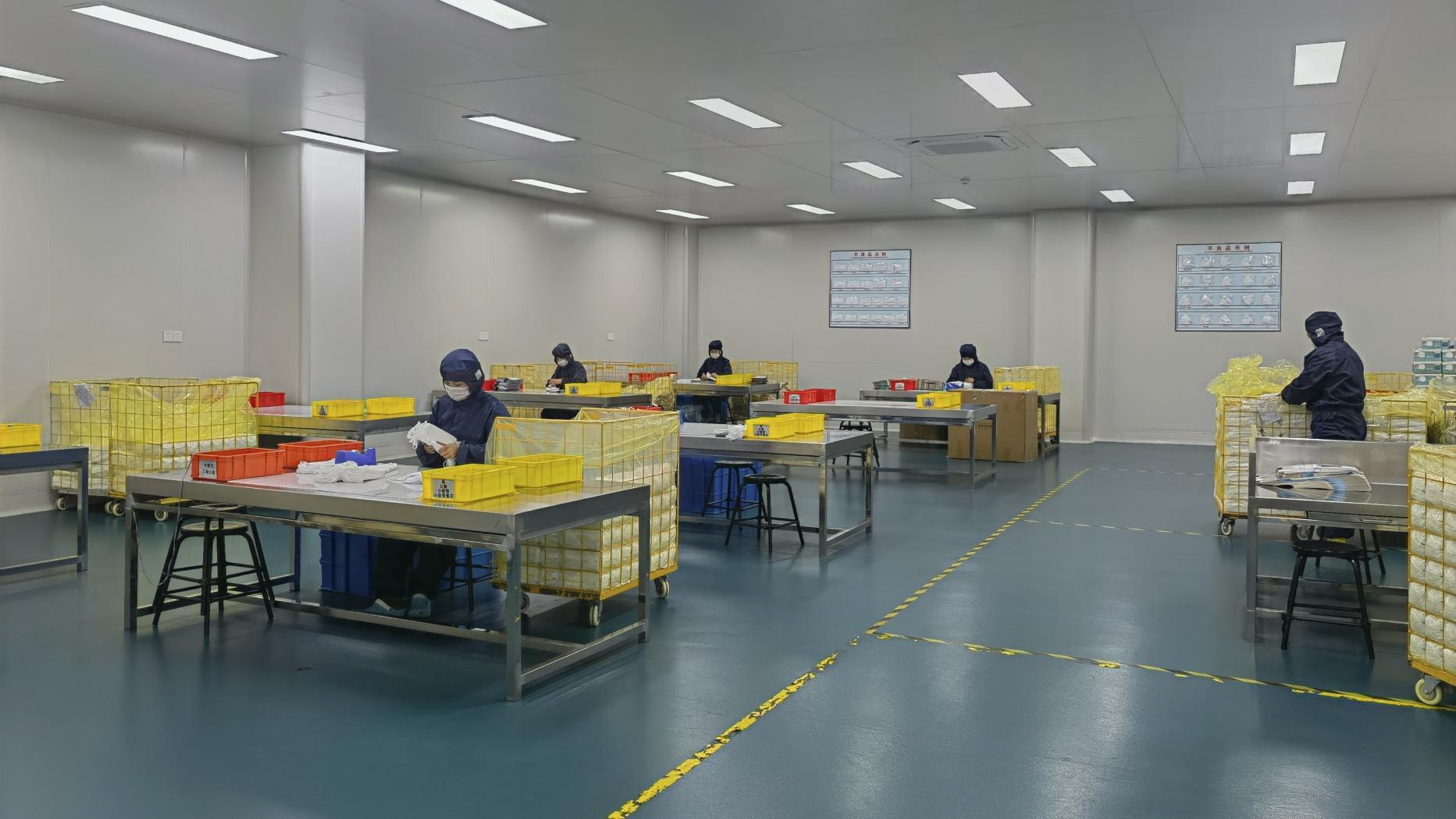
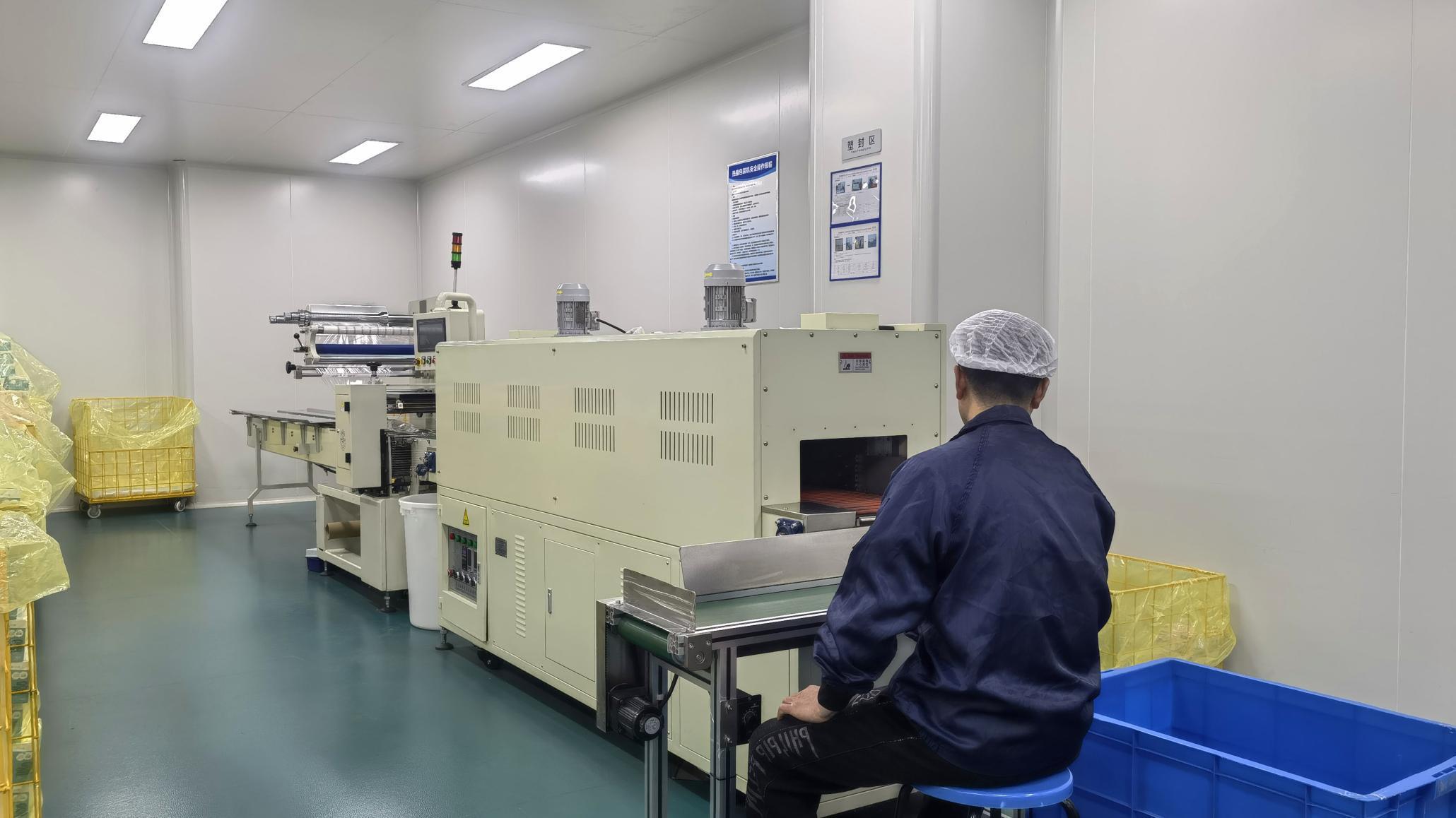
From raw material selection to final packaging, we strictly control every production process to ensure stable quality and reliable supply. Our products are widely exported to markets including the United States, Europe, Japan, Mexico, Germany, and the United Kingdom.
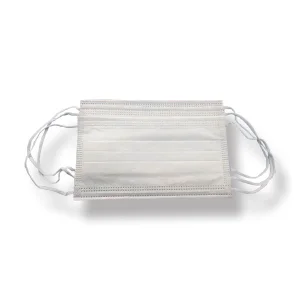
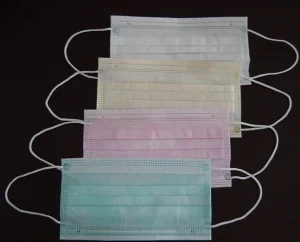
DrSharpe provides disposable face masks and related healthcare products for medical, personal protection, and daily use applications.
Using advanced filtration materials, our masks achieve up to 99% Bacterial Filtration Efficiency (BFE) and 99% Particle Filtration Efficiency (PFE), offering excellent protection and wearing comfort.
Our products comply with international standards and have obtained certifications including CE, US FDA, and US EUA. Driven by innovation, quality, and customer satisfaction, we build long-term partnerships with customers around the world.
Expert answers on technical requirements, regulatory compliance, and international logistics
BFE (Bacterial Filtration Efficiency) measures the filtration efficiency of a mask against bacteria-containing droplets, typically using Staphylococcus aureus with a mean particle size of approximately 3.0 μm. This rating is standard for surgical and medical face masks (such as EN 14683 Type II/IIR).
PFE (Particle Filtration Efficiency) measures the filtration efficiency against sub-micron particles, typically using polystyrene latex spheres ranging from 0.1 μm to 1.0 μm. PFE represents a mask's ability to filter fine environmental dust, viral carriers, and industrial particulates.
These standards represent filtration classes under different jurisdictions:
While similar in filtration capability, FFP2 masks undergo additional testing for oil-aerosol resistance, which is important for environments with industrial lubricants.
For personal protective equipment like FFP2/FFP3 respirators (Category III PPE), certifications must be issued by an authorized Notified Body. You can verify the validity of the certificate by checking the Notified Body's identification number in the European Commission's NANDO (New Approach Notified and Designated Organisations) database. The certificate should include the manufacturer's name, standard referenced, and product model.
Lead times depend on order volume and customization requirements. Standard production runs typically range from 10 to 20 business days. For global logistics, options include:
Packaging configurations can be customized (e.g., individual polybags or color boxes) to meet retail or clinical requirements.
Meltblown nonwovens serve as the filtration layer in protective masks. Unlike standard fabrics, meltblown materials feature ultra-fine microfibers (usually 1–5 μm in diameter) that create a dense web. This structure is treated with an electrostatic charge (electret) to attract and trap microscopic particles. The quality and thickness of the meltblown layer directly determine the mask's filtration efficiency and breathing resistance.
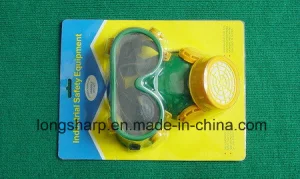
Industrial respirators, daily safety masks, and activated carbon options for various occupational environments