DrSharpe Health
DrSharpe Health
DrSharpe Health
Explore our top-tier, certified personal protective equipment engineered for clinical, industrial, and daily applications.
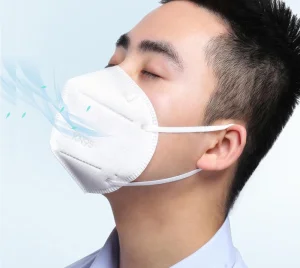
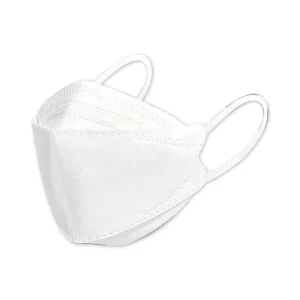
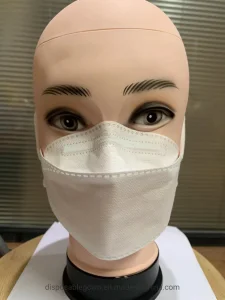

In the wake of global healthcare transitions, the procurement of personal protective equipment (PPE) has shifted from simple transaction-based purchasing to highly strategic, resilient partnership models. Medical institutions, global supply chain directors, and wholesale distributors are no longer seeking just cheap face masks; instead, they require strict compliance with international standards, uncompromised particulate filtration efficiency (PFE), and consistent delivery predictability.
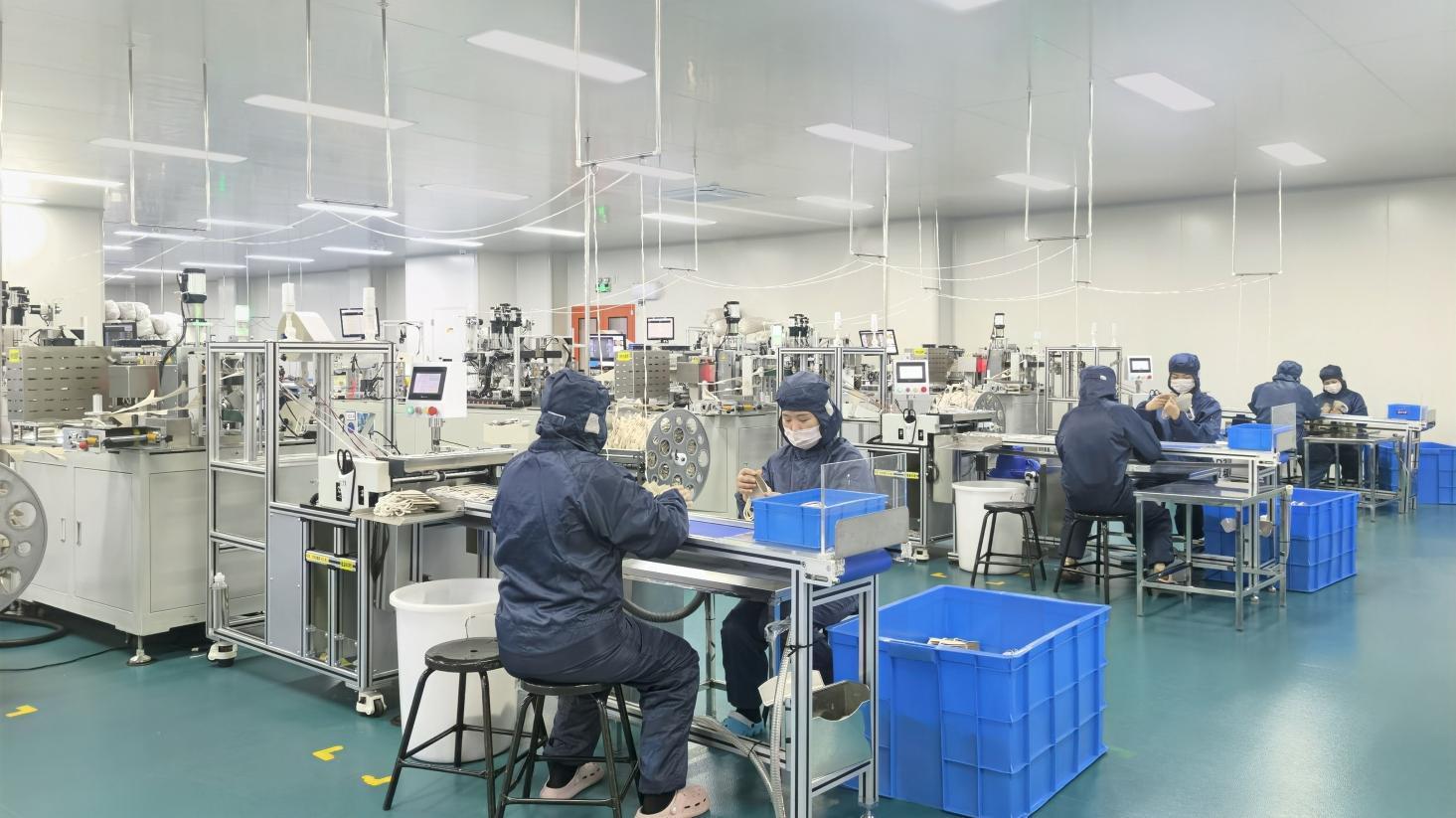
China's medical mask manufacturing infrastructure has evolved rapidly. By integrating cleanroom operations, online automated visual inspections, and high-performance electrostatic melt-blown fabric production, leading Chinese factories have established themselves as irreplaceable pillars of global healthcare supply chains. Navigating this vast market requires understanding the technological and regulatory foundation of modern manufacturers.
How Chinese suppliers maintain superior cost-efficiency, high-volume throughput, and strict alignment with global medical standards.
From raw polypropylene resin to non-woven spunbond fabrics and the crucial electrostatic melt-blown filtration layers, China houses the entire upstream and downstream material supply chain. This physical proximity cuts logistics delays, cushions price fluctuations, and guarantees consistent chemical compositions for every batch.
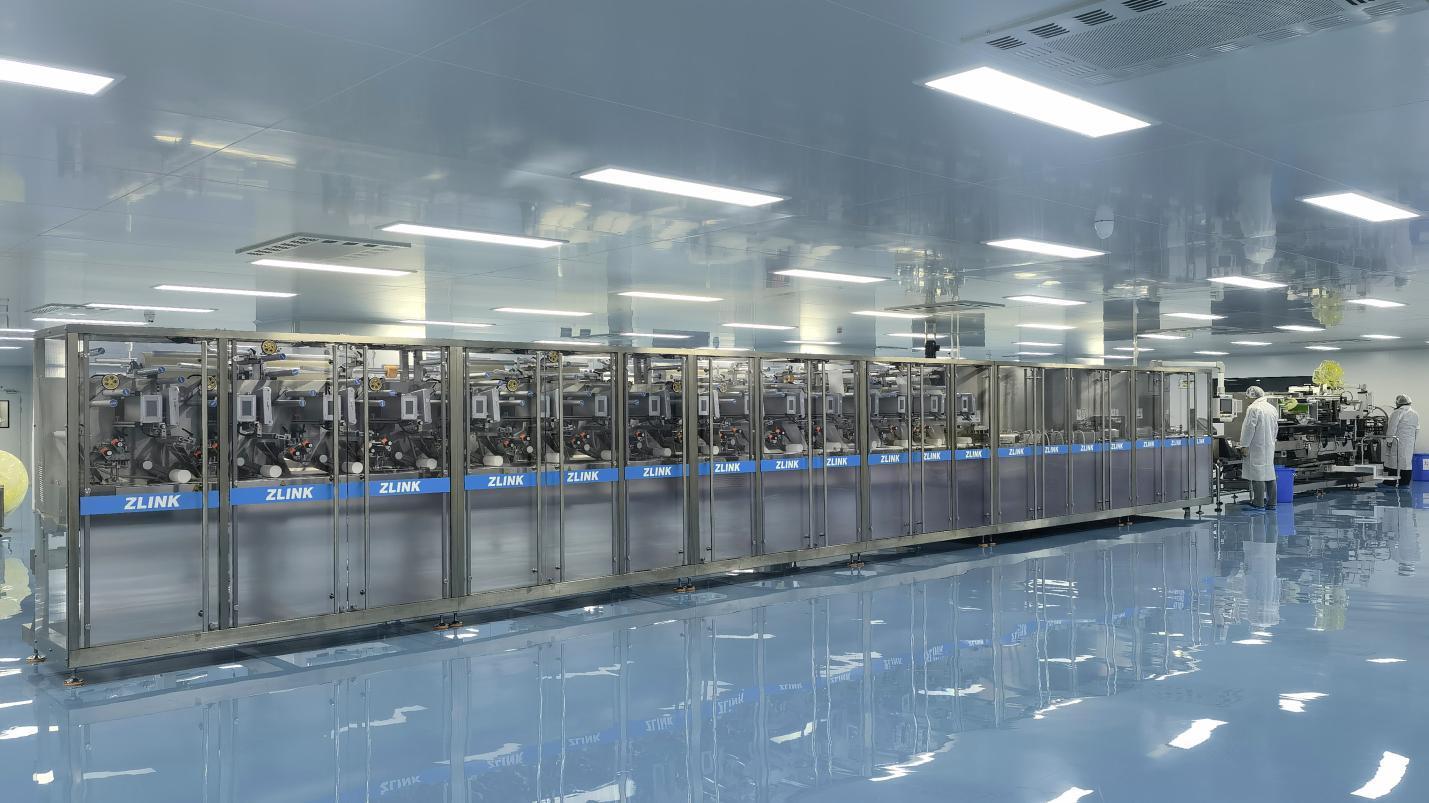
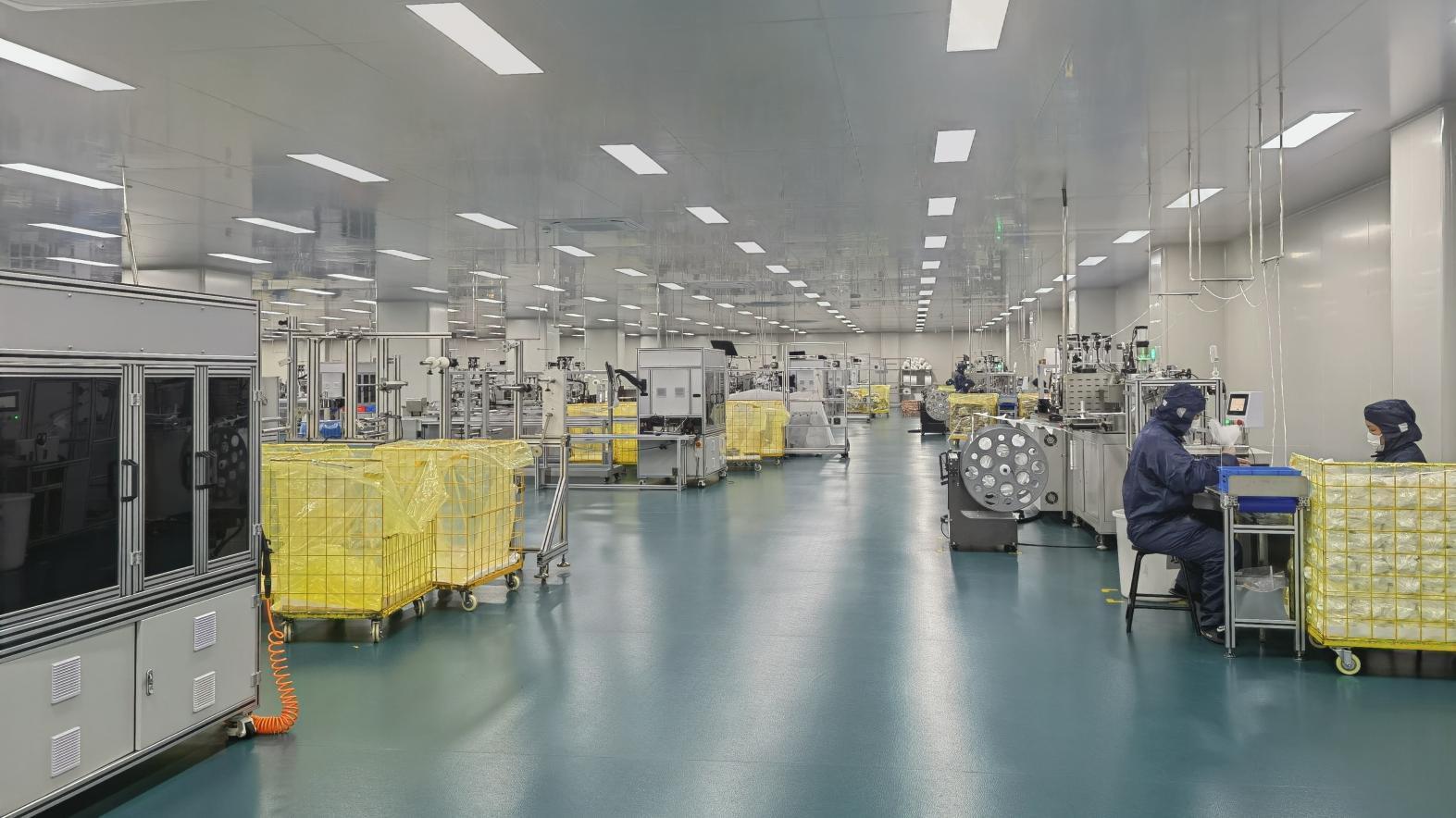
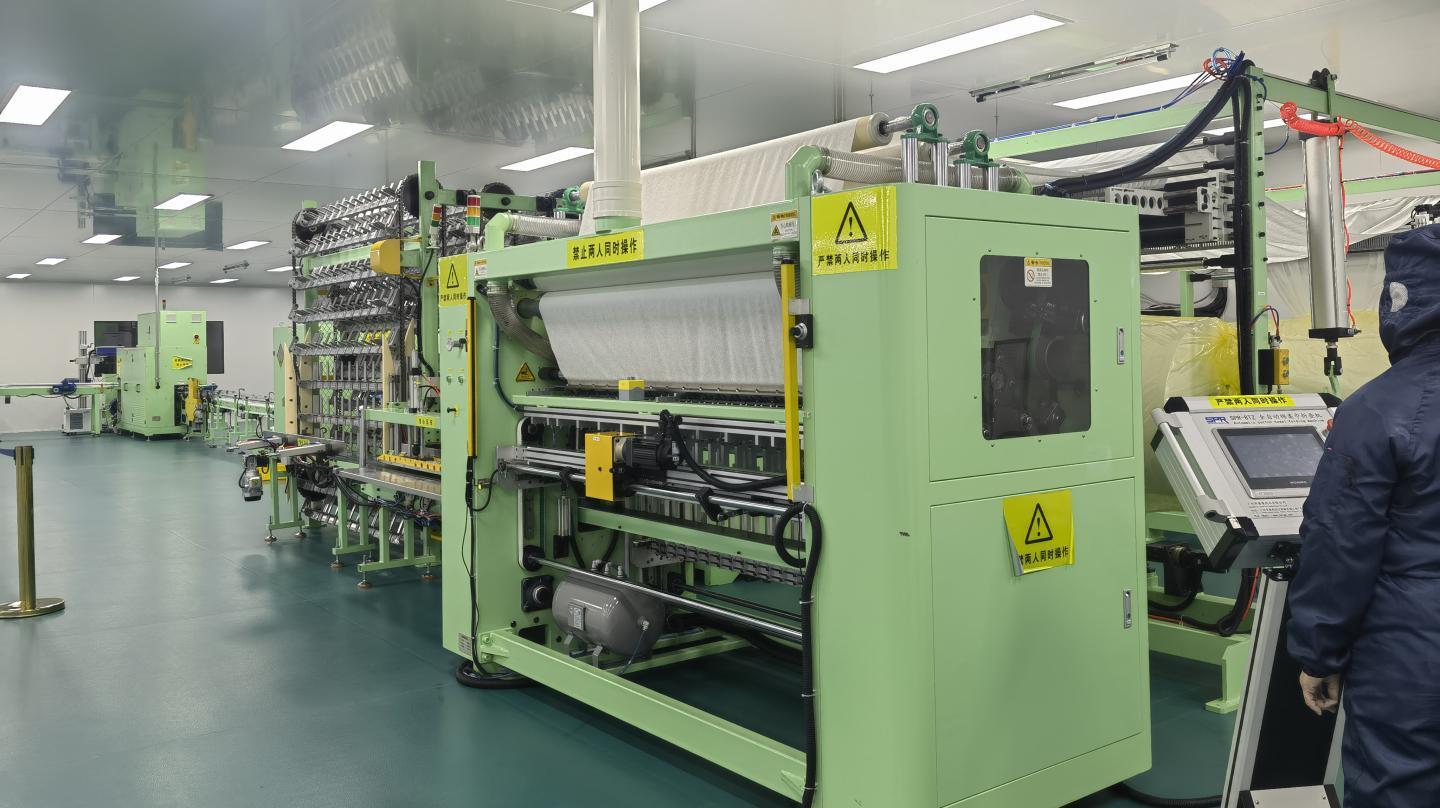
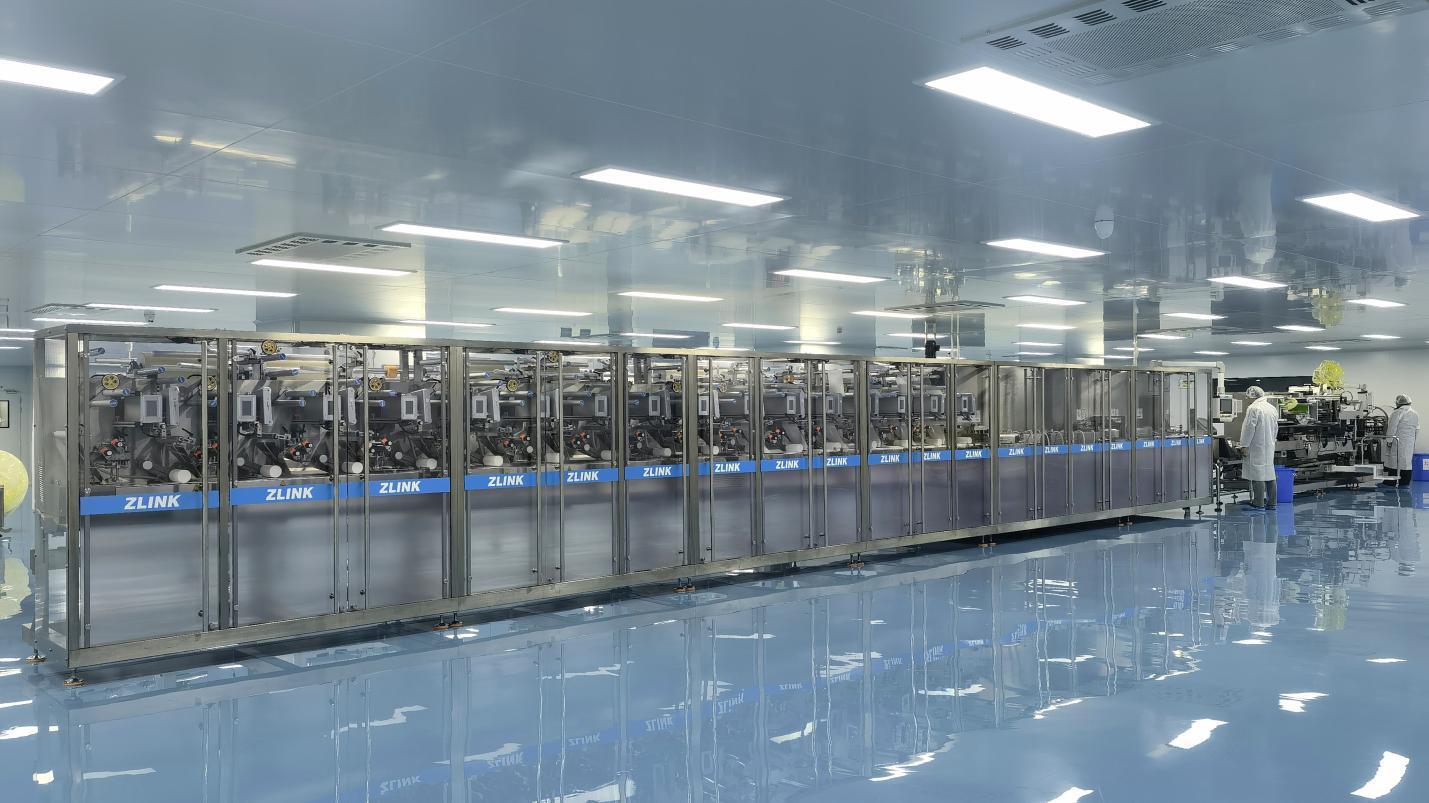
Modern plants rely on Class 100,000 cleanrooms and fully automated high-speed cutting, welding, and packaging machines. Advanced optical inspect systems use AI cameras to identify structural defects, particulate contamination, or minor earloop alignment issues instantly, minimizing human handling risks.
Operating multiple high-yield production systems simultaneously allows plants to amortize fixed costs. This structural economic advantage means global buyers secure superior raw filtration fibers, surgical-grade fluid barriers, and heavy-duty ultrasonic earloop bonds at highly competitive price-per-unit metrics.
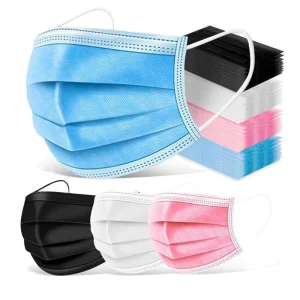
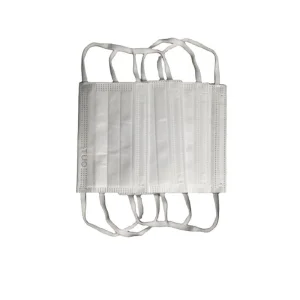
Selecting the correct face mask specification requires a detailed understanding of target market medical standards. The three primary global frameworks for surgical/medical masks are European EN 14683, American ASTM F2100, and Chinese YY/T 0969 (and YY 0469 for surgical use). These metrics focus on three primary performance vectors: Bacterial Filtration Efficiency (BFE), Differential Pressure (ΔP, breathability), and Fluid Resistance (mmHg).
| Standard / Class | Bacterial Filtration (BFE) | Particulate Filtration (PFE) | Differential Pressure (ΔP) | Fluid Resistance (Splash) |
|---|---|---|---|---|
| EN 14683 Type I | ≥ 95% | N/A | < 40 Pa/cm² | Not Required |
| EN 14683 Type II | ≥ 98% | N/A | < 40 Pa/cm² | Not Required |
| EN 14683 Type IIR | ≥ 98% | N/A | < 60 Pa/cm² | ≥ 120 mmHg (16.0 kPa) |
| ASTM F2100 Level 1 | ≥ 95% | ≥ 95% (at 0.1 μm) | < 5.0 mm H²O/cm² | 80 mmHg |
| ASTM F2100 Level 3 | ≥ 99% | ≥ 99% (at 0.1 μm) | < 6.0 mm H²O/cm² | 160 mmHg |
| YY/T 0969 (Single-use Medical) | ≥ 95% | N/A | ≤ 49 Pa/cm² | Not Required |
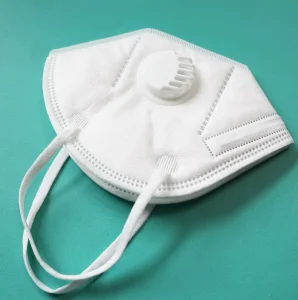
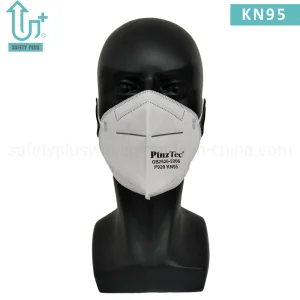
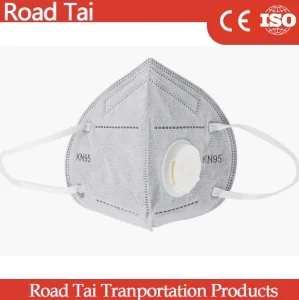
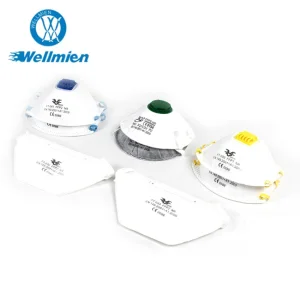
For heavy protective scenarios where aerosol transmission is a concern, respirators such as N95 (NIOSH-certified), FFP2/FFP3 (EN 149), or KN95 (GB2626) are required. These respirators must form a tight facial seal and filter at least 95% (N95/KN95) or 94% (FFP2) of non-oily suspended particulates down to 0.3 microns.
Large-scale procurement managers face distinct hurdles depending on their specific operational field. Developing a robust, reliable logistics framework requires matching custom product solutions to target applications:
Hospitals and dental clinics require continuous, high-volume flow of ASTM Level 3 or EN 14683 Type IIR surgical masks. The key requirements are fluid resistance to blood splashes, low breathing resistance during long shifts, and biocompatibility testing (ISO 10993) to prevent skin irritation.
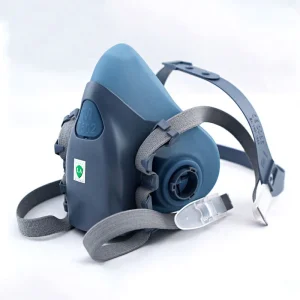
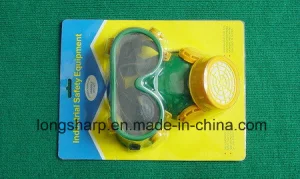
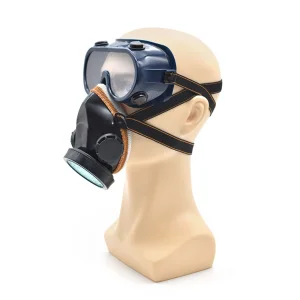
Mining, construction, and chemical processing facilities require NIOSH N95, FFP2, or heavy-duty reusable half-face respirators. The main requirements are high particulate loading capacity, robust headbands to prevent slippage, and optional exhaust valves to reduce heat buildup.
Government agencies and multinational corporations maintain strategic stocks for public health crises or seasonal smog. The primary requirements include long shelf life (validated packaging barriers), high-volume rapid shipping, and versatile fits suitable for diverse demographics.
A premier manufacturer and global supplier specializing in premium disposable medical and healthcare solutions.
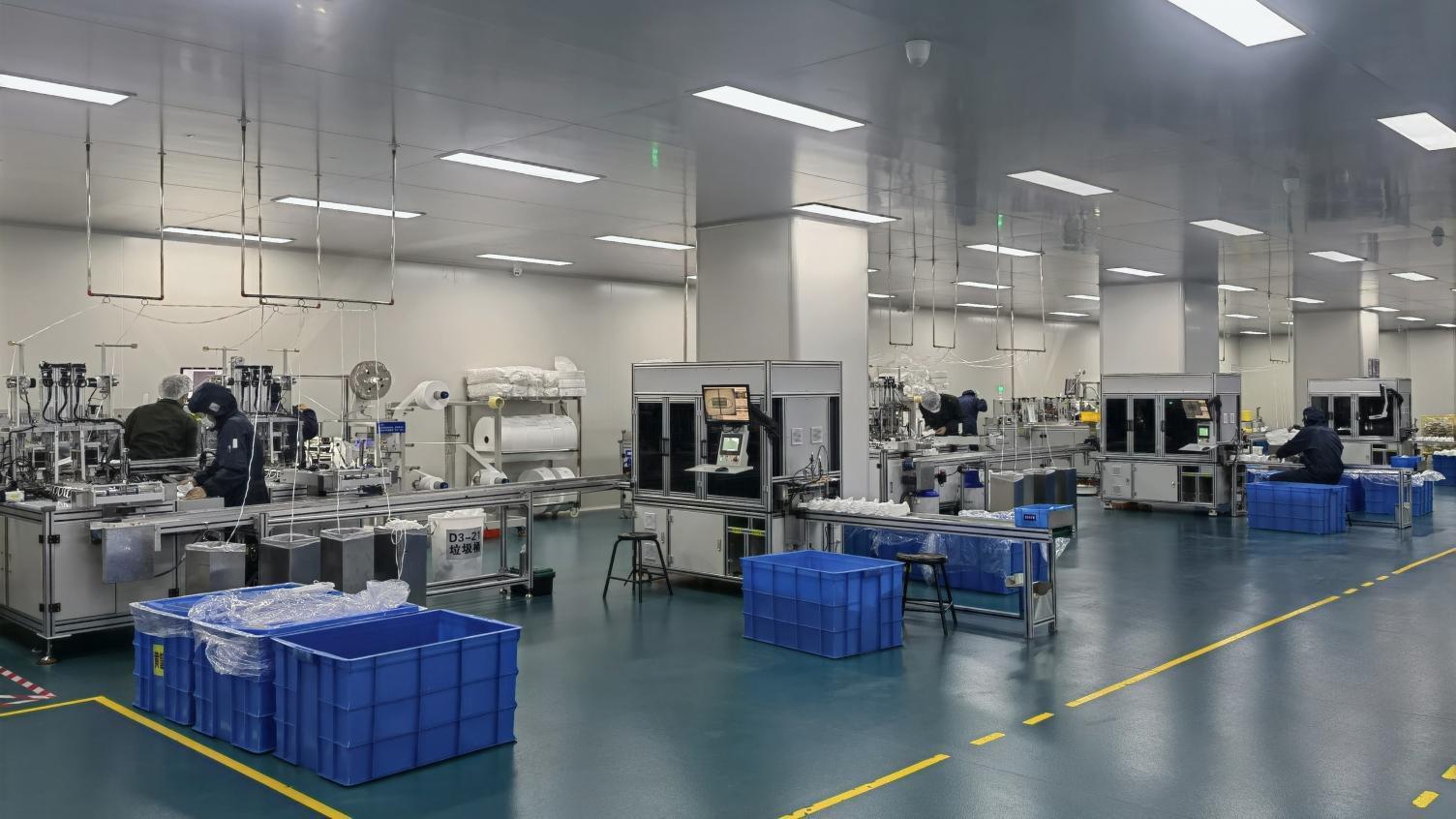
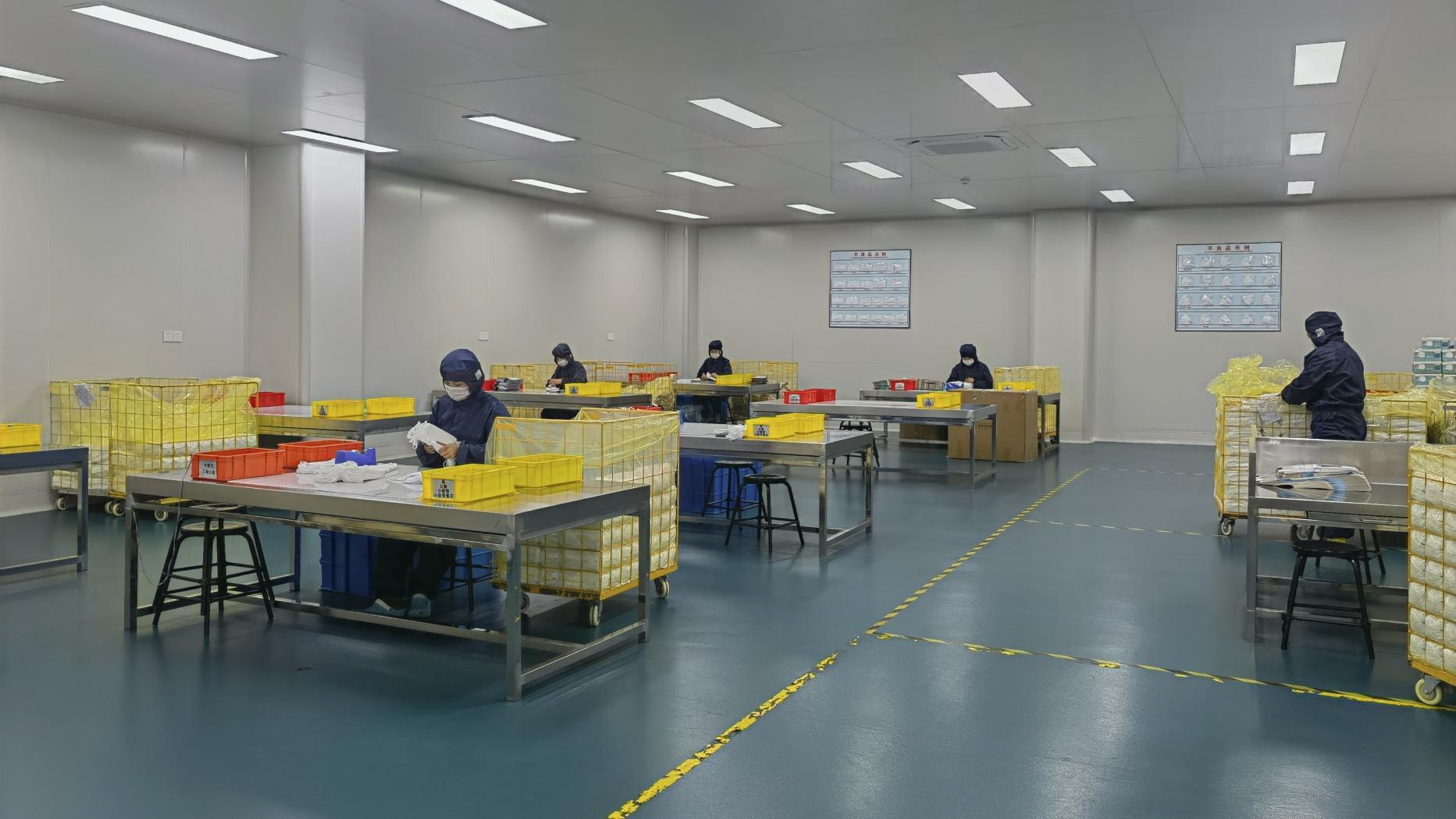
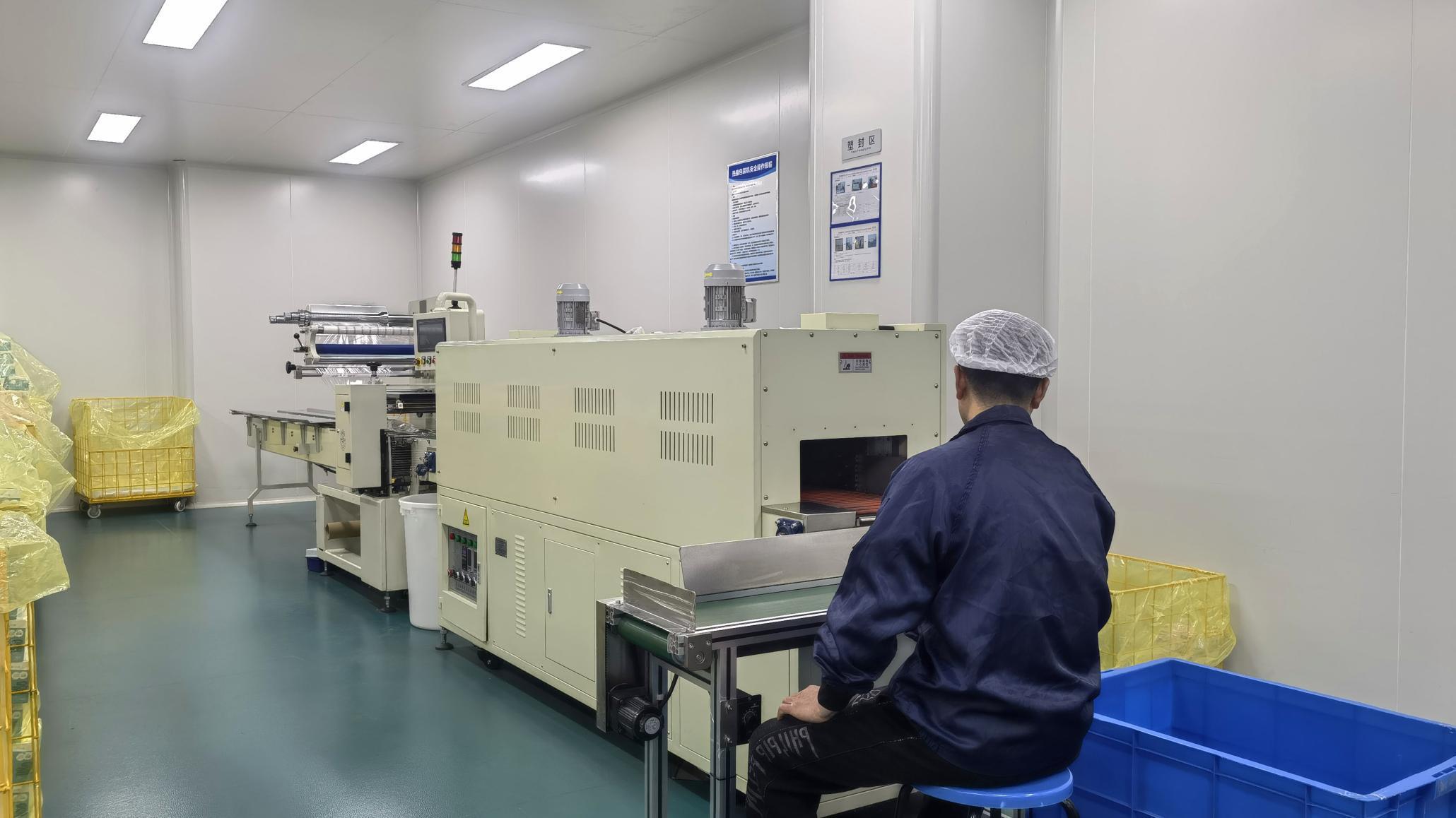
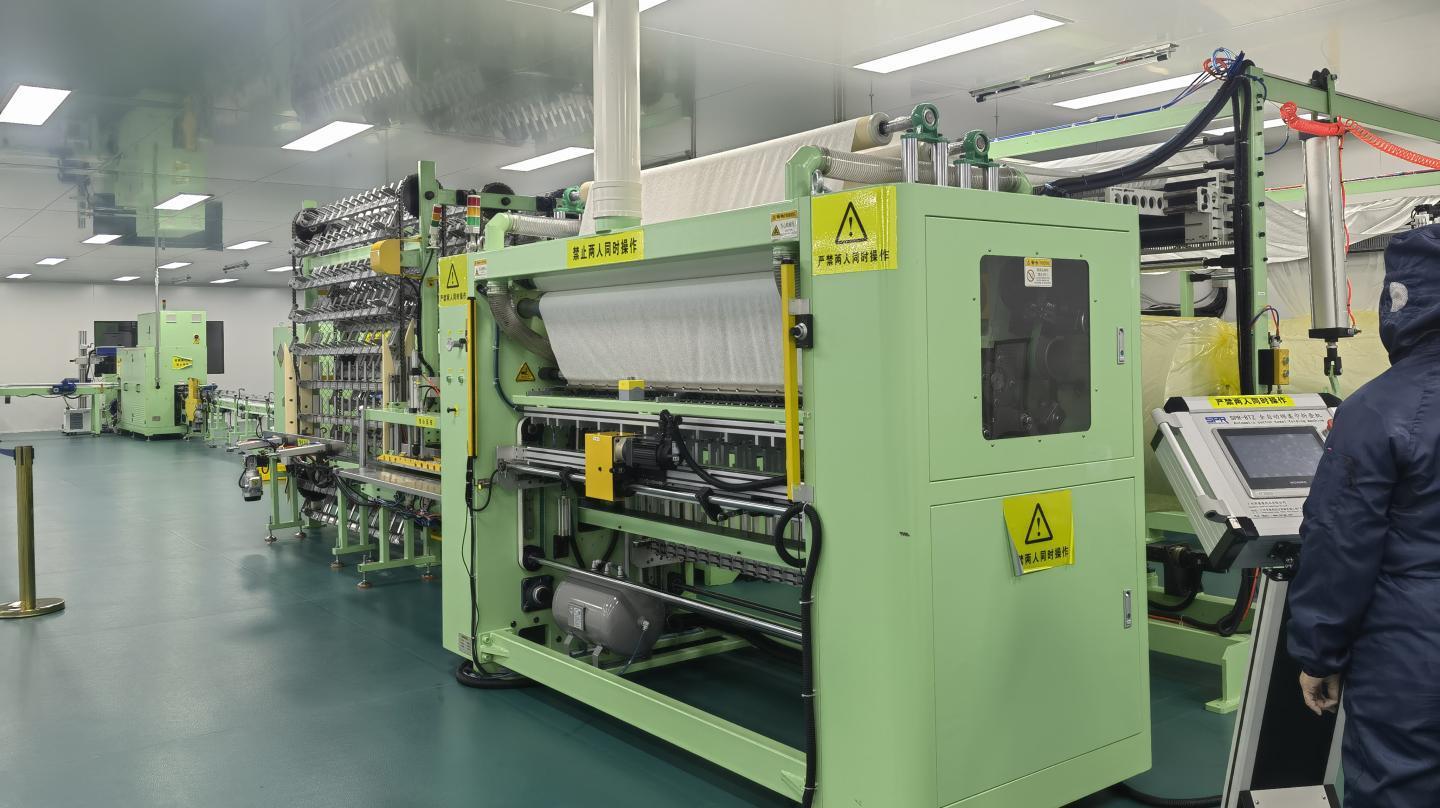
The face mask industry is undergoing a technological transition driven by environmental requirements, material engineering, and ergonomic styling. B2B buyers must monitor these developments to align their procurement with evolving market regulations and end-user preferences:
Standard synthetic face masks rely heavily on polypropylene, a persistent plastic that poses ecological disposal challenges. Next-generation factories are investing in polylactic acid (PLA) and cellulose-based blends. These materials offer comparable filtration efficiency while breaking down much faster in industrial composting setups.
Standard melt-blown fabrics rely on electrostatic charges to capture small particulates. Over time, moisture from breathing discharges this effect, reducing safety margins. Nanofiber membranes use physical micro-sieves to capture particles, providing reliable protection for longer shifts even in humid conditions.
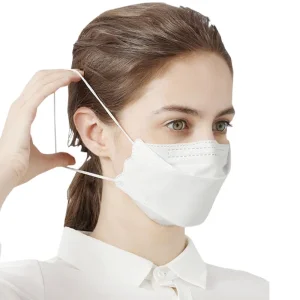
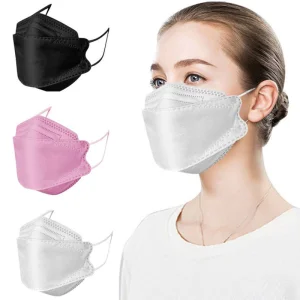
Extended wear in medical environments requires minimizing pressure on the nasal bridge and behind the ears. Designs like the 3D KF94 fish shape and contoured KN95 masks offer a comfortable seal while keeping the filter material away from the mouth, making it easier to speak and breathe.
Critical insights regarding custom testing, certification, shipping logistics, and compliance verification.
Select from our broad range of high-efficiency protective face shields and respirator solutions.