DrSharpe Health
DrSharpe Health
DrSharpe Health
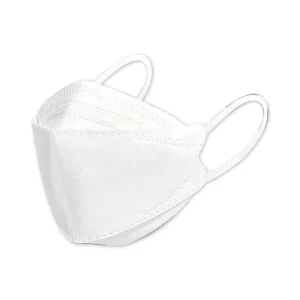
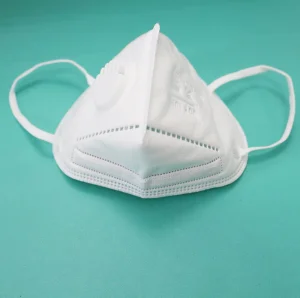
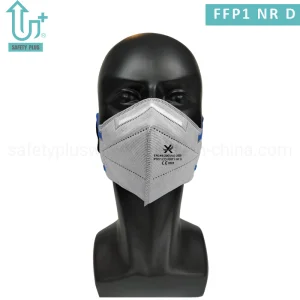
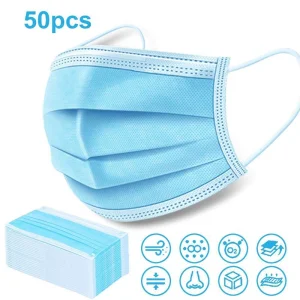
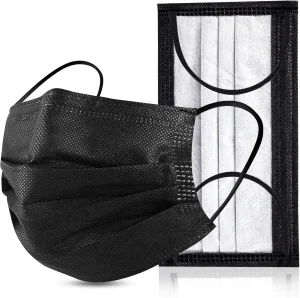
In an era marked by rapid industrialization, volatile atmospheric pollution indexes (PM2.5/PM10), and biological aerosol challenges, the demand for certified personal protective equipment (PPE) has shifted from a volume-based commodity model to a technology-driven, performance-verified framework. This whitepaper analyzes the capabilities, material sciences, and compliance standards governing Chinese wholesale anti-pollution mask factories, with specific reference to manufacturing parameters at Zhejiang DrSharpe Health Co., Ltd.
BFE (Bacterial Filtration Efficiency) Rating
PFE (Particle Filtration Efficiency) Performance
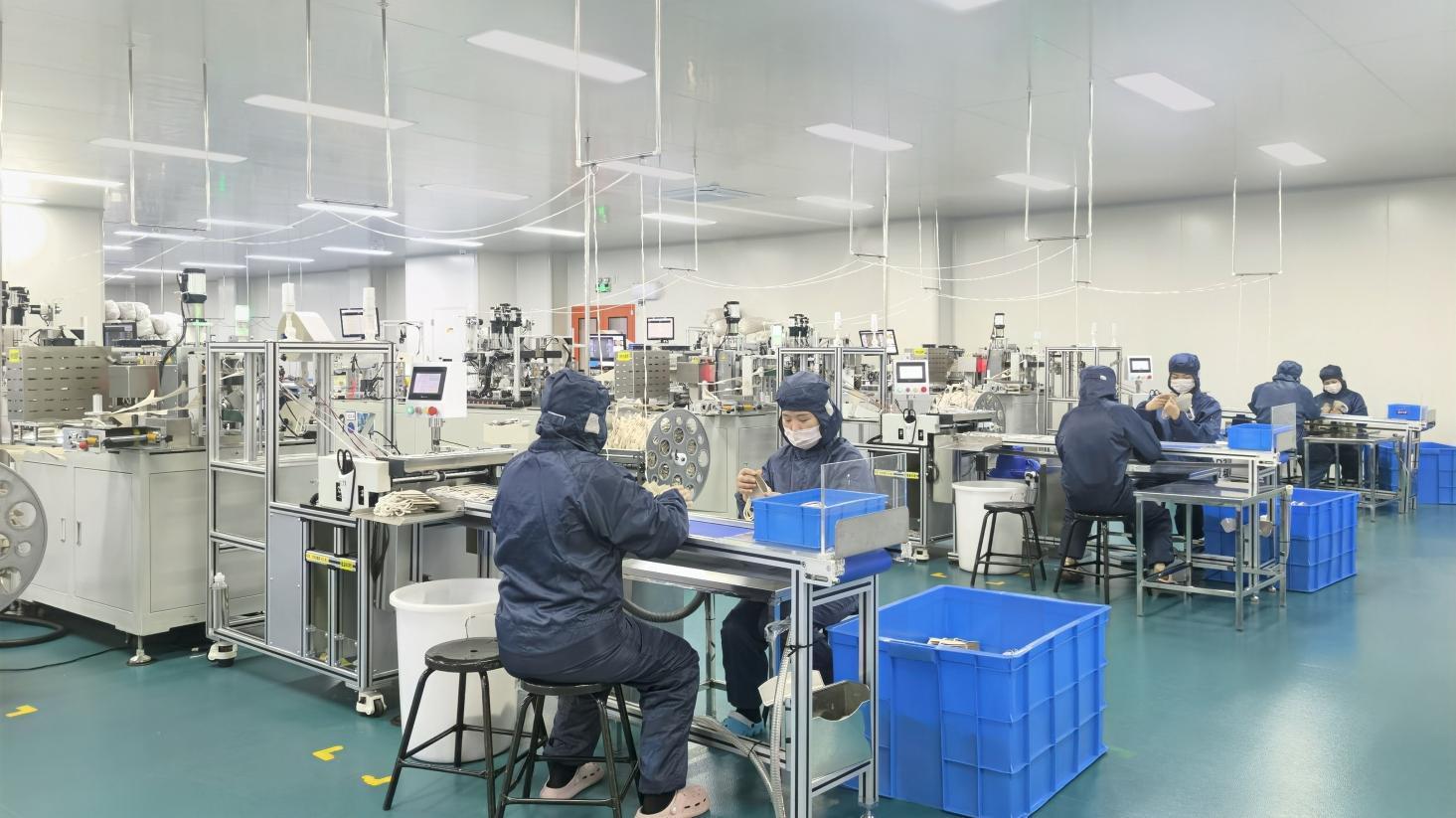
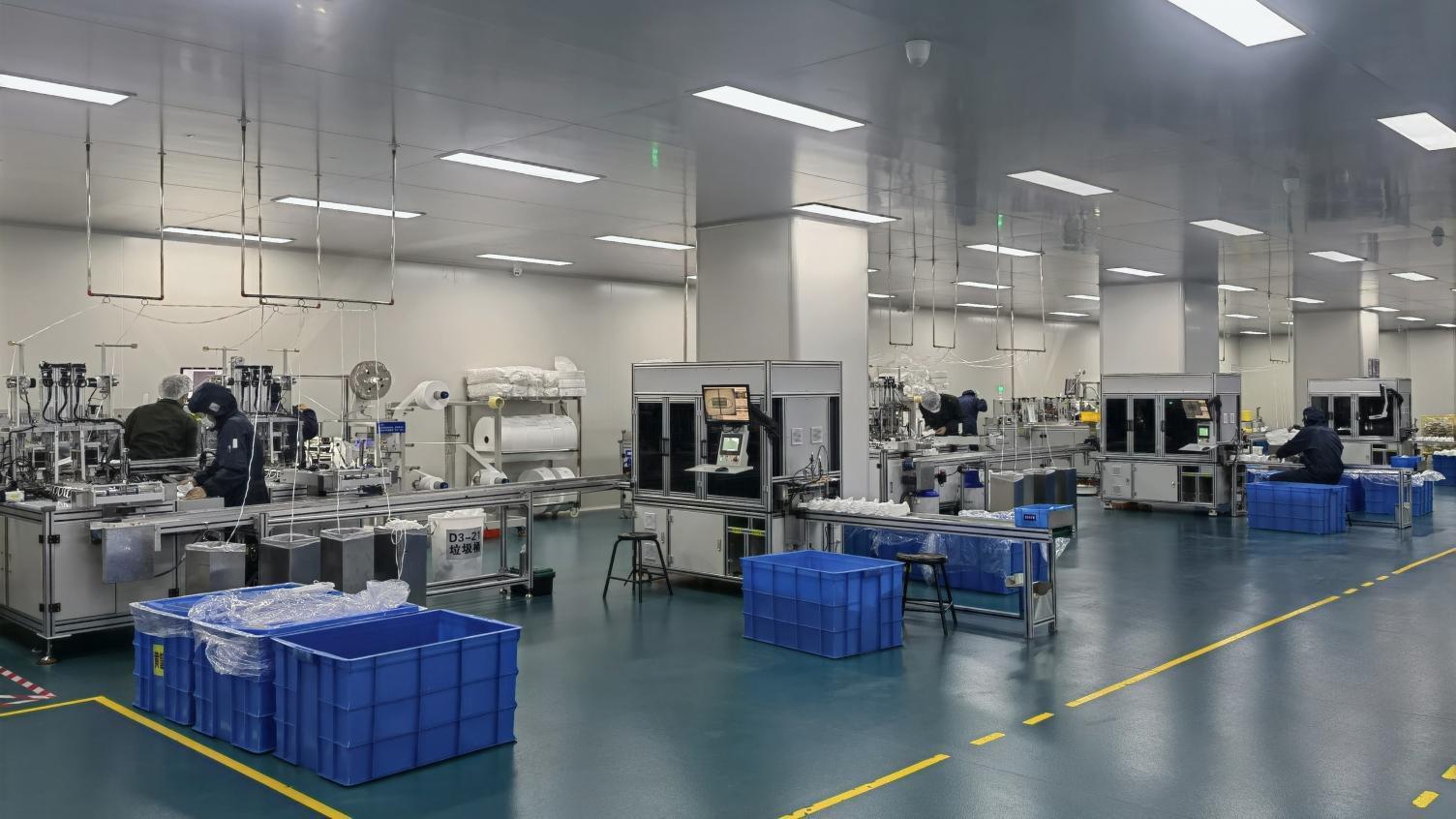
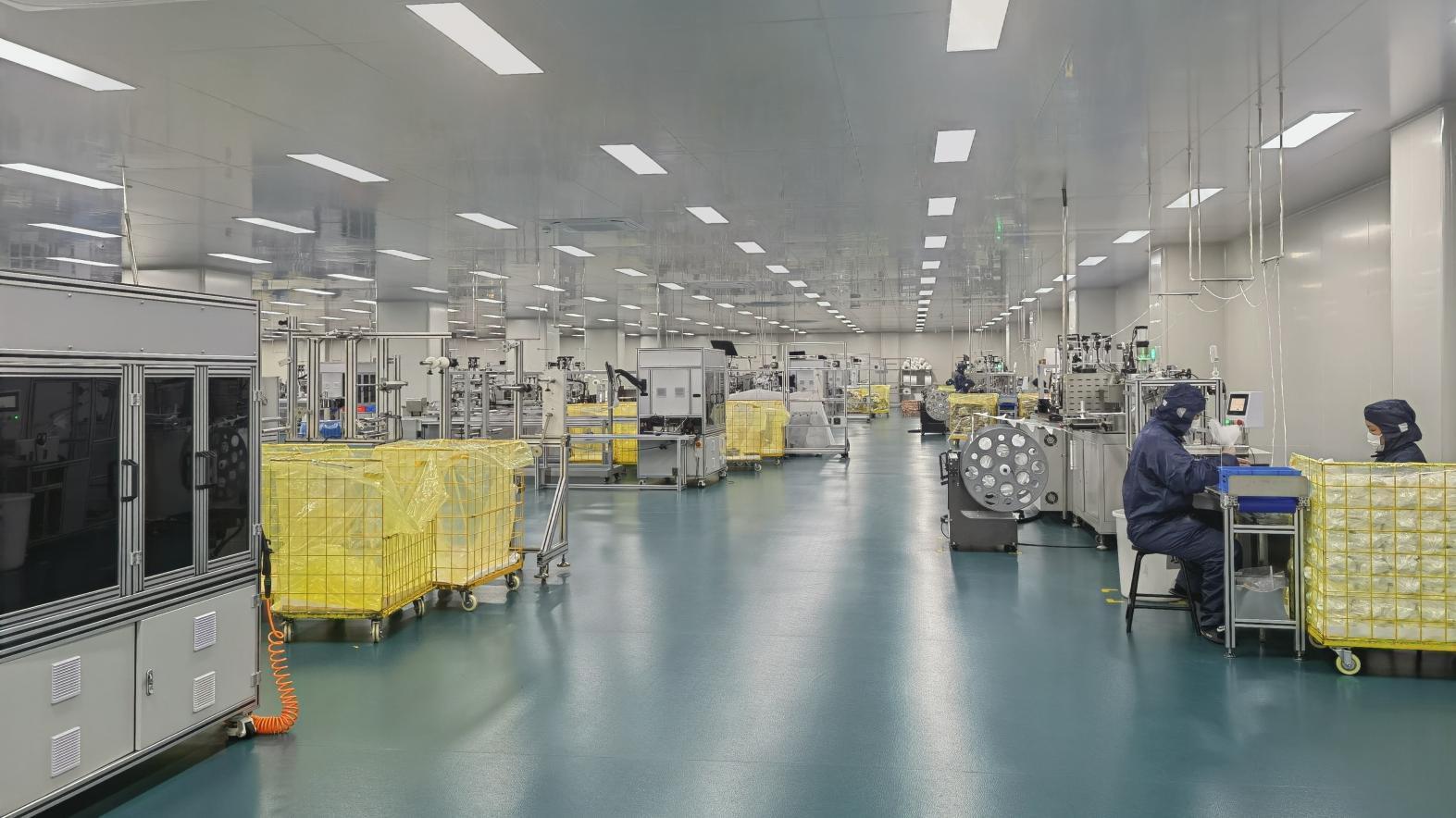
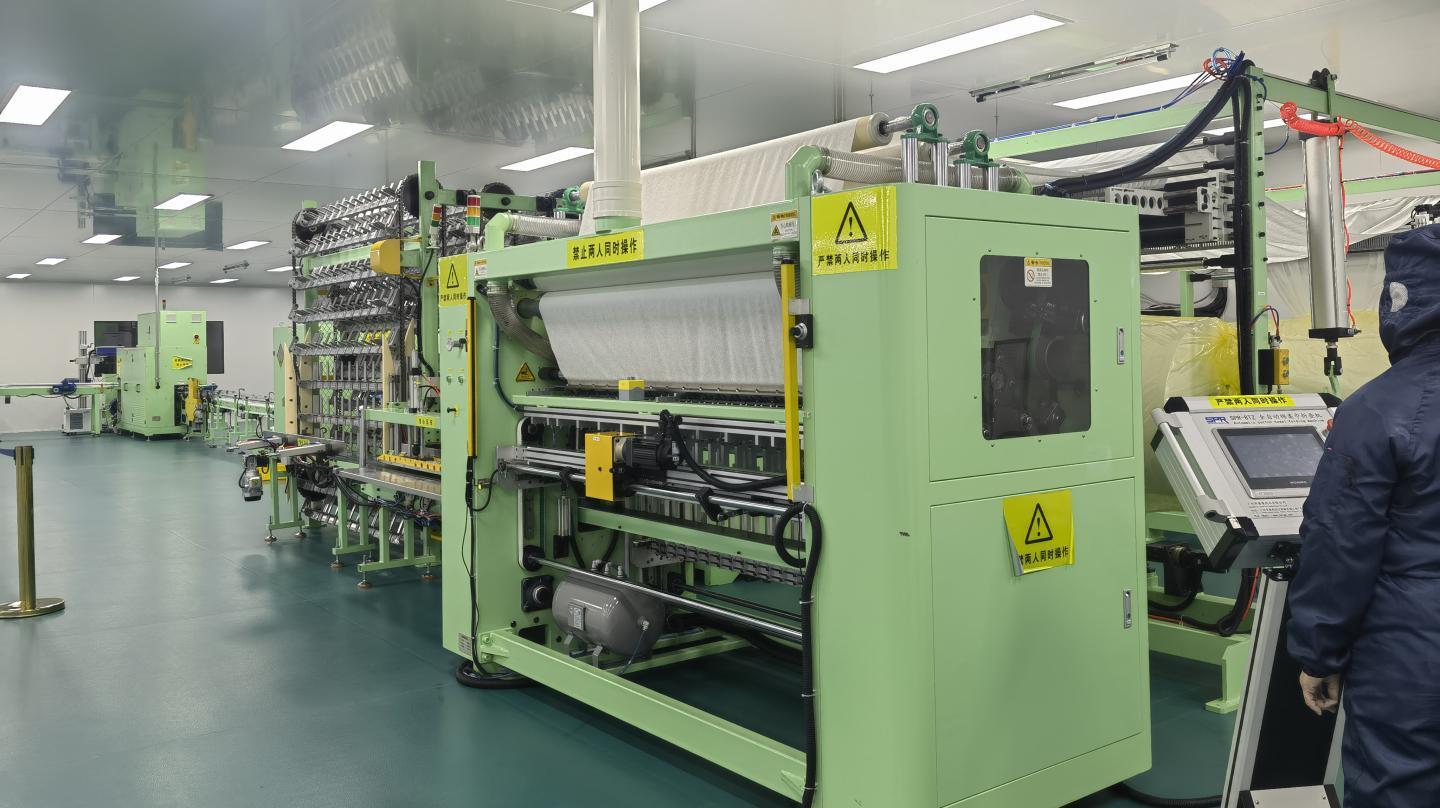
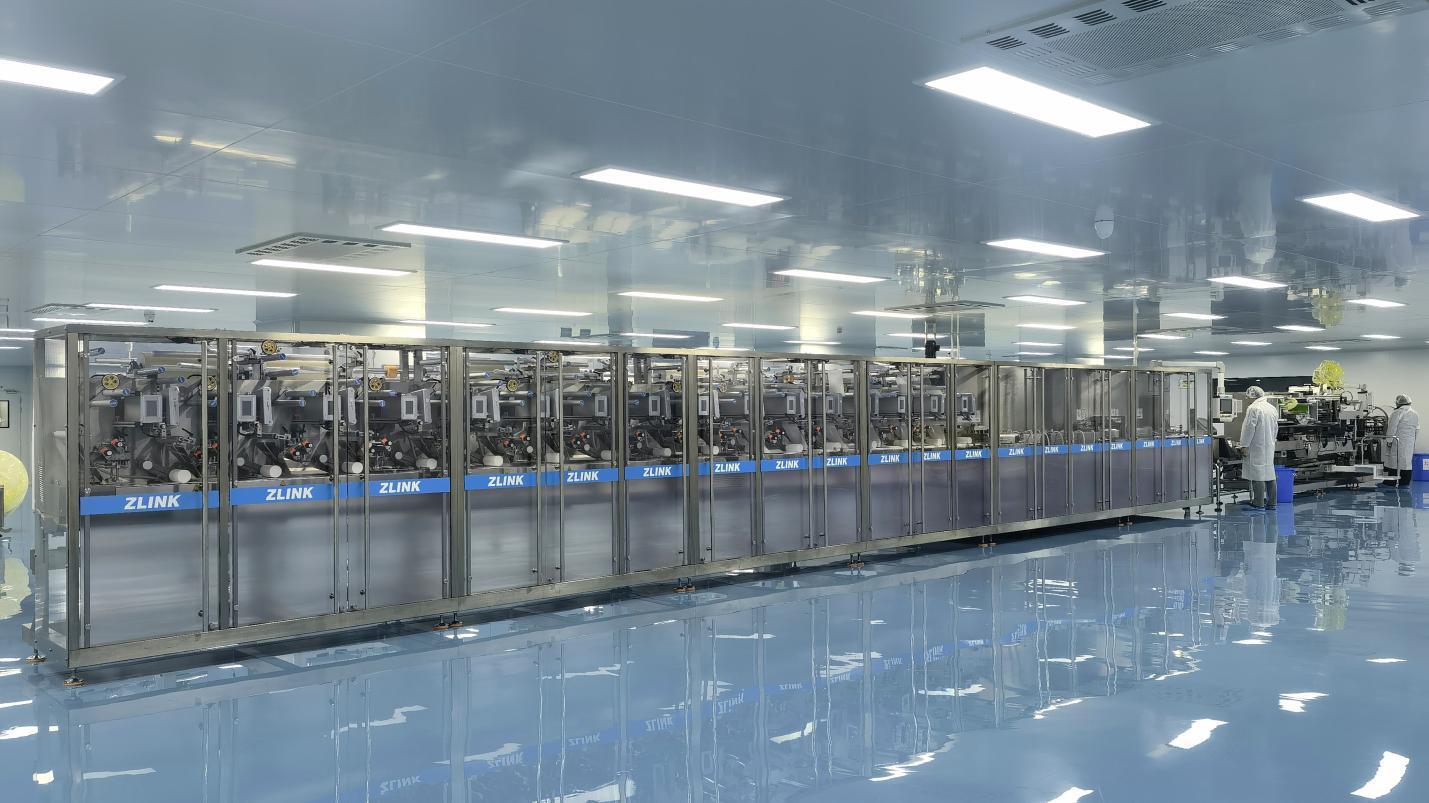
Advanced Production Lines Automated
Compliance with FDA, CE, and US EUA Standards
The core structural integrity of professional anti-pollution respirators relies on multi-layered composite designs. High-grade spunbond polypropylene provides hydrophobic structural protection, shielding the inner filter medium from moisture ingress and abrasive environmental forces. Zhejiang DrSharpe Health Co., Ltd. uses premium non-woven layers to ensure both physical integrity and wearer comfort during extended work shifts.
True sub-micron particulate intercept requires electrostatically charged melt-blown fibers. This critical layer traps particles as small as 0.3 microns via electrostatic attraction, inertial impaction, and diffusion. By maintaining strict control over polymer extrusion viscosity and charge density, DrSharpe masks consistently achieve up to 99% PFE, surpassing entry-level industrial requirements.
When sourcing anti-pollution face masks in bulk, buyers must evaluate more than unit prices. A factory's value is defined by its compliance with test standards (e.g., EN 149, GB2626), automated filtration testing equipment (such as TSI 8130), and raw material supply chain transparency. Reliable manufacturers provide batch-traceable test certificates to prevent supply chain bottlenecks.
Zhejiang DrSharpe Health Co., Ltd. operates as a leading manufacturer and global supplier in the disposable medical, respiratory health, and protective solutions sector. Through continuous capital investment and automation, the company bridges the gap between raw manufacturing capability and the rigorous compliance required by international B2B buyers.
DrSharpe’s core mission focuses on advanced respiratory safety, combining comfort and protection. Our manufacturing processes utilize automated machinery, cleanroom assembly standards, and strict quality control protocols to protect workers, medical staff, and everyday users from particulate matter, pathogens, and chemical irritants.
Production reliability depends on machinery redundancies. The DrSharpe facility features a robust production line setup designed to mitigate downtime and adapt to changing demand:
Operating in international markets requires rigorous regulatory compliance. DrSharpe’s respiratory line is certified for distribution in highly regulated environments across the US, Europe, and Asia.
| Target Region | Standards Met | Status |
|---|---|---|
| United States | US FDA & US EUA | Approved |
| European Union | CE / EN 149 / EN 14683 | Certified |
| Global Markets | BFE & PFE ≥ 99% | Verified |
Our export distribution network includes the United States, Europe, Japan, Mexico, Germany, and the United Kingdom, delivering reliable, certified protection across all regions.
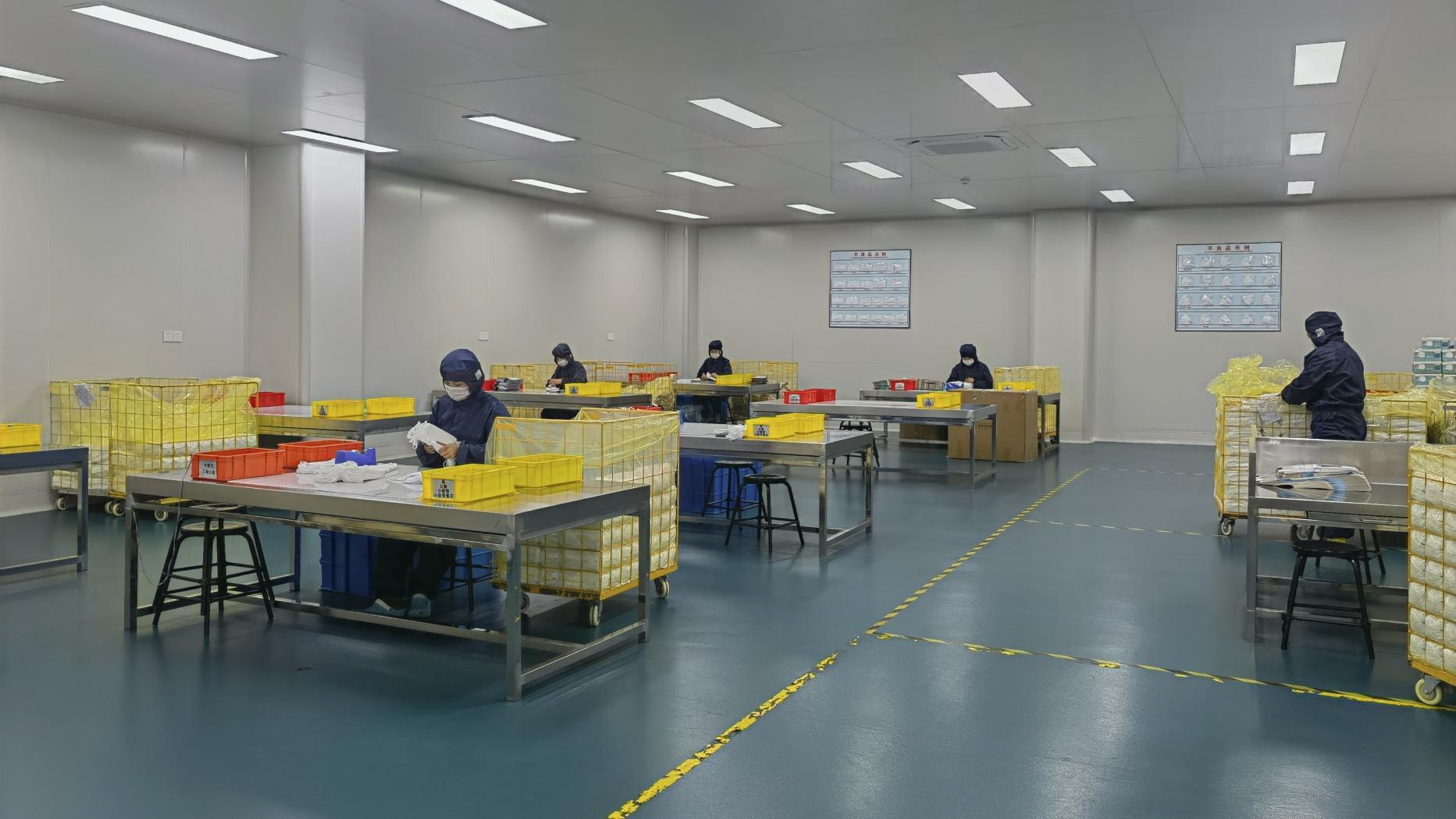
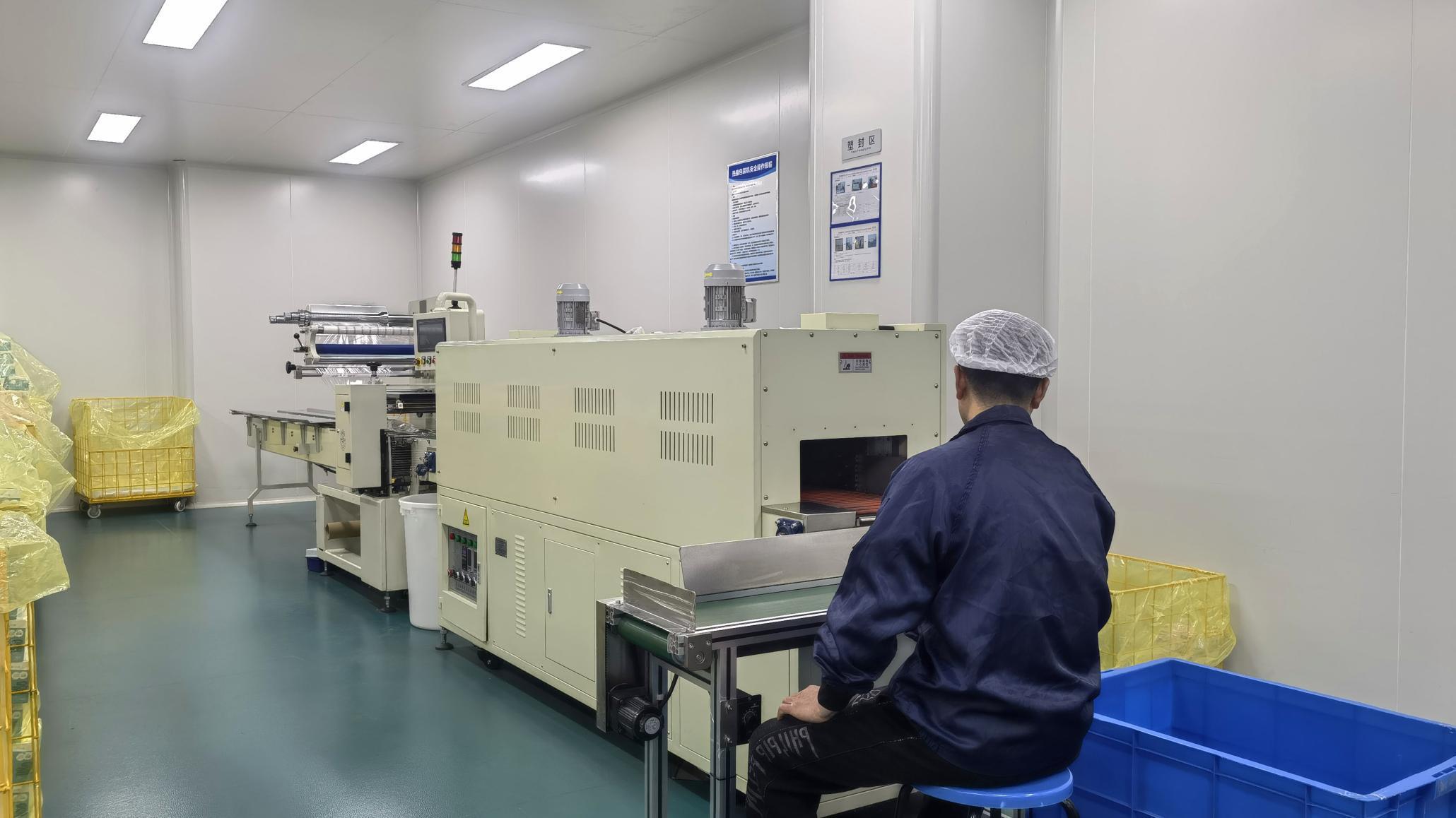
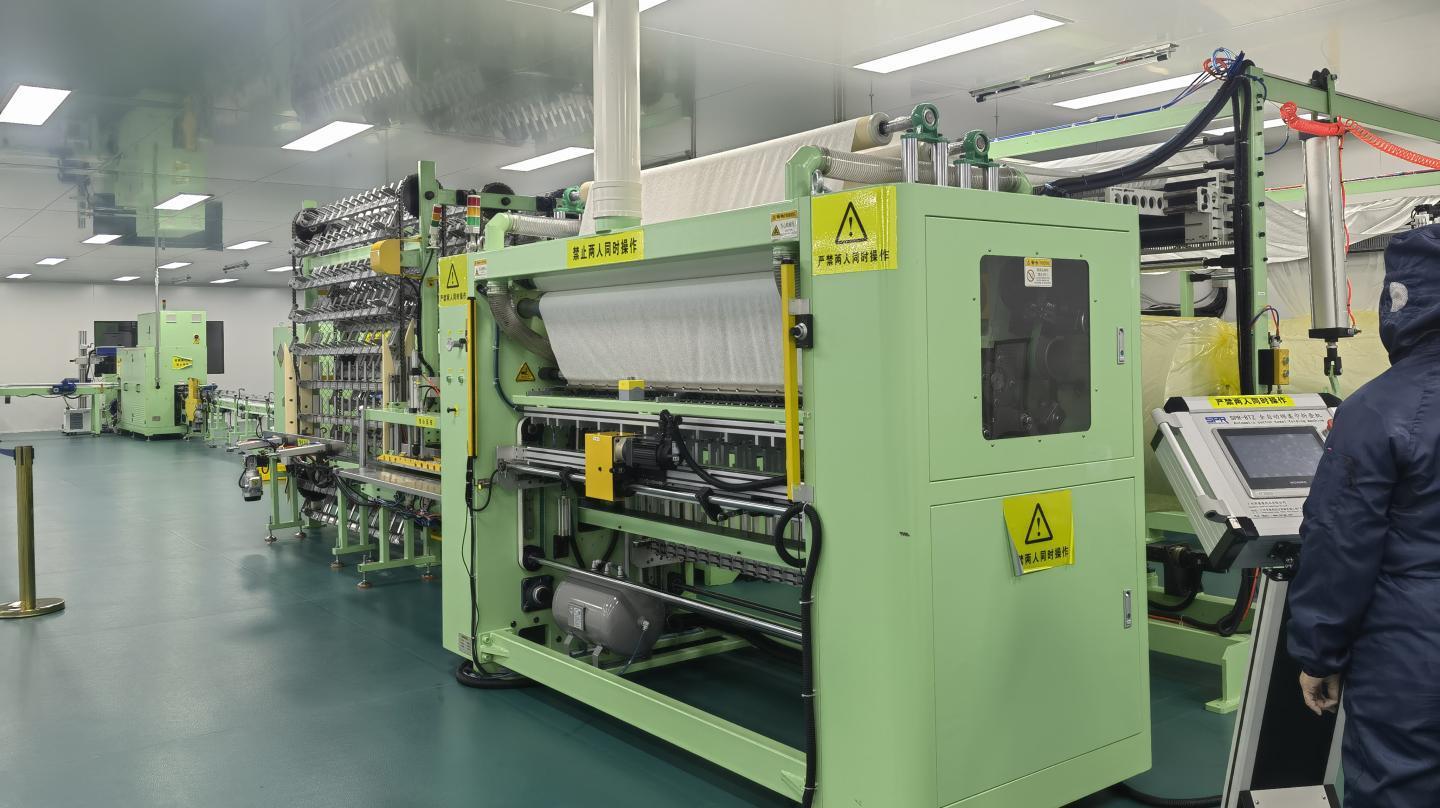
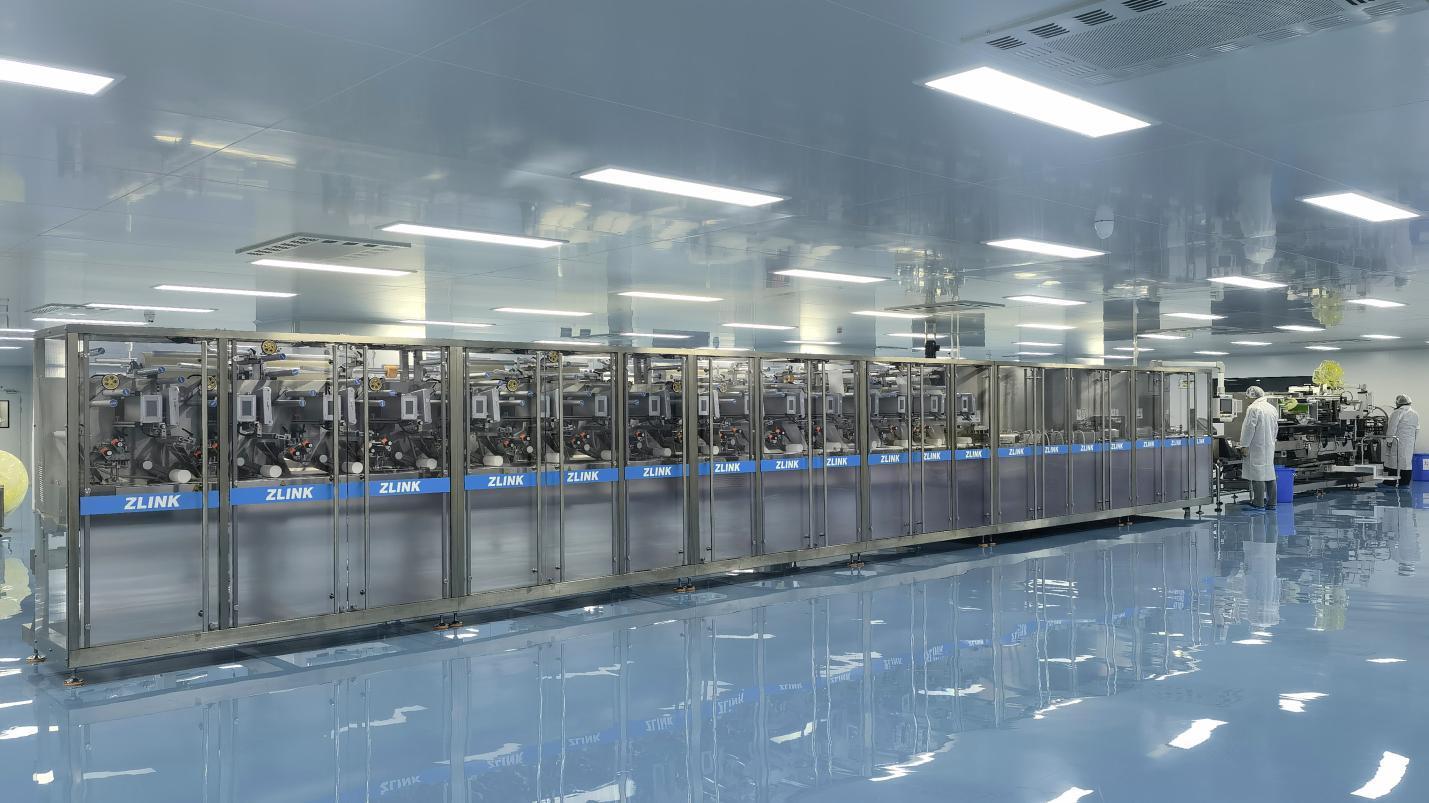
The respiratory PPE sector is highly consolidated, with Chinese manufacturers playing a key role in the global supply chain. This position is supported by advantages in raw material access, advanced engineering, and logistics infrastructure.
From petrochemical refineries processing medical-grade polypropylene to melt-blown extruders, nose wire extruders, and elastic knitting mills, China’s industrial ecosystem keeps raw material lead times short. Manufacturers can scale operations quickly without waiting for overseas components.
Modern Chinese mask factories have transitioned from manual labor to high-speed automation. Ultrasonic welding, automated loop attachment, and automated optical inspection systems reduce defects and ensure consistent seal quality across production runs.
Top-tier factories maintain standard certifications, including European EN standards, US NIOSH, and Chinese national standards (GB2626). Because these facilities are familiar with foreign regulatory requirements, import processes run more smoothly.
The market for anti-pollution masks is evolving beyond basic physical barriers. New designs focus on improving breathability, reducing waste, and adding active filtration capabilities.
Standard particulate masks cannot filter volatile organic compounds (VOCs), sour gas, or vehicle emissions. To address this, modern manufacturers are integrating activated carbon layers. These carbon layers feature a network of sub-microscopic pores that adsorb harmful gases, providing broader protection in urban and industrial environments.
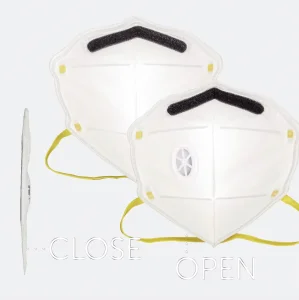
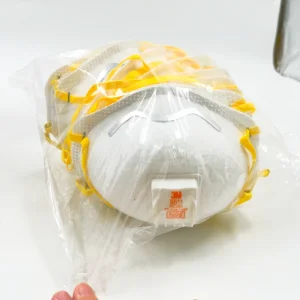
A common issue with high-efficiency masks is breathing resistance. This can lead to CO2 buildup and general discomfort. In response, factories are developing high-flow exhalation valves. These valves feature lightweight silicone diaphragms that open during exhalation and close securely during inhalation, keeping the mask interior dry and cool.
The scale of disposable mask consumption has created significant environmental waste. In response, researchers and factories are exploring biodegradable non-wovens made from polylactic acid (PLA) and natural fibers. These materials aim to maintain high filtration efficiency while reducing the long-term environmental footprint of discarded PPE.
Standard dust masks block large particles (>10μm). Anti-pollution respirators target the 0.1 to 2.5μm range, where particles can bypass the nasal passages and enter the lungs. Standard certifications verify protection within this critical range.
Anti-pollution masks are utilized across a range of industries, each requiring specific design features and certification standards.
Challenge: High concentrations of crystalline silica, metal shavings, and concrete dust.
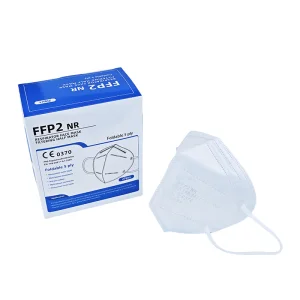
Solution: Cup-style N95/FFP2 respirators with robust shell designs, adjustable head straps, and sealing nose foam to maintain fit during physical labor.
Challenge: Exposure to diesel exhaust, traffic emissions (PM2.5), and smog.
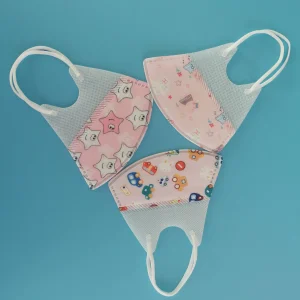
Solution: Lightweight, fold-flat masks (such as KF94/KN95 shapes) with activated carbon linings. These designs balance particulate filtration, odor control, and comfort.
Challenge: Exposure to airborne pathogens and body fluid splashes.
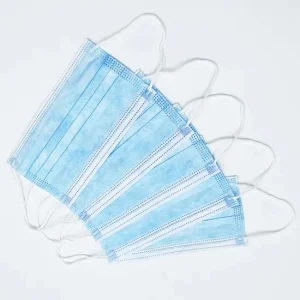
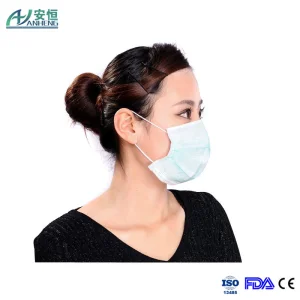
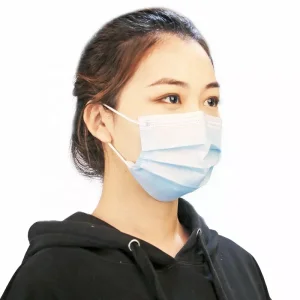
Solution: Fluid-resistant surgical masks with certified BFE/PFE ≥ 99%, conforming to EN 14683 Type IIR or ASTM Level 3 standards.
| Mask Classification | Target Pollutant Type | Nominal Protection Factor (NPF) | Recommended Application |
|---|---|---|---|
| NIOSH N95 / KN95 | Non-oil aerosols, dust, silica, biological particles | 10 | Construction sites, industrial wood processing, public health safety |
| EN149 FFP2 / FFP3 | Oil and non-oil aerosols, fine liquid droplets | 12 (FFP2) / 50 (FFP3) | Chemical handling, pharmaceutical labs, heavy metal casting |
| Activated Carbon 6-Ply | Coarse dust, PM2.5, minor organic vapors & odors | N/A (Sorbent enhanced) | Urban sanitation, mining operations, airport tarmac operations |
| KF94 (3D Korean Standard) | Fine urban atmospheric particulates (yellow dust) | 11 | Daily personal use, public transport, light industrial sectors |
What is the core difference between medical-grade surgical masks and anti-pollution particulate respirators?
Medical-grade surgical masks are primarily designed to prevent fluid penetration and control source emissions (retaining the wearer's respiratory droplets). They do not seal tightly to the face. Anti-pollution respirators (e.g., N95, FFP2) are designed to form a tight seal against the skin, forcing inhaled air through specialized melt-blown layers to filter out particulate matter (PM2.5, dust, silica).
How does Zhejiang DrSharpe Health Co., Ltd. guarantee a BFE/PFE rating of 99%?
We maintain this rating by using high-density electrostatic electret melt-blown filter media. The electrostatic charge attracts particles, keeping breathability high without requiring thick layers that impede breathing. We test production batches regularly using automated particle testers to ensure consistent performance.
Can KN95 masks be imported into the US or European markets as equivalents to N95/FFP2?
Technically, KN95 masks (GB2626 standard) offer similar filtration performance to N95 (US standard) and FFP2 (EU standard). However, import regulations differ. For medical settings, US FDA clearance is required, while for European industrial applications, CE marking with EN 149 certification is necessary. Zhejiang DrSharpe Health provides standard-compliant masks for both markets.
What are the standard Minimum Order Quantities (MOQs) for wholesale B2B purchases?
For standard packaging configurations, MOQs typically start at 10,000 units. For custom OEM/ODM packaging, custom colors, or specific branding designs, MOQs generally start at 50,000 units. This volume allows us to optimize the setup of our automated production lines and keep wholesale costs competitive.
How do exhalation valves function, and when should they be avoided?
Exhalation valves feature a flexible membrane that opens when the user exhales, allowing warm, humid air to escape. This helps lower breathing resistance and keep the face cool. However, valved masks should not be used in sterile environments (such as operating rooms) or when source control is required, as the user's exhaled air is released directly into the surrounding environment.