DrSharpe Health
DrSharpe Health
DrSharpe Health
Explore our high-performance filtration masks engineered for medical, industrial, and daily hygienic requirements.
In the contemporary landscape of global biosafety and workplace occupational health, the selection of protective face masks has evolved from simple transaction-based purchasing into a complex, compliance-driven strategic operation. As enterprise-level buyers and medical supply chains request higher particulate filtration performance, structural integrity, and biological barrier properties, Chinese manufacturing clusters have adapted to deliver state-of-the-art protection solutions. They offer unparalleled economies of scale, extensive product customization options, and strict compliance with international testing frameworks.
This comprehensive industry analysis explores the core engineering benchmarks, quality management infrastructures, and strategic supply chain integrations that define the premier hygiene face mask factories in China. By prioritizing information gain and objective mechanical data, this whitepaper assists global procurement officers in navigating regulatory standards, examining material science characteristics, and selecting the optimal manufacturing partner to mitigate corporate risks and protect user health.
Utilizing high-grade electrostatically charged meltblown nonwovens to achieve ≥99% BFE and PFE metrics, meeting strict EN 14683 and ASTM standards.
Validated manufacturing operations fully compliant with US FDA registrations, European CE markings, and EN 149 specifications for worldwide deployment.
Direct supply lines integrated with major domestic nonwoven polymer networks, ensuring stable pricing and uninterrupted logistics even during peak demand.
Zhejiang DrSharpe Health Co., Ltd. is a professional manufacturer and global supplier specializing in disposable medical and healthcare products, especially high-quality face masks and protective solutions. With strong manufacturing capabilities, advanced production technology, and strict quality management, DrSharpe is committed to providing safe, reliable, and comfortable healthcare products for customers worldwide.
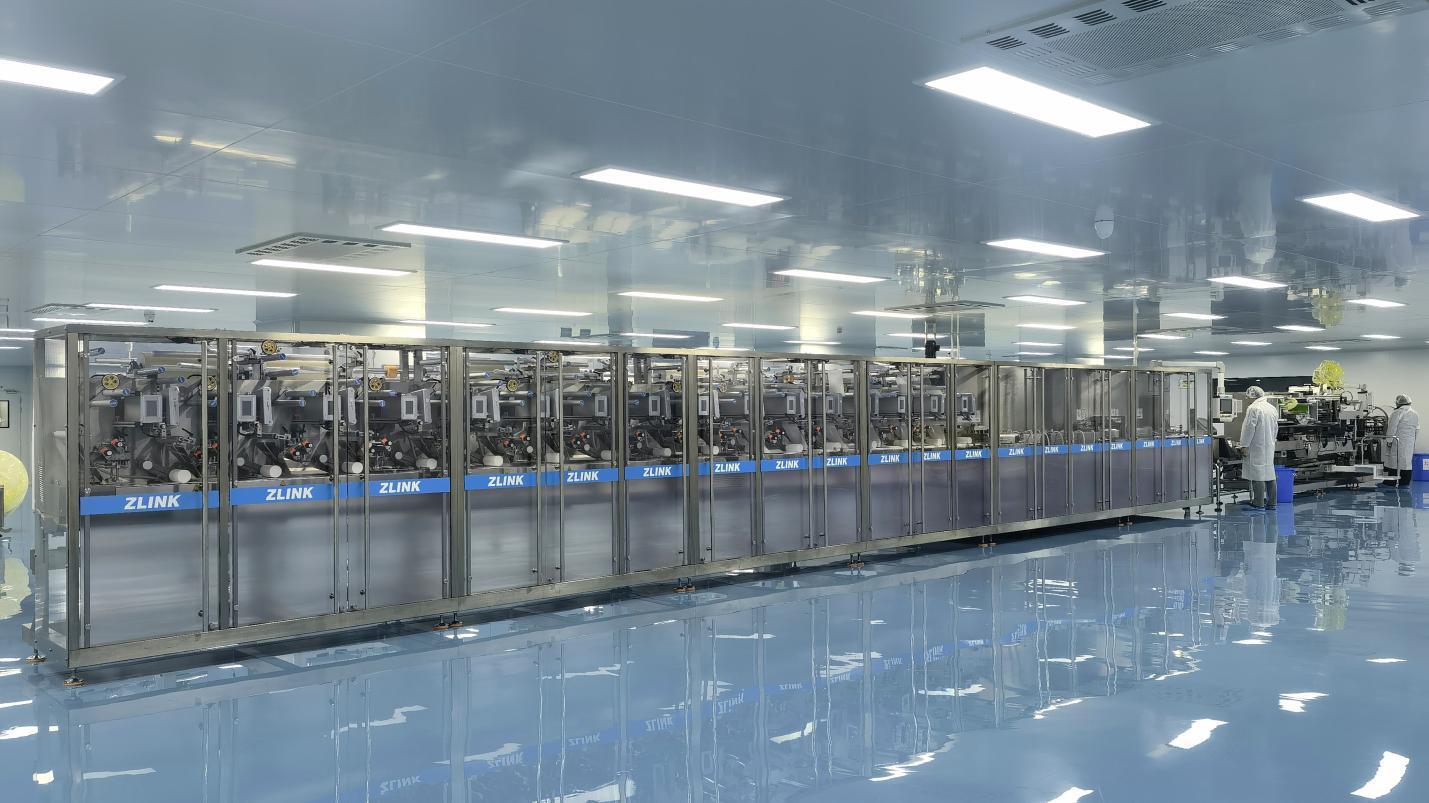
Our production facilities utilize modern machinery and automated assembly techniques. We operate 5 fully automatic mask production machines and 12 semi-automatic mask production machines, supported by an experienced production, quality engineering, and client service team. From initial raw material selection to final packaging, we strictly control every production stage to ensure stable batch-to-batch quality and reliable supply consistency. Our product catalog is widely exported to key global markets, including the United States, Europe, Japan, Mexico, Germany, and the United Kingdom.
DrSharpe mainly provides disposable face masks and related healthcare products for medical, personal protection, and daily use applications. Using advanced filtration materials, our masks achieve up to 99% Bacterial Filtration Efficiency (BFE) and 99% Particle Filtration Efficiency (PFE), offering excellent barrier protection and wearing comfort. Our products comply with international standards and have obtained certifications including CE, US FDA, and US EUA. Driven by innovation, quality, and customer satisfaction, Zhejiang DrSharpe Health Co., Ltd. continues to deliver trusted healthcare solutions and build long-term partnerships with customers around the world.
A detailed look inside our cleanroom facilities, highlighting automated mask production, strict quality inspection, packaging, and secondary tissue manufacturing processes.
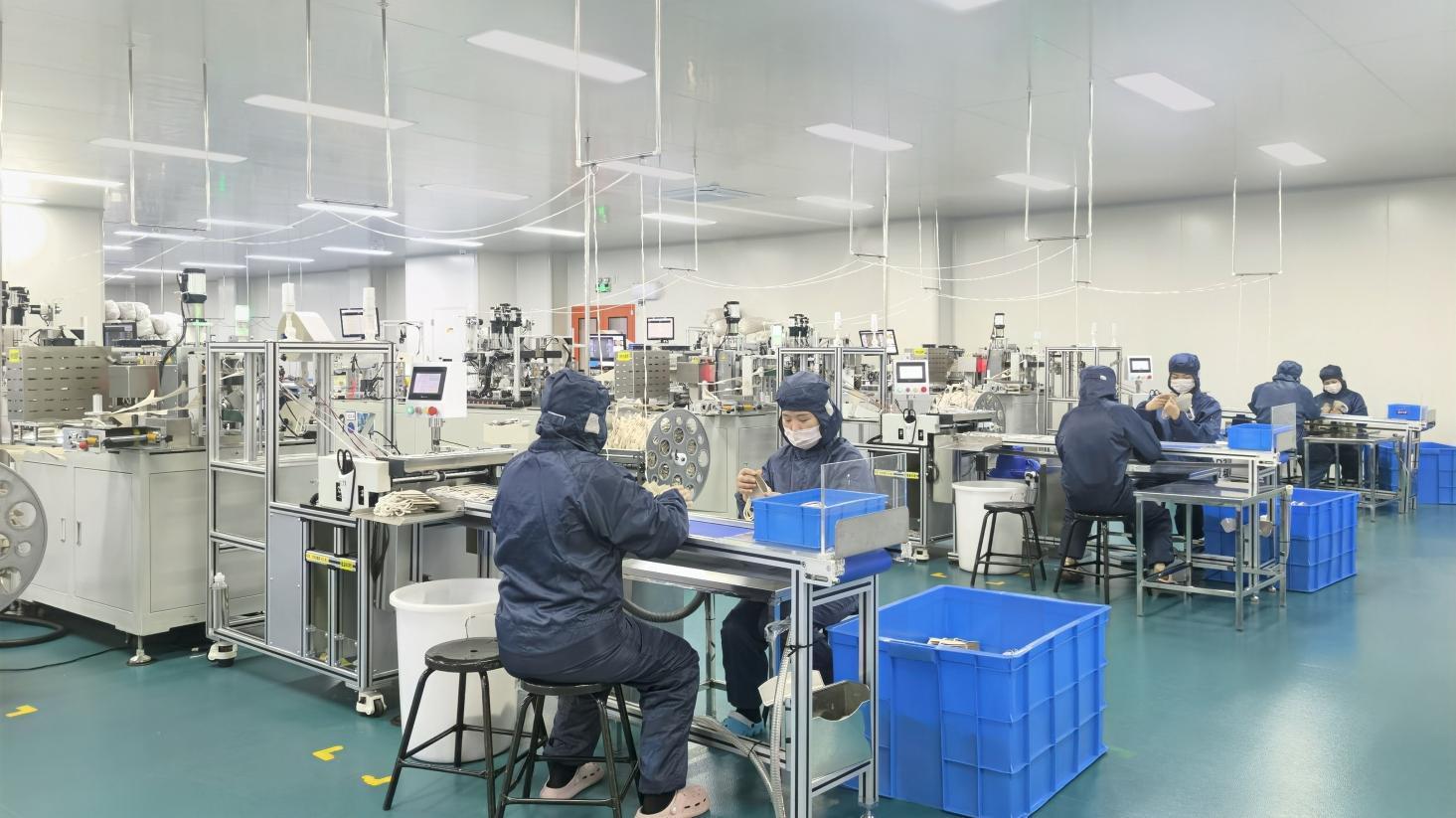
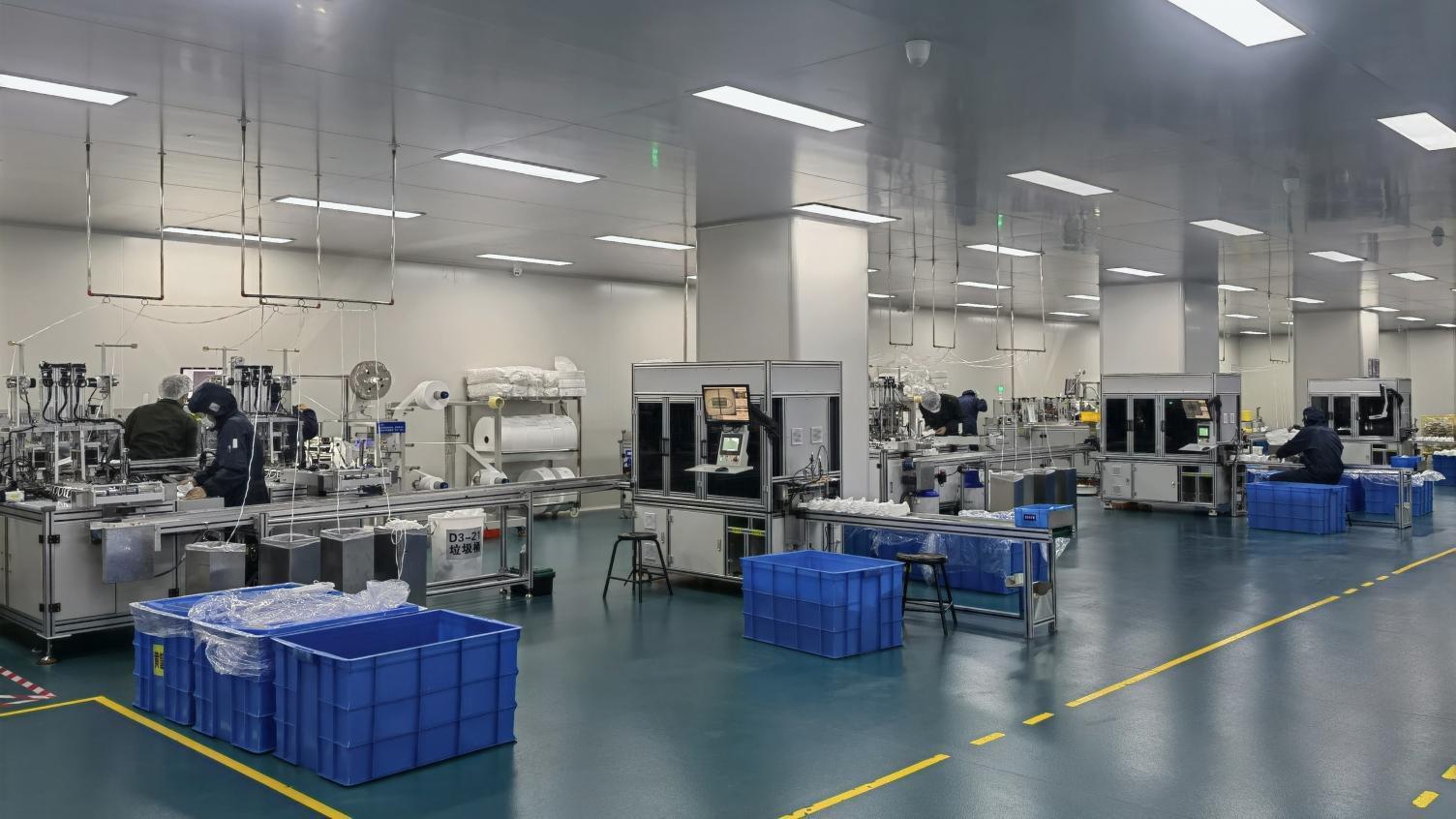
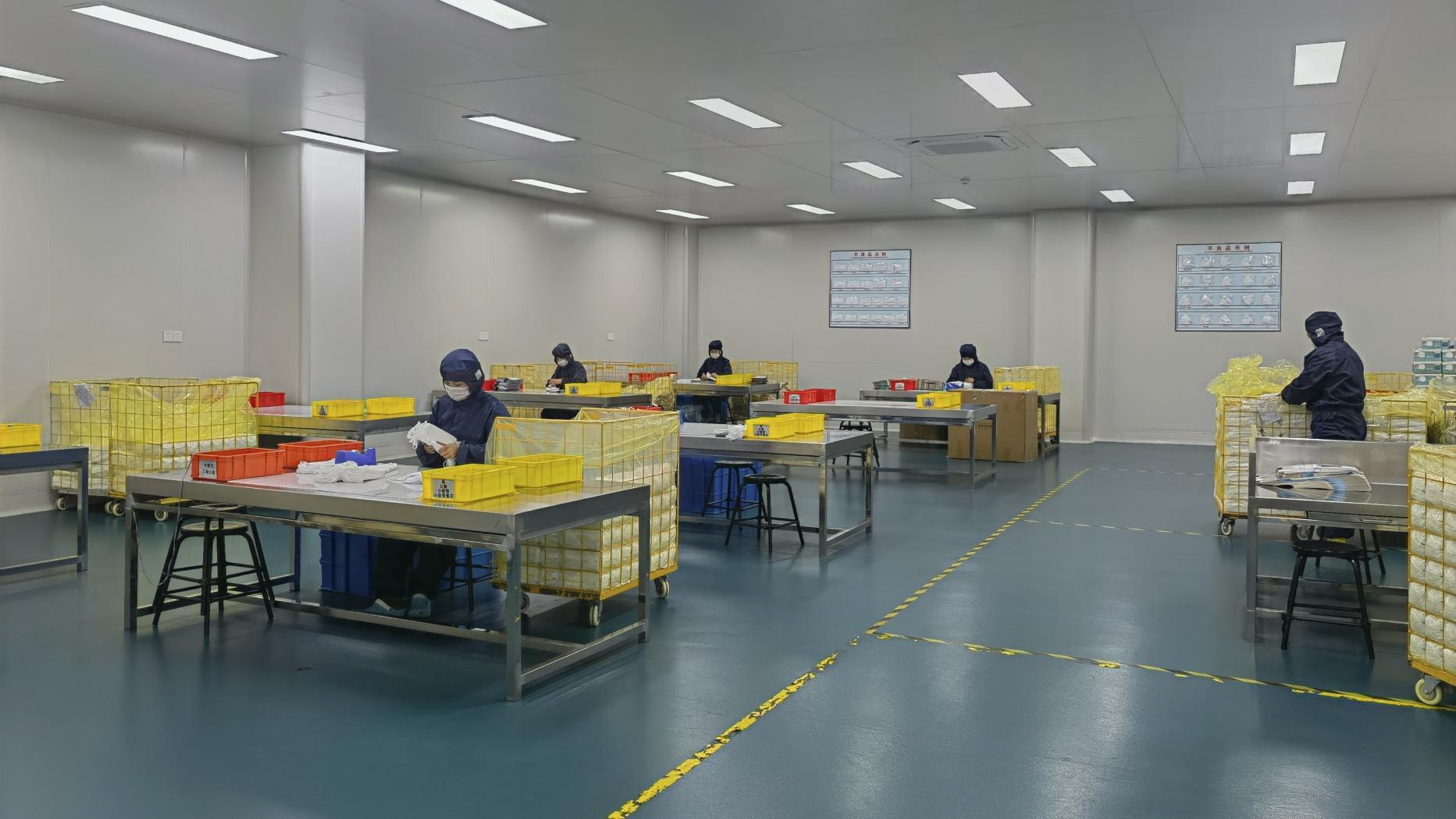
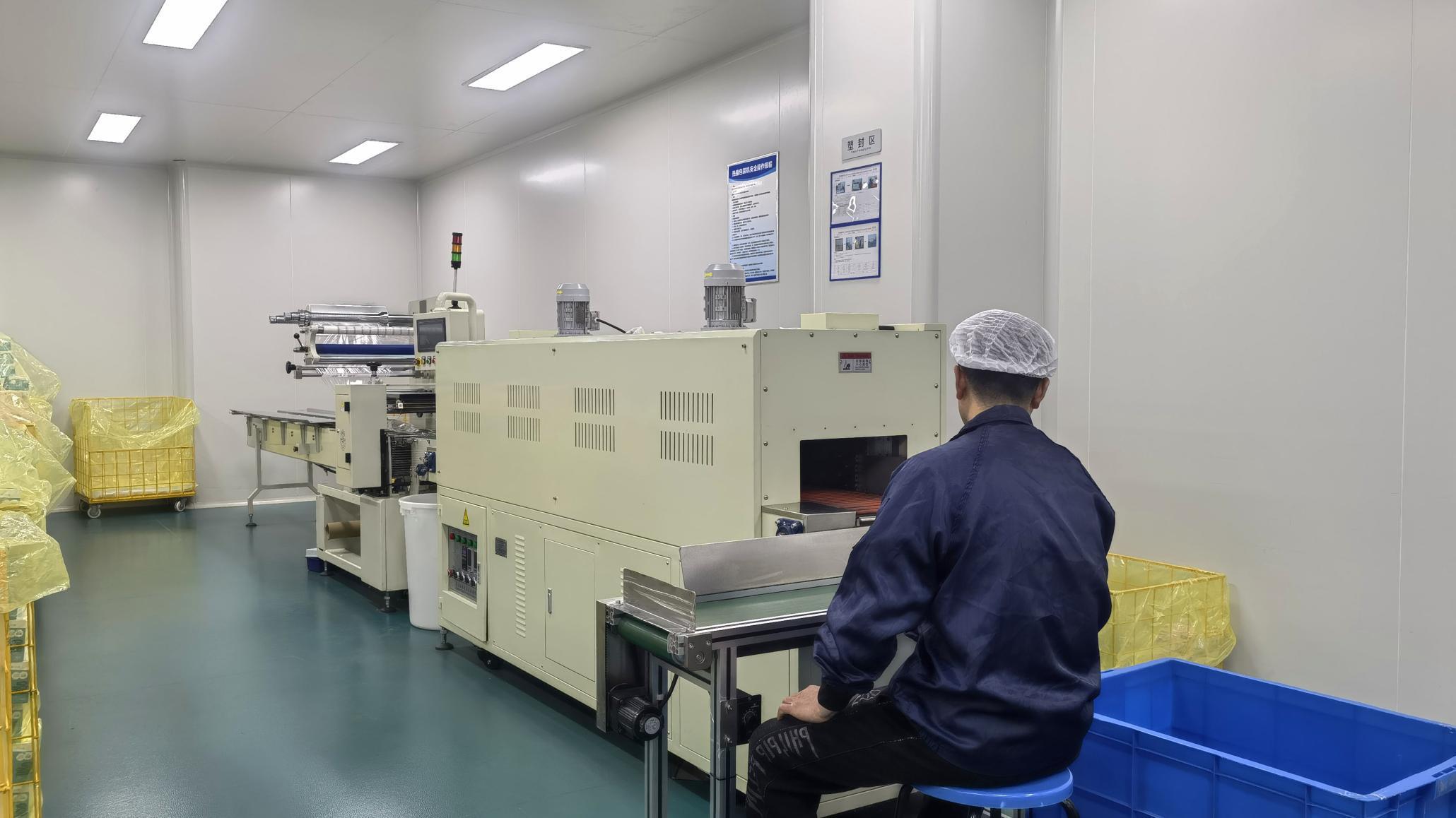
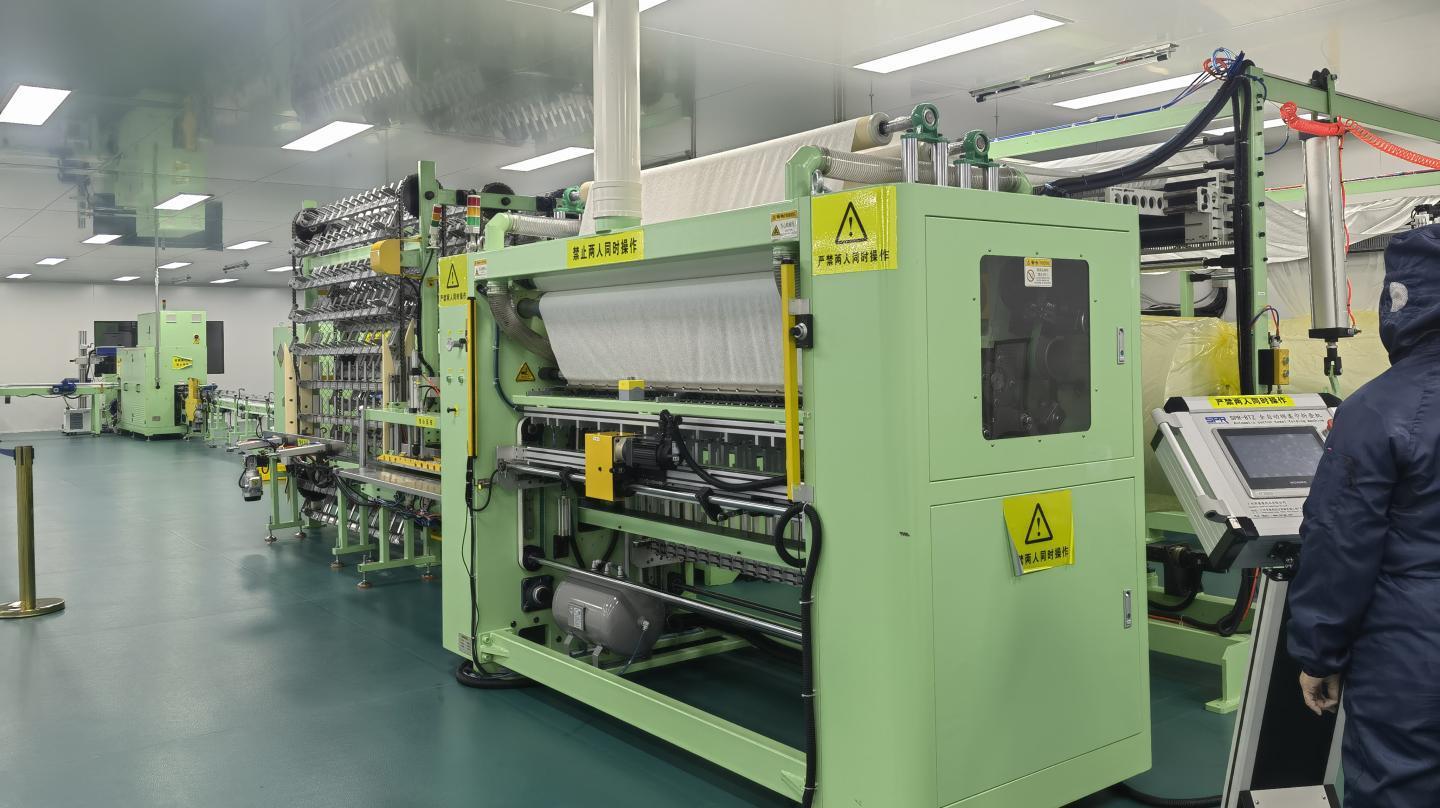
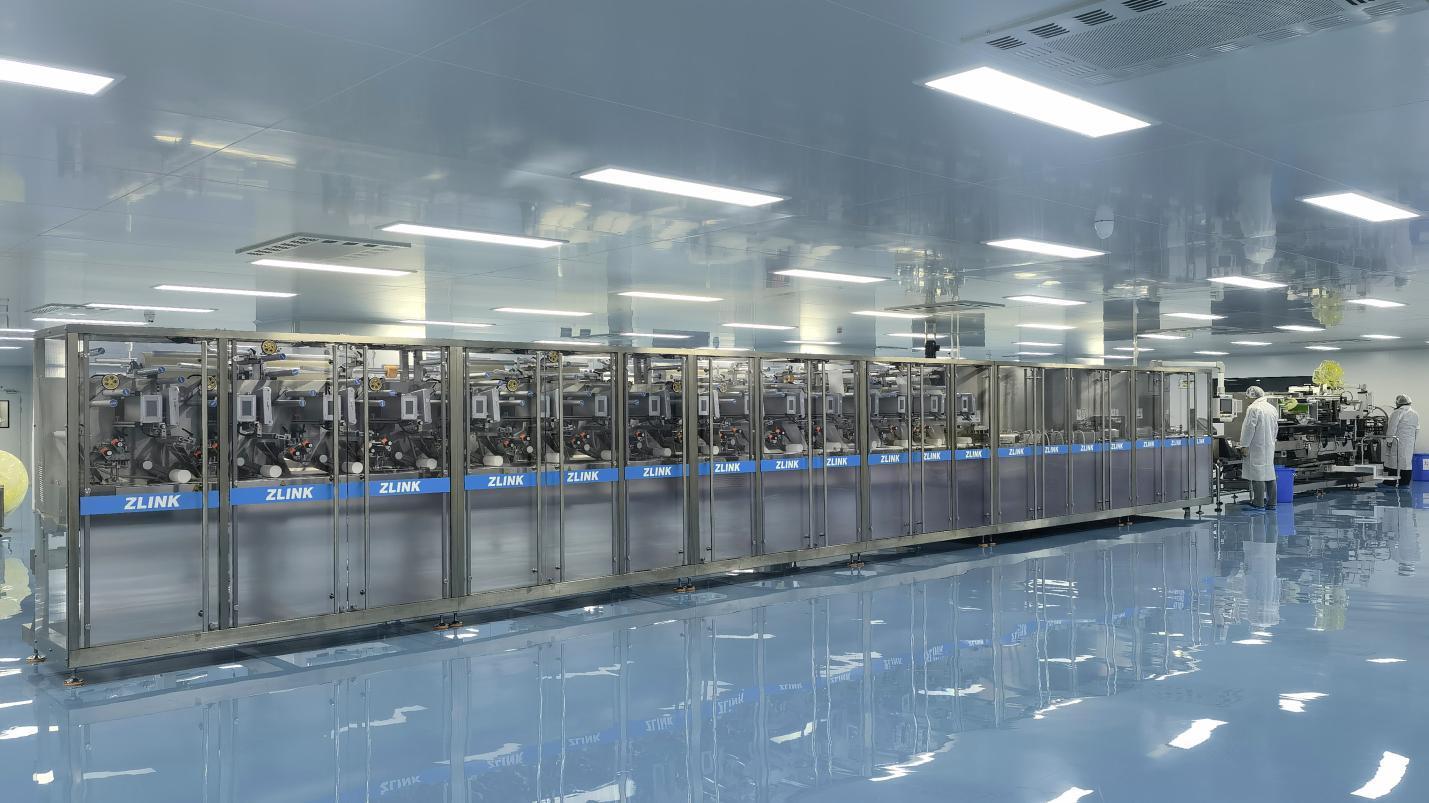
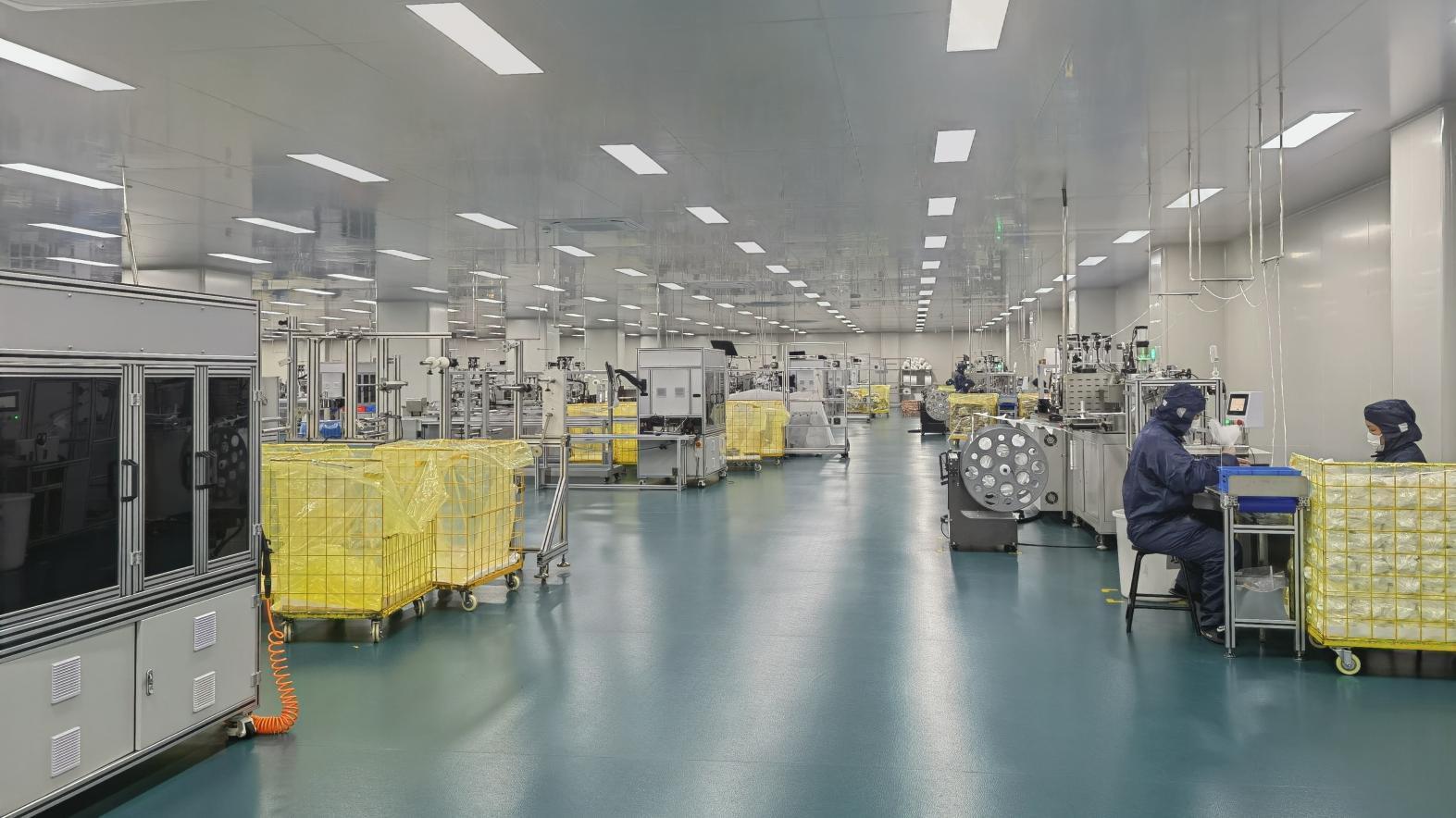
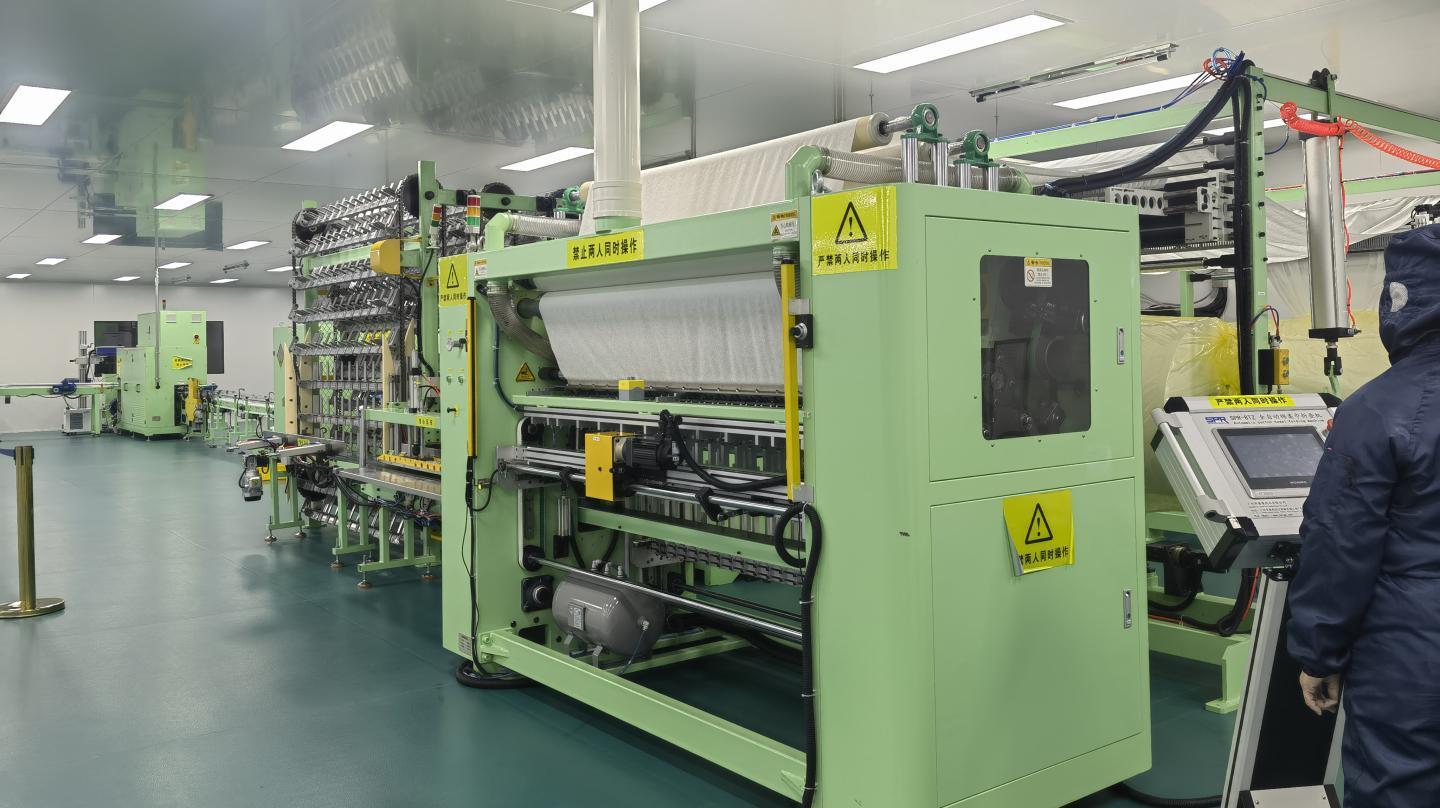
The global prominence of Chinese hygiene mask manufacturers is built on integrated industrial supply chain clusters. In provinces like Zhejiang, the manufacturing ecosystem brings together raw material refiners, meltblown extruders, nose wire fabricators, and elastic earloop producers in close proximity. This geographic density drastically reduces lead times for raw materials and enables factories to adjust production capacity in response to sudden changes in market demand.
In addition to supply chain integration, Chinese factories have made substantial capital investments in automation and cleanroom facilities. Premier facilities operate ISO Class 7 or Class 8 cleanrooms, which regulate dust particles and microbial counts to maintain high sanitary standards during manufacturing. By using automated inline visual inspection systems, factories can scan every mask in real time for structural anomalies, misaligned earloops, or minor defects. This reduces human error and ensures high batch consistency for bulk exports.
Furthermore, these manufacturers leverage advanced electrostatic charging technology on the meltblown polypropylene layer. This process creates stable electret properties within the fibers, enabling the mask to capture sub-micron particulates through electrostatic attraction rather than relying solely on mechanical sieving. Consequently, this achieves high filtration efficiency while maintaining low breathing resistance, striking a crucial balance between respiratory comfort and user protection.
Hygiene face masks are used across a wide range of industries, each with specific requirements. Chinese manufacturers address these distinct demands by offering customized configurations tailored to particular sectors and environments:
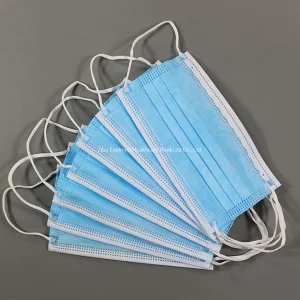
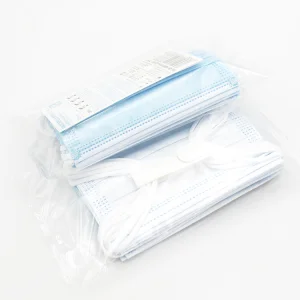
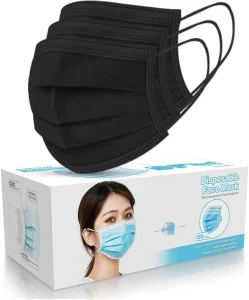
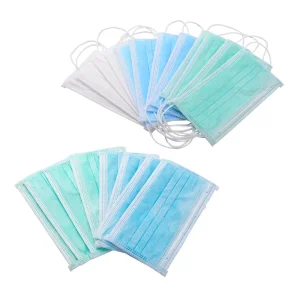
For hospitals, clinics, and dental surgeries, masks must prevent fluid penetration from splashes while maintaining high bacterial filtration efficiency. The preferred options are surgical 3-ply and 4-ply masks that meet ASTM F2100 Level 3 or EN 14683 Type IIR specifications, featuring fluid-resistant outer layers and soft, non-irritating inner layers for extended wear.
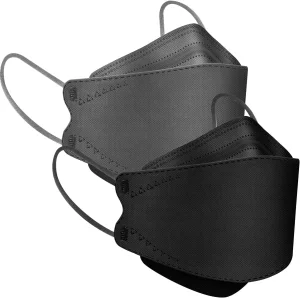
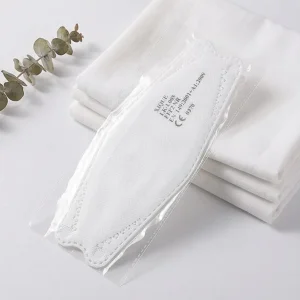
Semiconductor fabrication, pharmaceutical packaging, and electronics assembly require particulate-free workspaces. In these settings, low-linting, ultra-clean masks—such as 3D KF94 shapes or cleanroom-packaged masks—are essential to protect sensitive electronic components and medical products from human bio-effluence and fiber shedding.
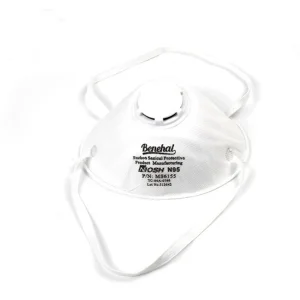
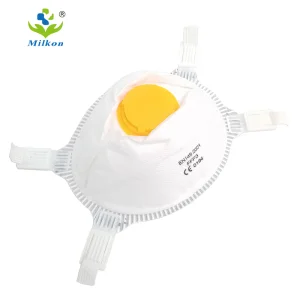
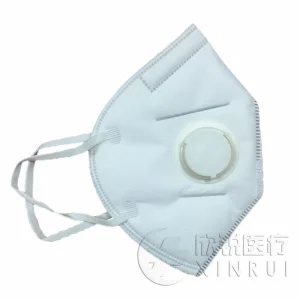
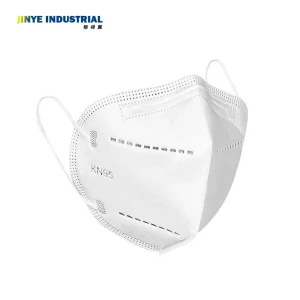
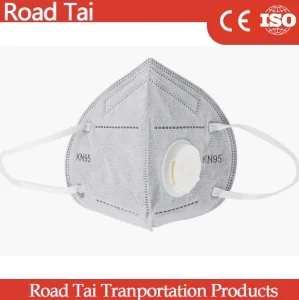
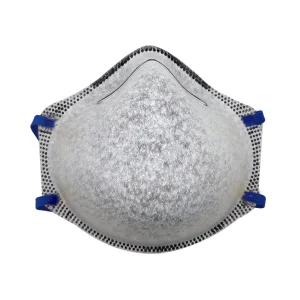
In environments with exposure to silica dust, construction debris, or industrial particulate matter, workers require particulate respirators. Cup-shape and foldable N95, KN95, and FFP2 respirators equipped with exhalation valves reduce heat build-up and carbon dioxide accumulation within the facepiece, helping to prevent user fatigue during demanding shifts.
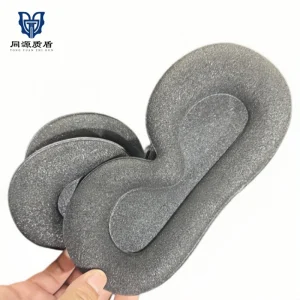
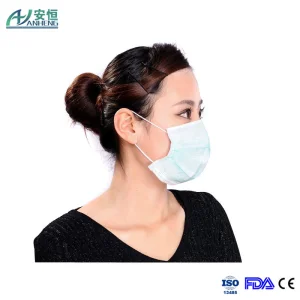
For daily protection against ambient air pollution, seasonal allergens, and airborne droplets, users prioritize comfort and ease of breathing. Solutions like sponge masks, lightweight 3-ply masks, and kid-sized variations provide comfort for daily use, commuting, and school environments.
Enterprise procurement teams must verify a manufacturer's credentials to ensure product quality and regulatory compliance. The table below outlines the core international testing frameworks used to evaluate hygiene masks:
| Standard Framework | BFE / PFE Requirement | Fluid Resistance (mmHg) | Key Target Markets |
|---|---|---|---|
| ASTM F2100 (Level 1, 2, 3) | ≥95% to ≥98% at 0.1 micron | 80, 120, 160 mmHg | North America, Latin America |
| EN 14683 (Type I, II, IIR) | ≥95% to ≥98% (BFE) | None to ≥120 mmHg (Type IIR) | European Union, Commonwealth |
| NIOSH N95 (42 CFR Part 84) | ≥95% NaCl aerosol filtration | Variable (Surgical N95 required) | Global Industrial & Healthcare |
| EN 149 (FFP1, FFP2, FFP3) | ≥80%, ≥94%, ≥99% filtration | Evaluated by total inward leakage | United Kingdom, Europe |
When selecting a supplier, procurement officers should check that a factory's documentation matches the target market's requirements. Reliable suppliers provide traceable documentation, including accredited test reports from third-party bodies (such as SGS, Nelson Labs, or TUV), valid registration numbers on the FDA Establishment Database, and certificates of conformity matching CE declarations. This verification process minimizes customs delays and ensures the products meet standard safety requirements upon arrival.
The hygiene product industry is shifting toward more sustainable and ergonomic designs. A key driver of this change is the environmental impact of single-use polypropylene masks. In response, research and development departments in leading factories are working on biodegradable alternatives. By using polylactic acid (PLA) polymers derived from starch or cellulose, manufacturers aim to produce masks with filtration properties comparable to petrochemical-based nonwovens, but with a much lower carbon footprint and faster degradation profile.
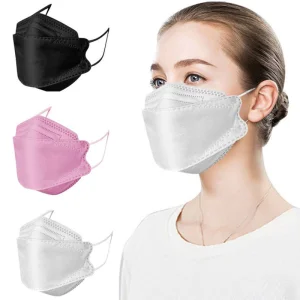
Another major trend is the development of masks with improved breathability and skin comfort. Traditional masks can cause skin irritation during long shifts. To address this, factories are using bi-component spunbond fibers for the inner layers to create a soft, non-abrasive surface. They are also optimizing pleating and structural configurations, such as 3D KF94 and fish-shaped geometries. These designs create a larger breathing chamber, keeping the filter material away from the lips and wet zone to reduce moisture build-up and maintain performance during extended wear.
Technical and logistical insights for global procurement officers, QA engineers, and supply chain managers.
Choose from our full range of certified masks, engineered for clinical settings, industrial cleanrooms, and everyday safety.