DrSharpe Health
DrSharpe Health
DrSharpe Health
Explore our high-demand range of medical-grade and industrial protection disposable face masks certified to international standards.
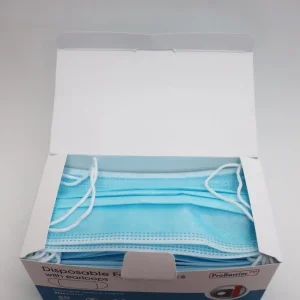
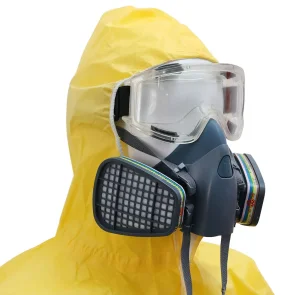
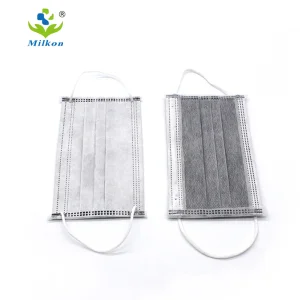
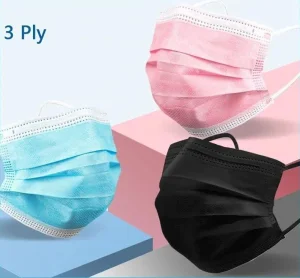
The global medical PPE market has transitioned from panic-driven procurement to highly calculated, long-term strategic relationships with factories. Quality Control (QC), compliance certifications, and material longevity are now the dominant factors for enterprise healthcare distributors, public tenders, and industrial organizations. A basic non-woven mask is no longer evaluated on price alone; rather, buyers require transparent documentation of performance under load, skin irritation tests, and particulate filtration efficacy.
For regions such as Europe, Latin America, and North America, regulatory pathways differ significantly. The term "mascarilla descartable" represents a broad array of protective devices ranging from basic sanitary barriers to high-grade FFP2 respirators and surgical masks designed for sterile environments. Understanding this segmentation is critical to ensuring your enterprise imports correct, legal, and highly functional products.
Information Gain Insight: Many importers conflate general non-medical non-woven masks with medical surgical masks. The key differentiator lies in the fluid-resistance tests and synthetic blood penetration tests required for true medical and surgical categories (under EN 14683 Type IIR parameters).
To legally distribute personal protection systems within European and Latin American jurisdictions, products must be aligned with specific harmonized standards. The CE mark represents a declaration by the manufacturer that the product meets the safety, health, and environmental protection requirements of the European Economic Area. Below, we break down the two critical standards that govern the manufacture of mascarillas descartables.
| Standard / Regulation | Common Designation | Filtration Efficiency Requirements | Key Testing Metrics |
|---|---|---|---|
| EN 14683:2019 | Medical Face Masks (Type I, II, IIR) | BFE ≥ 95% (Type I) to ≥ 98% (Type II/IIR) | Bacterial Filtration Efficiency (BFE), Differential Pressure (Breathability), Splash Resistance (Type IIR only), Microbial Cleanliness |
| EN 149:2001 + A1:2009 | Respiratory Protective Devices (FFP1, FFP2, FFP3) | PFE ≥ 80% (FFP1), ≥ 94% (FFP2), ≥ 99% (FFP3) | Particle Filtration Efficiency (PFE), Total Inward Leakage (TIL), Breathing Resistance, CO2 Content of Inhalation Air |
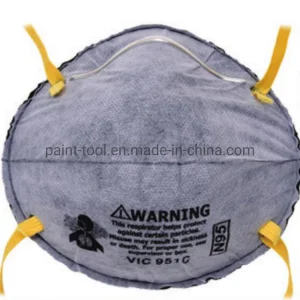
| US FDA / NIOSH | N95 Respirators & Surgical Masks | PFE ≥ 95% (NaCl Aerosols) | Particulate Filtration Efficacy, Flow Rate Resistance, Exhalation Valve Leakage, Flammability Standards |
Zhejiang DrSharpe Health Co., Ltd. ensures that all raw material lots (from non-woven spunbond backing to electret-treated meltblown cores) undergo internal and third-party laboratory evaluations to guarantee compliance with these requirements. Our production systems are configured to process medical-grade fibers, achieving up to 99% Bacterial Filtration Efficiency (BFE) and 99% Particle Filtration Efficiency (PFE).
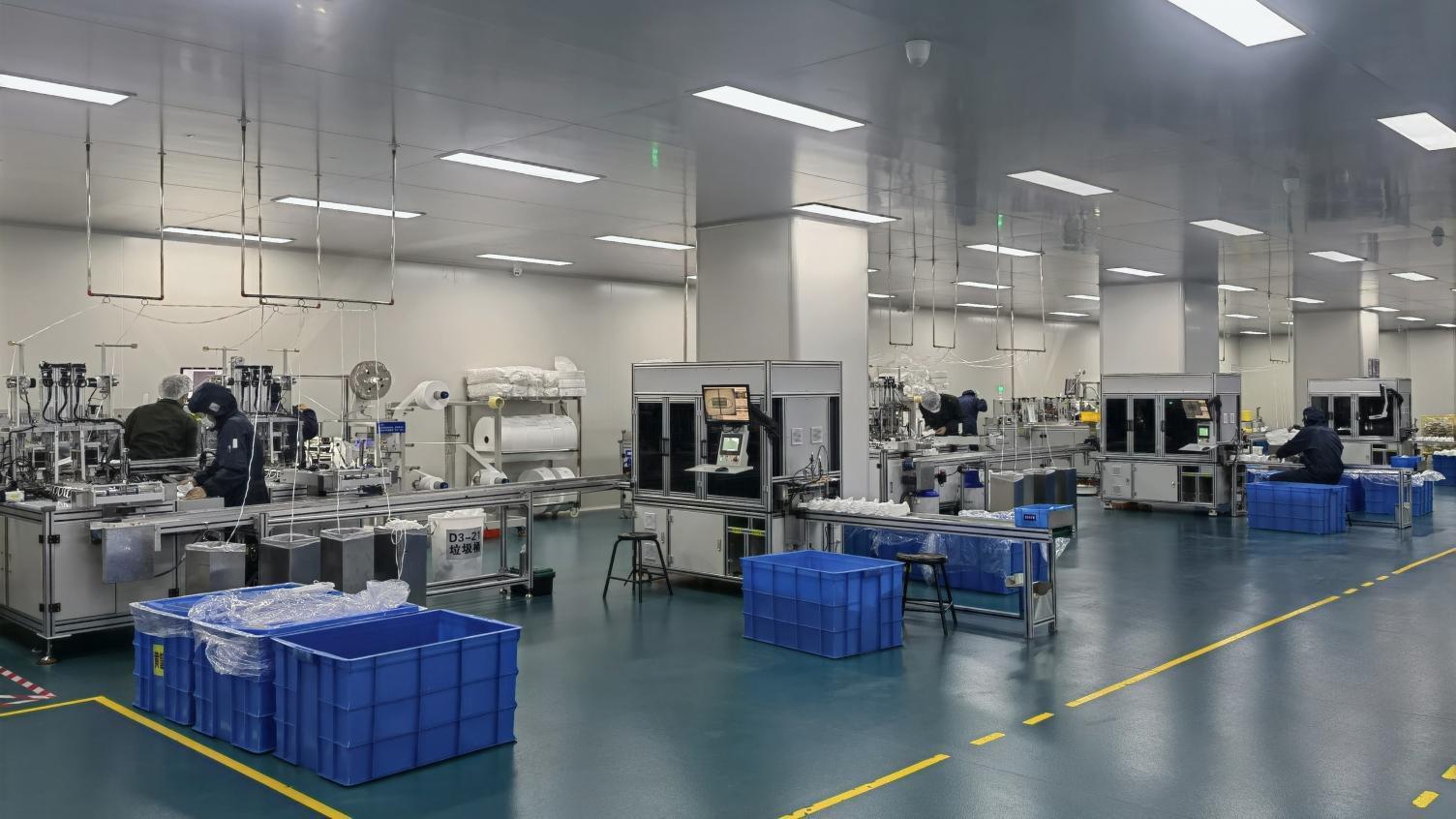
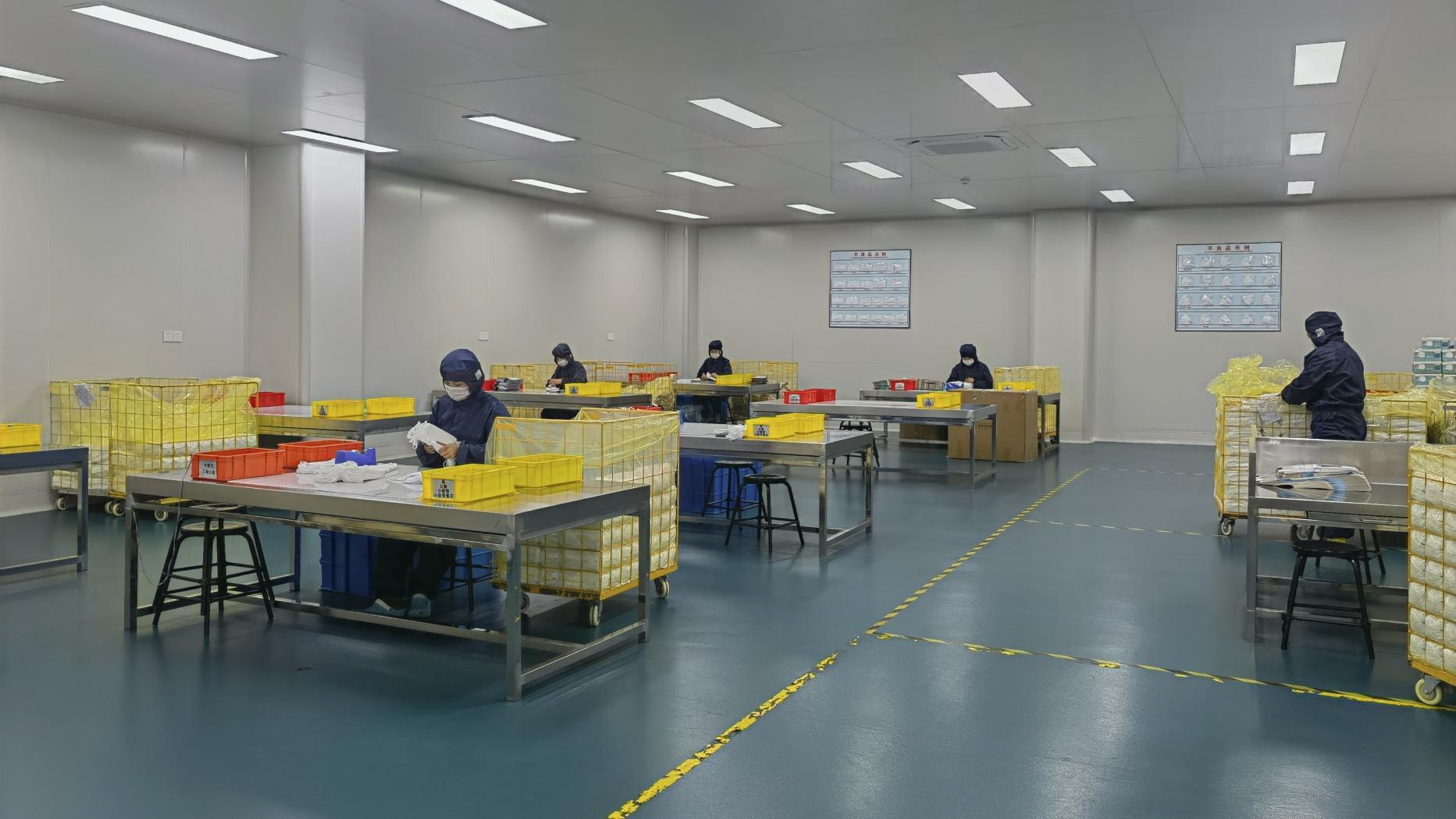
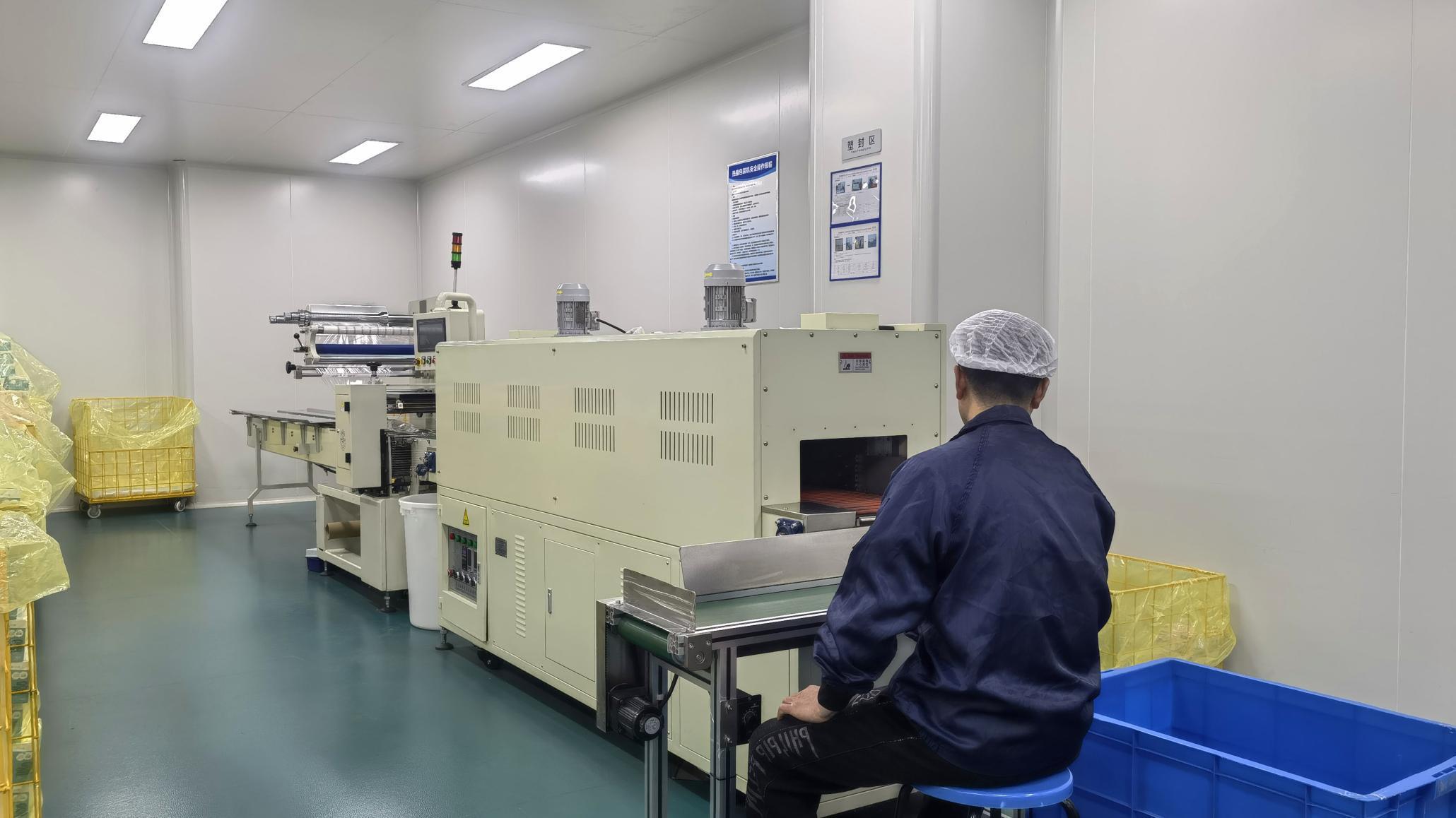
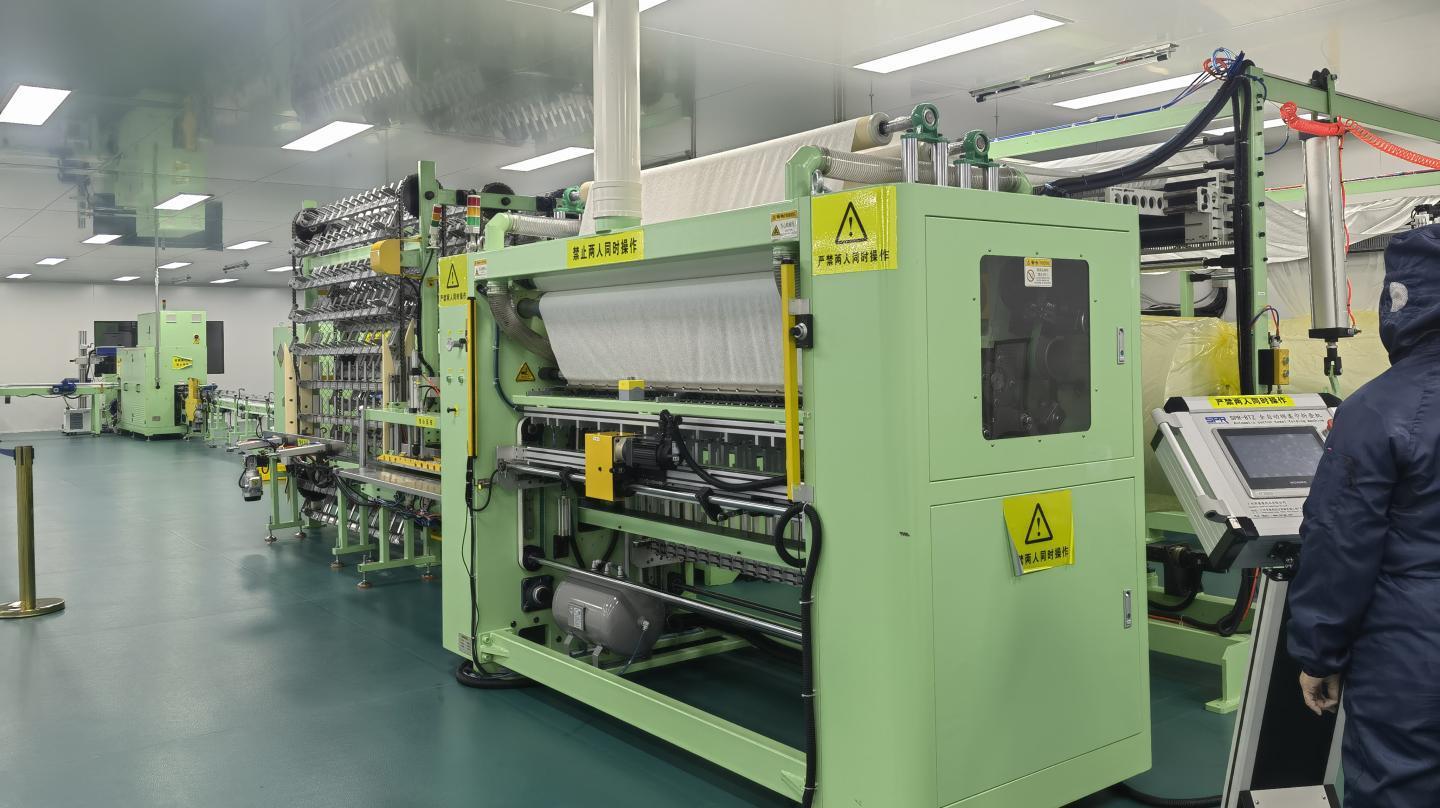
Our factory houses 5 fully automatic mask production machines and 12 semi-automatic mask production machines. Supported by an experienced team of technicians and quality assurance professionals, this equipment infrastructure ensures continuous, scalable output with minimal defect rates. By optimizing production workflows, we can scale operations to fulfill high-volume B2B purchase agreements, municipal tenders, and commercial OEM requests on tight lead times.
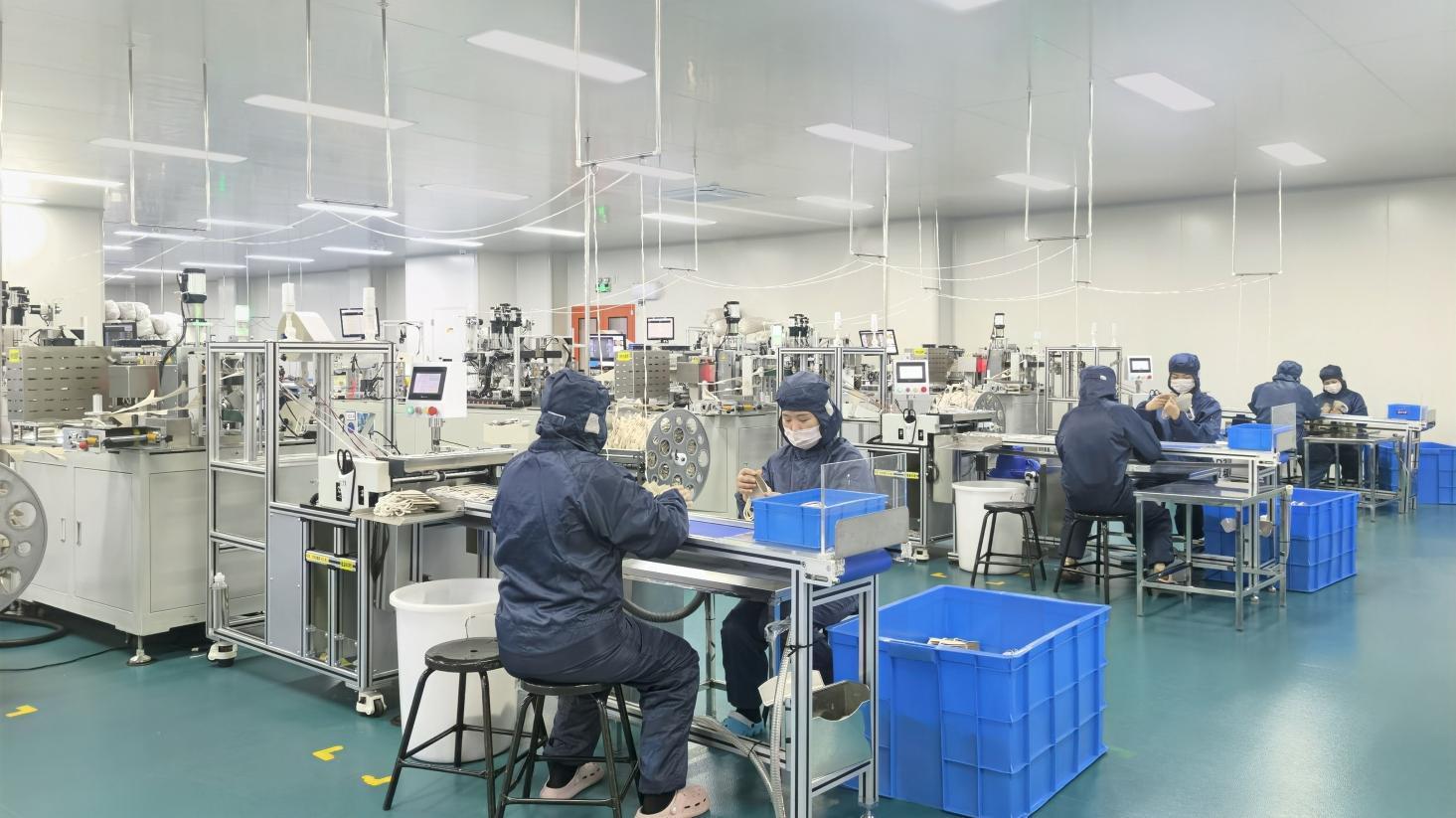

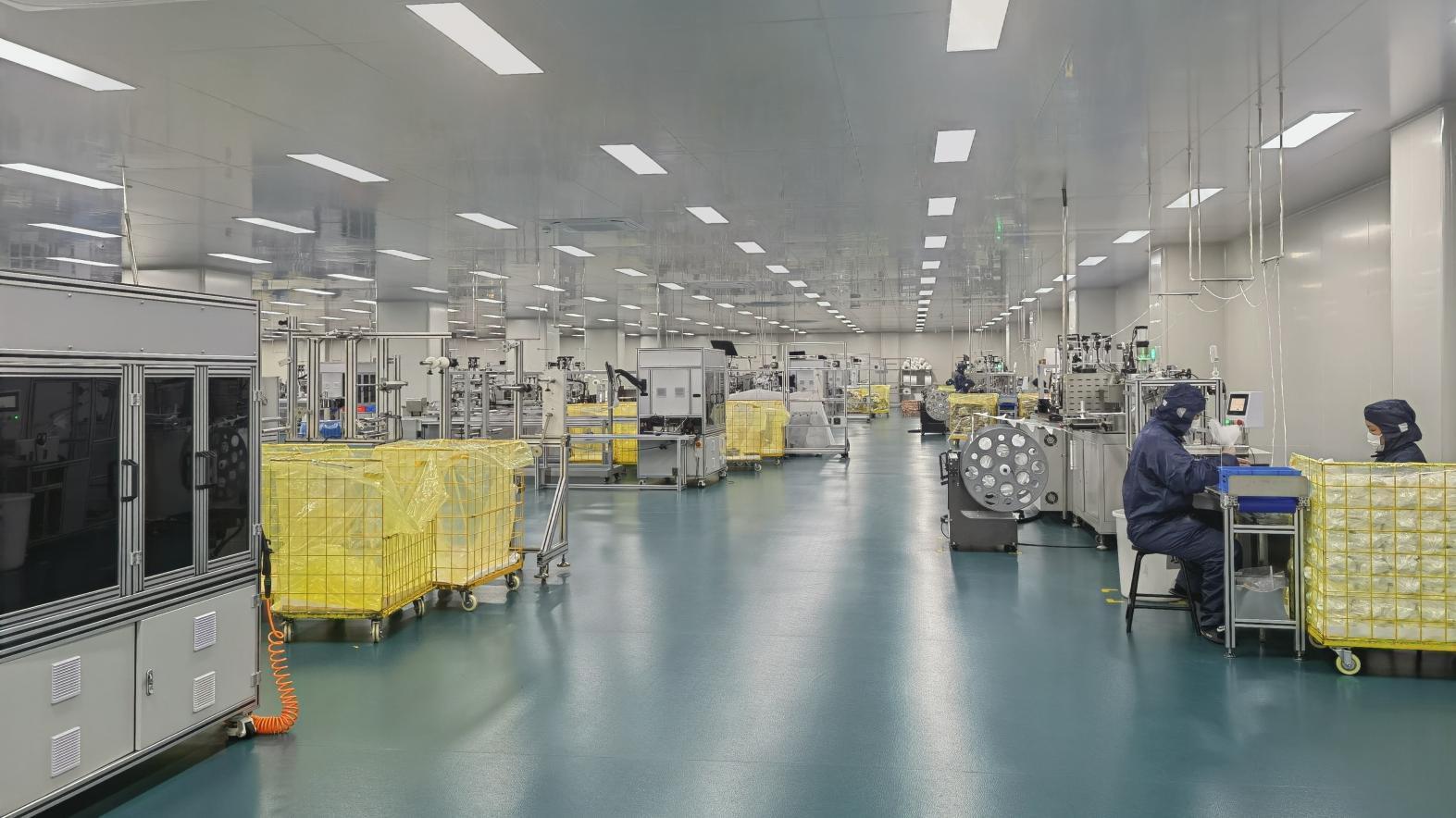
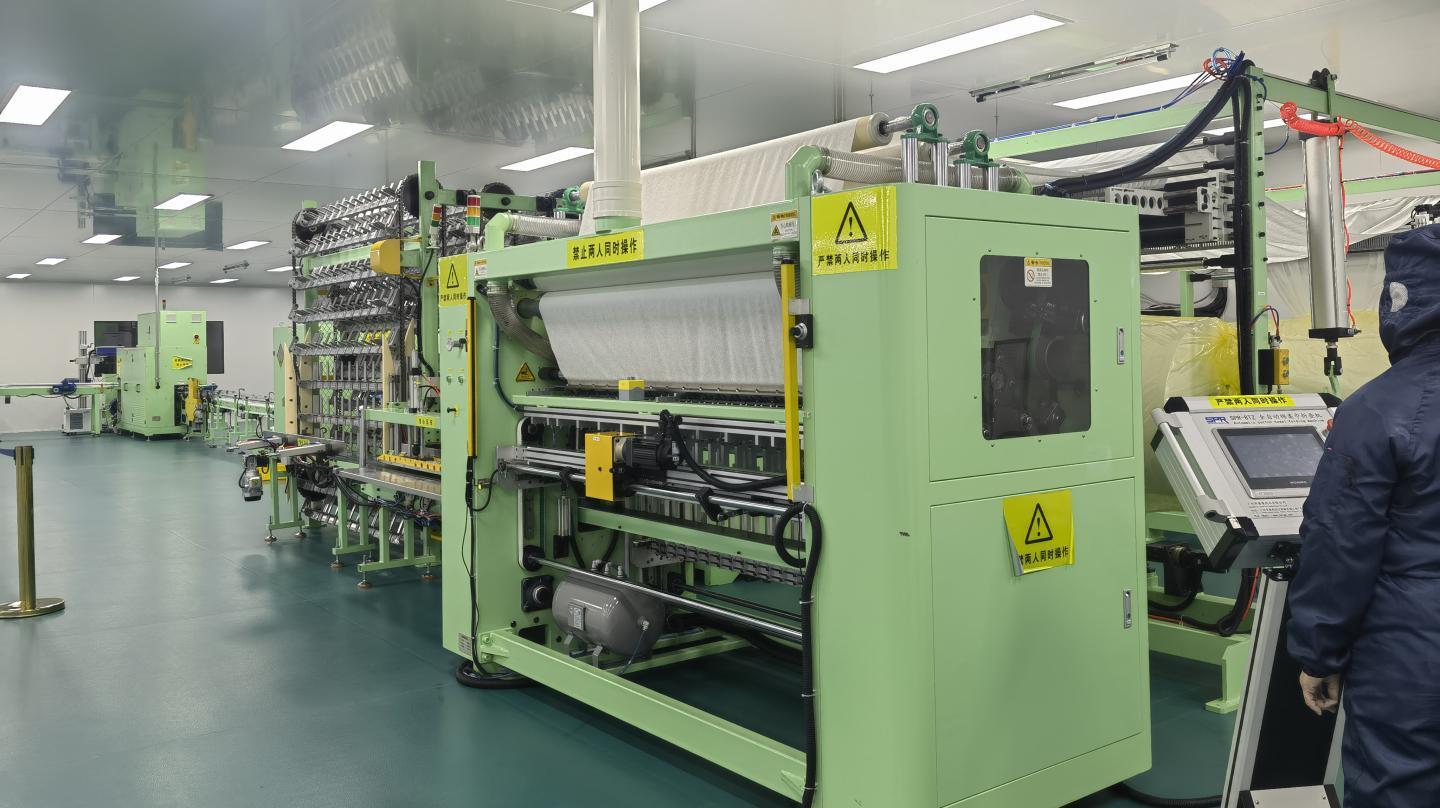

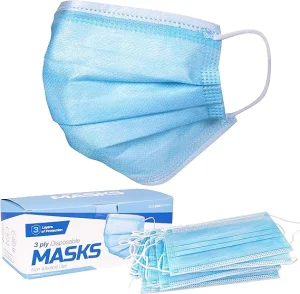
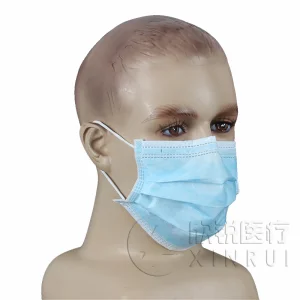
The performance of a mascarilla descartable is largely determined by the characteristics of its internal layers. A standard 3-ply mask uses a sandwich configuration consisting of three distinct layers of non-woven material:
1. The Spunbond Outer Layer (Hydrophobic): The exterior layer consists of a water-resistant polypropylene spunbond non-woven fabric. Its primary function is to repel fluids, blood, large droplets, and external sprays. This protects the interior filtration layer from saturation, which would degrade electrostatic performance.
2. The Meltblown Core (Electret Filtration): The middle layer represents the functional core of the mask. Meltblown fabric is produced by extruding molten polymer through ultra-fine nozzles using high-velocity hot air, creating a matrix of microfibers with diameters of less than 1–5 microns. During manufacturing, this layer is treated with a high-voltage corona discharge to embed a semi-permanent electrostatic charge (electret technology). This charge attracts and traps microscopic particulates and pathogens, ensuring high PFE without compromising breathability.
3. The Spunbond Inner Layer (Hydrophilic): The layer closest to the face is designed with soft, skin-friendly, hydrophilic polypropylene spunbond fibers. It absorbs moisture from exhaled breath, minimizing skin irritation and maintaining comfort during extended usage cycles in hospital or factory settings.
We source skin-friendly raw materials, ensuring that our finished masks pass tests for cytotoxicity, skin sensitization, and irritation under ISO 10993 standards.
Advanced meltblown fibers maintain minimal pressure drop, allowing clean airflow and reducing heat/moisture buildup in humid environments.
High-elasticity spandex-blend ear loops and integrated dual-core metal nose clips ensure a tight fit across various facial dimensions.
Zhejiang DrSharpe Health Co., Ltd. functions as a full-service manufacturing partner for global distributors. We recognize that different markets demand distinct brand positioning, packaging formats, and labeling styles.
Our OEM/ODM services provide complete flexibility over packaging structure (including retail-ready 50-pack boxes and individual sterile wrap options), custom logo printing on mask surfaces, and localized regulatory declarations in Spanish, French, German, or English. Operating close to major deep-water ports in East China, we facilitate reliable container loading, customs clearance, and document processing to prevent port delays in destination countries.
Supply Chain Security Note: Our dual focus on both dry tissues and wet tissues production lines allows us to offer comprehensive clinical hygiene solutions, helping B2B buyers consolidate mixed orders and lower overall ocean freight costs.
Clear answers on certification, manufacturing specs, and purchasing terms.
Medical masks must meet European Standard EN 14683, requiring testing for Bacterial Filtration Efficiency (BFE), breathing resistance (Differential Pressure), and microbial cleanliness. True CE-marked medical masks are classified as Class I medical devices in the EU and require registration under the Medical Device Regulation (MDR 2017/745). Non-medical masks do not undergo these evaluations and are designed for general hygienic or dust protection.
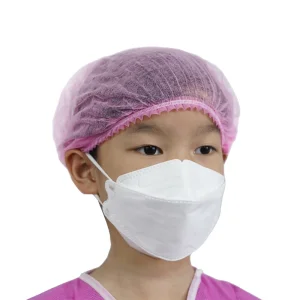
Yes, our catalog includes specialized designs such as the "2025 Kids Disposable Face Masks" and "White Kids Mask Fish Shape KN95 KF94". These models feature scaled-down dimensions and comfortable tension tolerances to ensure a secure facial seal for younger users.
We inspect each incoming raw material batch using calibrated particulate filtration testers. This ensures the fibers meet density and electrostatic electret charging targets before moving to the production floor. Completed lots are cataloged with raw material traceability numbers.
Our standard options include 50-piece inner boxes packed into 2000-piece export cartons, or individual sterile polybags for surgical use. We work with our B2B customers to customize graphics, barcodes, and multi-language instructions to meet local regulations.
Typically, our masks have a shelf life of 3 to 5 years when stored in their original, unopened packaging in a cool, dry place out of direct sunlight. Keeping the storage environment within recommended humidity limits prevents degradation of the electrostatic charges in the meltblown filtration layer.
Alternative shapes, sizes, and filtration ratings to fit specific regional medical and industrial needs.