DrSharpe Health
As global health concerns persist, the question arises: "When should you replace a disposable protective mask?" Many people wear surgical masks daily but often overlook their lifespan. Dr. Emily Chen, an expert in respiratory health, emphasizes, "Wearing a mask beyond its intended use compromises safety." This insight aligns with reports indicating that masks can lose effectiveness after just a few hours of use, especially in high-risk environments.
Industry data suggests that masks should be discarded if they become damp, visibly soiled, or after prolonged wear exceeding four hours. It’s important to understand that the protective capacity diminishes with time and exposure. Users should be mindful of these indicators to ensure their safety and the safety of those around them.
Moreover, relying on disposable masks requires a commitment to timely replacements. A mask may appear intact, yet its filtration efficiency wanes. Keeping track and learning when to replace your mask can significantly impact overall health outcomes. Awareness and diligence are key to effective protection in our ongoing health landscape.
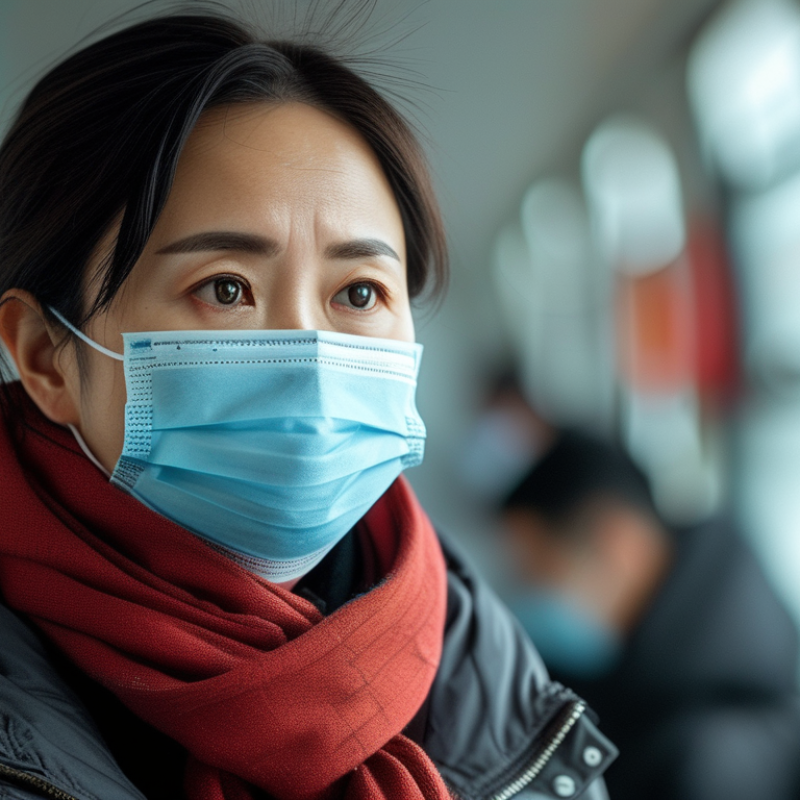
Disposable protective masks play a crucial role in our daily safety, especially in crowded environments. But how long can we rely on them? Several factors contribute to the longevity of these masks. One significant factor is the duration of use. Prolonged wear can lead to moisture buildup from breathing, reducing the mask's effectiveness. A mask soaked in moisture is less protective and can become a breeding ground for germs.
Another important aspect is the environment in which the mask is used. High levels of pollution or exposure to bodily fluids can degrade the mask materials more quickly. Additionally, touching the mask frequently can introduce oils and dirt, compromising its structure over time. It's helpful to observe the mask for visible signs of wear, like tears or discoloration, which indicate that it should be replaced.
Lastly, it's vital to consider storage conditions. Masks should be kept in clean, dry areas. Storing them in damp places can diminish their protective qualities. Regularly replacing your mask and being mindful of these factors can ensure effective protection. Reflect on the impact of your choices: do you prioritize a clean, safe option or simply rely on the same mask until it shows obvious wear? It's essential to stay aware.
Disposable protective masks are crucial for preventing the spread of infections. Knowing when to replace them is vital for maintaining effectiveness. Health experts suggest changing your mask regularly to ensure maximum protection.
Signs that indicate the need for replacement include visible damage. If the mask is torn, it cannot offer proper filtration. Discoloration is another key factor. A mask that has changed color may have degraded materials. According to a study by the American Society for Microbiology, masks can lose up to 80% of their effectiveness after six hours of use.
Moisture buildup is a significant concern as well. When masks become damp, they are less effective. They may even harbor bacteria. Regularly checking the fit is essential too. If a mask does not fit snugly against the face, it cannot filter out contaminants properly. It's advisable to inspect your mask frequently and replace it if any of these signs are evident. Keeping these factors in mind helps maintain your safety and health.
This chart illustrates the various signs and conditions that indicate when a disposable protective mask should be replaced. The data represents the urgency of replacement based on different factors, with a higher percentage indicating a stronger need for replacement.
Choosing the right time to replace your disposable protective mask is crucial for effective protection. Different mask types have unique recommended usage durations. For example, a typical surgical mask should ideally be used for a maximum of four hours. Studies indicate that beyond this timeframe, filtration efficiency can drop significantly.
N95 respirators, which offer a higher level of protection, are generally effective for up to eight hours of continuous use in non-aerosol generating situations. The CDC emphasizes that these masks should not be worn longer than necessary, as moisture and environmental exposure can compromise their integrity.
While it may be tempting to extend usage to save costs, consider the risks. Reusing a mask improperly may lead to higher exposure to pathogens. According to a report by the World Health Organization, masks lose their effectiveness after moisture accumulation. It's essential to evaluate the condition of your mask regularly. Are there visible damages or stains? If yes, replace it immediately. Investing in timely replacements is critical for maintaining safety and health.
Proper disposal of used disposable masks is crucial for public health. Many studies indicate that improper disposal can lead to increased environmental pollution and health hazards. Research from environmental agencies shows that up to 75% of used masks end up in landfills, contributing to plastic waste. This situation poses a risk to marine life and ecosystems.
To ensure safe disposal, masks should be treated as medical waste. Cutting the ear loops before disposal can prevent animals from becoming entangled. Seal the mask in a plastic bag before throwing it away. It's important to follow local regulations regarding disposal, as some areas have specific guidelines for hazardous materials.
While it may seem trivial, these small actions can have significant impacts. Proper disposal methods can reduce the spread of pathogens and help protect our environment. The CDC emphasizes that everyone plays a role in ensuring safety. By being mindful, we can make a difference in our communities.
| Condition | Action | Disposal Method |
|---|---|---|
| Damaged or Torn | Replace Immediately | Throw in General Waste |
| Moist or Wet | Replace Immediately | Throw in General Waste |
| After 4 Hours of Use | Replace | Throw in General Waste |
| After Exposure to Contaminants | Replace Immediately | Throw in Biohazard Waste |
| Visible Contamination | Replace Immediately | Throw in Biohazard Waste |
Environmental conditions significantly impact the efficacy of disposable protective masks. Heat and humidity can lead to moisture buildup. This creates a breeding ground for bacteria and reduces the mask's filtration capability. In cold and dry environments, the materials may become brittle. Brittle masks are less effective and may crack upon use.
Pollution also plays a role. Dust and chemical particles can accumulate on the mask surface. This accumulation can clog the mask’s pores, impairing airflow and protection. If you notice change in breathability or a deterioration in material quality, consider replacing your mask sooner.
Additionally, masks worn for extended periods in any environment lose their effectiveness. A wet or soiled mask offers inadequate protection. Regular checks are necessary to ensure optimal safety. Be mindful of how your surroundings affect mask integrity, and remain proactive in replacing them when needed.
: It's best to change your mask regularly for maximum protection, ideally every few hours.
Look for visible damage, discoloration, or a fit issue. These signs suggest reduced effectiveness.
Moisture can reduce filtration efficiency and harbor bacteria, making the mask less safe to use.
Treat them as medical waste, cut the ear loops, then seal in a plastic bag before disposal.
Heat and humidity can cause moisture buildup, while cold weather may make materials brittle and ineffective.
Wearing a mask beyond its useful period can lead to inadequate protection and increased risk of infection.
Yes, dust and chemical particles can clog a mask’s pores, impairing airflow and reducing protection.
Regularly check if it fits snugly against your face. If it doesn’t, replace it to maintain protection.
If your mask is damp, replace it immediately, as it can hinder safety and increase health risks.
Yes, follow local guidelines for hazardous waste to ensure safe disposal of used masks.
When should you replace a disposable protective mask? Several factors determine the longevity of these masks, including the type of material, the duration of use, and environmental conditions. Signs indicating it’s time for a replacement include visible damage, difficulty breathing, or a noticeable decrease in fit. Different mask types come with recommended usage durations; for instance, surgical masks should typically be replaced after a few hours, while N95 respirators can last longer under certain conditions.
Furthermore, environmental conditions such as humidity, temperature, and exposure to pollutants can significantly impact a mask's effectiveness. Proper disposal methods are crucial to prevent contamination and protect the environment, ensuring that used masks are disposed of safely in accordance with local guidelines. Overall, being aware of these factors will help ensure that disposable masks continue to provide effective protection.