DrSharpe Health
How to prevent skin irritation from wearing face masks begins with understanding what happens beneath the fabric. Warm air, sweat, oil, and repeated rubbing can leave the cheeks tender, the nose red, or the chin covered with small bumps. Even clean skin can react. The mask may look harmless.
Board-certified dermatologist Dr. Joshua Zeichner has explained, “The combination of heat, humidity, and friction can lead to irritation and breakouts.” This observation gives the topic a practical foundation. A useful routine includes washing the face with a gentle, fragrance-free cleanser, applying a light moisturizer, and choosing a soft, breathable mask. The mask should fit securely without pressing sharply into the skin. Replace damp masks promptly. Wash reusable masks after each use.
Small details matter. Avoid heavy makeup under the mask. Do not scrub irritated skin. Check the nose bridge and ear loops, where pressure often builds during a long day. If redness continues, pause new skincare products and seek advice from a qualified dermatologist. Persistent swelling, cracking, pain, or discharge deserves professional attention.
No routine works perfectly for everyone. Skin type, climate, mask material, and wearing time can change the result. I would not promise instant improvement. A better goal is fewer triggers, gentler habits, and careful observation. Your skin may still complain sometimes. Listen early. That may prevent a minor irritation from becoming a stubborn problem.
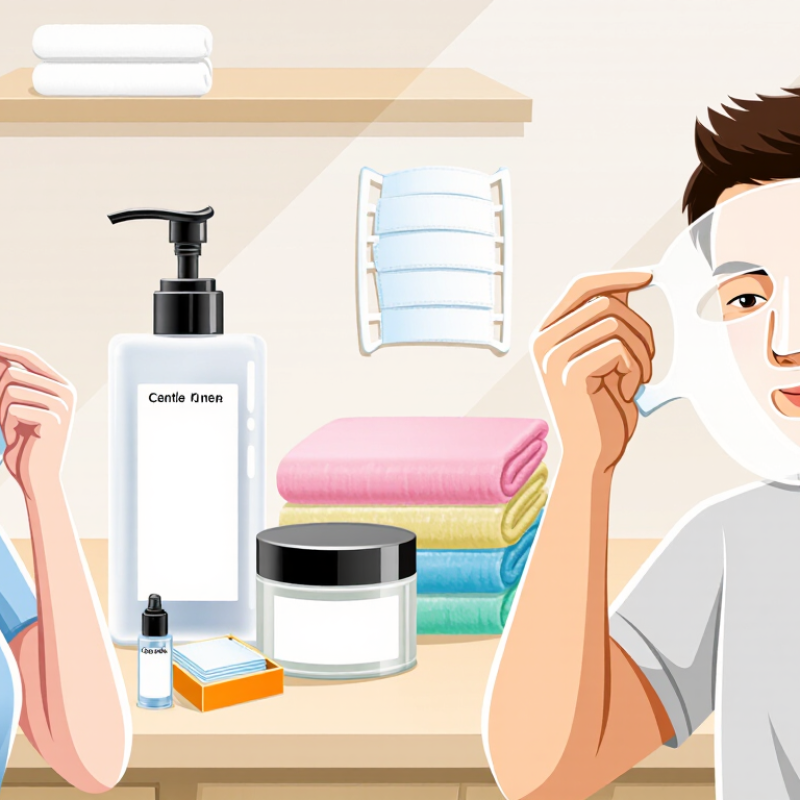
Understanding how face masks cause skin irritation starts with the skin’s daily environment. A mask creates warmth, humidity, and repeated friction across the nose, cheeks, and chin. Pressure from tight edges can weaken the skin barrier. Sweat and saliva may then increase stinging or redness.
The problem is not always the mask material. Movement matters too. Speaking, sweating, and adjusting the mask can create tiny areas of rubbing. Occlusion may also trap oil and dead skin, worsening acne-like bumps.
The American Academy of Dermatology recommends gentle cleansing, regular moisturising, and avoiding harsh products when irritation appears. Wash reusable masks thoroughly, remove detergent residue, and replace damp masks promptly. Disposable masks should not be reused when visibly soiled.
A mask should feel secure, not abrasive. I sometimes focus too much on fabric and overlook pressure from the nose area. That is an easy mistake.
Try a softer skincare routine for several days, and avoid scrubs, fragrances, or strong exfoliants during recovery. If cracks, swelling, pain, or persistent itching develop, seek advice from a qualified dermatologist.
CDC guidance also emphasizes proper fit and clean, dry masks, but comfort must not compromise required protection.
A mask can irritate skin when its fabric rubs the cheeks or holds warm moisture against the face. I noticed redness first around my nose and behind my ears. The material mattered more than I expected.
Choose a mask with a smooth, soft inner layer and enough space around the nose and mouth. A close fit is important, but excessive tightness creates pressure points. Adjustable ear loops can reduce pulling. Masks made from rough fabric may feel harmless at first. After several hours, they can leave tiny sore areas.
Less moisture helps. Look for breathable, moisture-wicking fabric, especially if you commute, exercise lightly, or work in a warm room. Replace a damp mask rather than wearing it longer. Wash reusable masks after each use with fragrance-free detergent, then rinse thoroughly. Strong scents can irritate sensitive skin.
Fit still requires judgment. A mask that leaks air around the edges may need adjustment, not immediate replacement. However, gaps should not be solved by tightening it until the skin hurts. I once focused too much on protection and ignored discomfort. That was a mistake. Skin needs breaks when safely possible. Clean, dry hands should touch the mask, and makeup or heavy creams under it may increase rubbing. Even a well-designed mask cannot prevent every reaction, so persistent swelling, cracking, or painful rash deserves professional medical advice.
How to Prevent Skin Irritation from Wearing Face Masks
Preparing and Cleaning the Skin Before Wearing a Mask
Clean skin is the first barrier against mask-related irritation. Wash your face with lukewarm water and a gentle, fragrance-free cleanser. Use your fingertips, not a rough cloth. Pat dry carefully, especially around the nose and cheeks. The American Academy of Dermatology recommends avoiding scrubs, alcohol-based products, and strong exfoliating acids before masking.
Moisturize next. Choose a simple, non-comedogenic cream with ingredients such as ceramides or glycerin. Apply it at least 30 minutes before wearing the mask, allowing the product to absorb. A thin layer matters. Excess cream can increase friction and trapped moisture. This step is easy to overdo. I have seen people apply several products, then blame the mask for burning skin.
A 2020 survey published in the Journal of the American Academy of Dermatology found that 97% of 542 healthcare workers reported mask-related skin damage. The figure highlights the value of prevention, not panic. Wash your hands before touching your face or mask. Check that the mask sits smoothly without pressing sharply into the skin. After removal, cleanse gently and moisturize again. If redness, swelling, cracking, or pain continues, consult a qualified dermatologist rather than repeatedly changing products.
| Preparation or Cleaning Step | Recommended Practice | When to Do It | How It Helps Prevent Irritation | Important Precaution |
|---|---|---|---|---|
| Wash your hands | Clean your hands with soap and water for at least 20 seconds, or use an alcohol-based hand sanitizer when soap and water are unavailable. | Before touching your face or putting on a mask. | Reduces the transfer of dirt, oils, and microorganisms to the skin and mask. | Allow sanitizer to dry completely before handling the mask. |
| Cleanse gently | Use lukewarm water and a mild, fragrance-free cleanser. Rinse thoroughly and pat the skin dry instead of rubbing. | Before wearing a mask and after removing it, especially after sweating. | Removes sweat, excess oil, and residue without unnecessarily stripping the skin barrier. | Avoid hot water, facial scrubs, exfoliating brushes, and vigorous rubbing. |
| Moisturize the skin barrier | Apply a light, fragrance-free moisturizer to clean, dry skin. Choose a non-comedogenic formula if you are prone to clogged pores. | After cleansing and before putting on the mask. | Helps reduce dryness and friction by supporting the skin barrier. | Avoid applying a thick, greasy layer immediately before masking if it increases slipping or heat. |
| Avoid irritating products | Limit use of products containing strong fragrances, alcohol, harsh exfoliating acids, retinoids, or other ingredients that already irritate your skin. | While the skin is irritated or before extended mask use. | Reduces the likelihood of stinging, redness, peeling, and inflammation under occlusion. | Do not start several new skin-care products at the same time. |
| Check the mask before use | Use a clean, dry mask that fits securely without excessive tightness. Check for rough seams, damaged edges, or visible dirt. | Every time before putting on a mask. | Reduces friction, pressure, and contact with contaminants. | Do not wear a mask that is wet, visibly soiled, damaged, or difficult to breathe through. |
| Keep the mask dry | Replace the mask when it becomes damp from breathing, sweat, or other moisture. | During use whenever the mask becomes wet. | Moisture can increase friction and may contribute to skin softening and irritation. | Use a clean replacement mask; do not repeatedly reuse a disposable mask. |
| Clean reusable masks | Wash reusable cloth masks after each use according to the care instructions, then dry them completely before reuse. | After every wearing. | Removes sweat, skin oils, cosmetics, and microorganisms that may irritate the skin. | Do not wear a reusable mask while it is still damp. |
| Handle masks correctly | Touch the mask mainly by its ear loops, ties, or straps. Avoid touching the front while wearing it. | When putting on, adjusting, or removing the mask. | Limits transfer of contaminants to the mask and facial skin. | Wash or sanitize your hands after removing the mask. |
| Reduce friction and pressure | Adjust the mask so it seals appropriately without unnecessary rubbing. If safe and permitted, take mask breaks in a clean, physically separated area. | Throughout mask use. | Helps limit pressure-related redness, chafing, and soreness. | Never remove a mask where doing so could expose you or others to respiratory hazards. |
| Care for irritated skin | Stop irritating products, cleanse gently, moisturize, and avoid scratching or picking the affected area. | When redness, burning, dryness, cracking, or soreness develops. | Supports recovery and helps prevent worsening inflammation or skin-barrier damage. | Seek medical advice for severe pain, swelling, blisters, pus, spreading redness, breathing difficulty, or symptoms that do not improve. |
Heat and sweat can turn the space under a mask into a small, humid chamber. Friction then affects the nose, cheeks, and behind the ears. I once washed my face repeatedly after sweating, thinking it would help. It only made the tightness worse. A gentle, fragrance-free cleanser is usually safer than scrubbing. Pat the skin dry, then apply a light, non-comedogenic moisturizer before masking. Give it time to absorb.
A 2020 peer-reviewed survey in Contact Dermatitis reported skin damage among 97% of healthcare workers wearing protective equipment. Dryness affected 70.3%, while facial itching affected 56.6%. These figures describe clinical workers, not everyone. Still, they show why heat and moisture deserve attention.
Replace a disposable mask when it becomes damp or visibly soiled. Wash reusable masks according to their care instructions, and avoid fabric softeners if they leave residue. A secure fit matters, but excessive pressure can create painful rubbing. Small adjustments help.
Take brief mask-free breaks only where public-health guidance allows and the area is safe. Avoid heavy makeup and strong exfoliating acids during flare-ups. Stop using any product that causes burning.
Persistent swelling, cracking, oozing, or worsening acne needs evaluation by a qualified dermatologist. Advice can fail when skin conditions differ.
Monitor the pattern for several days: note heat, sweating, mask material, and symptom location. That record can make professional guidance more precise.
Redness often appears where the mask touches the nose, cheeks, and jaw. Sweat, friction, trapped oil, and repeated mask use can weaken the skin barrier. Wash your face gently with lukewarm water before wearing a mask. Avoid scrubs, strong fragrances, and newly introduced products on mask-wearing days. Small changes matter. Choose a clean, dry mask that fits securely without pressing deeply into the skin. Replace it when damp or visibly soiled.
Pay attention to timing and severity. If irritation improves during a safe break, remove the mask briefly and let your skin dry. Do not remove it where protection is required. A short break may help, but repeated redness suggests that your routine needs adjustment.
I used to assume every rash came from the mask material. That was too simple; cleanser, sweat, and shaving can also contribute. Keep a brief record of when symptoms appear and what touched your skin.
Seek medical advice if burning, cracking, swelling, or itching continues after several days of careful changes. Painful bumps, yellow drainage, spreading redness, or fever may signal infection. Do not wait. Get urgent help for facial swelling, wheezing, or trouble breathing. A clinician can distinguish irritation from allergic dermatitis, acne, or another condition. Ask about safer mask alternatives only when they still meet your workplace or public-health requirements.
Choose a smooth, soft inner layer with space around the nose and mouth. A close fit helps. Avoid excessive tightness and rough fabric. Adjustable ear loops may reduce pulling.
Select breathable, moisture-wicking fabric for warm rooms or light exercise. Replace a damp mask promptly. Do not keep wearing it.
Wash with lukewarm water and a gentle, fragrance-free cleanser. Use your fingertips. Pat dry around the nose and cheeks. Apply a thin moisturizer layer.
Apply a simple, non-comedogenic moisturizer at least 30 minutes before wearing the mask. Let it absorb fully. Too much cream may increase rubbing and trapped moisture.
Avoid scrubs, alcohol-based products, strong exfoliating acids, and heavily scented products. Burning is a warning. Stop any product that causes it.
Cleanse gently instead of washing repeatedly or scrubbing. Pat the skin dry. I once over-washed after sweating, and the tightness worsened. That approach failed me.
Wash reusable masks after each use with fragrance-free detergent. Rinse thoroughly. Avoid fabric softeners if they leave residue. Follow the fabric care instructions.
Adjust the fit carefully before replacing the mask. Do not tighten it until your skin hurts. Protection and comfort both matter. I previously ignored discomfort for too long.
Consult a qualified dermatologist for persistent swelling, cracking, oozing, pain, or worsening acne. A rash that keeps spreading needs attention. Mask advice cannot fit every skin condition.
How to prevent skin irritation from wearing face masks begins with understanding how friction, pressure, trapped moisture, heat, and sweat can weaken the skin barrier. Choose a clean, breathable mask that fits securely without feeling overly tight, and avoid rough or damp materials. Before wearing it, gently cleanse your face, pat it dry, and apply a light, fragrance-free moisturizer to reduce rubbing. Avoid heavy products that may increase clogged pores or discomfort.
During use, take safe breaks when appropriate, especially in hot or humid conditions, and replace the mask if it becomes wet or dirty. Wash reusable masks regularly and handle irritated skin gently—do not scrub, scratch, or apply harsh treatments. If redness, itching, pain, swelling, or breakouts continue, worsen, or show signs of infection, adjust the mask’s fit and consult a qualified medical professional for personalized advice.
