DrSharpe Health
In the ongoing battle against airborne pathogens, understanding mask efficacy is essential. A common question arises: "What is the difference between a KN95 mask and a surgical mask?" Industry experts have weighed in on this crucial topic. Dr. John Smith, a leading epidemiologist, states, “KN95 masks offer superior filtration compared to surgical masks, but proper fit is key for effectiveness.”
According to the Centers for Disease Control and Prevention (CDC), KN95 masks filter out at least 95% of airborne particles. This level of protection can be critical in high-exposure settings. On the other hand, surgical masks mainly protect against respiratory droplets, with lower filtration efficacy. A report from ASTM International highlights that while surgical masks are essential for healthcare settings, their effectiveness against smaller particles is limited.
The choice between a KN95 and a surgical mask should be made carefully. Understanding the nuances can impact health outcomes. It’s important to reflect on these choices, as improper use can reduce the benefits of masks. The statement by Dr. Smith invites us to rethink our selection in the face of evolving health challenges.
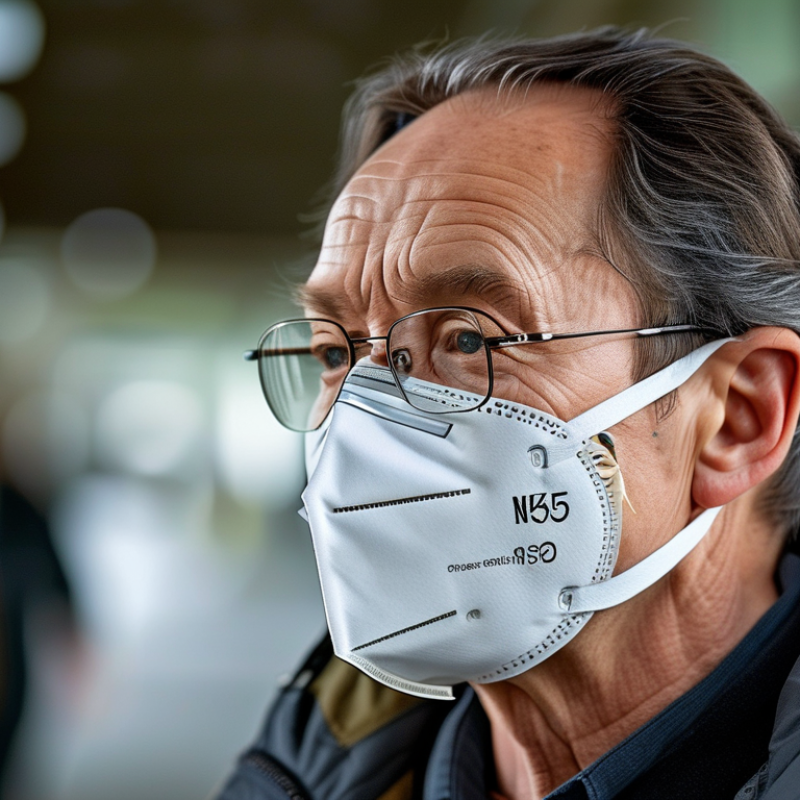
KN95 masks are designed to provide a higher level of protection compared to standard surgical masks. These masks filter out at least 95% of airborne particles, according to the CDC. This includes droplets that may carry viruses or bacteria. The fit of a KN95 mask is also more secure, which helps to minimize exposure to outside contaminants.
One key feature of KN95 masks is their ability to form a tight seal around the face. This prevents unfiltered air from leaking in. Studies show that fit is critical; a well-fitted mask can enhance protection by up to 95%. This makes KN95 masks particularly valuable in high-risk settings, like hospitals or crowded indoor spaces.
Additionally, KN95 masks often undergo rigorous testing standards. The FDA and NIOSH provide guidelines for their production. However, inconsistencies exist in manufacturing, and not all KN95 masks are created equal. Buyers should look for proper certifications to ensure they receive effective protection. Awareness of these details can help individuals make informed decisions about their health and safety.
Surgical masks are designed to provide effective protection in medical environments. They serve as a barrier between the wearer’s mouth and nose and potential contaminants. According to the American Society for Testing and Materials (ASTM), these masks must meet strict performance requirements. They filter out large particles, droplets, and splashes. Yet, they are not as tight-fitting as respirators, which means they may allow some unfiltered air in.
The filtration capability of surgical masks varies by type. A study from the Journal of Hospital Infection shows that standard surgical masks filter out about 60-80% of particles. This level is effective for many medical procedures. However, in settings where higher protection is necessary, surgical masks may fall short.
Comfort is another key feature. Surgical masks typically have ear loops or ties for ease of wear. They are often fluid-resistant, which is crucial in clinical settings. Yet, many users find that prolonged use can lead to discomfort or skin irritation. This highlights the need for improvements in mask design and materials. Understanding these features allows consumers to make more informed choices about mask usage.
When comparing KN95 masks and surgical masks, the filtration efficiency is crucial. KN95 masks are designed to filter out at least 95% of airborne particles, including viruses and bacteria. They offer a tighter fit, reducing the chances of leakage. This type of mask is particularly effective in environments with high exposure risks, such as hospitals or crowded areas.
Surgical masks, on the other hand, have a lower filtration efficiency, typically around 60-80%. They are primarily designed to protect patients from potential contaminants exhaled by healthcare workers. While they do provide some level of protection, their loose fit means they may allow particles to enter from the sides.
**Tips:** Always ensure a proper fit when wearing a KN95 mask. Check for any gaps around the edges. For surgical masks, replace them regularly, especially if they feel damp or soiled. Remember, masks are just one layer of protection. Good hand hygiene and social distancing remain essential.
When comparing KN95 masks and surgical masks, fit and comfort play crucial roles. KN95 masks offer a tight fit that creates a seal around the face. According to the CDC, this snug fit can filter out at least 95% of airborne particles. This characteristic is especially important in high-risk environments. However, the close fit may lead to discomfort during prolonged use, causing issues like irritation on the skin.
Conversely, surgical masks are easier to wear for extended periods. They are designed to be loose-fitting and comfortable. A study published in the Journal of Hospital Infection showed that surgical masks are effective in blocking droplets but provide less protection against smaller aerosol particles. The loose fit can allow unfiltered air to enter around the sides. This gap might lessen the mask's overall effectiveness, especially in crowded or high-exposure settings.
While KN95 masks are excellent for filtration, they can feel restrictive. Users often report difficulty in breathing, particularly during physically demanding tasks. Surgical masks, though comfortable, may not provide adequate protection in certain situations. Balancing comfort with safety is essential for mask-wearing efficiency. Each mask has its strengths and weaknesses, and personal preferences will differ based on individual needs.
When choosing between KN95 masks and surgical masks, understanding the appropriate usage scenarios is crucial. KN95 masks provide a higher filtration efficiency, typically filtering out at least 95% of airborne particles. According to the CDC, these masks fit snugly to the face, offering better protection against respiratory droplets. They are recommended for environments with people who are suspected to be infected or are symptomatic. Healthcare workers and people in close contact with high-risk individuals should opt for KN95 masks.
Surgical masks are widely used in medical settings to protect against droplet transmission. They offer a lower level of filtration compared to KN95 masks but still provide adequate protection for many everyday situations. A report from the World Health Organization indicates that surgical masks are suitable for use in clinical environments where the risk of exposure to bodily fluids is lower. These masks are ideal for routine visits to hospitals or healthcare facilities but may not be sufficient in high-risk areas with airborne hazards.
Both types of masks have their limitations. Proper fit is essential for KN95 effectiveness, but some users may find them uncomfortable over long periods. Surgical masks can be less effective in filtering smaller particles. It’s important to assess the specific scenario and individual comfort when selecting a mask type. Regularly revisiting mask guidelines can ensure the best protection for yourself and others.
| Feature | KN95 Mask | Surgical Mask |
|---|---|---|
| Filtration Efficiency | ≥95% particle filtration | ~80% particle filtration |
| Fit and Seal | Tight fit, better seal | Loose fit, less effective seal |
| Usage Duration | Up to 8 hours (single use) | Single-use, discard after use |
| Recommended Usage Scenarios | High-risk environments, healthcare settings | General public use, low-risk situations |
| Moisture Resistance | Moderate resistance | May retain moisture |
: KN95 masks filter at least 95% of airborne particles, providing higher protection than standard masks.
They form a tight seal around the face, minimizing unfiltered air from leaking in during use.
The tight fit may cause discomfort and skin irritation during prolonged wear.
Surgical masks filter about 60-80% of particles, which is sufficient for many medical situations.
Surgical masks have a loose fit, allowing some unfiltered air to enter around the sides.
Surgical masks typically include ear loops or ties for easier wear but may cause skin irritation over time.
Consider the environment, comfort, and level of protection needed; each mask has its strengths and weaknesses.
No, inconsistencies exist in manufacturing; look for proper certifications to ensure quality.
Users may experience discomfort or irritation, indicating a need for better design and materials.
Knowing the differences helps individuals make informed choices about health and safety.
When considering masks for protection, understanding "What is the difference between a KN95 mask and a surgical mask" is essential. KN95 masks feature a higher filtration efficiency, capable of filtering out approximately 95% of airborne particles, while surgical masks primarily protect against large droplets and are less effective against finer particles. Moreover, KN95 masks provide a snugger fit, ensuring better seal and less air leakage, which enhances their overall efficacy. In contrast, surgical masks prioritize comfort and ease of use, making them suitable for environments where sterility is vital, such as in medical settings.
Both mask types serve distinct purposes. KN95 masks are recommended for use in high-risk settings and during situations where exposure to airborne particles is heightened. Conversely, surgical masks are ideal for use in healthcare environments to protect others from the wearer's respiratory droplets. Understanding these differences helps individuals select the appropriate mask for their specific needs and circumstances.
