DrSharpe Health DrSharpe Health

How to Choose the Right Face Mask Size for Children?

Time:2026-10-10 Author:Charlotte
0%

Choosing the right face mask size for a child is more than selecting the smallest package on the shelf. A mask should sit gently across the nose, cheeks, and chin, without slipping when the child talks, laughs, or turns their head. “A mask should fit snugly but comfortably,” says Dr. Leana Wen, an emergency physician and public health expert. Her practical point matters because comfort often decides whether a child keeps the mask positioned correctly.

Why children struggle with adult-sized face masks becomes clear during an ordinary school morning. The ear loops may hang loosely. Fabric can fold near the eyes. A large mask may leave gaps beside the cheeks, while a tight strap can press behind small ears. Children also have shorter noses and smaller jawlines than adults. One mask cannot suit every face.

Measure carefully.

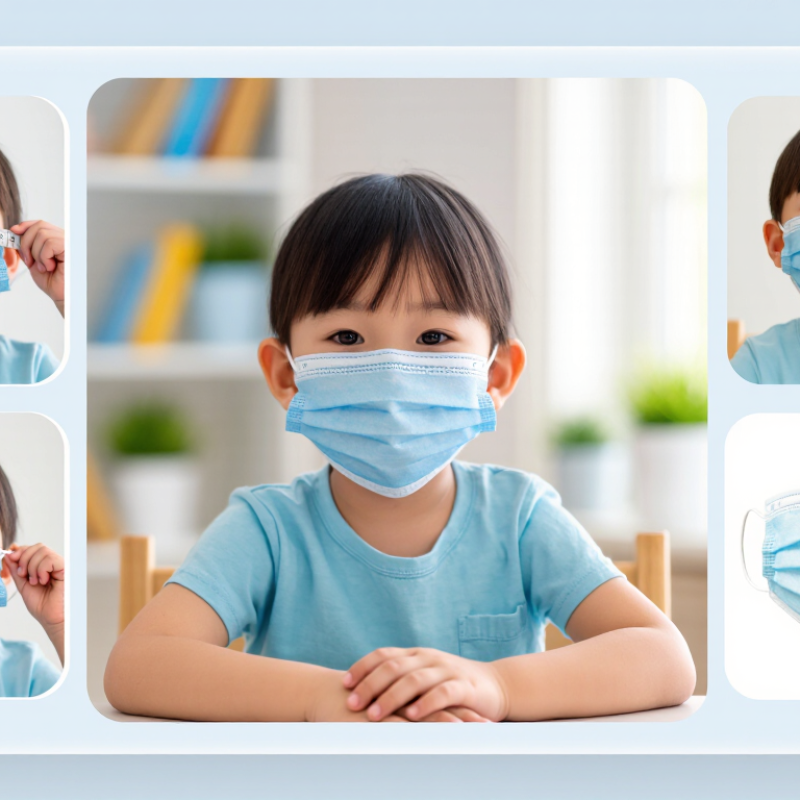
Check the mask while your child speaks and breathes normally. The top edge should stay below the eyes, and the bottom should reach under the chin. There should be no open spaces at the sides. A child should not need to pull the mask repeatedly. That is a warning sign.

Fit is not perfect science. Face shapes change quickly, and sizing labels vary between brands. Parents may need to test two or three designs before finding a stable fit. Recheck the mask after washing, stretching, or extended use. The best choice is secure, breathable, comfortable, and easy for the child to handle independently.

How to Choose the Right Face Mask Size for Children?

Understanding Children’s Face Mask Size and Fit

How to Choose the Right Face Mask Size for Children?

Understanding Children’s Face Mask Size and Fit

Choosing a children’s face mask involves more than checking an age label. Children’s faces vary widely, even within the same age group. A mask should cover the nose, mouth, and chin without pressing painfully against the cheeks. The edges should sit close to the skin. Gaps near the nose or jaw can reduce its protective function.

A simple fit check helps. Ask the child to breathe normally, speak, and turn the head gently. Watch for slipping, pinching, or exposed skin around the sides. The ear loops should feel secure, not painfully tight. If the child repeatedly touches the mask, the size or design may be uncomfortable. Comfort matters. An uncomfortable mask is often worn incorrectly.

Sizing charts can guide a choice, but they are not infallible. Face shape, ear position, and nose height can change the fit. I would check the mask again after washing the child’s face or adjusting the loops. Children grow quickly, and yesterday’s good fit may become loose. Replace a damp, dirty, or damaged mask according to the product instructions. An adult should supervise younger children and follow current public health advice. Never force a mask on a child who has difficulty breathing or cannot remove it safely.

Measuring a Child’s Face Accurately

How to Choose the Right Face Mask Size for Children?

Measuring a child’s face accurately is more reliable than trusting an age label. I used to treat those labels as exact, but children grow unevenly. Use a flexible tape, not a ruler with sharp edges. Measure from the nose bridge to about one centimeter below the chin. Then measure across the face, from one cheek area to the other, while the child looks forward. Repeat each measurement twice. Small errors happen.

Record the larger result. The mask should cover the nose, mouth, and chin without touching the eyes. Check the mirror: gaps near the cheeks, nose, or chin usually indicate poor sizing. Ask the child to speak and turn their head. The mask should stay in place without constant adjustment. Tight ear loops are not a real solution. They can cause discomfort and create side gaps.

Professional guidance adds important context. NIOSH uses a 95% filtration benchmark for approved N95 respirators, but filtration performance does not prove a child’s mask fits correctly. The 2020 WHO-UNICEF guidance generally advises against routine mask use for children under five, while decisions for ages six to eleven should consider risk and supervision. Local pediatric guidance still matters. Never rely on appearance alone. A practical check is useful, but it is not perfect.

Matching Measurements to Mask Dimensions

Choosing the right face mask size for a child starts with measurements, not age alone. Children’s faces vary widely, even within the same grade. Measure from the center of the nose bridge to just below the chin. Then measure across the face from one cheek area to the other. Keep the tape or ruler gently against the skin.

Use these numbers to compare the mask’s listed height and width. Do not assume a larger mask offers better protection. Extra fabric can fold near the eyes or leave gaps beside the nose. A smaller mask may pull at the ears and slide below the chin. Fit should feel secure, but never painfully tight.

Check the mask while the child speaks, smiles, and turns the head. The edges should stay close to the face without blocking vision. The nose, mouth, and chin should remain covered. A ruler is not perfect. Hair, movement, and facial shape can affect the result. I once measured only the face width and missed the child’s longer nose-to-chin distance. That mistake caused the mask to ride upward. Recheck the fit after washing or repeated use, because fabric shape and ear loops can change. Children should be able to breathe comfortably and remove the mask safely when needed.

Checking Comfort, Coverage, and Seal

Choosing a child’s face mask size starts with comfort, coverage, and a reliable seal. The mask should cover the nose, mouth, and chin without pressing painfully against the cheeks. WHO and UNICEF guidance recommends considering age, supervision, and the child’s ability to use a mask safely. A mask that slips during conversation is not the right size.

Check the seal in a mirror. Look for gaps beside the nose, under the eyes, and near the jaw. The upper edge should sit securely without blocking vision. ASTM F3502-21 sets a minimum filtration efficiency of 70% for approved barrier face coverings, but laboratory performance depends on fit. A CDC laboratory report found that improving the seal increased particle blocking from about 56.1% to 85.4% in tested combinations. The figures are useful, not a guarantee for every child.

Ask the child to breathe, speak, smile, and turn their head. Watch for fogged glasses, ear discomfort, or repeated touching. These small signs often reveal a poor fit. The mask should feel stable, not tight. Replace it when damp, stretched, or visibly dirty. Children grow unevenly, so yesterday’s comfortable fit may fail next month. I would recheck the size regularly, even when the mask still looks usable. A careful fit test at home is imperfect, but it is better than judging size by age alone.

How to Choose the Right Face Mask Size for Children?

A properly sized child’s mask should fully cover the nose, mouth, and chin, remain comfortable, and fit closely without visible gaps.

Each bar represents a required fit condition. Choose a mask size that meets all four checks: complete coverage, comfortable contact, and a close seal without restricting breathing or causing pressure.

Adjusting and Replacing the Mask as Children Grow

Children’s faces change quickly, so a mask that fitted well last month may already feel tight. Check the fit every few weeks, especially after a growth spurt. The mask should cover the nose, mouth, and chin without pressing painfully against the cheeks. There should be no wide gaps near the nose or jaw. Ask your child to speak, smile, and turn their head. The mask should stay in place.

Watch for small warning signs. Red marks, ear discomfort, or frequent touching may show that the mask needs adjustment. A loose mask can slide below the nose, while a tight one may make breathing and speaking uncomfortable. Adjust the ear loops only if the mask remains secure and comfortable. Do not rely on knots that distort the mask’s shape. Children should wash or clean their hands before touching it.

Replace a mask when it becomes damp, dirty, stretched, torn, or difficult to breathe through. Keep spare masks in a clean, sealed pouch, not loose inside a school bag. Choose a new size when the child’s chin is no longer covered or gaps remain after careful adjustment. I once assumed a larger mask would last longer, but it moved constantly and offered a poor fit. That mistake was easy to miss. Fit matters more than saving one extra mask. Follow local health guidance, and ask a healthcare professional when your child has breathing problems or unusual skin irritation.

How to Choose the Right Face Mask Size for Children? - Adjusting and Replacing the Mask as Children Grow

Child’s Stage Face Measurement to Check Size Selection Guidance Fit and Adjustment Check When to Replace or Reassess
Under 2 years Do not use face masks as a routine face covering for children under 2 years. Do not place a mask on a child under 2 unless specifically directed by a qualified healthcare professional. Use safer protective measures recommended by local health authorities, such as keeping distance from sick people and improving ventilation. Review safety guidance before using any face covering.
Toddler and preschool age
(approximately 2–5 years)
Measure from the bridge of the nose to just under the chin, and across the cheeks from one side of the face to the other. Choose the smallest child-sized mask that covers the nose, mouth, and chin without extending into the eyes or restricting breathing. The mask should stay in place during normal talking and gentle movement. Ear loops should not pull the mask off the cheeks or cause pain. Replace when wet, visibly dirty, damaged, stretched, or unable to maintain a close fit. Recheck size regularly because facial growth can be rapid.
Early school age
(approximately 6–8 years)
Measure the nose-to-chin length and cheek-to-cheek width while the child’s face is relaxed. Compare the measurements with the mask’s own size chart; age labels alone are not standardized. Check for gaps around the nose, cheeks, and chin. The child should be able to breathe and speak comfortably without repeatedly touching the mask. Replace disposable masks after they become wet, dirty, or damaged. Wash reusable masks according to their care instructions.
Older school age
(approximately 9–12 years)
Repeat both measurements and compare them with the manufacturer’s published dimensions or size chart. Move to a larger child size only when the current mask leaves exposed areas or the straps no longer provide a secure fit. The top edge should sit securely over the nose and the bottom edge should remain under the chin. The mask should not slide when the child turns the head. Reassess after noticeable growth, changes in braces or facial equipment, or repeated complaints of pressure and discomfort.
Teenagers
(approximately 13–17 years)
Measure the face rather than selecting a size based only on age or body height. A larger child or adult size may be appropriate if it seals comfortably without gaps and does not extend into the eyes. Adjust the nose area and ear loops or head straps so the mask is secure but does not cause ear pain, skin irritation, or difficulty breathing. Replace when the mask loses its shape, straps loosen, the material becomes damaged, or a reliable fit can no longer be achieved.
Any age using a reusable mask Check fit after washing, drying, and repeated use because fabric and elastic may change shape. Keep more than one well-fitting mask available so a clean, dry replacement is ready when needed. The child should be able to put on and remove the mask safely, with clean hands and without frequent readjustment. Wash after use according to the care instructions. Discard the mask if it remains stretched, thin, torn, stained, or difficult to clean.

Measurement note: Mask dimensions and age categories are not standardized across all products. Use the child’s facial measurements and the specific mask size chart as the primary selection guide. A mask should never be used if it makes breathing difficult or causes significant discomfort.

FAQS

How should a child’s mask fit?

It should cover the nose, mouth, and chin. It should not press painfully against the cheeks. The mask should stay stable while speaking or smiling. Fit matters more.

What gaps should parents check?

Look beside the nose, under the eyes, and near the jaw. Gaps can reduce protection. Check the seal in a mirror. The upper edge should not block vision.

How can a child test the mask at home?

Ask the child to breathe, speak, smile, and turn their head. Watch for slipping, fogged glasses, or repeated touching. A home check is imperfect. Still, it helps.

What signs show that a mask is uncomfortable?

Red marks, sore ears, and frequent touching are useful warnings. Tight masks can make speaking uncomfortable. Loose masks may slide below the nose. Small signs matter.

How often should parents recheck the mask size?

Recheck the fit every few weeks. Children may grow quickly after a growth spurt. Yesterday’s comfortable mask may fail next month. Check it again.

When should a child’s mask be replaced?

Replace it when damp, dirty, stretched, torn, or hard to breathe through. Replace it when the chin is no longer covered. Visible damage matters.

How should spare masks be stored?

Keep spare masks inside a clean, sealed pouch. Do not leave them loose in a school bag. Clean hands before touching the mask. Simple storage helps.

Should parents use a larger mask to make it last longer?

Not always. A larger mask may move constantly and leave gaps. Adjust ear loops only when the mask remains comfortable. I once assumed larger meant better. It did not.

Conclusion

Choosing the right face mask size for a child begins with understanding that fit depends on facial dimensions, age, and growth rather than age alone. Why children struggle with adult-sized face masks is that oversized masks may leave gaps around the cheeks, nose, or chin, making them uncomfortable and less effective at providing coverage. To measure accurately, use a soft measuring tape to check the distance from the bridge of the nose to below the chin and across the face from cheek to cheek. Compare these measurements with the mask’s stated dimensions, while allowing enough room for natural breathing and movement.

A properly fitted mask should cover the nose, mouth, and chin without pressing painfully or slipping during speech and activity. Check for gaps, loose edges, and signs of discomfort, then adjust the ear loops or ties when possible. Because children grow quickly, reassess the fit regularly and replace the mask when it becomes tight, stretched, damaged, or too small.

Charlotte

Charlotte

Charlotte is a seasoned marketing professional with a deep understanding of the company's portfolio and a passion for elevating its presence in the market. With a keen eye for detail and a commitment to excellence, she ensures that our professional blog is regularly updated with insightful articles......