DrSharpe Health DrSharpe Health

What Is the Best Way to Clean Skin After a Mask?

Time:2026-10-15 Author:Isabella
0%

After hours beneath a mask, skin can feel warm, damp, and strangely tight at the same time. Sweat, oil, makeup, and friction collect around the nose, cheeks, and jawline. That mixture may encourage clogged pores and irritation, especially when the mask is worn repeatedly. The real question is not simply, “What Is the Best Way to Clean Skin After a Mask?” It is how to remove buildup without stripping the skin barrier.

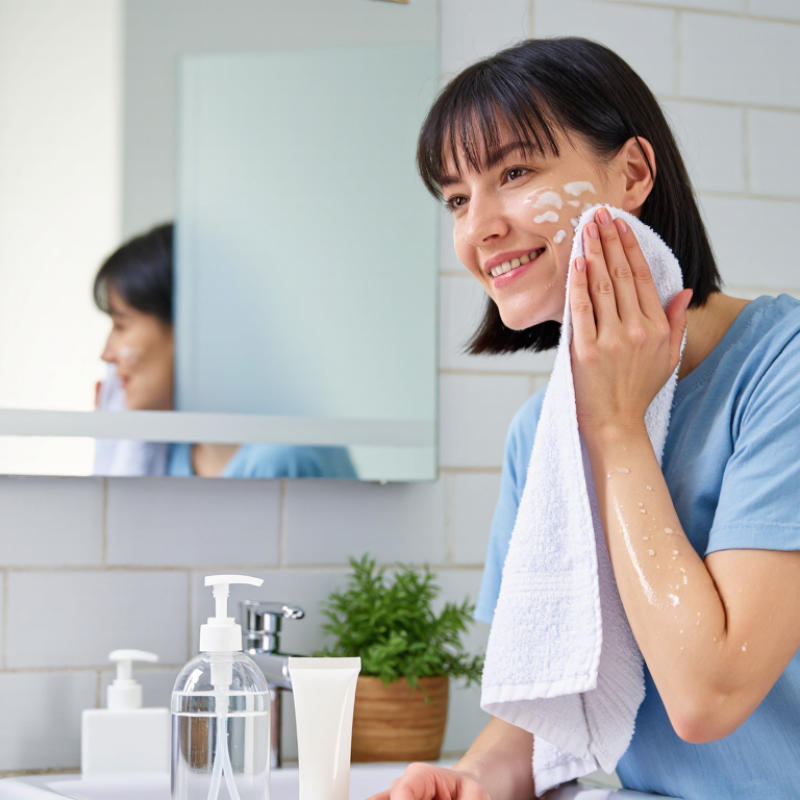
Dermatologist Dr. Joshua Zeichner explains, “The goal is to remove dirt and oil without disrupting the skin barrier.” That principle guides this practical answer to “How to clean skin properly after wearing a mask all day.” Start by washing your hands, then use lukewarm water and a fragrance-free, gentle cleanser. Massage with clean fingertips for about thirty seconds. Pay attention to the mask edges, but avoid scrubbing red or tender areas.

Pat dry.

A soft towel is better than rubbing. If your skin feels dry, apply a lightweight, non-comedogenic moisturizer while it remains slightly damp. Avoid strong exfoliating acids, alcohol-heavy products, and aggressive brushes immediately after mask use. They may feel cleansing, but they can worsen sensitivity. I once assumed a squeaky-clean feeling meant healthier skin. It did not. That tight sensation often signaled over-cleansing.

Clean skin helps, but prevention matters too. Replace disposable masks as recommended, wash reusable ones thoroughly, and choose a breathable, well-fitting option. If painful acne, persistent rash, swelling, or burning develops, consult a qualified dermatologist. Small changes usually help. Skin still needs patience.

What Is the Best Way to Clean Skin After a Mask?

Identify Your Skin Type and Mask-Related Irritation

What Is the Best Way to Clean Skin After a Mask?

Mask-related irritation often begins with misreading your skin type. Oily skin may feel slick, but harsh cleansing can increase tightness and redness. Dry skin usually feels rough or stretched after removal. Sensitive skin may sting from water, cleanser, or fragrance. Combination skin can show shine around the nose and flaking on the cheeks. These signs overlap. Skin labels are not perfect.

A practical routine starts with clean hands and lukewarm water. Use a gentle, fragrance-free cleanser, then pat your face dry with a clean towel. Do not scrub the nose or chin, even when sweat feels trapped. The American Academy of Dermatology recommends gentle cleansing and moisturizing after washing.

A light, non-comedogenic moisturizer can support the skin barrier. Irritated skin needs less, not more.

A 2020 Journal of the American Academy of Dermatology report found skin damage among 97% of surveyed healthcare workers using protective equipment, while 70% reported dryness (Lan et al., 2020). The findings involved multiple forms of equipment, not masks alone, so applying them broadly requires caution.

I would also question the habit of washing repeatedly after every brief mask use. Over-cleaning may worsen burning and peeling.

Stop using a product that stings. Persistent swelling, cracking, pus, or severe pain deserves evaluation by a qualified dermatologist. DIY fixes can disappoint.

Remove the Mask and Wash Your Hands

What Is the Best Way to Clean Skin After a Mask?

Remove the Mask and Wash Your Hands

Start by removing the mask using its ear loops or ties. Avoid touching the front, which may hold moisture, oil, and particles from the day. Place the mask in a clean, closed container if it will be reused. Disposable masks should not be repeatedly worn after becoming damp or visibly dirty.

Wash your hands with soap and running water for at least 20 seconds. Clean between your fingers and beneath your nails. No sink nearby? Use an alcohol-based hand sanitizer, then wash properly when possible. Clean hands reduce the chance of transferring residue to your face.

After removal, rinse your face with lukewarm water. Use a gentle, fragrance-free cleanser if sweat or sunscreen remains. Massage lightly for about 30 seconds, then pat dry with a clean towel. Scrubbing can worsen redness, especially around the nose and cheeks. I used to wash too aggressively after long mask wear, thinking tight skin meant better cleaning. It actually left my skin uncomfortable.

If irritation continues, simplify your routine for a few days. Avoid picking bumps or applying harsh products to broken skin. A healthcare professional can assess persistent swelling, pain, or a spreading rash. Clean hands matter more than complicated skincare steps.

Cleanse the Skin Gently With a Mild Product

What Is the Best Way to Clean Skin After a Mask?

Cleanse the Skin Gently With a Mild Product

After removing a mask, your skin may feel warm, damp, and slightly tender. Sweat, oil, and trapped residue can collect around the nose, cheeks, and chin. The safest response is gentle cleansing, not aggressive scrubbing. Wet your face with lukewarm water. Apply a mild, fragrance-free cleanser with clean fingertips. Massage lightly for about thirty seconds, then rinse thoroughly. Pat dry with a soft, clean towel. Do not rub.

A mild product should leave your skin comfortable, not tight or burning. Choose a simple formula made for sensitive skin. Avoid harsh exfoliating acids, strong alcohol, and rough cleansing tools after mask use. Dermatologists generally recommend limited friction and a balanced cleansing routine. If your skin is oily, wash carefully around clogged areas without pressing hard. If it feels dry, cleanse once and avoid repeated washing. Less can be more.

Check your skin in bright light. Red marks that fade quickly may reflect pressure or heat. Persistent burning, swelling, cracking, or a spreading rash deserves professional medical advice. I used to think a squeaky-clean feeling meant better cleansing. It often meant my skin barrier was being pushed too far. That assumption needed correcting. Keep the routine plain for a few days, and observe changes in redness, tightness, or small bumps. Stop using any product that causes repeated irritation.

Rinse, Pat Dry, and Apply a Simple Moisturizer

After removing a mask, wash your hands before touching your face. Rinse your skin with lukewarm water, especially around the nose, cheeks, and chin. If sweat or sunscreen remains, use a mild, fragrance-free cleanser. Avoid hot water and rough washcloths. They can increase dryness and irritation.

Pat your face dry with a clean, soft towel. Do not rub. A 2020 study in the Journal of the American Academy of Dermatology reported skin damage among 97% of surveyed healthcare workers using protective equipment. Their findings highlight how moisture, friction, and prolonged contact can weaken the skin barrier. Everyday masks may cause less pressure, but the same principles still matter.

Apply a simple moisturizer while your skin is slightly damp. Look for barrier-supporting ingredients, such as glycerin, ceramides, or petrolatum. Use a thin layer first. Too much product may feel uncomfortable beneath a mask. The American Academy of Dermatology Association recommends gentle cleansing and moisturizing to reduce dryness and irritation.

I sometimes rush the drying step, then notice tightness later. That small mistake is easy to repeat. If burning, swelling, cracking, or persistent redness develops, stop irritating products and seek advice from a qualified dermatologist.

Rinse gently. Pat carefully. Moisturize soon.

Monitor the Skin and Adjust Your Aftercare Routine

After removing a mask, clean your skin gently with lukewarm water and a mild, fragrance-free cleanser. Use clean fingertips, not a rough cloth, to remove sweat, oil, and residue. Pat your face dry with a fresh towel. Do not scrub red areas. In my experience, skin can feel “squeaky clean” after over-washing. That feeling may signal dryness instead. Wait a few minutes before applying a simple moisturizer.

Monitor your cheeks, nose, and chin in bright light. Notice tightness, stinging, peeling, small bumps, or unusual redness. I do not always get this right; skin reactions can appear hours later.

Keep a brief note about mask-wearing time, weather, and products used. If your skin feels tight, cleanse less often and use lukewarm water. If bumps increase, pause exfoliating acids, scrubs, and heavily scented products.

A dermatologist can help when irritation continues or keeps returning. Persistent swelling, painful cracks, spreading redness, or oozing deserves professional assessment.

Avoid testing several new products at once. You may not identify the trigger immediately. Change one part of your routine, then watch your skin for several days. Fresh mask fabric and clean hands also matter, especially after exercise or long periods outdoors.

FAQS

How should I remove a mask to reduce skin irritation?

Use the ear loops or ties. Avoid touching the front surface. It may hold sweat, oil, and particles.

What should I do immediately after removing the mask?

Wash your hands with soap and running water for at least 20 seconds. Clean between your fingers and beneath your nails.

How should I clean my face after mask use?

Rinse with lukewarm water. Use a gentle, fragrance-free cleanser if sweat or sunscreen remains. Massage lightly for about 30 seconds.

Should I scrub around my nose and chin?

No. Scrubbing can worsen redness and peeling. Pat your face dry with a clean towel. Do not rub.

How can I tell whether my skin is oily, dry, sensitive, or combination?

Oily skin may look slick. Dry skin can feel rough or stretched. Sensitive skin may sting. Combination skin may shine near the nose and flake on the cheeks.

What moisturizer may help after cleansing?

Choose a light, non-comedogenic moisturizer. It can support the skin barrier without feeling heavy. Apply it after gently drying your face.

Should I wash my face repeatedly after wearing a mask?

Usually, no. Repeated washing may increase burning, tightness, and peeling. I used to wash aggressively, but that made my skin uncomfortable.

When should I seek professional medical advice?

Seek advice for persistent swelling, cracking, pus, severe pain, or a spreading rash. Stop products that repeatedly sting. DIY solutions can disappoint.

Conclusion

Knowing how to clean skin properly after wearing a mask all day starts with understanding your skin type and identifying any mask-related irritation, such as redness, dryness, or clogged pores. Once you remove the mask, wash your hands thoroughly before touching your face. Then use a mild, fragrance-free cleanser and lukewarm water to gently remove sweat, oil, and impurities without scrubbing or irritating the skin.

Rinse completely and pat your face dry with a clean, soft towel. Apply a simple moisturizer to help restore comfort and support the skin barrier, choosing a lightweight formula if your skin feels oily or congested. After cleansing, monitor your skin over the next several hours. If irritation continues, simplify your routine, avoid harsh exfoliants, and reduce exposure to products that cause stinging. Adjusting your aftercare based on your skin’s response can help maintain a cleaner, calmer, and healthier complexion.

Isabella

Isabella

Isabella is a dedicated marketing professional with a sharp focus on driving brand growth and engagement through strategic content creation. With an extensive background in digital marketing, she combines her passion for storytelling with her keen understanding of industry trends to deliver......