DrSharpe Health DrSharpe Health

China Best Dust and Pollen Face Masks What Works Best?

Time:2026-10-20 Author:Oliver
0%

Choosing among China’s best dust and pollen face masks requires more than comparing prices, colors, or package claims. The real question is: What makes a face mask effective against dust and pollen? Protection depends on filtration, fit, breathability, and consistent use. A mask may look professional yet leak around the cheeks. Small gaps can matter more than a high filtration label.

Dr. John Howard, Director of the U.S. National Institute for Occupational Safety and Health, has stated, “The best respirator is the one that fits the user properly, is comfortable to wear, and is worn correctly.” This principle applies to everyday dust and pollen protection. A properly fitted N95 or certified KN95-style respirator can reduce exposure to fine particles. However, certification details must be checked carefully. Not every mask sold in China, or exported from China, offers the same performance.

Fit comes first.

A useful mask should seal gently around the nose and jaw. Try speaking, walking, and breathing before judging comfort. If air escapes near the eyes, the seal needs attention. For pollen, a well-fitted mask can make outdoor errands easier, especially during dry, windy mornings. For construction dust or industrial particles, stronger workplace controls may still be necessary.

This guide compares practical features, including filtration claims, nose wires, ear-loop tension, material quality, and skin comfort. It will not pretend that one mask suits everyone. Facial shape, humidity, glasses, and wearing time change the experience. Some recommendations may also deserve reconsideration after real-world use. That is the honest limitation. Performance on paper is only part of protection.
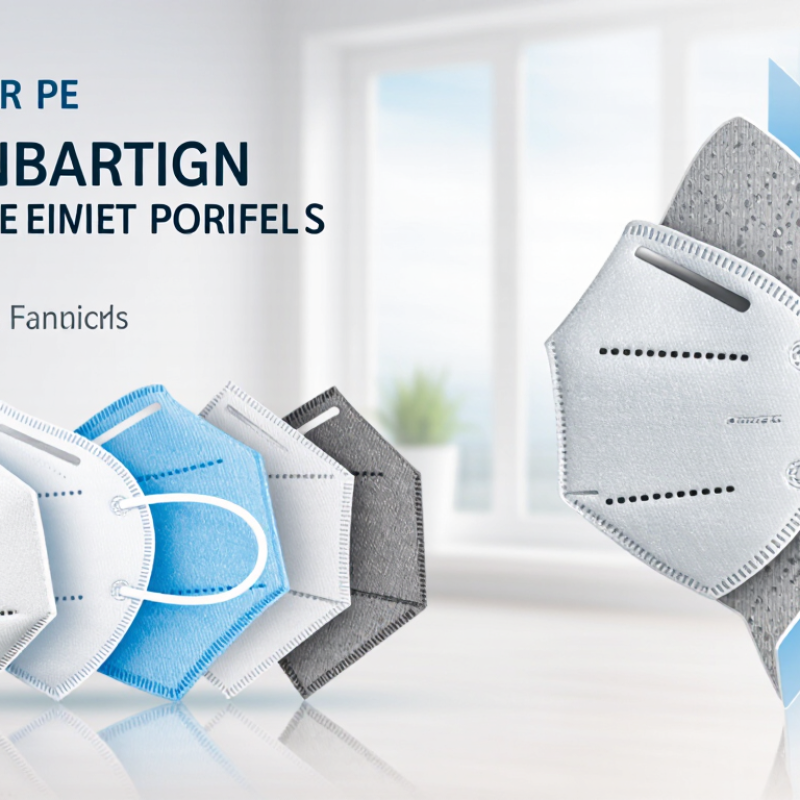
China Best Dust and Pollen Face Masks What Works Best?

What China’s Best Dust and Pollen Face Masks Are Designed to Filter

China’s best dust and pollen face masks are designed to capture airborne particles, not every type of pollution. Effective models usually use layered, nonwoven filter media. Fine dust, pollen fragments, and some respiratory droplets can be trapped within these layers. The exact performance depends on the tested filtration class and the mask’s seal.

Look for clear testing information, filtration ratings, and production details. A mask rated for particulate filtration may help during construction dust, spring pollen, or dry road conditions. It will not reliably remove gases, vapors, or strong chemical odors. That distinction matters. A mask can feel thick and still perform poorly if air leaks around the nose or cheeks.

Fit is often more important than appearance. Press the nose area firmly, then check for escaping air while breathing normally. Facial hair, loose straps, and damp material can reduce protection. In my experience, comfort affects consistency; an uncomfortable mask is often removed too soon. I have also found that “best” is not absolute. A highly rated model may fail for a narrow face, while a simpler design fits better. Replace a damaged, dirty, or difficult-to-breathe-through mask, and follow the maker’s tested-use guidance.

How Dust and Pollen Mask Protection Levels Compare

China Best Dust and Pollen Face Masks What Works Best?

Protection levels differ sharply between loose masks and certified particulate respirators. Cloth masks may catch larger particles, but their performance varies with fabric, washing, and fit. Surgical masks can reduce droplets, yet gaps around the cheeks allow fine dust and pollen to enter. They are not designed for a tight facial seal.

Under China’s GB 2626 standard, KN90 filters at least 90% of tested particles, while KN95 reaches at least 95%. KN100 reaches at least 99.97% under laboratory conditions. These figures help compare filter performance, not complete protection. A KN95 mask can still perform poorly if it leaks around the nose. Fit matters more than many buyers expect.

For dusty work or heavy pollen days, a certified respirator with adjustable nose support and secure ear loops or headbands is usually more suitable. Check the marking and instructions before use. Replace the mask when it becomes damp, dirty, damaged, or difficult to breathe through. Facial hair can weaken the seal. Glasses fogging may also signal leakage. That is easy to miss.

A stronger filter is not always the most comfortable choice. Some users remove tight masks too often, reducing real-world protection. I would rather wear a well-fitting KN95 consistently than tolerate a higher-rated mask for only a few minutes. People with breathing or heart conditions should seek medical advice before using tight-fitting respirators.

Which Mask Materials and Designs Work Best for Daily Use

For daily dust and pollen protection, material matters, but fit often matters more. Pollen grains commonly measure about 10–100 micrometres, while fine dust can be much smaller. A mask with a multilayer, nonwoven filter can capture particles more consistently than a loose single-layer cloth covering. The NIOSH N95 test requires at least 95% filtration against a challenging aerosol at 85 litres per minute. That result applies to an approved respirator, not every mask labeled “dust protection.”

Design decides whether laboratory performance survives a real commute. A flexible nose seal, adjustable straps, and coverage below the chin help reduce side leakage. The 2020 ACS Nano study by Konda and colleagues found that certain cotton and silk combinations filtered roughly 80–99% of 300-nanometre particles under controlled conditions. However, small gaps sharply reduced protection. Fit is the weak point.

For repeated daily use, choose breathable layers, a stable shape, and a replaceable or well-constructed filter area. A mask that becomes damp during cycling needs attention; moisture can increase discomfort and encourage frequent adjustment. Ear-loop designs may feel convenient, yet they can loosen during talking. I have found that a slightly firmer seal works better during traffic-heavy walks, although it may feel warm. This trade-off deserves honest testing.

Do not trust comfort alone.

Examine gaps.

Respect the data.

How to Choose a Comfortable and Effective Face Mask in China

Choosing a comfortable and effective face mask in China starts with the pollutant you expect to meet. Dust from construction sites, pollen, and fine particles require different levels of protection. For everyday particle protection, check whether the product clearly states its Chinese filtration standard, such as GB 2626, and confirm the intended use. A loose cloth covering may feel pleasant, but gaps around the nose can reduce real protection.

Fit matters more than appearance. Place the mask over your nose, mouth, and chin, then press the nose seal gently. Breathe normally and check for escaping air near your cheeks. Glasses fogging can reveal a poor seal. Try different sizes, especially if your face is narrow or your beard affects contact. Comfort still matters. A mask that causes pressure, heat, or dampness may be removed too often.

Look for soft inner fabric, adjustable ear loops, and a shape that stays stable while walking or speaking. Replace the mask when it becomes wet, dirty, damaged, or difficult to breathe through. Do not rely on a particulate mask for chemical vapors or oxygen-poor areas. No option feels perfect. I would rather accept a slightly less attractive design that stays sealed during a dusty commute. Even careful choices need review, because fit changes with movement, humidity, and facial shape.

How to Wear, Clean, and Replace Dust and Pollen Face Masks

Choosing a dust or pollen mask starts with fit, not appearance. NIOSH states that certified N95 respirators filter at least 95% of airborne particles. That performance depends on a close seal. Shave around sealing areas when possible, then cover your nose and mouth fully. Press the nosepiece firmly. Check for leaks while breathing in and out.

Wear a clean mask during gardening, sweeping, or high-pollen travel. The U.S. Centers for Disease Control and Prevention advises replacing a respirator when it becomes dirty, damaged, or difficult to breathe through. Do not wash disposable respirators. Water, soap, and heat can damage their filter structure.

Store a reusable mask in a dry, breathable container, not inside a damp pocket.

Small details matter.

Reusable fabric masks should follow the manufacturer’s washing instructions. Wash them after heavy sweating, visible dust exposure, or prolonged outdoor use. A 2024 American Lung Association report notes that fine particles can worsen respiratory irritation, especially for sensitive people.

A mask is not a cure. It also cannot remove pollen already inside a room. I sometimes replace a mask too late, especially when it still looks clean. That is a mistake worth noticing. Discard it sooner if breathing resistance increases, the straps loosen, or the seal fails.

FAQS

What are dust and pollen face masks designed to filter?

They are designed to capture airborne particles. These include fine dust, pollen fragments, and some respiratory droplets. They do not reliably remove gases, vapors, or strong chemical odors.

Which materials usually work best for daily protection?

Multilayer, nonwoven filter materials usually perform better than loose, single-layer cloth. They can capture particles more consistently. Material alone is not enough.

How important is mask fit?

Fit is crucial. Press the nose area firmly and check for escaping air while breathing normally. Gaps near the cheeks can reduce protection sharply.

What features help reduce air leakage?

Choose adjustable straps, a flexible nose seal, and coverage below the chin. These details help keep air moving through the filter. Ear loops may loosen while talking.

Can a highly rated mask fail in real life?

Yes. A narrow face, facial hair, loose straps, or damp material can reduce protection. A simpler mask may work better if it seals properly.

Does a mask rated for particles remove chemical odors?

No. Particle filters are not reliable protection against gases, vapors, or strong chemical smells. Do not confuse a thick feel with broad protection.

What should daily users consider during commuting or cycling?

Choose breathable layers and a stable shape. A damp mask can feel uncomfortable and may encourage frequent adjustment. Traffic-heavy walks may need a firmer seal.

When should a mask be replaced?

Replace it when it becomes damaged, dirty, damp, or difficult to breathe through. Follow the tested-use guidance provided with the mask. I would not stretch its use too far.

Is comfort more important than filtration data?

Neither should stand alone. Testing information shows potential performance, while comfort affects consistent use. An uncomfortable mask is often removed too soon. That weakness matters.

Conclusion

China’s best dust and pollen face masks are designed to reduce exposure to common airborne particles, including household dust, outdoor pollen, and fine irritants. What makes a face mask effective against dust and pollen depends on its filtration ability, secure fit, breathable materials, and coverage around the nose, cheeks, and chin. Different protection levels suit different situations, from light daily use to areas with heavier dust or seasonal pollen. Multi-layer designs and well-sealed edges generally provide more reliable protection than loose, thin coverings.

For daily use in China, choose a mask that feels comfortable, allows easy breathing, and stays in place during normal activities. Adjustable ear loops, a flexible nose bridge, and soft, skin-friendly inner layers can improve both comfort and performance. Wear the mask with clean hands, covering both the nose and mouth, and avoid touching the front while using it. Reusable masks should be cleaned according to their material, while disposable masks should be replaced when they become damp, dirty, damaged, or difficult to breathe through.

Oliver

Oliver

Oliver is a seasoned marketing professional with a wealth of expertise in driving brand awareness and engagement. With a deep understanding of our company's product offerings, he consistently delivers high-quality content that enriches our professional blog. His insights not only shed light on......